军人
Syagrius
430 - 487
ZH.WIKIPEDIA PAGE VIEWS (PV)
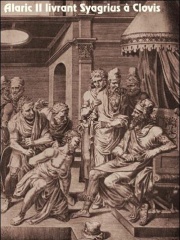
 Syagrius
夏克立乌斯(Syagrius,430年—?),也译作塞阿格流斯、塞格里勒、席亚格里伍斯、西阿各利,是一名罗马将军,也是罗马在高卢的残存国家(苏瓦松王国)最后的统治者。都尔的额我略称其为“罗马人的国王”。克洛维一世打败了夏克利乌斯,结束了西罗马帝国在意大利以外地区的统治。 在维基百科上阅读更多
他的传记在维基百科上提供 43 种语言版本。Syagrius在最受欢迎的军人中排名第204位(较 2024 年的第195位下降),在法国人物传记中排名第659位(较 2019 年的第610位下降),并在最受欢迎的法国军人中排名第21位。
Memorability Metrics
Page views of Syagrius by language
Among 军人
Among 军人, Syagrius ranks 204 out of 2,058. Before him are Djemal Pasha, Jacques MacDonald, Zhou Yu, Chūichi Nagumo, Johann Tserclaes, Count of Tilly, and Alfred von Schlieffen. After him are Chester W. Nimitz, Henning von Tresckow, Dietrich von Choltitz, Alexandre de Beauharnais, Prince Charles Alexander of Lorraine, and William Halsey Jr..
Most Popular 军人 in Wikipedia
Go to all Rankings
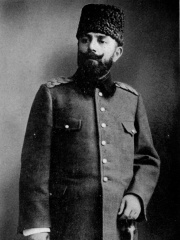
Djemal Pasha
1872 - 1922
HPI: 72.26
Rank: 198
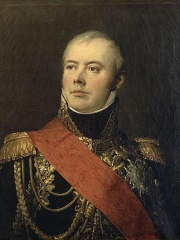
Jacques MacDonald
1765 - 1840
HPI: 72.22
Rank: 199
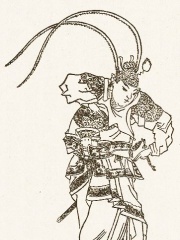
Zhou Yu
175 - 210
HPI: 72.20
Rank: 200
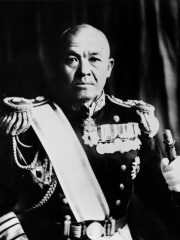
Chūichi Nagumo
1887 - 1944
HPI: 72.18
Rank: 201
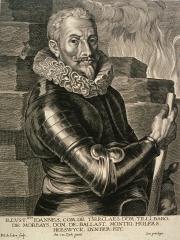
Johann Tserclaes, Count of Tilly
1559 - 1632
HPI: 72.10
Rank: 202
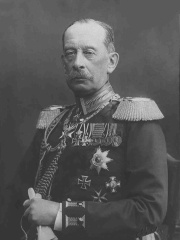
Alfred von Schlieffen
1833 - 1913
HPI: 72.10
Rank: 203
Syagrius
430 - 487
HPI: 72.05
Rank: 204
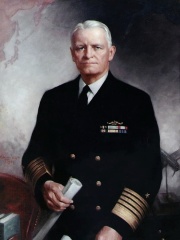
Chester W. Nimitz
1885 - 1966
HPI: 72.04
Rank: 205
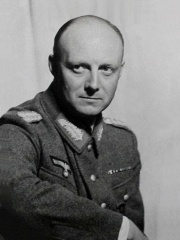
Henning von Tresckow
1901 - 1944
HPI: 72.03
Rank: 206
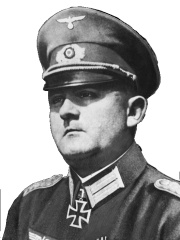
Dietrich von Choltitz
1894 - 1966
HPI: 72.02
Rank: 207
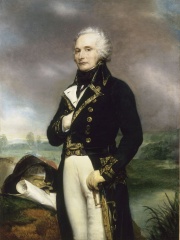
Alexandre de Beauharnais
1760 - 1794
HPI: 72.02
Rank: 208
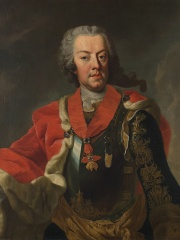
Prince Charles Alexander of Lorraine
1712 - 1780
HPI: 72.01
Rank: 209
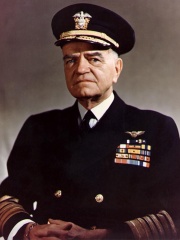
William Halsey Jr.
1882 - 1959
HPI: 71.99
Rank: 210

Contemporaries
Among people born in 430, Syagrius ranks 4. Before him are Anastasius I Dicorus, Julius Nepos, and Glycerius. After him are Sidonius Apollinaris, Abd Manaf ibn Qusai, Theodemir, and Emperor Xiaowu of Song. Among people deceased in 487, Syagrius ranks 1. After him is Emperor Kenzō.
Others Born in 430
Go to all Rankings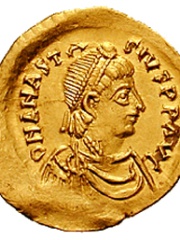
Anastasius I Dicorus
POLITICIAN
430 - 518
HPI: 82.03
Rank: 1
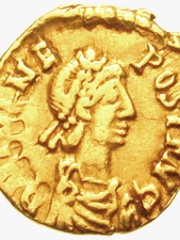
Julius Nepos
POLITICIAN
430 - 480
HPI: 76.23
Rank: 2
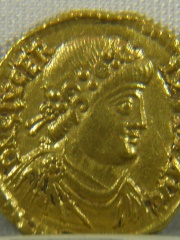
Glycerius
POLITICIAN
430 - 480
HPI: 72.70
Rank: 3
Syagrius
MILITARY PERSONNEL
430 - 487
HPI: 72.05
Rank: 4
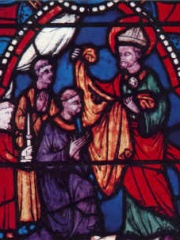
Sidonius Apollinaris
WRITER
430 - 489
HPI: 70.73
Rank: 5

Abd Manaf ibn Qusai
RELIGIOUS FIGURE
430 - 600
HPI: 67.54
Rank: 6

Theodemir
POLITICIAN
430 - 474
HPI: 67.10
Rank: 7

Emperor Xiaowu of Song
POLITICIAN
430 - 464
HPI: 60.11
Rank: 8
Others Deceased in 487
Go to all RankingsSyagrius
MILITARY PERSONNEL
430 - 487
HPI: 72.05
Rank: 1
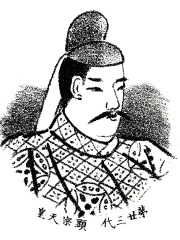
Emperor Kenzō
POLITICIAN
450 - 487
HPI: 67.81
Rank: 2
In 法国
Among people born in 法国, Syagrius ranks 659 out of NaN. Before him are Rashi (1040), Pierre Richard (1934), Darius Milhaud (1892), Alexandre Millerand (1859), Guillaume de l'Hôpital (1661), and Adrien-Marie Legendre (1752). After him are Rudolph of France (890), Fulk, King of Jerusalem (1092), Jean-Marie Lehn (1939), Johnny Hallyday (1943), Paul Dukas (1865), and Alain Resnais (1922).
Others born in 法国
Go to all Rankings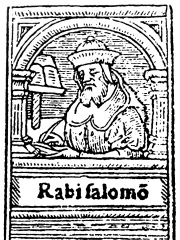
Rashi
RELIGIOUS FIGURE
1040 - 1105
HPI: 72.15
Rank: 653
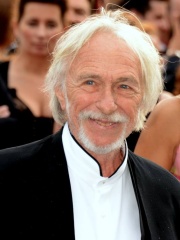
Pierre Richard
ACTOR
1934 - Present
HPI: 72.14
Rank: 654
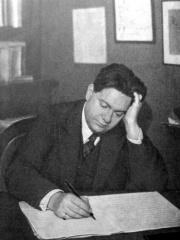
Darius Milhaud
COMPOSER
1892 - 1974
HPI: 72.13
Rank: 655
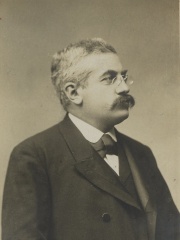
Alexandre Millerand
POLITICIAN
1859 - 1943
HPI: 72.08
Rank: 656
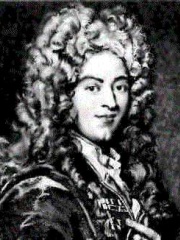
Guillaume de l'Hôpital
MATHEMATICIAN
1661 - 1704
HPI: 72.08
Rank: 657
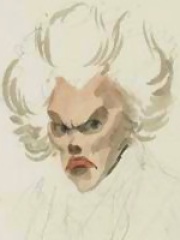
Adrien-Marie Legendre
MATHEMATICIAN
1752 - 1833
HPI: 72.07
Rank: 658
Syagrius
MILITARY PERSONNEL
430 - 487
HPI: 72.05
Rank: 659

Rudolph of France
POLITICIAN
890 - 936
HPI: 72.04
Rank: 660
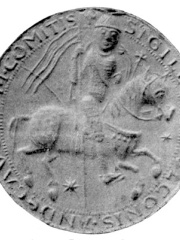
Fulk, King of Jerusalem
POLITICIAN
1092 - 1143
HPI: 72.03
Rank: 661
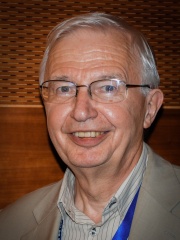
Jean-Marie Lehn
CHEMIST
1939 - Present
HPI: 72.03
Rank: 662

Johnny Hallyday
SINGER
1943 - 2017
HPI: 72.03
Rank: 663
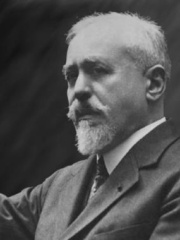
Paul Dukas
COMPOSER
1865 - 1935
HPI: 72.02
Rank: 664

Alain Resnais
FILM DIRECTOR
1922 - 2014
HPI: 72.02
Rank: 665
Among 军人 In 法国
Among 军人 born in 法国, Syagrius ranks 21. Before him are Jean Lannes (1769), Louis-Alexandre Berthier (1753), Louis, Grand Condé (1621), Raymond IV, Count of Toulouse (1045), Henri de La Tour d'Auvergne, Viscount of Turenne (1611), and Jacques MacDonald (1765). After him are Prince Charles Alexander of Lorraine (1712), Auguste de Marmont (1774), Jean-Baptiste Kléber (1753), Maurice Gamelin (1872), Pierre Augereau (1757), and Jean-Baptiste Bessières (1768).
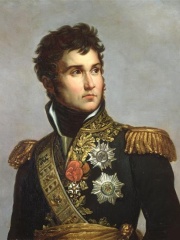
Jean Lannes
1769 - 1809
HPI: 73.29
Rank: 15
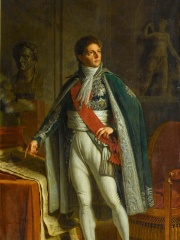
Louis-Alexandre Berthier
1753 - 1815
HPI: 73.14
Rank: 16
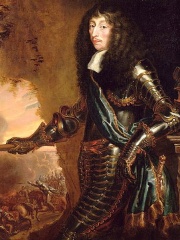
Louis, Grand Condé
1621 - 1686
HPI: 72.87
Rank: 17
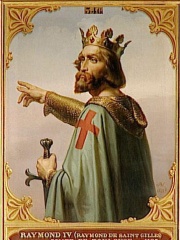
Raymond IV, Count of Toulouse
1045 - 1105
HPI: 72.85
Rank: 18
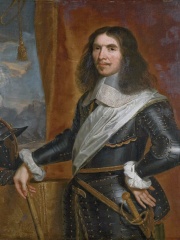
Henri de La Tour d'Auvergne, Viscount of Turenne
1611 - 1675
HPI: 72.66
Rank: 19
Jacques MacDonald
1765 - 1840
HPI: 72.22
Rank: 20
Syagrius
430 - 487
HPI: 72.05
Rank: 21
Prince Charles Alexander of Lorraine
1712 - 1780
HPI: 72.01
Rank: 22
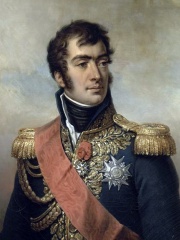
Auguste de Marmont
1774 - 1852
HPI: 71.97
Rank: 23
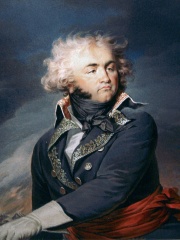
Jean-Baptiste Kléber
1753 - 1800
HPI: 71.95
Rank: 24
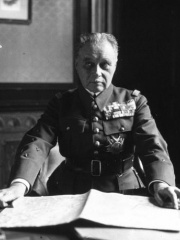
Maurice Gamelin
1872 - 1958
HPI: 71.75
Rank: 25
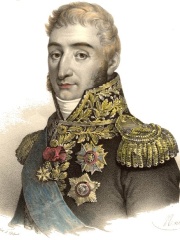
Pierre Augereau
1757 - 1816
HPI: 71.73
Rank: 26
Jean-Baptiste Bessières
1768 - 1813
HPI: 71.52
Rank: 27