政治家
Pithana
1800 BC - 1700 BC
ZH.WIKIPEDIA PAGE VIEWS (PV)
 Pithana
Memorability Metrics
Page views of Pithana by language
Among 政治家
Among 政治家, Pithana ranks 2,790 out of 19,576. Before him are Ludwig Stumpfegger, Giuseppe Guarneri, Tristan, Milan Kučan, Chlothar III, and Renée of France. After him are Ambrogio Spinola, 1st Marquess of Balbases, Naser al-Din Shah Qajar, Zhenjin, Adelaide of Maurienne, Manfred Gerlach, and Princess Christina, Mrs. Magnuson.
Most Popular 政治家 in Wikipedia
Go to all Rankings
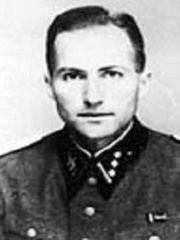
Ludwig Stumpfegger
1910 - 1945
HPI: 70.20
Rank: 2,785

Giuseppe Guarneri
1698 - 1744
HPI: 70.20
Rank: 2,786

Tristan
535 - 585
HPI: 70.20
Rank: 2,787

Milan Kučan
1941 - Present
HPI: 70.19
Rank: 2,788
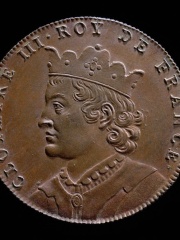
Chlothar III
650 - 673
HPI: 70.19
Rank: 2,789
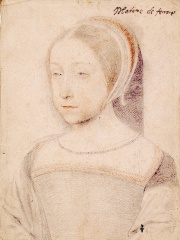
Renée of France
1510 - 1574
HPI: 70.19
Rank: 2,790

Pithana
1800 BC - 1700 BC
HPI: 70.19
Rank: 2,791
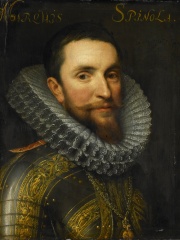
Ambrogio Spinola, 1st Marquess of Balbases
1569 - 1630
HPI: 70.18
Rank: 2,792
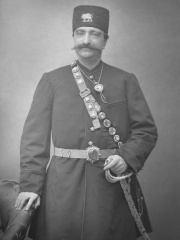
Naser al-Din Shah Qajar
1831 - 1896
HPI: 70.18
Rank: 2,793

Zhenjin
1243 - 1286
HPI: 70.18
Rank: 2,794
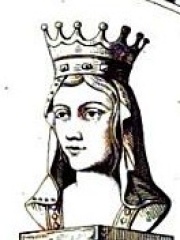
Adelaide of Maurienne
1092 - 1154
HPI: 70.17
Rank: 2,795
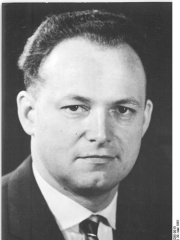
Manfred Gerlach
1928 - 2011
HPI: 70.17
Rank: 2,796

Princess Christina, Mrs. Magnuson
1943 - Present
HPI: 70.16
Rank: 2,797

Contemporaries
Among people born in 1800 BC, Pithana ranks 3. Before him are Hagar, and Zimri-Lim. After him are Sekhemre Khutawy Sobekhotep, Wegaf, Abi-Eshuh, Khaankhre Sobekhotep, Bu Bing, Khendjer, Amenemhet VI, Semenkare Nebnuni, and Neferhotep I. Among people deceased in 1700 BC, Pithana ranks 1. After him are Ammi-Saduqa, Abi-Eshuh, Ammi-Ditana, Senebkay, Merhotepre Sobekhotep, Yong Ji, Salitis, Sheshi, Sobekhotep VI, Xiao Jia, and Dedumose I.
Others Born in 1800 BC
Go to all Rankings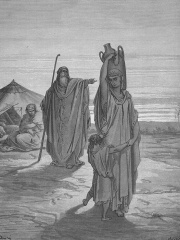
Hagar
RELIGIOUS FIGURE
1800 BC - 2000 BC
HPI: 80.49
Rank: 1
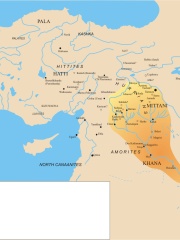
Zimri-Lim
POLITICIAN
1800 BC - 1800 BC
HPI: 71.59
Rank: 2
Pithana
POLITICIAN
1800 BC - 1700 BC
HPI: 70.19
Rank: 3
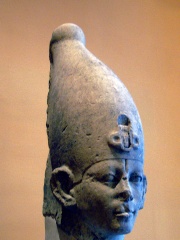
Sekhemre Khutawy Sobekhotep
POLITICIAN
1800 BC - 1718 BC
HPI: 68.62
Rank: 4
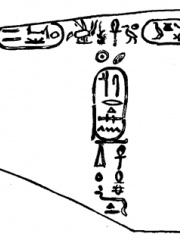
Wegaf
POLITICIAN
1800 BC - 1800 BC
HPI: 67.14
Rank: 5

Abi-Eshuh
POLITICIAN
1800 BC - 1700 BC
HPI: 66.68
Rank: 6
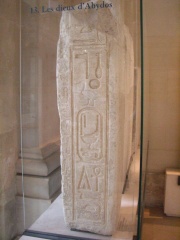
Khaankhre Sobekhotep
POLITICIAN
1800 BC - 1800 BC
HPI: 66.49
Rank: 7

Bu Bing
POLITICIAN
1800 BC - 1734 BC
HPI: 66.34
Rank: 8
Khendjer
POLITICIAN
1800 BC - 1800 BC
HPI: 65.15
Rank: 9
Amenemhet VI
POLITICIAN
1800 BC - 1800 BC
HPI: 65.08
Rank: 10
Semenkare Nebnuni
POLITICIAN
1800 BC - 1800 BC
HPI: 64.57
Rank: 11
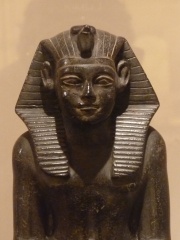
Neferhotep I
POLITICIAN
1800 BC - 1730 BC
HPI: 63.39
Rank: 12
Others Deceased in 1700 BC
Go to all RankingsPithana
POLITICIAN
1800 BC - 1700 BC
HPI: 70.19
Rank: 1
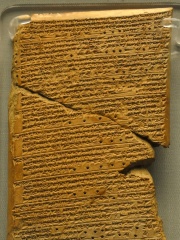
Ammi-Saduqa
POLITICIAN
1700 BC - 1700 BC
HPI: 66.72
Rank: 2
Abi-Eshuh
POLITICIAN
1800 BC - 1700 BC
HPI: 66.68
Rank: 3
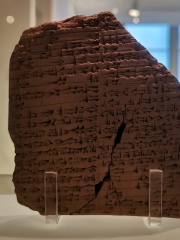
Ammi-Ditana
POLITICIAN
1700 BC - 1700 BC
HPI: 66.13
Rank: 4
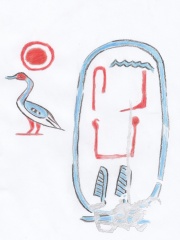
Senebkay
RELIGIOUS FIGURE
1700 BC - 1700 BC
HPI: 65.10
Rank: 5
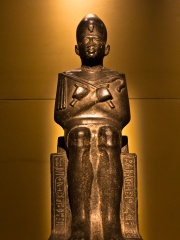
Merhotepre Sobekhotep
POLITICIAN
1700 BC - 1700 BC
HPI: 63.80
Rank: 6

Yong Ji
POLITICIAN
1700 BC - 1700 BC
HPI: 63.77
Rank: 7
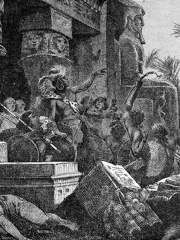
Salitis
POLITICIAN
1700 BC - 1700 BC
HPI: 63.47
Rank: 8
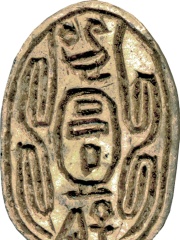
Sheshi
NOBLEMAN
1700 BC - 1700 BC
HPI: 62.57
Rank: 9
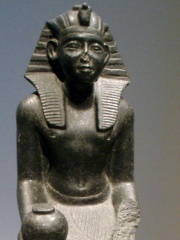
Sobekhotep VI
POLITICIAN
1700 BC - 1700 BC
HPI: 62.09
Rank: 10

Xiao Jia
POLITICIAN
1700 BC - 1700 BC
HPI: 60.84
Rank: 11
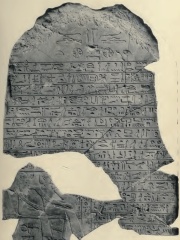
Dedumose I
POLITICIAN
1640 BC - 1700 BC
HPI: 60.84
Rank: 12
In 土耳其
Among people born in 土耳其, Pithana ranks 318 out of NaN. Before him are Süleyman Çelebi (1377), Theodore the Studite (759), Demetrios I of Constantinople (1914), Suleiman ibn Qutulmish (1100), Sostratus of Cnidus (-290), and Beyhan Sultan (1497). After him are Ayşe Sultan (1541), Attalus II Philadelphus (-220), Eudokia Makrembolitissa (1021), Bülent Ecevit (1925), Ibn Hawqal (943), and Dio Chrysostom (40).
Others born in 土耳其
Go to all Rankings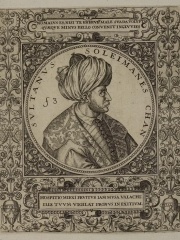
Süleyman Çelebi
POLITICIAN
1377 - 1411
HPI: 70.36
Rank: 312
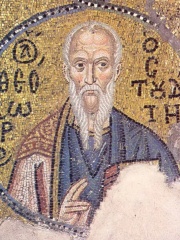
Theodore the Studite
WRITER
759 - 826
HPI: 70.35
Rank: 313

Demetrios I of Constantinople
RELIGIOUS FIGURE
1914 - 1991
HPI: 70.30
Rank: 314
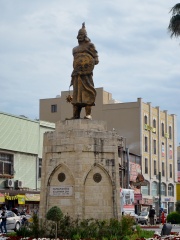
Suleiman ibn Qutulmish
POLITICIAN
1100 - 1086
HPI: 70.21
Rank: 315

Sostratus of Cnidus
ARCHITECT
290 BC - 260 BC
HPI: 70.20
Rank: 316
Beyhan Sultan
POLITICIAN
1497 - 1559
HPI: 70.20
Rank: 317
Pithana
POLITICIAN
1800 BC - 1700 BC
HPI: 70.19
Rank: 318

Ayşe Sultan
POLITICIAN
1541 - Present
HPI: 70.13
Rank: 319
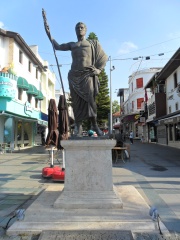
Attalus II Philadelphus
POLITICIAN
220 BC - 138 BC
HPI: 70.12
Rank: 320
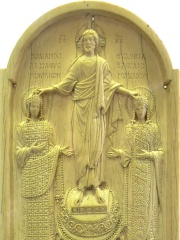
Eudokia Makrembolitissa
POLITICIAN
1021 - 1096
HPI: 70.11
Rank: 321
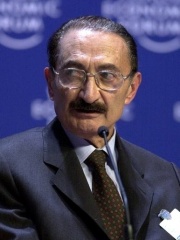
Bülent Ecevit
POLITICIAN
1925 - 2006
HPI: 70.07
Rank: 322

Ibn Hawqal
WRITER
943 - 988
HPI: 70.03
Rank: 323

Dio Chrysostom
WRITER
40 - 120
HPI: 70.02
Rank: 324
Among 政治家 In 土耳其
Among 政治家 born in 土耳其, Pithana ranks 171. Before him are Constantine Laskaris (1170), Şehzade Abdullah (1776), Cevdet Sunay (1899), Süleyman Çelebi (1377), Suleiman ibn Qutulmish (1100), and Beyhan Sultan (1497). After him are Ayşe Sultan (1541), Attalus II Philadelphus (-220), Eudokia Makrembolitissa (1021), Bülent Ecevit (1925), Andronikos V Palaiologos (1400), and Michael IV the Paphlagonian (1010).
Constantine Laskaris
1170 - 1205
HPI: 70.37
Rank: 165

Şehzade Abdullah
1776 - 1849
HPI: 70.36
Rank: 166
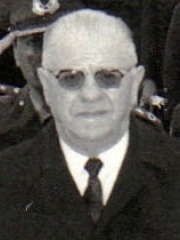
Cevdet Sunay
1899 - 1982
HPI: 70.36
Rank: 167
Süleyman Çelebi
1377 - 1411
HPI: 70.36
Rank: 168
Suleiman ibn Qutulmish
1100 - 1086
HPI: 70.21
Rank: 169
Beyhan Sultan
1497 - 1559
HPI: 70.20
Rank: 170
Pithana
1800 BC - 1700 BC
HPI: 70.19
Rank: 171
Ayşe Sultan
1541 - Present
HPI: 70.13
Rank: 172
Attalus II Philadelphus
220 BC - 138 BC
HPI: 70.12
Rank: 173
Eudokia Makrembolitissa
1021 - 1096
HPI: 70.11
Rank: 174
Bülent Ecevit
1925 - 2006
HPI: 70.07
Rank: 175
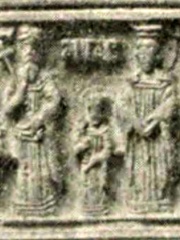
Andronikos V Palaiologos
1400 - 1407
HPI: 69.99
Rank: 176
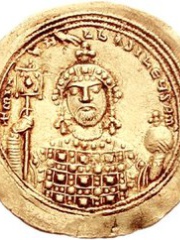
Michael IV the Paphlagonian
1010 - 1041
HPI: 69.95
Rank: 177