作曲家
Nicolas Gombert
1495 - 1560
 Nicolas Gombert
Memorability Metrics
Page views of Nicolas Gombert by language
Among 作曲家
Among 作曲家, Nicolas Gombert ranks 841 out of 1,451. Before him are Michael Tippett, George Crumb, Rebecca Clarke, Salvatore Sciarrino, La Monte Young, and Elliott Carter. After him are Cesare Pugni, Heino Eller, Edmond Audran, István Kertész, Shunsuke Kikuchi, and Koichi Sugiyama.
Most Popular 作曲家 in Wikipedia
Go to all Rankings

Michael Tippett
1905 - 1998
HPI: 60.00
Rank: 835

George Crumb
1929 - 2022
HPI: 59.98
Rank: 836
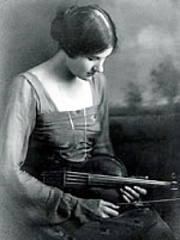
Rebecca Clarke
1886 - 1979
HPI: 59.97
Rank: 837

Salvatore Sciarrino
1947 - Present
HPI: 59.97
Rank: 838
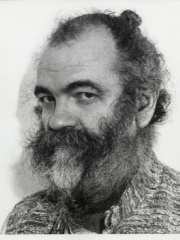
La Monte Young
1935 - Present
HPI: 59.95
Rank: 839

Elliott Carter
1908 - 2012
HPI: 59.93
Rank: 840

Nicolas Gombert
1495 - 1560
HPI: 59.92
Rank: 841
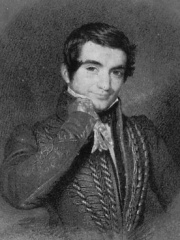
Cesare Pugni
1802 - 1870
HPI: 59.90
Rank: 842
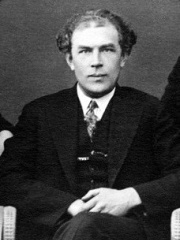
Heino Eller
1887 - 1970
HPI: 59.90
Rank: 843
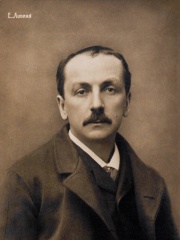
Edmond Audran
1840 - 1901
HPI: 59.90
Rank: 844
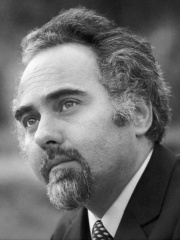
István Kertész
1929 - 1973
HPI: 59.88
Rank: 845

Shunsuke Kikuchi
1931 - 2021
HPI: 59.87
Rank: 846

Koichi Sugiyama
1931 - 2021
HPI: 59.87
Rank: 847

Contemporaries
Among people born in 1495, Nicolas Gombert ranks 14. Before him are Barbara Zápolya, Louis X, Duke of Bavaria, Luigi Alamanni, Giampietrino, Otto I, Duke of Brunswick-Harburg, and Marcin Bielski. After him are Melchior Hoffman, and Pascual de Andagoya. Among people deceased in 1560, Nicolas Gombert ranks 17. Before him are Domingo de Soto, Melchor Cano, Jean du Bellay, Jan Mandijn, Philip I, Duke of Pomerania, and Jan Łaski. After him are Amy Robsart, and Wacław of Szamotuły.
Others Born in 1495
Go to all Rankings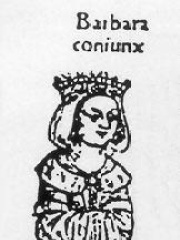
Barbara Zápolya
NOBLEMAN
1495 - 1515
HPI: 63.86
Rank: 8
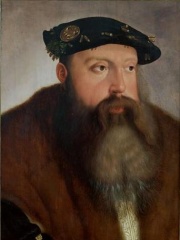
Louis X, Duke of Bavaria
POLITICIAN
1495 - 1545
HPI: 61.83
Rank: 9
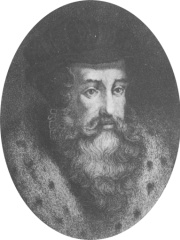
Luigi Alamanni
WRITER
1495 - 1556
HPI: 61.80
Rank: 10
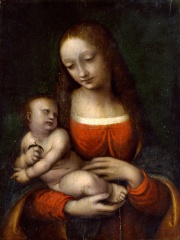
Giampietrino
PAINTER
1495 - 1549
HPI: 61.73
Rank: 11
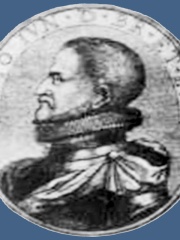
Otto I, Duke of Brunswick-Harburg
NOBLEMAN
1495 - 1549
HPI: 60.94
Rank: 12
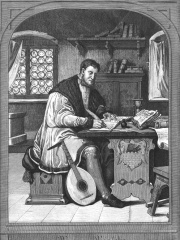
Marcin Bielski
WRITER
1495 - 1575
HPI: 60.29
Rank: 13
Nicolas Gombert
COMPOSER
1495 - 1560
HPI: 59.92
Rank: 14
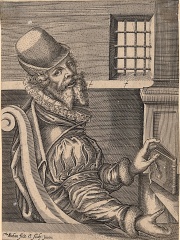
Melchior Hoffman
RELIGIOUS FIGURE
1495 - 1543
HPI: 58.53
Rank: 15

Pascual de Andagoya
EXPLORER
1495 - 1548
HPI: 58.48
Rank: 16
Others Deceased in 1560
Go to all Rankings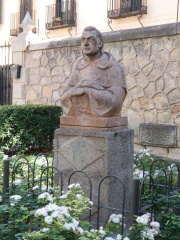
Domingo de Soto
PHILOSOPHER
1494 - 1560
HPI: 62.04
Rank: 11
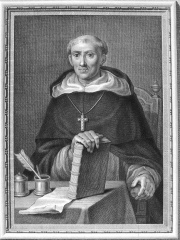
Melchor Cano
PHILOSOPHER
1509 - 1560
HPI: 61.94
Rank: 12
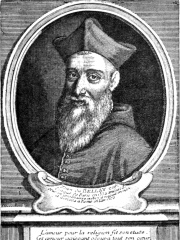
Jean du Bellay
RELIGIOUS FIGURE
1492 - 1560
HPI: 61.14
Rank: 13

Jan Mandijn
PAINTER
1500 - 1560
HPI: 60.75
Rank: 14
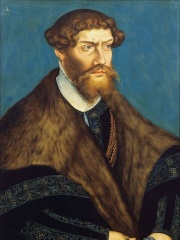
Philip I, Duke of Pomerania
NOBLEMAN
1515 - 1560
HPI: 60.67
Rank: 15
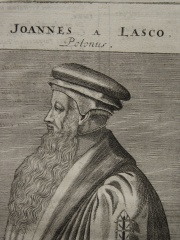
Jan Łaski
RELIGIOUS FIGURE
1499 - 1560
HPI: 60.47
Rank: 16
Nicolas Gombert
COMPOSER
1495 - 1560
HPI: 59.92
Rank: 17
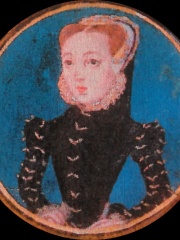
Amy Robsart
NOBLEMAN
1532 - 1560
HPI: 58.89
Rank: 18
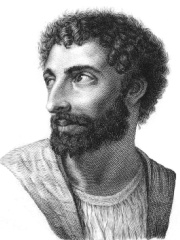
Wacław of Szamotuły
COMPOSER
1520 - 1560
HPI: 58.19
Rank: 19
In 法国
Among people born in 法国, Nicolas Gombert ranks 3,293 out of NaN. Before him are Joan, Countess of Toulouse (1220), Jean Baptiste Bory de Saint-Vincent (1778), Pierre-François-Léonard Fontaine (1762), Jean-Antoine Chaptal (1756), Georges Vacher de Lapouge (1854), and Mark Meadows (1959). After him are Maurice Larrouy (1872), Jean Louis Marie Poiret (1755), Albert I, Count of Namur (1000), Bernard Lama (1963), Louis Majorelle (1859), and Léon Daudet (1867).
Others born in 法国
Go to all Rankings
Joan, Countess of Toulouse
POLITICIAN
1220 - 1271
HPI: 59.93
Rank: 3,287
Jean Baptiste Bory de Saint-Vincent
BIOLOGIST
1778 - 1846
HPI: 59.93
Rank: 3,288
Pierre-François-Léonard Fontaine
ARCHITECT
1762 - 1853
HPI: 59.93
Rank: 3,289
Jean-Antoine Chaptal
CHEMIST
1756 - 1832
HPI: 59.92
Rank: 3,290
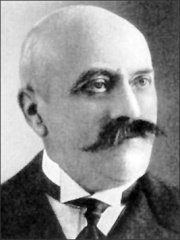
Georges Vacher de Lapouge
ANTHROPOLOGIST
1854 - 1936
HPI: 59.92
Rank: 3,291

Mark Meadows
POLITICIAN
1959 - Present
HPI: 59.92
Rank: 3,292
Nicolas Gombert
COMPOSER
1495 - 1560
HPI: 59.92
Rank: 3,293
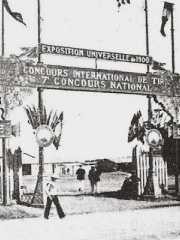
Maurice Larrouy
ATHLETE
1872 - 1968
HPI: 59.91
Rank: 3,294
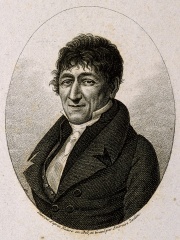
Jean Louis Marie Poiret
EXPLORER
1755 - 1834
HPI: 59.91
Rank: 3,295

Albert I, Count of Namur
NOBLEMAN
1000 - 1011
HPI: 59.91
Rank: 3,296

Bernard Lama
SOCCER PLAYER
1963 - Present
HPI: 59.91
Rank: 3,297
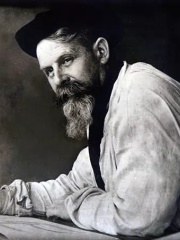
Louis Majorelle
DESIGNER
1859 - 1926
HPI: 59.90
Rank: 3,298
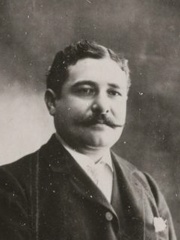
Léon Daudet
WRITER
1867 - 1942
HPI: 59.90
Rank: 3,299
Among 作曲家 In 法国
Among 作曲家 born in 法国, Nicolas Gombert ranks 117. Before him are George Onslow (1784), Louise Bertin (1805), Napoléon Henri Reber (1807), Jean-Henri d'Anglebert (1629), Guy Ropartz (1864), and Henri-Montan Berton (1767). After him are Edmond Audran (1840), Aimeric de Peguilhan (1200), Alfred Bruneau (1857), Henri Tomasi (1901), Claude Le Jeune (1528), and Henri Rabaud (1873).
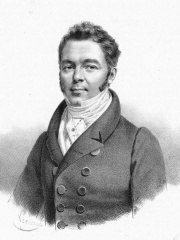
George Onslow
1784 - 1853
HPI: 60.59
Rank: 111
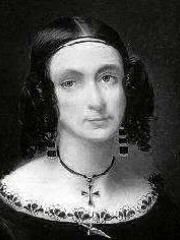
Louise Bertin
1805 - 1877
HPI: 60.54
Rank: 112
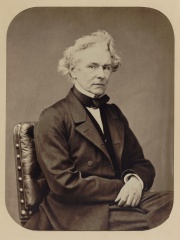
Napoléon Henri Reber
1807 - 1880
HPI: 60.51
Rank: 113
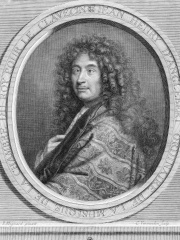
Jean-Henri d'Anglebert
1629 - 1691
HPI: 60.39
Rank: 114
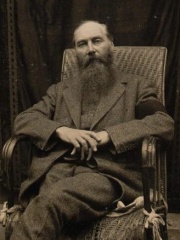
Guy Ropartz
1864 - 1955
HPI: 60.16
Rank: 115
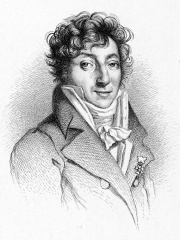
Henri-Montan Berton
1767 - 1844
HPI: 60.12
Rank: 116
Nicolas Gombert
1495 - 1560
HPI: 59.92
Rank: 117
Edmond Audran
1840 - 1901
HPI: 59.90
Rank: 118
Aimeric de Peguilhan
1200 - 1228
HPI: 59.87
Rank: 119
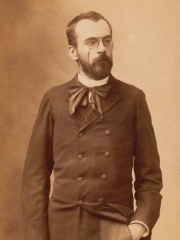
Alfred Bruneau
1857 - 1934
HPI: 59.86
Rank: 120
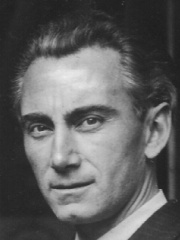
Henri Tomasi
1901 - 1971
HPI: 59.82
Rank: 121
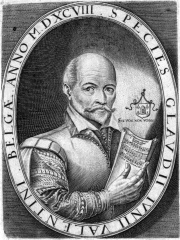
Claude Le Jeune
1528 - 1600
HPI: 59.81
Rank: 122
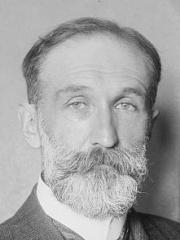
Henri Rabaud
1873 - 1949
HPI: 59.80
Rank: 123