政治家
Narendra Modi
1950 - 至今
ZH.WIKIPEDIA PAGE VIEWS (PV)
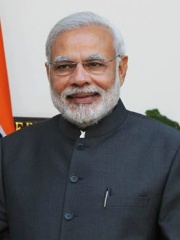

 Narendra Modi
纳伦德拉·达莫达尔达斯·莫迪 (古吉拉特語:નરેન્દ્ર દામોદરદાસ મોદી,發音:[ˈnəɾendɾə dɑmodəɾˈdɑs ˈmodiː] ;英語:Narendra Damodardas Modi,1950年9月17日—),印度政治人物,现任印度总理(第14任),也是第一位在印度共和国建国后出生的总理。莫迪在古吉拉特邦東北部的一個小鎮沃德讷格尔出生長大,在那裡完成了中學教育。他在八歲時被介紹給極右翼组织国民志愿服务团。他小時候必須在瓦德納加爾火車站月台上父親的茶攤工作,這一描述尚未得到可靠證實。 在维基百科上阅读更多
His biography is available in 145 different languages on Wikipedia (up from 140 in 2024). Narendra Modi is the 43rd most popular 政治家 (up from 73rd in 2024), the 3rd most popular biography from India (down from 2nd in 2019) and the 2nd most popular Indian 政治家.
Narendra Modi is most famous for being the Prime Minister of India. He is also famous for being a leader of the Bharatiya Janata Party.
Memorability Metrics
Page views of Narendra Modi by language
Among 政治家
Among 政治家, Narendra Modi ranks 43 out of 19,576. Before him are George III of the United Kingdom, Kim Il-sung, Constantine the Great, David, Martin Van Buren, and Joseph Goebbels. After him are Hillary Clinton, Winston Churchill, Mao Zedong, Otto von Bismarck, Charles II of England, and Wilhelm II, German Emperor.
Most Popular 政治家 in Wikipedia
Go to all Rankings
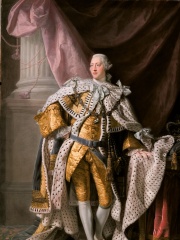
George III of the United Kingdom
1738 - 1820
HPI: 89.11
Rank: 37
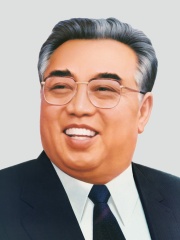
Kim Il-sung
1912 - 1994
HPI: 89.10
Rank: 38
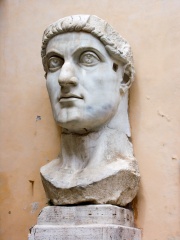
Constantine the Great
272 - 337
HPI: 89.00
Rank: 39
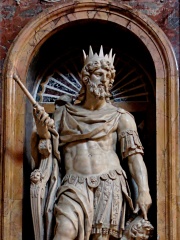
David
1010 BC - 970 BC
HPI: 88.96
Rank: 40
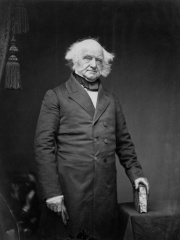
Martin Van Buren
1782 - 1862
HPI: 88.89
Rank: 41
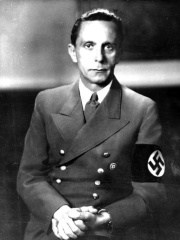
Joseph Goebbels
1897 - 1945
HPI: 88.81
Rank: 42
Narendra Modi
1950 - Present
HPI: 88.81
Rank: 43
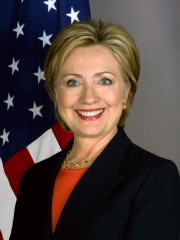
Hillary Clinton
1947 - Present
HPI: 88.79
Rank: 44
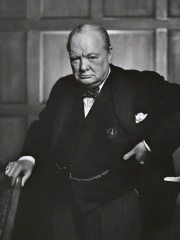
Winston Churchill
1874 - 1965
HPI: 88.76
Rank: 45
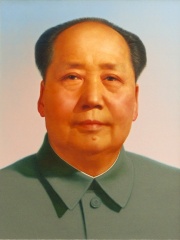
Mao Zedong
1893 - 1976
HPI: 88.70
Rank: 46
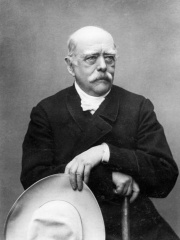
Otto von Bismarck
1815 - 1898
HPI: 88.67
Rank: 47
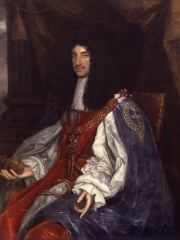
Charles II of England
1630 - 1685
HPI: 88.62
Rank: 48
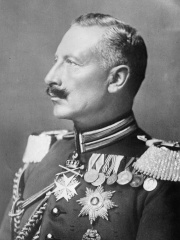
Wilhelm II, German Emperor
1859 - 1941
HPI: 88.47
Rank: 49

Contemporaries
Among people born in 1950, Narendra Modi ranks 1. After him are Anne, Princess Royal, Viktor Yanukovych, Zaha Hadid, Agnetha Fältskog, Georg Bednorz, Sergey Lavrov, Abdullah Gül, Tom Petty, Jay Leno, Vicente del Bosque, and Sahle-Work Zewde.
Others Born in 1950
Go to all RankingsNarendra Modi
POLITICIAN
1950 - Present
HPI: 88.81
Rank: 1
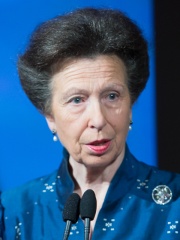
Anne, Princess Royal
NOBLEMAN
1950 - Present
HPI: 82.10
Rank: 2
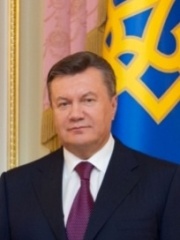
Viktor Yanukovych
POLITICIAN
1950 - Present
HPI: 80.36
Rank: 3
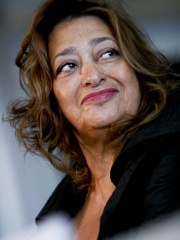
Zaha Hadid
ARCHITECT
1950 - 2016
HPI: 78.46
Rank: 4
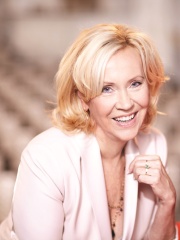
Agnetha Fältskog
SINGER
1950 - Present
HPI: 76.85
Rank: 5
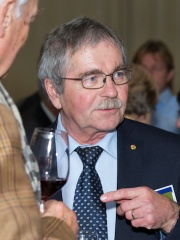
Georg Bednorz
PHYSICIST
1950 - Present
HPI: 76.58
Rank: 6
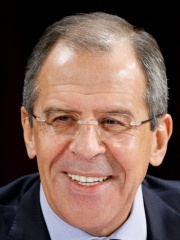
Sergey Lavrov
POLITICIAN
1950 - Present
HPI: 76.47
Rank: 7
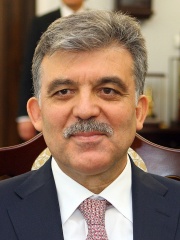
Abdullah Gül
POLITICIAN
1950 - Present
HPI: 75.95
Rank: 8

Tom Petty
MUSICIAN
1950 - 2017
HPI: 75.53
Rank: 9
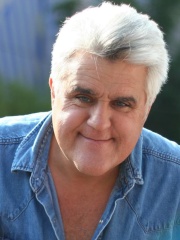
Jay Leno
PRESENTER
1950 - Present
HPI: 75.44
Rank: 10
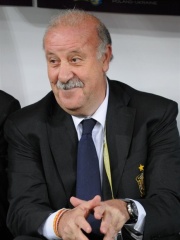
Vicente del Bosque
COACH
1950 - Present
HPI: 74.89
Rank: 11
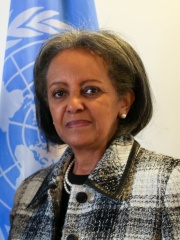
Sahle-Work Zewde
POLITICIAN
1950 - Present
HPI: 74.61
Rank: 12
In India
Among people born in India, Narendra Modi ranks 3 out of 1,861. Before him are Mahatma Gandhi (1869), and Indira Gandhi (1917). After him are Mumtaz Mahal (1593), George Orwell (1903), Ashoka (-304), Rajneesh (1931), Rabindranath Tagore (1861), Swami Vivekananda (1863), Kālidāsa (400), Vallabhbhai Patel (1875), and Ramakrishna (1836).
Others born in India
Go to all Rankings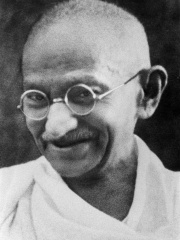
Mahatma Gandhi
SOCIAL ACTIVIST
1869 - 1948
HPI: 97.71
Rank: 1
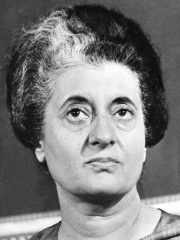
Indira Gandhi
POLITICIAN
1917 - 1984
HPI: 91.54
Rank: 2
Narendra Modi
POLITICIAN
1950 - Present
HPI: 88.81
Rank: 3
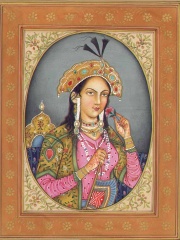
Mumtaz Mahal
COMPANION
1593 - 1631
HPI: 85.84
Rank: 4
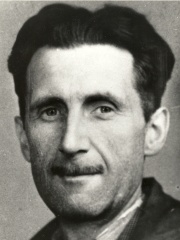
George Orwell
WRITER
1903 - 1950
HPI: 85.28
Rank: 5
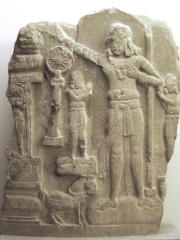
Ashoka
POLITICIAN
304 BC - 232 BC
HPI: 85.09
Rank: 6
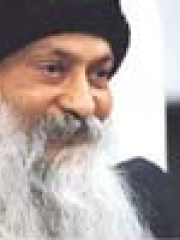
Rajneesh
PHILOSOPHER
1931 - 1990
HPI: 83.75
Rank: 7
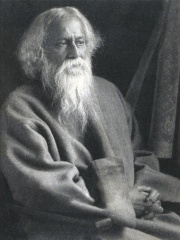
Rabindranath Tagore
WRITER
1861 - 1941
HPI: 83.47
Rank: 8
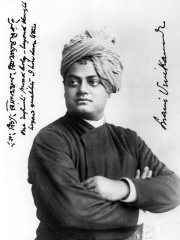
Swami Vivekananda
PHILOSOPHER
1863 - 1902
HPI: 82.73
Rank: 9
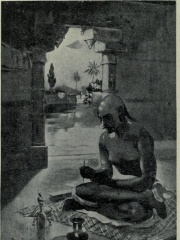
Kālidāsa
WRITER
400 - 420
HPI: 82.51
Rank: 10
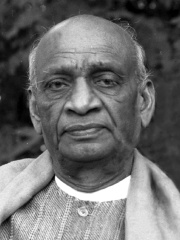
Vallabhbhai Patel
POLITICIAN
1875 - 1950
HPI: 82.30
Rank: 11
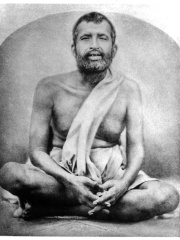
Ramakrishna
PHILOSOPHER
1836 - 1886
HPI: 81.84
Rank: 12
Among 政治家 In India
Among 政治家 born in India, Narendra Modi ranks 2. Before him are Indira Gandhi (1917). After him are Ashoka (-304), Vallabhbhai Patel (1875), Pratibha Patil (1934), A. P. J. Abdul Kalam (1931), Droupadi Murmu (1958), B. R. Ambedkar (1891), Bahadur Shah Zafar (1775), Muhammad Zia-ul-Haq (1924), Kocheril R. Narayanan (1921), and Razia Sultana (1205).
Indira Gandhi
1917 - 1984
HPI: 91.54
Rank: 1
Narendra Modi
1950 - Present
HPI: 88.81
Rank: 2
Ashoka
304 BC - 232 BC
HPI: 85.09
Rank: 3
Vallabhbhai Patel
1875 - 1950
HPI: 82.30
Rank: 4
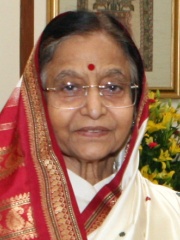
Pratibha Patil
1934 - Present
HPI: 81.77
Rank: 5
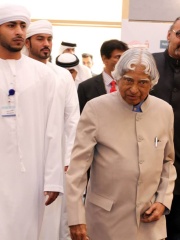
A. P. J. Abdul Kalam
1931 - 2015
HPI: 81.57
Rank: 6
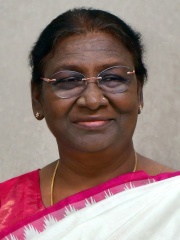
Droupadi Murmu
1958 - Present
HPI: 80.99
Rank: 7
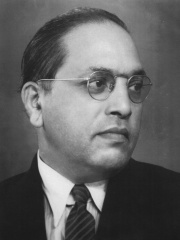
B. R. Ambedkar
1891 - 1956
HPI: 80.47
Rank: 8
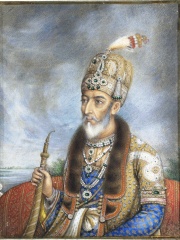
Bahadur Shah Zafar
1775 - 1862
HPI: 80.20
Rank: 9
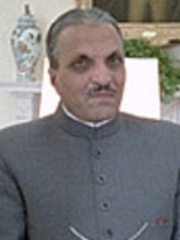
Muhammad Zia-ul-Haq
1924 - 1988
HPI: 79.61
Rank: 10
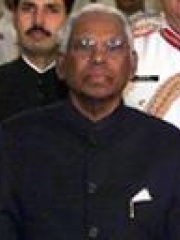
Kocheril R. Narayanan
1921 - 2005
HPI: 79.03
Rank: 11
Razia Sultana
1205 - 1240
HPI: 79.00
Rank: 12




