军人
Moritz von Auffenberg
1852 - 1928
 Moritz von Auffenberg
Memorability Metrics
Page views of Moritz von Auffenberg by language
Among 军人
Among 军人, Moritz von Auffenberg ranks 1,507 out of 2,058. Before him are Edmund Ironside, 1st Baron Ironside, Arabo, Coenus, Segismundo Casado, Curt Haase, and Endel Puusepp. After him are Frederick Roberts, 1st Earl Roberts, Alexander Kutepov, Shōji Nishimura, Neoptolemus II of Epirus, Antonina Makarova, and Maximilian von Edelsheim.
Most Popular 军人 in Wikipedia
Go to all Rankings
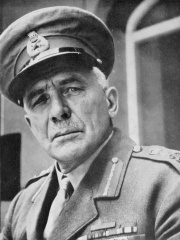
Edmund Ironside, 1st Baron Ironside
1880 - 1959
HPI: 58.79
Rank: 1,501
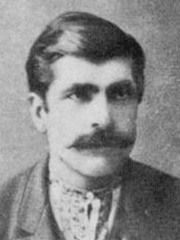
Arabo
1863 - 1893
HPI: 58.78
Rank: 1,502

Coenus
390 BC - 326 BC
HPI: 58.76
Rank: 1,503
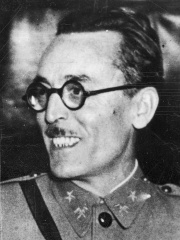
Segismundo Casado
1893 - 1968
HPI: 58.76
Rank: 1,504
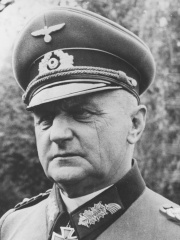
Curt Haase
1881 - 1943
HPI: 58.75
Rank: 1,505
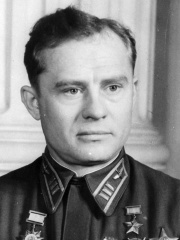
Endel Puusepp
1909 - 1996
HPI: 58.74
Rank: 1,506
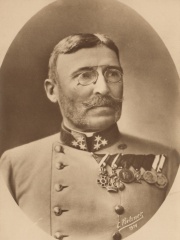
Moritz von Auffenberg
1852 - 1928
HPI: 58.74
Rank: 1,507
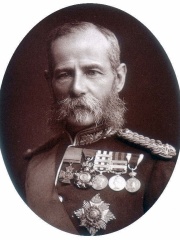
Frederick Roberts, 1st Earl Roberts
1832 - 1914
HPI: 58.74
Rank: 1,508
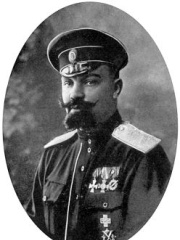
Alexander Kutepov
1882 - 1930
HPI: 58.74
Rank: 1,509
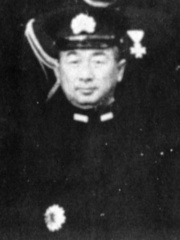
Shōji Nishimura
1889 - 1944
HPI: 58.73
Rank: 1,510

Neoptolemus II of Epirus
331 BC - 290 BC
HPI: 58.72
Rank: 1,511
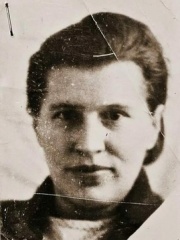
Antonina Makarova
1920 - 1979
HPI: 58.72
Rank: 1,512
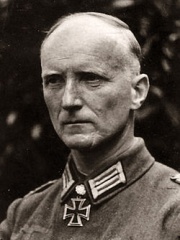
Maximilian von Edelsheim
1897 - 1994
HPI: 58.71
Rank: 1,513

Contemporaries
Among people born in 1852, Moritz von Auffenberg ranks 75. Before him are Princess Marie of Battenberg, Gertrude Käsebier, Prince Arnulf of Bavaria, Leon Wyczółkowski, Émile Fayolle, and Eugène-Anatole Demarçay. After him are Dục Đức, William Stewart Halsted, Princess Ida of Schaumburg-Lippe, Otto Binswanger, Günther Victor, Prince of Schwarzburg, and Meijer de Haan. Among people deceased in 1928, Moritz von Auffenberg ranks 72. Before him are Franz Roubaud, Wilhelm Fliess, Larry Semon, Alexander Trepov, Émile Fayolle, and Arthur Moritz Schoenflies. After him are Ludwig von Pastor, Karin Bergöö Larsson, Ellen Terry, Luigi Bianchi, Eilif Peterssen, and Richard F. Outcault.
Others Born in 1852
Go to all Rankings
Princess Marie of Battenberg
NOBLEMAN
1852 - 1923
HPI: 59.67
Rank: 69
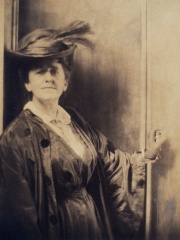
Gertrude Käsebier
PHOTOGRAPHER
1852 - 1934
HPI: 59.61
Rank: 70
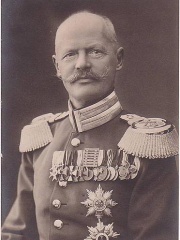
Prince Arnulf of Bavaria
POLITICIAN
1852 - 1907
HPI: 59.48
Rank: 71
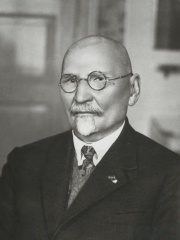
Leon Wyczółkowski
PAINTER
1852 - 1936
HPI: 59.27
Rank: 72
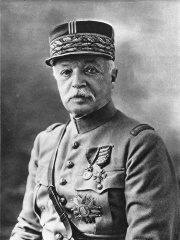
Émile Fayolle
POLITICIAN
1852 - 1928
HPI: 58.99
Rank: 73
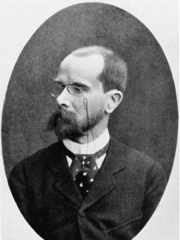
Eugène-Anatole Demarçay
CHEMIST
1852 - 1903
HPI: 58.94
Rank: 74
Moritz von Auffenberg
MILITARY PERSONNEL
1852 - 1928
HPI: 58.74
Rank: 75
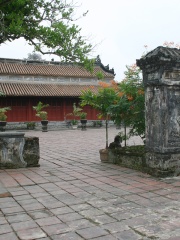
Dục Đức
POLITICIAN
1852 - 1883
HPI: 58.66
Rank: 76
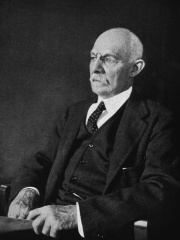
William Stewart Halsted
PHYSICIAN
1852 - 1922
HPI: 58.59
Rank: 77
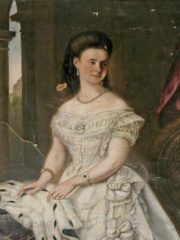
Princess Ida of Schaumburg-Lippe
NOBLEMAN
1852 - 1891
HPI: 58.39
Rank: 78
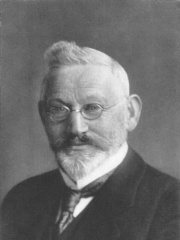
Otto Binswanger
PSYCHOLOGIST
1852 - 1929
HPI: 58.30
Rank: 79
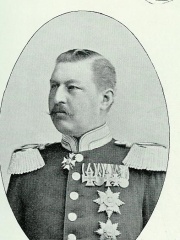
Günther Victor, Prince of Schwarzburg
NOBLEMAN
1852 - 1925
HPI: 58.25
Rank: 80
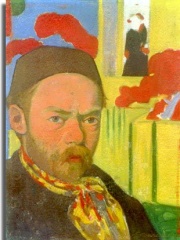
Meijer de Haan
PAINTER
1852 - 1895
HPI: 58.24
Rank: 81
Others Deceased in 1928
Go to all Rankings
Franz Roubaud
PAINTER
1856 - 1928
HPI: 59.72
Rank: 66
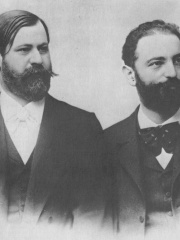
Wilhelm Fliess
PHYSICIAN
1858 - 1928
HPI: 59.54
Rank: 67
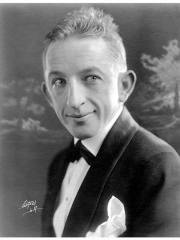
Larry Semon
ACTOR
1889 - 1928
HPI: 59.48
Rank: 68
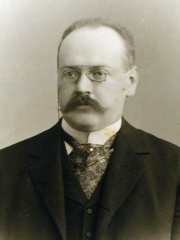
Alexander Trepov
POLITICIAN
1862 - 1928
HPI: 59.26
Rank: 69
Émile Fayolle
POLITICIAN
1852 - 1928
HPI: 58.99
Rank: 70
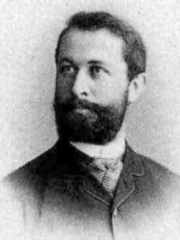
Arthur Moritz Schoenflies
MATHEMATICIAN
1853 - 1928
HPI: 58.91
Rank: 71
Moritz von Auffenberg
MILITARY PERSONNEL
1852 - 1928
HPI: 58.74
Rank: 72
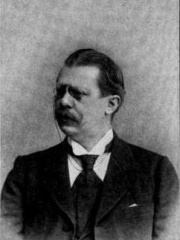
Ludwig von Pastor
HISTORIAN
1854 - 1928
HPI: 58.73
Rank: 73
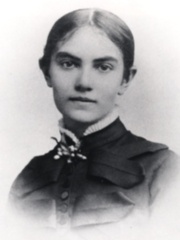
Karin Bergöö Larsson
PAINTER
1859 - 1928
HPI: 58.63
Rank: 74
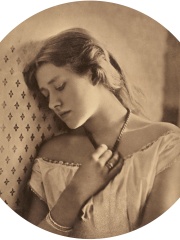
Ellen Terry
ACTOR
1847 - 1928
HPI: 58.53
Rank: 75
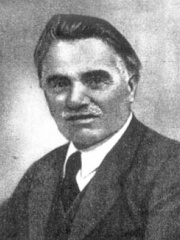
Luigi Bianchi
MATHEMATICIAN
1856 - 1928
HPI: 58.26
Rank: 76
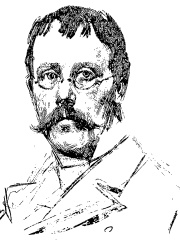
Eilif Peterssen
PAINTER
1852 - 1928
HPI: 58.22
Rank: 77
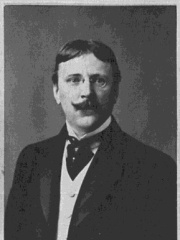
Richard F. Outcault
COMIC ARTIST
1863 - 1928
HPI: 58.21
Rank: 78
In 捷克
Among people born in 捷克, Moritz von Auffenberg ranks 472 out of NaN. Before him are Karel Roden (1962), Václav Hanka (1791), Eugen Sänger (1905), Vilém Blodek (1834), Tomáš Skuhravý (1965), and Karel Kryl (1944). After him are Ralph Benatzky (1884), Herbert Feigl (1902), Arnošt Lustig (1926), Zdeněk Svěrák (1936), Ernst Tugendhat (1930), and Vaclav Smil (1943).
Others born in 捷克
Go to all Rankings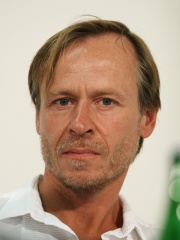
Karel Roden
ACTOR
1962 - Present
HPI: 58.84
Rank: 466

Václav Hanka
WRITER
1791 - 1861
HPI: 58.84
Rank: 467
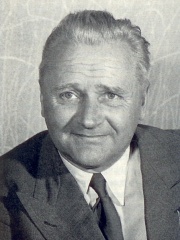
Eugen Sänger
ENGINEER
1905 - 1964
HPI: 58.81
Rank: 468
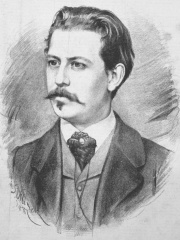
Vilém Blodek
COMPOSER
1834 - 1874
HPI: 58.81
Rank: 469
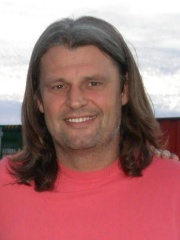
Tomáš Skuhravý
SOCCER PLAYER
1965 - Present
HPI: 58.80
Rank: 470
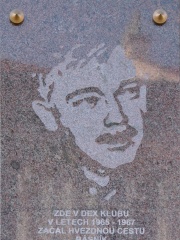
Karel Kryl
WRITER
1944 - 1994
HPI: 58.75
Rank: 471
Moritz von Auffenberg
MILITARY PERSONNEL
1852 - 1928
HPI: 58.74
Rank: 472
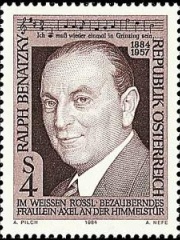
Ralph Benatzky
COMPOSER
1884 - 1957
HPI: 58.73
Rank: 473
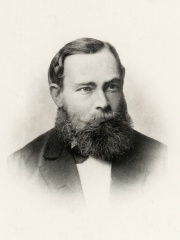
Herbert Feigl
PHILOSOPHER
1902 - 1988
HPI: 58.71
Rank: 474
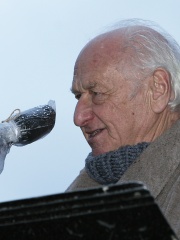
Arnošt Lustig
WRITER
1926 - 2011
HPI: 58.69
Rank: 475
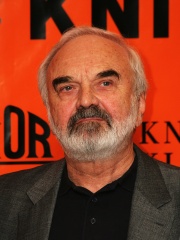
Zdeněk Svěrák
ACTOR
1936 - Present
HPI: 58.65
Rank: 476

Ernst Tugendhat
PHILOSOPHER
1930 - 2023
HPI: 58.64
Rank: 477
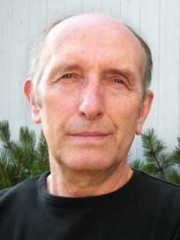
Vaclav Smil
GEOGRAPHER
1943 - Present
HPI: 58.61
Rank: 478
Among 军人 In 捷克
Among 军人 born in 捷克, Moritz von Auffenberg ranks 13. Before him are Julius von Payer (1841), Otto Kittel (1917), Erhard Raus (1889), Karl Fritzsch (1903), Alexander von Krobatin (1849), and Ferenc Wesselényi (1605).
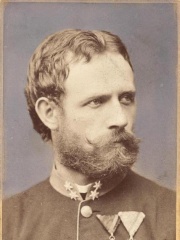
Julius von Payer
1841 - 1915
HPI: 64.17
Rank: 7
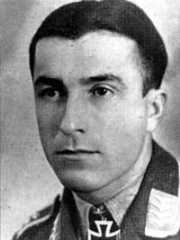
Otto Kittel
1917 - 1945
HPI: 63.73
Rank: 8
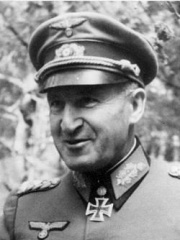
Erhard Raus
1889 - 1956
HPI: 63.17
Rank: 9
Karl Fritzsch
1903 - 1945
HPI: 62.76
Rank: 10
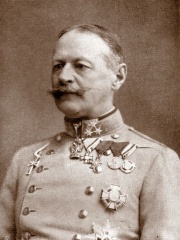
Alexander von Krobatin
1849 - 1933
HPI: 61.22
Rank: 11
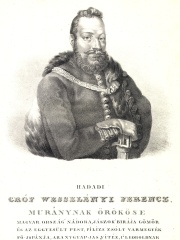
Ferenc Wesselényi
1605 - 1667
HPI: 60.07
Rank: 12
Moritz von Auffenberg
1852 - 1928
HPI: 58.74
Rank: 13