伴侣
Livia
58 BC - 29
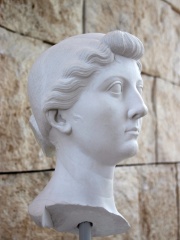
 Livia
Livia
莉薇婭·德鲁希拉(Livia Drusilla;前59年1月30日-29年),又称莉薇婭·德鲁莎·奧古斯塔(Livia Drusa Augusta)或朱莉婭·奧古斯塔(Julia Augusta),是羅馬帝國首任皇后,帝國開國皇帝奥古斯都(屋大維)的妻子。她是帝國早期最有權力的婦女,屋大維的许多国事都会与她商量。她是第二任皇帝提庇留(或譯提貝里)的母親,第四任皇帝克勞狄一世的祖母,第三任皇帝卡利古拉的曾祖母,以及第五任皇帝尼祿的高祖母。她被克勞狄一世所神格化,此后她获得了「奧古斯塔」之頭銜。 在维基百科上阅读更多
Her biography is available in 47 different languages on Wikipedia (up from 44 in 2024). Livia is the 32nd most popular 伴侣 (down from 25th in 2024), the 263rd most popular biography from Italy (down from 206th in 2019) and the 3rd most popular Italian 伴侣.
Livia is most famous for being the wife of Emperor Augustus and the mother of Emperor Tiberius.
Memorability Metrics
Page views of Livia by language
Among 伴侣
Among 伴侣, Livia ranks 32 out of 784. Before her are Henrietta Maria of France, Jacqueline Kennedy Onassis, Catherine Parr, Maria Theresa of Spain, Madame du Barry, and Carlota of Mexico. After her are Jane Seymour, Maria Feodorovna, Roxana, Melania Trump, Priscilla Presley, and Brigitte Macron.
Most Popular 伴侣 in Wikipedia
Go to all Rankings
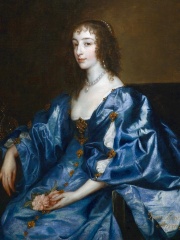
Henrietta Maria of France
1609 - 1669
HPI: 79.54
Rank: 26

Jacqueline Kennedy Onassis
1929 - 1994
HPI: 79.53
Rank: 27
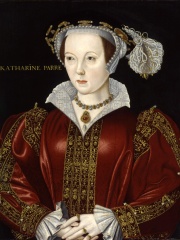
Catherine Parr
1512 - 1548
HPI: 79.40
Rank: 28
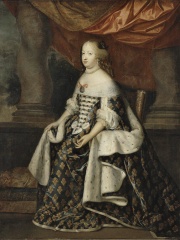
Maria Theresa of Spain
1638 - 1683
HPI: 79.37
Rank: 29
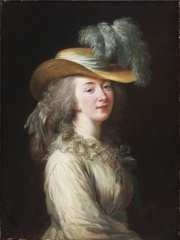
Madame du Barry
1743 - 1793
HPI: 79.29
Rank: 30
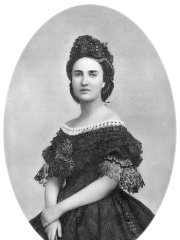
Carlota of Mexico
1840 - 1927
HPI: 79.22
Rank: 31
Livia
58 BC - 29
HPI: 78.80
Rank: 32
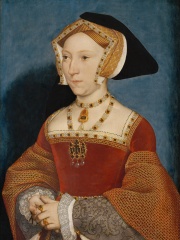
Jane Seymour
1508 - 1537
HPI: 78.59
Rank: 33
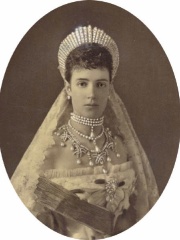
Maria Feodorovna
1847 - 1928
HPI: 78.58
Rank: 34
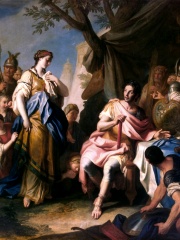
Roxana
347 BC - 310 BC
HPI: 78.55
Rank: 35
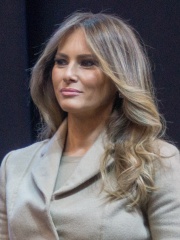
Melania Trump
1970 - Present
HPI: 78.51
Rank: 36

Priscilla Presley
1945 - Present
HPI: 78.46
Rank: 37

Brigitte Macron
1953 - Present
HPI: 78.36
Rank: 38

Contemporaries
Among people born in 58 BC, Livia ranks 1. After her is Dongmyeong of Goguryeo. Among people deceased in 29, Livia ranks 1.
Others Born in 58 BC
Go to all RankingsLivia
COMPANION
58 BC - 29
HPI: 78.80
Rank: 1
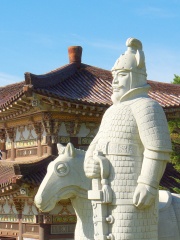
Dongmyeong of Goguryeo
POLITICIAN
58 BC - 19 BC
HPI: 71.66
Rank: 2
Others Deceased in 29
Go to all RankingsIn Italy
Among people born in Italy, Livia ranks 263 out of 5,161. Before her are Enrico Caruso (1873), Florianus (232), Gaius Marius (-157), Andrea Mantegna (1431), Pope Lucius II (1100), and Pope Gelasius I (410). After her are Servius Tullius (-600), Pope Honorius IV (1210), Pope Adrian II (792), Pope Paschal I (775), Pope Gelasius II (1062), and Catullus (-84).
Others born in Italy
Go to all Rankings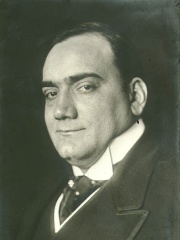
Enrico Caruso
SINGER
1873 - 1921
HPI: 78.95
Rank: 257
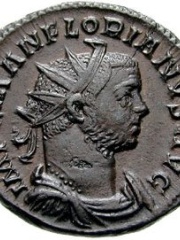
Florianus
POLITICIAN
232 - 276
HPI: 78.93
Rank: 258
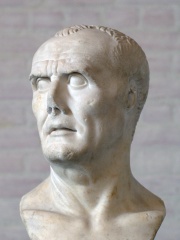
Gaius Marius
DIPLOMAT
157 BC - 86 BC
HPI: 78.88
Rank: 259
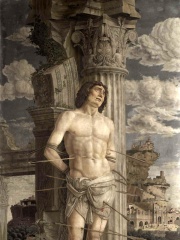
Andrea Mantegna
PAINTER
1431 - 1506
HPI: 78.87
Rank: 260
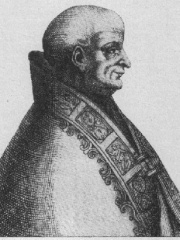
Pope Lucius II
RELIGIOUS FIGURE
1100 - 1145
HPI: 78.86
Rank: 261
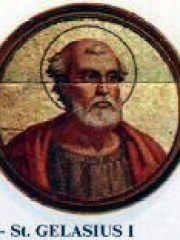
Pope Gelasius I
RELIGIOUS FIGURE
410 - 496
HPI: 78.82
Rank: 262
Livia
COMPANION
58 BC - 29
HPI: 78.80
Rank: 263
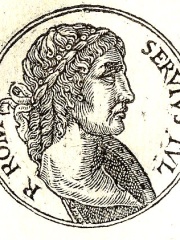
Servius Tullius
POLITICIAN
600 BC - 535 BC
HPI: 78.78
Rank: 264
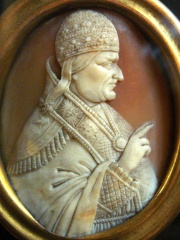
Pope Honorius IV
RELIGIOUS FIGURE
1210 - 1287
HPI: 78.74
Rank: 265
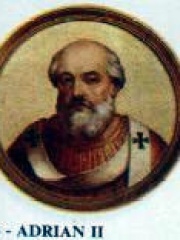
Pope Adrian II
RELIGIOUS FIGURE
792 - 872
HPI: 78.71
Rank: 266
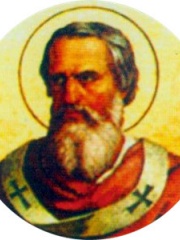
Pope Paschal I
RELIGIOUS FIGURE
775 - 824
HPI: 78.70
Rank: 267
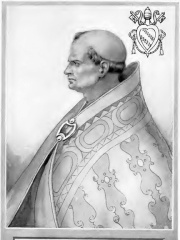
Pope Gelasius II
RELIGIOUS FIGURE
1062 - 1119
HPI: 78.70
Rank: 268
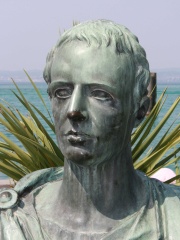
Catullus
WRITER
84 BC - 54 BC
HPI: 78.70
Rank: 269
Among 伴侣 In Italy
Among 伴侣 born in Italy, Livia ranks 3. Before her are Catherine de' Medici (1519), and Messalina (17). After her are Zita of Bourbon-Parma (1892), Maria Theresa of Naples and Sicily (1772), Julia (-76), Amalasuntha (495), Scribonia (-70), Julia the Elder (-39), Caterina Sforza (1463), Marie Adélaïde of Savoy (1685), and Maria Luisa of Parma (1751).
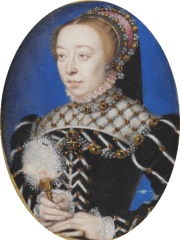
Catherine de' Medici
1519 - 1589
HPI: 83.94
Rank: 1
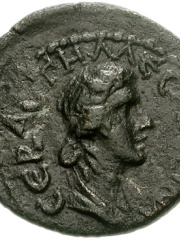
Messalina
17 - 48
HPI: 79.81
Rank: 2
Livia
58 BC - 29
HPI: 78.80
Rank: 3
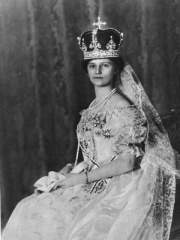
Zita of Bourbon-Parma
1892 - 1989
HPI: 78.14
Rank: 4
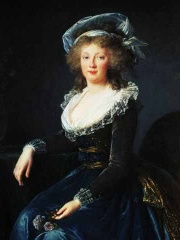
Maria Theresa of Naples and Sicily
1772 - 1807
HPI: 77.27
Rank: 5
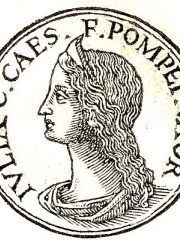
Julia
76 BC - 54 BC
HPI: 75.19
Rank: 6
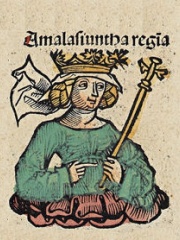
Amalasuntha
495 - 535
HPI: 75.18
Rank: 7
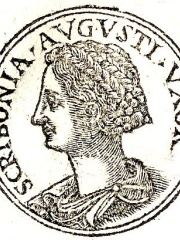
Scribonia
70 BC - 16
HPI: 73.96
Rank: 8
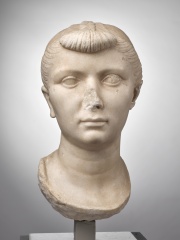
Julia the Elder
39 BC - 14
HPI: 73.42
Rank: 9
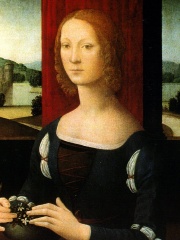
Caterina Sforza
1463 - 1509
HPI: 73.32
Rank: 10
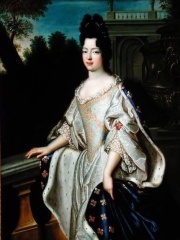
Marie Adélaïde of Savoy
1685 - 1712
HPI: 73.24
Rank: 11
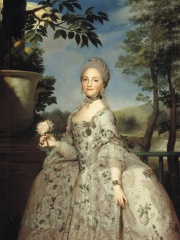
Maria Luisa of Parma
1751 - 1819
HPI: 72.95
Rank: 12