画家
Igor Grabar
1871 - 1960
ZH.WIKIPEDIA PAGE VIEWS (PV)
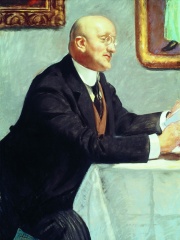
 Igor Grabar
伊戈尔·埃马努伊洛维奇·格拉巴里,或作格拉巴尔(俄語:И́горь Эммануи́лович Граба́рь,1871年3月25日—1960年5月16日)是一位俄羅斯后印象派画家、艺术家、教育家。 在维基百科上阅读更多
他的传记在维基百科上提供 26 种语言版本。Igor Grabar在最受欢迎的画家中排名第1452位(较 2024 年的第1401位下降),在匈牙利人物传记中排名第440位(较 2019 年的第391位下降),并在最受欢迎的匈牙利画家中排名第10位。
Memorability Metrics
Page views of Igor Grabar by language
Among 画家
Among 画家, Igor Grabar ranks 1,452 out of 2,023. Before him are Ker-Xavier Roussel, Antonio Ciseri, Antón Lamazares, Gim Hongdo, Zhang Daqian, and Alexey Bogolyubov. After him are Mårten Eskil Winge, Maria Lassnig, Rudolf von Alt, Jacob Maris, Edmond Aman-Jean, and Marie Vassilieff.
Most Popular 画家 in Wikipedia
Go to all Rankings
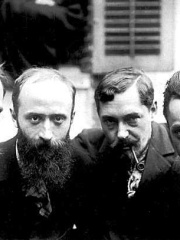
Ker-Xavier Roussel
1867 - 1944
HPI: 58.41
Rank: 1,446
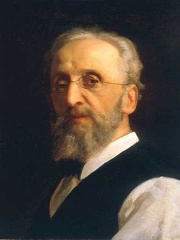
Antonio Ciseri
1821 - 1891
HPI: 58.40
Rank: 1,447
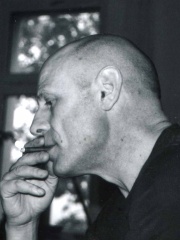
Antón Lamazares
1954 - Present
HPI: 58.40
Rank: 1,448
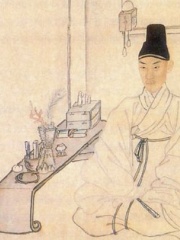
Gim Hongdo
1745 - 1806
HPI: 58.38
Rank: 1,449
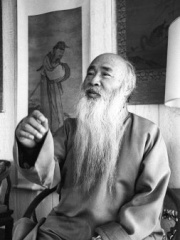
Zhang Daqian
1899 - 1983
HPI: 58.35
Rank: 1,450
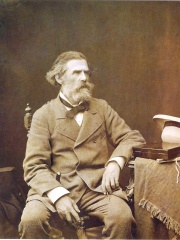
Alexey Bogolyubov
1824 - 1896
HPI: 58.35
Rank: 1,451
Igor Grabar
1871 - 1960
HPI: 58.35
Rank: 1,452
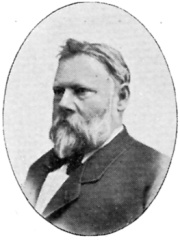
Mårten Eskil Winge
1825 - 1896
HPI: 58.33
Rank: 1,453
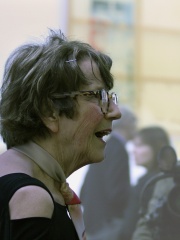
Maria Lassnig
1919 - 2014
HPI: 58.32
Rank: 1,454
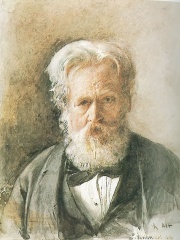
Rudolf von Alt
1812 - 1905
HPI: 58.31
Rank: 1,455
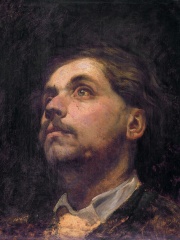
Jacob Maris
1837 - 1899
HPI: 58.30
Rank: 1,456
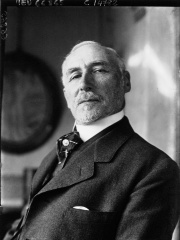
Edmond Aman-Jean
1858 - 1936
HPI: 58.28
Rank: 1,457
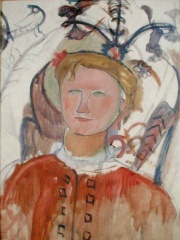
Marie Vassilieff
1884 - 1957
HPI: 58.27
Rank: 1,458

Contemporaries
Among people born in 1871, Igor Grabar ranks 111. Before him are José Enrique Rodó, Lottie Dod, Dénes Berinkey, Emily Carr, Kōtoku Shūsui, and Fyodor Dan. After him are Zacharia Paliashvili, Afonso Costa, Olga Preobrajenska, Walter Breisky, Nicholas Adontz, and Florence R. Sabin. Among people deceased in 1960, Igor Grabar ranks 145. Before him are Eduard Čech, Wu Lien-teh, Virginia Bolten, Hersch Lauterpacht, Walter Noddack, and James Montgomery Flagg. After him are Lya Mara, Arthur Benjamin, Charles Delporte, Ernst Wilhelm Bohle, Ken McArthur, and Oswald Veblen.
Others Born in 1871
Go to all Rankings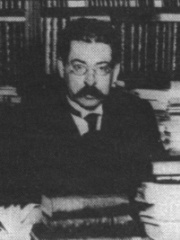
José Enrique Rodó
WRITER
1871 - 1917
HPI: 58.77
Rank: 105
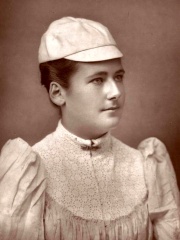
Lottie Dod
TENNIS PLAYER
1871 - 1960
HPI: 58.69
Rank: 106
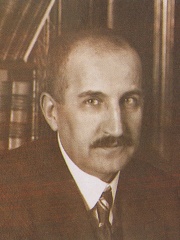
Dénes Berinkey
POLITICIAN
1871 - 1944
HPI: 58.54
Rank: 107
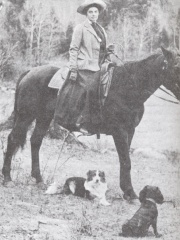
Emily Carr
PAINTER
1871 - 1945
HPI: 58.46
Rank: 108
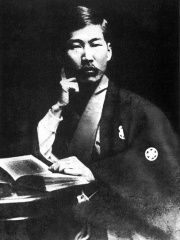
Kōtoku Shūsui
SOCIAL ACTIVIST
1871 - 1911
HPI: 58.40
Rank: 109
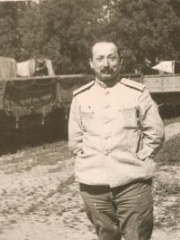
Fyodor Dan
POLITICIAN
1871 - 1947
HPI: 58.36
Rank: 110
Igor Grabar
PAINTER
1871 - 1960
HPI: 58.35
Rank: 111
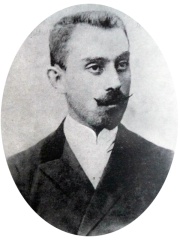
Zacharia Paliashvili
COMPOSER
1871 - 1933
HPI: 58.22
Rank: 112

Afonso Costa
ATHLETE
1871 - 1937
HPI: 58.17
Rank: 113
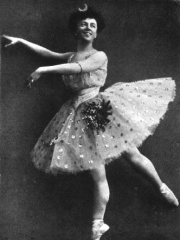
Olga Preobrajenska
DANCER
1871 - 1962
HPI: 57.99
Rank: 114
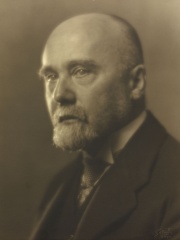
Walter Breisky
POLITICIAN
1871 - 1944
HPI: 57.91
Rank: 115
Nicholas Adontz
HISTORIAN
1871 - 1942
HPI: 57.87
Rank: 116
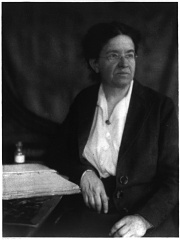
Florence R. Sabin
PHYSICIAN
1871 - 1953
HPI: 57.85
Rank: 117
Others Deceased in 1960
Go to all Rankings
Eduard Čech
MATHEMATICIAN
1893 - 1960
HPI: 58.56
Rank: 139
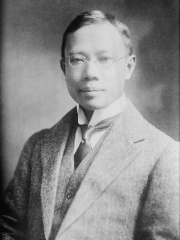
Wu Lien-teh
PHYSICIAN
1879 - 1960
HPI: 58.43
Rank: 140
Virginia Bolten
SOCIAL ACTIVIST
1876 - 1960
HPI: 58.42
Rank: 141
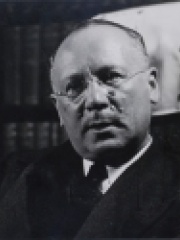
Hersch Lauterpacht
LAWYER
1897 - 1960
HPI: 58.40
Rank: 142
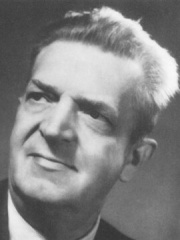
Walter Noddack
CHEMIST
1893 - 1960
HPI: 58.39
Rank: 143
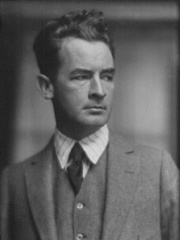
James Montgomery Flagg
ARTIST
1877 - 1960
HPI: 58.35
Rank: 144
Igor Grabar
PAINTER
1871 - 1960
HPI: 58.35
Rank: 145
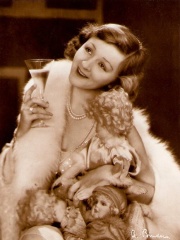
Lya Mara
ACTOR
1897 - 1960
HPI: 58.27
Rank: 146

Arthur Benjamin
COMPOSER
1893 - 1960
HPI: 58.26
Rank: 147
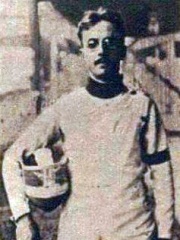
Charles Delporte
FENCER
1893 - 1960
HPI: 58.09
Rank: 148
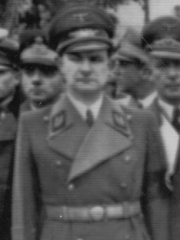
Ernst Wilhelm Bohle
POLITICIAN
1903 - 1960
HPI: 58.02
Rank: 149
Ken McArthur
ATHLETE
1881 - 1960
HPI: 57.93
Rank: 150
Oswald Veblen
MATHEMATICIAN
1880 - 1960
HPI: 57.93
Rank: 151
In 匈牙利
Among people born in 匈牙利, Igor Grabar ranks 440 out of NaN. Before him are Barbara Palvin (1993), Ferenc Kölcsey (1790), Lipót Baumhorn (1860), Milán Füst (1888), Július Torma (1922), and Máté Fenyvesi (1933). After him are Lajos Haynald (1816), Imre Makovecz (1935), Gyula Breyer (1893), Alfréd Haar (1885), Ödön Földessy (1929), and Éva Marton (1943).
Others born in 匈牙利
Go to all Rankings
Barbara Palvin
MODEL
1993 - Present
HPI: 58.52
Rank: 434
Ferenc Kölcsey
WRITER
1790 - 1838
HPI: 58.47
Rank: 435
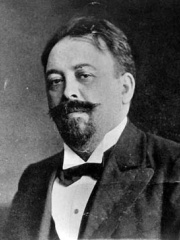
Lipót Baumhorn
ARCHITECT
1860 - 1932
HPI: 58.46
Rank: 436
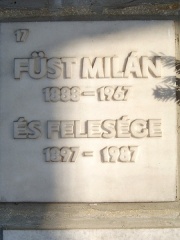
Milán Füst
WRITER
1888 - 1967
HPI: 58.43
Rank: 437
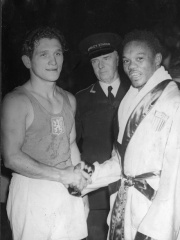
Július Torma
BOXER
1922 - 1991
HPI: 58.39
Rank: 438
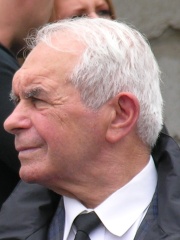
Máté Fenyvesi
SOCCER PLAYER
1933 - 2022
HPI: 58.37
Rank: 439
Igor Grabar
PAINTER
1871 - 1960
HPI: 58.35
Rank: 440
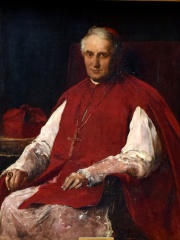
Lajos Haynald
RELIGIOUS FIGURE
1816 - 1891
HPI: 58.33
Rank: 441
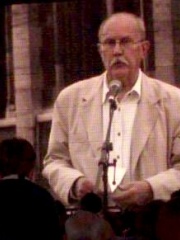
Imre Makovecz
ARCHITECT
1935 - 2011
HPI: 58.32
Rank: 442
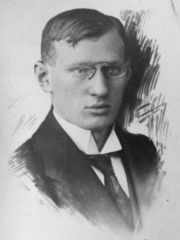
Gyula Breyer
POLITICIAN
1893 - 1921
HPI: 58.32
Rank: 443
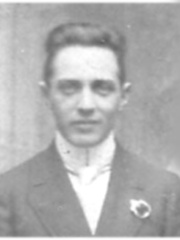
Alfréd Haar
MATHEMATICIAN
1885 - 1933
HPI: 58.31
Rank: 444
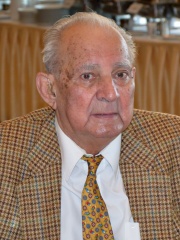
Ödön Földessy
ATHLETE
1929 - 2020
HPI: 58.30
Rank: 445

Éva Marton
SINGER
1943 - Present
HPI: 58.25
Rank: 446
Among 画家 In 匈牙利
Among 画家 born in 匈牙利, Igor Grabar ranks 10. Before him are Amrita Sher-Gil (1913), Gyula Benczúr (1844), Philip de László (1869), László Mednyánszky (1852), Vilmos Aba-Novák (1894), and József Rippl-Rónai (1861). After him are Lajos Tihanyi (1885), Katarina Ivanović (1811), and Ilka Gedő (1921).
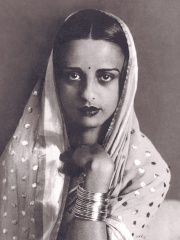
Amrita Sher-Gil
1913 - 1941
HPI: 62.46
Rank: 4
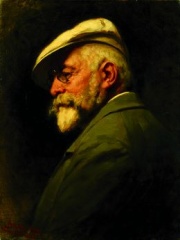
Gyula Benczúr
1844 - 1920
HPI: 61.66
Rank: 5
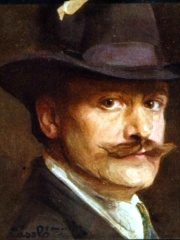
Philip de László
1869 - 1937
HPI: 61.63
Rank: 6
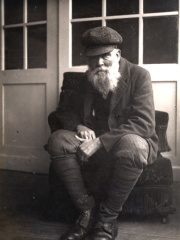
László Mednyánszky
1852 - 1919
HPI: 61.17
Rank: 7
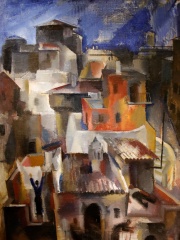
Vilmos Aba-Novák
1894 - 1941
HPI: 60.02
Rank: 8
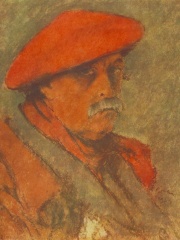
József Rippl-Rónai
1861 - 1927
HPI: 59.53
Rank: 9
Igor Grabar
1871 - 1960
HPI: 58.35
Rank: 10
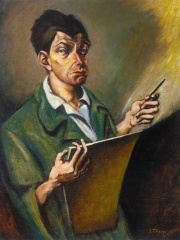
Lajos Tihanyi
1885 - 1938
HPI: 57.26
Rank: 11
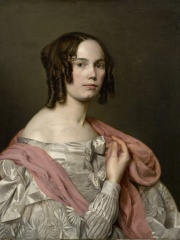
Katarina Ivanović
1811 - 1882
HPI: 56.42
Rank: 12
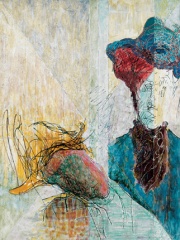
Ilka Gedő
1921 - 1985
HPI: 55.74
Rank: 13