政治家
Gaiseric
389 - 477
ZH.WIKIPEDIA PAGE VIEWS (PV)
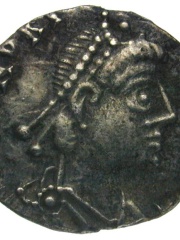
 Gaiseric
盖萨里克(Gaiseric,约389年—477年1月25日),其名意为“矛之王”,汪达尔人和阿兰人领袖(428年-477年在位),北非的征服者。 在维基百科上阅读更多
His biography is available in 60 different languages on Wikipedia (up from 57 in 2024). Gaiseric is the 317th most popular 政治家 (up from 642nd in 2024), the 4th most popular biography from Hungary (up from 19th in 2019) and the most popular Hungarian 政治家.
Gaiseric is most famous for conquering the Roman Empire in North Africa and establishing the Vandal Kingdom.
Memorability Metrics
Page views of Gaiseric by language
Among 政治家
Among 政治家, Gaiseric ranks 317 out of 19,576. Before him are Beatrix of the Netherlands, François Mitterrand, Konstantin Chernenko, Batu Khan, Alp Arslan, and Christian X of Denmark. After him are Charles VI, Holy Roman Emperor, Barack Obama, Toyotomi Hideyoshi, Syngman Rhee, Leo I the Thracian, and Theodoric the Great.
Most Popular 政治家 in Wikipedia
Go to all Rankings
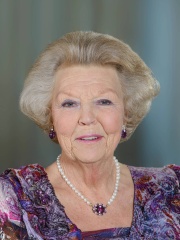
Beatrix of the Netherlands
1938 - Present
HPI: 81.24
Rank: 311
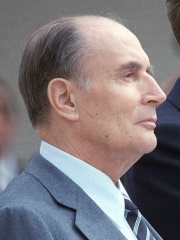
François Mitterrand
1916 - 1996
HPI: 81.24
Rank: 312
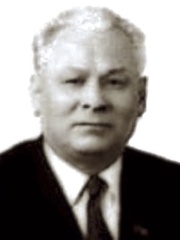
Konstantin Chernenko
1911 - 1985
HPI: 81.23
Rank: 313
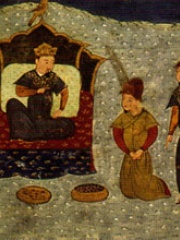
Batu Khan
1207 - 1255
HPI: 81.22
Rank: 314
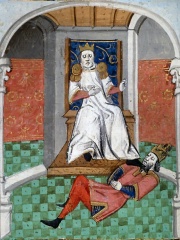
Alp Arslan
1029 - 1072
HPI: 81.18
Rank: 315
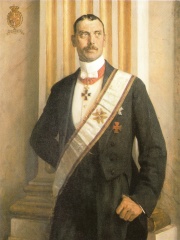
Christian X of Denmark
1870 - 1947
HPI: 81.17
Rank: 316
Gaiseric
389 - 477
HPI: 81.16
Rank: 317
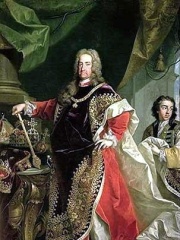
Charles VI, Holy Roman Emperor
1685 - 1740
HPI: 81.13
Rank: 318
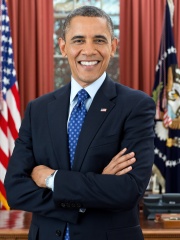
Barack Obama
1961 - Present
HPI: 81.12
Rank: 319
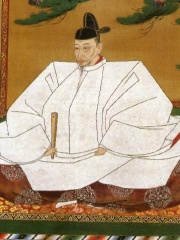
Toyotomi Hideyoshi
1536 - 1598
HPI: 81.12
Rank: 320
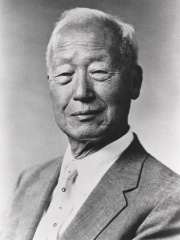
Syngman Rhee
1875 - 1965
HPI: 81.11
Rank: 321
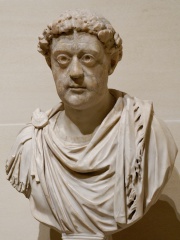
Leo I the Thracian
401 - 474
HPI: 81.08
Rank: 322
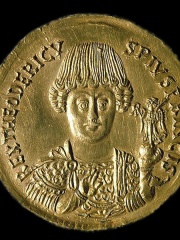
Theodoric the Great
454 - 526
HPI: 81.06
Rank: 323

Contemporaries
Among people born in 389, Gaiseric ranks 1. After him is Simeon Stylites. Among people deceased in 477, Gaiseric ranks 1. After him are Gunthamund, Basina of Thuringia, Pope Timothy II of Alexandria, and Munju of Baekje.
Others Born in 389
Go to all RankingsGaiseric
POLITICIAN
389 - 477
HPI: 81.16
Rank: 1
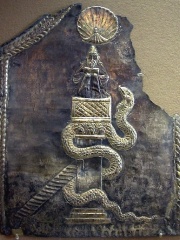
Simeon Stylites
RELIGIOUS FIGURE
389 - 459
HPI: 73.51
Rank: 2
Others Deceased in 477
Go to all RankingsGaiseric
POLITICIAN
389 - 477
HPI: 81.16
Rank: 1
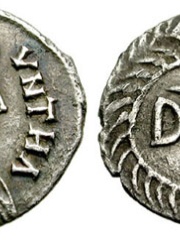
Gunthamund
POLITICIAN
450 - 477
HPI: 68.94
Rank: 2
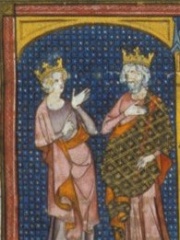
Basina of Thuringia
POLITICIAN
438 - 477
HPI: 65.10
Rank: 3

Pope Timothy II of Alexandria
RELIGIOUS FIGURE
HPI: 62.76
Rank: 4

Munju of Baekje
NOBLEMAN
HPI: 58.48
Rank: 5
In Hungary
Among people born in Hungary, Gaiseric ranks 4 out of 1,077. Before him are Ferenc Puskás (1927), Martin of Tours (316), and George Soros (1930). After him are Theodor Herzl (1860), Elizabeth Báthory (1560), Louis II of Hungary (1506), Rudolf Steiner (1861), Stephen I of Hungary (975), John von Neumann (1903), Ignaz Semmelweis (1818), and Matthias Corvinus (1443).
Others born in Hungary
Go to all Rankings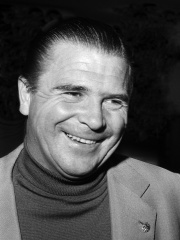
Ferenc Puskás
SOCCER PLAYER
1927 - 2006
HPI: 82.61
Rank: 1
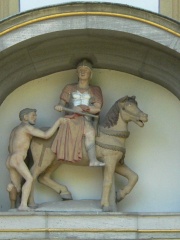
Martin of Tours
RELIGIOUS FIGURE
316 - 397
HPI: 81.41
Rank: 2
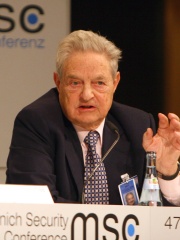
George Soros
BUSINESSPERSON
1930 - Present
HPI: 81.39
Rank: 3
Gaiseric
POLITICIAN
389 - 477
HPI: 81.16
Rank: 4
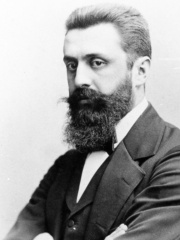
Theodor Herzl
WRITER
1860 - 1904
HPI: 81.04
Rank: 5
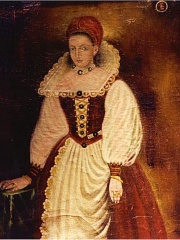
Elizabeth Báthory
EXTREMIST
1560 - 1614
HPI: 80.77
Rank: 6
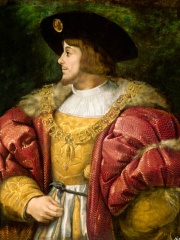
Louis II of Hungary
POLITICIAN
1506 - 1526
HPI: 80.54
Rank: 7
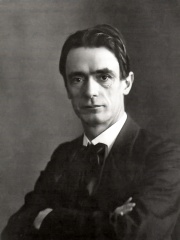
Rudolf Steiner
PHILOSOPHER
1861 - 1925
HPI: 80.38
Rank: 8
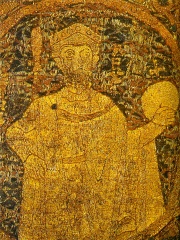
Stephen I of Hungary
POLITICIAN
975 - 1038
HPI: 80.19
Rank: 9

John von Neumann
MATHEMATICIAN
1903 - 1957
HPI: 79.93
Rank: 10
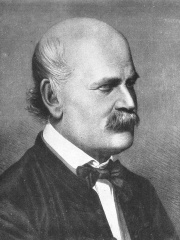
Ignaz Semmelweis
PHYSICIAN
1818 - 1865
HPI: 79.73
Rank: 11
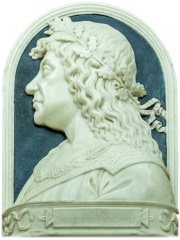
Matthias Corvinus
POLITICIAN
1443 - 1490
HPI: 79.23
Rank: 12
Among 政治家 In Hungary
Among 政治家 born in Hungary, Gaiseric ranks 1. After him are Louis II of Hungary (1506), Stephen I of Hungary (975), Matthias Corvinus (1443), Miklós Horthy (1868), Archduchess Marie Valerie of Austria (1868), Louis I of Hungary (1326), Imre Nagy (1896), Árpád (845), John Zápolya (1487), Jadwiga of Poland (1374), and Ladislaus the Posthumous (1440).
Gaiseric
389 - 477
HPI: 81.16
Rank: 1
Louis II of Hungary
1506 - 1526
HPI: 80.54
Rank: 2
Stephen I of Hungary
975 - 1038
HPI: 80.19
Rank: 3
Matthias Corvinus
1443 - 1490
HPI: 79.23
Rank: 4
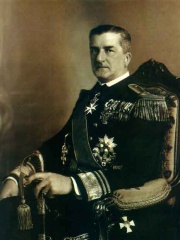
Miklós Horthy
1868 - 1957
HPI: 78.81
Rank: 5
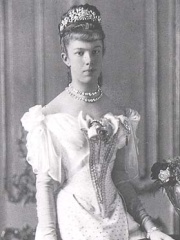
Archduchess Marie Valerie of Austria
1868 - 1924
HPI: 78.56
Rank: 6
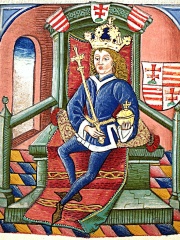
Louis I of Hungary
1326 - 1382
HPI: 78.33
Rank: 7
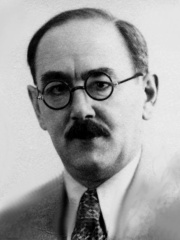
Imre Nagy
1896 - 1958
HPI: 77.93
Rank: 8
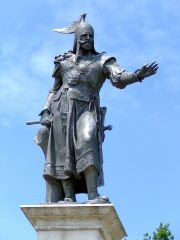
Árpád
845 - 907
HPI: 77.15
Rank: 9
John Zápolya
1487 - 1540
HPI: 76.89
Rank: 10
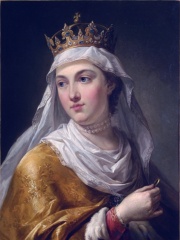
Jadwiga of Poland
1374 - 1399
HPI: 76.40
Rank: 11
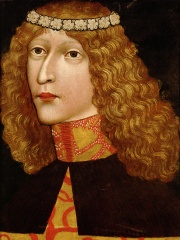
Ladislaus the Posthumous
1440 - 1457
HPI: 75.40
Rank: 12