作家
Dio Chrysostom
40 - 120

 Dio Chrysostom
金嘴狄翁(40年—115年)古希腊演说家、作家、犬儒學派哲学家、罗马帝国史学家,作品有80篇传世。早年因政治原因遭放逐,后因演说和哲学思想而知名,致力于在罗马帝国捍卫希腊的文化传统和伦理价值。 狄翁出身于比提尼亚境内普鲁萨城的贵族家庭。信仰斯多噶派哲学,受过良好教育,善于辞令,绰号“金嘴”。 在维基百科上阅读更多
His biography is available in 34 different languages on Wikipedia. Dio Chrysostom is the 759th most popular 作家 (up from 798th in 2024), the 324th most popular biography from Türkiye (up from 325th in 2019) and the 19th most popular Turkish 作家.
Dio chrysostom is most famous for his orations, which are speeches that he gave in front of the Roman emperor.
Memorability Metrics
Page views of Dio Chrysostom by language
Among 作家
Among 作家, Dio Chrysostom ranks 759 out of 7,302. Before him are Edmond de Goncourt, Natalia Ginzburg, Hugo Ball, Cao Xueqin, Ibn Hawqal, and Theognis of Megara. After him are Abu al-Ghazi Bahadur, Arto Paasilinna, Maurus Servius Honoratus, Harry Mulisch, V. S. Naipaul, and Charles Maurras.
Most Popular 作家 in Wikipedia
Go to all Rankings
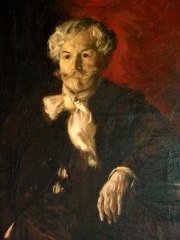
Edmond de Goncourt
1822 - 1896
HPI: 70.11
Rank: 753
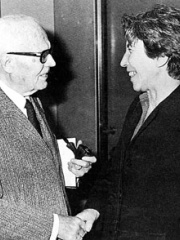
Natalia Ginzburg
1916 - 1991
HPI: 70.10
Rank: 754
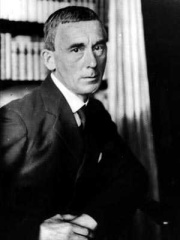
Hugo Ball
1886 - 1927
HPI: 70.09
Rank: 755
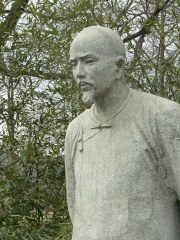
Cao Xueqin
1724 - 1763
HPI: 70.07
Rank: 756

Ibn Hawqal
943 - 988
HPI: 70.03
Rank: 757
Theognis of Megara
570 BC - 485 BC
HPI: 70.03
Rank: 758
Dio Chrysostom
40 - 120
HPI: 70.02
Rank: 759
Abu al-Ghazi Bahadur
1603 - 1664
HPI: 70.02
Rank: 760
Arto Paasilinna
1942 - 2018
HPI: 70.00
Rank: 761
Maurus Servius Honoratus
363 - 301
HPI: 69.97
Rank: 762
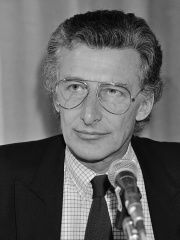
Harry Mulisch
1927 - 2010
HPI: 69.95
Rank: 763
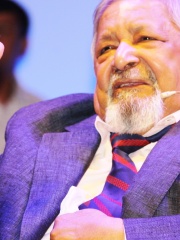
V. S. Naipaul
1932 - 2018
HPI: 69.95
Rank: 764
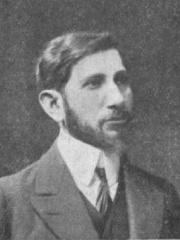
Charles Maurras
1868 - 1952
HPI: 69.94
Rank: 765

Contemporaries
Among people born in 40, Dio Chrysostom ranks 6. Before him are Pope Clement I, Pedanius Dioscorides, Statius, Martial, and Claudia Octavia. After him are Gnaeus Julius Agricola, Lucius Licinius Sura, and Lucius Flavius Silva. Among people deceased in 120, Dio Chrysostom ranks 3. Before him are Tacitus, and Nicomachus. After him is Gaius Octavius Tidius Tossianus Lucius Javolenus Priscus.
Others Born in 40
Go to all Rankings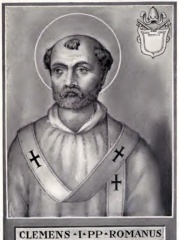
Pope Clement I
RELIGIOUS FIGURE
40 - 99
HPI: 86.00
Rank: 1
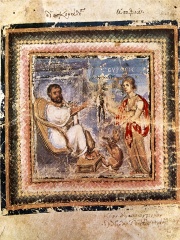
Pedanius Dioscorides
PHYSICIAN
40 - 90
HPI: 77.86
Rank: 2
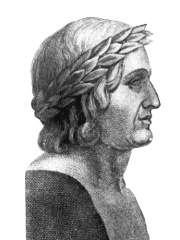
Statius
WRITER
40 - 96
HPI: 73.28
Rank: 3
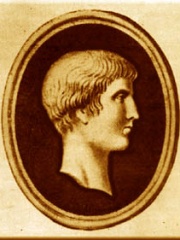
Martial
WRITER
40 - 104
HPI: 72.33
Rank: 4
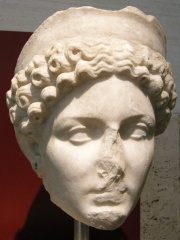
Claudia Octavia
POLITICIAN
40 - 62
HPI: 71.26
Rank: 5
Dio Chrysostom
WRITER
40 - 120
HPI: 70.02
Rank: 6
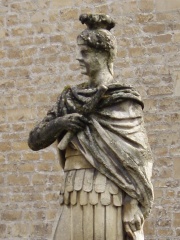
Gnaeus Julius Agricola
MILITARY PERSONNEL
40 - 93
HPI: 68.92
Rank: 7
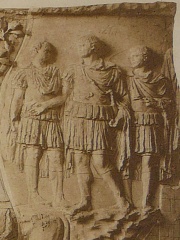
Lucius Licinius Sura
POLITICIAN
40 - 108
HPI: 62.22
Rank: 8
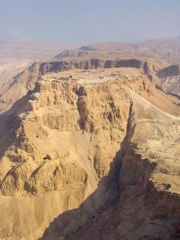
Lucius Flavius Silva
MILITARY PERSONNEL
40 - 81
HPI: 59.96
Rank: 9
Others Deceased in 120
Go to all Rankings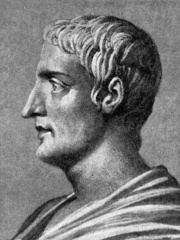
Tacitus
HISTORIAN
54 - 120
HPI: 82.21
Rank: 1
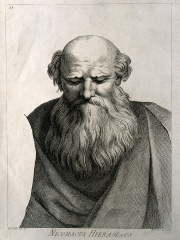
Nicomachus
MATHEMATICIAN
60 - 120
HPI: 70.80
Rank: 2
Dio Chrysostom
WRITER
40 - 120
HPI: 70.02
Rank: 3

Gaius Octavius Tidius Tossianus Lucius Javolenus Priscus
POLITICIAN
60 - 120
HPI: 60.03
Rank: 4
In Türkiye
Among people born in Türkiye, Dio Chrysostom ranks 324 out of 1,347. Before him are Pithana (-1800), Ayşe Sultan (1541), Attalus II Philadelphus (-220), Eudokia Makrembolitissa (1021), Bülent Ecevit (1925), and Ibn Hawqal (943). After him are Gennadius Scholarius (1400), Theophilus of Antioch (140), Andronikos V Palaiologos (1400), Calouste Gulbenkian (1869), Michael IV the Paphlagonian (1010), and Andranik (1865).
Others born in Türkiye
Go to all Rankings
Pithana
POLITICIAN
1800 BC - 1700 BC
HPI: 70.19
Rank: 318

Ayşe Sultan
POLITICIAN
1541 - Present
HPI: 70.13
Rank: 319
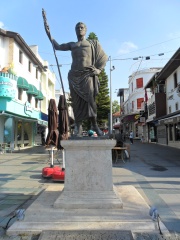
Attalus II Philadelphus
POLITICIAN
220 BC - 138 BC
HPI: 70.12
Rank: 320
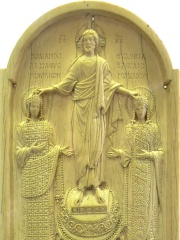
Eudokia Makrembolitissa
POLITICIAN
1021 - 1096
HPI: 70.11
Rank: 321
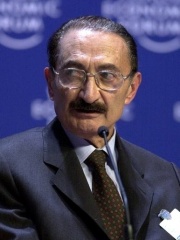
Bülent Ecevit
POLITICIAN
1925 - 2006
HPI: 70.07
Rank: 322
Ibn Hawqal
WRITER
943 - 988
HPI: 70.03
Rank: 323
Dio Chrysostom
WRITER
40 - 120
HPI: 70.02
Rank: 324
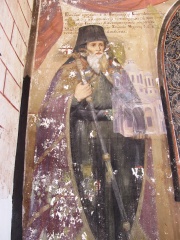
Gennadius Scholarius
PHILOSOPHER
1400 - 1473
HPI: 70.01
Rank: 325
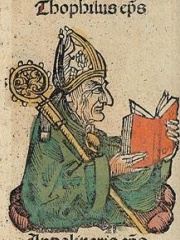
Theophilus of Antioch
RELIGIOUS FIGURE
140 - 183
HPI: 69.99
Rank: 326
Andronikos V Palaiologos
POLITICIAN
1400 - 1407
HPI: 69.99
Rank: 327
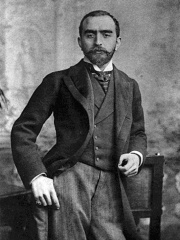
Calouste Gulbenkian
BUSINESSPERSON
1869 - 1955
HPI: 69.95
Rank: 328
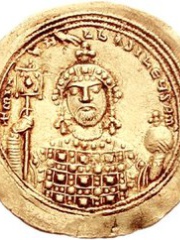
Michael IV the Paphlagonian
POLITICIAN
1010 - 1041
HPI: 69.95
Rank: 329
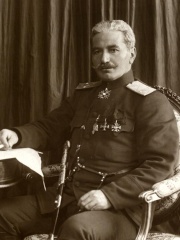
Andranik
MILITARY PERSONNEL
1865 - 1927
HPI: 69.92
Rank: 330
Among 作家 In Türkiye
Among 作家 born in Türkiye, Dio Chrysostom ranks 19. Before him are André Chénier (1762), Aratus (-315), Gregory of Narek (951), Kassia (810), Theodore the Studite (759), and Ibn Hawqal (943). After him are Bar Hebraeus (1226), Theodoret (393), Zenodotus (-330), Artemidorus (200), Aristophanes of Byzantium (-257), and George of Pisidia (580).
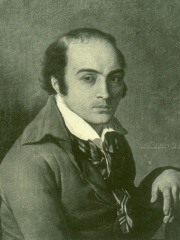
André Chénier
1762 - 1794
HPI: 71.30
Rank: 13
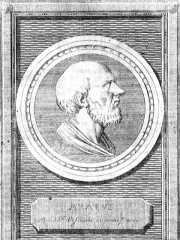
Aratus
315 BC - 240 BC
HPI: 71.21
Rank: 14
Gregory of Narek
951 - 1003
HPI: 70.76
Rank: 15
Kassia
810 - 865
HPI: 70.48
Rank: 16
Theodore the Studite
759 - 826
HPI: 70.35
Rank: 17
Ibn Hawqal
943 - 988
HPI: 70.03
Rank: 18
Dio Chrysostom
40 - 120
HPI: 70.02
Rank: 19

Bar Hebraeus
1226 - 1286
HPI: 69.57
Rank: 20
Theodoret
393 - 458
HPI: 69.51
Rank: 21

Zenodotus
330 BC - 260 BC
HPI: 68.83
Rank: 22

Artemidorus
200 - 200
HPI: 68.61
Rank: 23

Aristophanes of Byzantium
257 BC - 180 BC
HPI: 68.58
Rank: 24

George of Pisidia
580 - 634
HPI: 68.27
Rank: 25