政治家
Ariel Sharon
1928 - 2014
ZH.WIKIPEDIA PAGE VIEWS (PV)
 Ariel Sharon
Memorability Metrics
Page views of Ariel Sharon by language
Among 政治家
Among 政治家, Ariel Sharon ranks 340 out of 19,576. Before him are Oliver Cromwell, Philip II of France, Cleisthenes, Helmut Kohl, Georgy Zhukov, and Philip IV of Spain. After him are Probus, Martin Bormann, Odoacer, Vajiralongkorn, Nicholas I of Russia, and Theodore Roosevelt.
Most Popular 政治家 in Wikipedia
Go to all Rankings
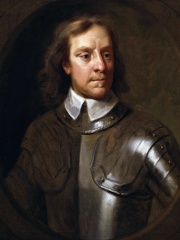
Oliver Cromwell
1599 - 1658
HPI: 80.90
Rank: 334
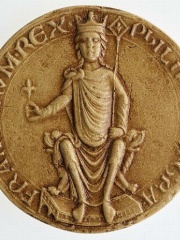
Philip II of France
1165 - 1223
HPI: 80.85
Rank: 335
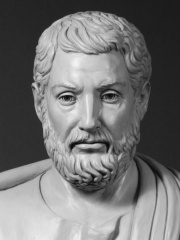
Cleisthenes
565 BC - 492 BC
HPI: 80.84
Rank: 336
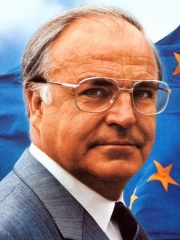
Helmut Kohl
1930 - 2017
HPI: 80.84
Rank: 337
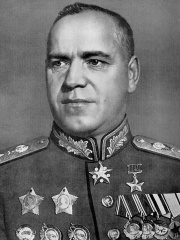
Georgy Zhukov
1896 - 1974
HPI: 80.82
Rank: 338
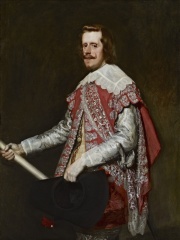
Philip IV of Spain
1605 - 1665
HPI: 80.78
Rank: 339
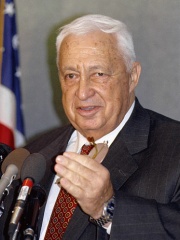
Ariel Sharon
1928 - 2014
HPI: 80.78
Rank: 340
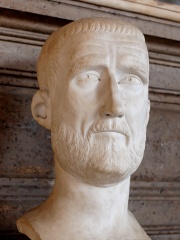
Probus
232 - 282
HPI: 80.76
Rank: 341
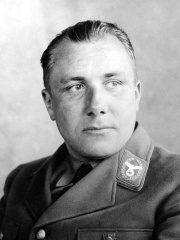
Martin Bormann
1900 - 1945
HPI: 80.75
Rank: 342
Odoacer
433 - 493
HPI: 80.74
Rank: 343
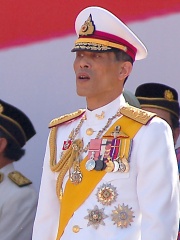
Vajiralongkorn
1952 - Present
HPI: 80.73
Rank: 344
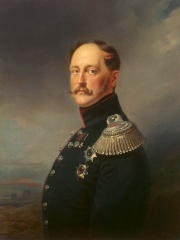
Nicholas I of Russia
1796 - 1855
HPI: 80.72
Rank: 345

Theodore Roosevelt
1858 - 1919
HPI: 80.67
Rank: 346

Contemporaries
Among people born in 1928, Ariel Sharon ranks 8. Before him are John Forbes Nash Jr., James Watson, Andy Warhol, Hosni Mubarak, Ennio Morricone, and Stanley Kubrick. After him are Noam Chomsky, Eduard Shevardnadze, Jean-Marie Le Pen, Chinghiz Aitmatov, Serge Gainsbourg, and Karlheinz Stockhausen. Among people deceased in 2014, Ariel Sharon ranks 5. Before him are Gabriel García Márquez, Alfredo Di Stéfano, Robin Williams, and Eusébio. After him are Eduard Shevardnadze, Hiroo Onoda, Gough Whitlam, Claudio Abbado, Wojciech Jaruzelski, Nadine Gordimer, and Eli Wallach.
Others Born in 1928
Go to all Rankings
John Forbes Nash Jr.
MATHEMATICIAN
1928 - 2015
HPI: 85.78
Rank: 2

James Watson
BIOLOGIST
1928 - 2025
HPI: 83.14
Rank: 3
Andy Warhol
ARTIST
1928 - 1987
HPI: 82.94
Rank: 4
Hosni Mubarak
POLITICIAN
1928 - 2020
HPI: 82.43
Rank: 5
Ennio Morricone
COMPOSER
1928 - 2020
HPI: 81.73
Rank: 6

Stanley Kubrick
FILM DIRECTOR
1928 - 1999
HPI: 81.71
Rank: 7
Ariel Sharon
POLITICIAN
1928 - 2014
HPI: 80.78
Rank: 8
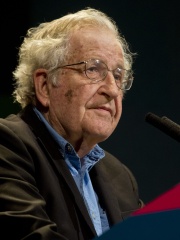
Noam Chomsky
LINGUIST
1928 - Present
HPI: 79.50
Rank: 9
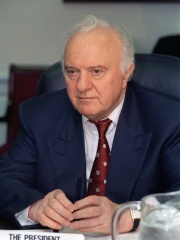
Eduard Shevardnadze
POLITICIAN
1928 - 2014
HPI: 79.00
Rank: 10
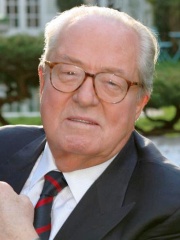
Jean-Marie Le Pen
POLITICIAN
1928 - 2025
HPI: 78.64
Rank: 11
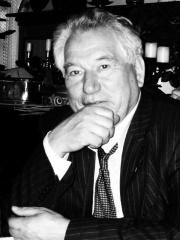
Chinghiz Aitmatov
WRITER
1928 - 2008
HPI: 77.57
Rank: 12

Serge Gainsbourg
SINGER
1928 - 1991
HPI: 77.43
Rank: 13

Karlheinz Stockhausen
COMPOSER
1928 - 2007
HPI: 76.38
Rank: 14
Others Deceased in 2014
Go to all Rankings
Gabriel García Márquez
WRITER
1927 - 2014
HPI: 86.19
Rank: 1
Alfredo Di Stéfano
SOCCER PLAYER
1926 - 2014
HPI: 81.89
Rank: 2
Robin Williams
COMEDIAN
1951 - 2014
HPI: 81.66
Rank: 3
Eusébio
SOCCER PLAYER
1942 - 2014
HPI: 81.41
Rank: 4
Ariel Sharon
POLITICIAN
1928 - 2014
HPI: 80.78
Rank: 5
Eduard Shevardnadze
POLITICIAN
1928 - 2014
HPI: 79.00
Rank: 6
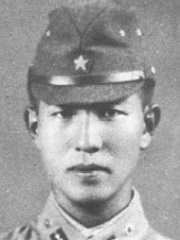
Hiroo Onoda
MILITARY PERSONNEL
1922 - 2014
HPI: 77.98
Rank: 7
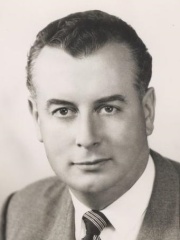
Gough Whitlam
POLITICIAN
1916 - 2014
HPI: 76.74
Rank: 8
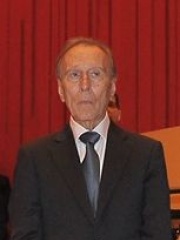
Claudio Abbado
CONDUCTOR
1933 - 2014
HPI: 76.41
Rank: 9
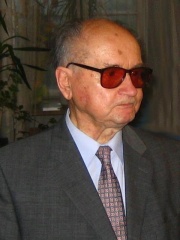
Wojciech Jaruzelski
POLITICIAN
1923 - 2014
HPI: 76.03
Rank: 10
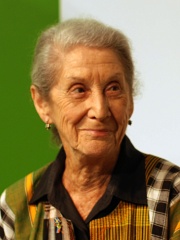
Nadine Gordimer
WRITER
1923 - 2014
HPI: 75.27
Rank: 11
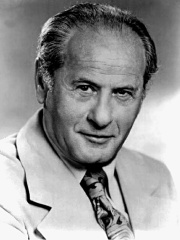
Eli Wallach
ACTOR
1915 - 2014
HPI: 74.35
Rank: 12
In 以色列
Among people born in 以色列, Ariel Sharon ranks 27 out of NaN. Before him are Bartholomew the Apostle (-100), Saul (-1079), Jude the Apostle (15), Ezekiel (-621), Josephus (37), and Simon the Zealot (1). After him are Yitzhak Rabin (1922), Mahmoud Abbas (1935), Amalric of Jerusalem (1136), Salome (14), Amin al-Husseini (1895), and Joachim (-100).
Others born in 以色列
Go to all Rankings
Bartholomew the Apostle
RELIGIOUS FIGURE
100 BC - 100
HPI: 82.57
Rank: 21

Saul
RELIGIOUS FIGURE
1079 BC - 1010 BC
HPI: 81.96
Rank: 22
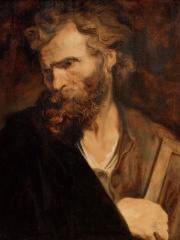
Jude the Apostle
RELIGIOUS FIGURE
15 - 70
HPI: 81.66
Rank: 23
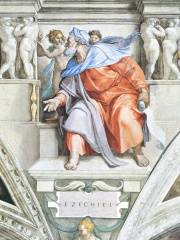
Ezekiel
RELIGIOUS FIGURE
621 BC - 569 BC
HPI: 81.57
Rank: 24
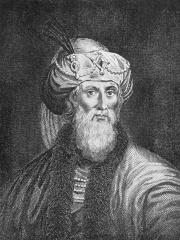
Josephus
HISTORIAN
37 - 100
HPI: 80.94
Rank: 25

Simon the Zealot
RELIGIOUS FIGURE
1 - 107
HPI: 80.92
Rank: 26
Ariel Sharon
POLITICIAN
1928 - 2014
HPI: 80.78
Rank: 27
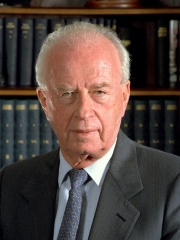
Yitzhak Rabin
POLITICIAN
1922 - 1995
HPI: 80.27
Rank: 28
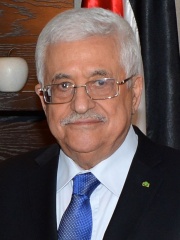
Mahmoud Abbas
POLITICIAN
1935 - Present
HPI: 79.90
Rank: 29
Amalric of Jerusalem
POLITICIAN
1136 - 1174
HPI: 79.76
Rank: 30
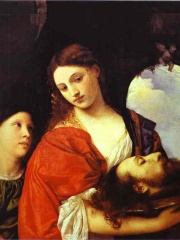
Salome
RELIGIOUS FIGURE
14 - 100
HPI: 79.59
Rank: 31
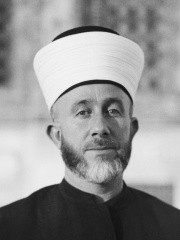
Amin al-Husseini
POLITICIAN
1895 - 1974
HPI: 79.22
Rank: 32
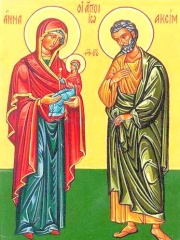
Joachim
RELIGIOUS FIGURE
100 BC - 10 BC
HPI: 78.87
Rank: 33
Among 政治家 In 以色列
Among 政治家 born in 以色列, Ariel Sharon ranks 4. Before him are Herod the Great (-73), Baldwin IV of Jerusalem (1161), and Benjamin Netanyahu (1949). After him are Yitzhak Rabin (1922), Mahmoud Abbas (1935), Amalric of Jerusalem (1136), Amin al-Husseini (1895), Herod Antipas (-20), Baldwin V of Jerusalem (1177), Sibylla, Queen of Jerusalem (1160), and Moshe Dayan (1915).
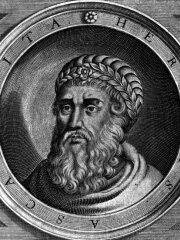
Herod the Great
73 BC - 3 BC
HPI: 84.23
Rank: 1
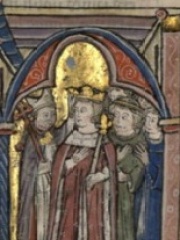
Baldwin IV of Jerusalem
1161 - 1185
HPI: 83.71
Rank: 2
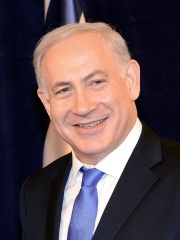
Benjamin Netanyahu
1949 - Present
HPI: 82.66
Rank: 3
Ariel Sharon
1928 - 2014
HPI: 80.78
Rank: 4
Yitzhak Rabin
1922 - 1995
HPI: 80.27
Rank: 5
Mahmoud Abbas
1935 - Present
HPI: 79.90
Rank: 6
Amalric of Jerusalem
1136 - 1174
HPI: 79.76
Rank: 7
Amin al-Husseini
1895 - 1974
HPI: 79.22
Rank: 8
Herod Antipas
20 BC - 39
HPI: 78.77
Rank: 9
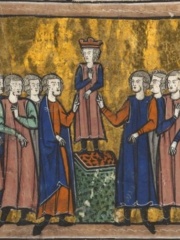
Baldwin V of Jerusalem
1177 - 1186
HPI: 78.73
Rank: 10
Sibylla, Queen of Jerusalem
1160 - 1190
HPI: 78.66
Rank: 11
Moshe Dayan
1915 - 1981
HPI: 78.14
Rank: 12