Политик
Seleucus II Callinicus
265 BC - 225 BC
RU.WIKIPEDIA PAGE VIEWS (PV)
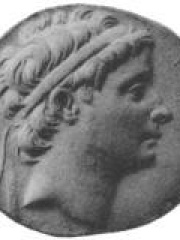
 Seleucus II Callinicus
Его биография доступна на 45 различных языках в Википедии. Seleucus II Callinicus занимает 2425-е место среди самых популярных политик (снижение с 2202-е места в 2024 году), занимает 282-е место среди самых популярных биографий из Турции (снижение с 268-е места в 2019 году) и занимает 152-е место среди политик Турция.
Memorability Metrics
Page views of Seleucus II Callinicus by language
Among Политик
Among политик, Seleucus II Callinicus ranks 2,425 out of 19,576. Before him are Guntram, Empress Lü, Susilo Bambang Yudhoyono, Walther Rathenau, Sekhemkhet, and Hugh, Count of Vermandois. After him are Charles Edward Stuart, Isaac Herzog, Emperor Huizong of Song, Ólafur Ragnar Grímsson, Maria Christina of Austria, and Demetris Christofias.
Most Popular Политик in Wikipedia
Go to all Rankings
Guntram
532 - 592
HPI: 71.04
Rank: 2,420
Empress Lü
241 BC - 180 BC
HPI: 71.03
Rank: 2,421
Susilo Bambang Yudhoyono
1949 - Present
HPI: 71.03
Rank: 2,422
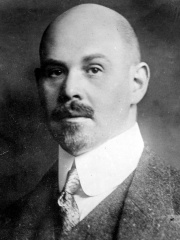
Walther Rathenau
1867 - 1922
HPI: 71.03
Rank: 2,423
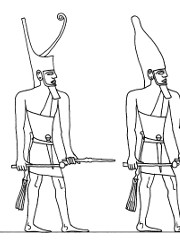
Sekhemkhet
2800 BC - 2700 BC
HPI: 71.03
Rank: 2,424
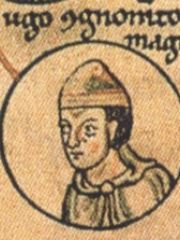
Hugh, Count of Vermandois
1057 - 1101
HPI: 71.03
Rank: 2,425
Seleucus II Callinicus
265 BC - 225 BC
HPI: 71.03
Rank: 2,426
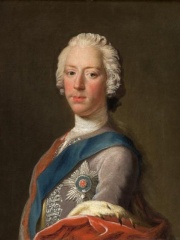
Charles Edward Stuart
1720 - 1788
HPI: 71.03
Rank: 2,427

Isaac Herzog
1960 - Present
HPI: 71.02
Rank: 2,428
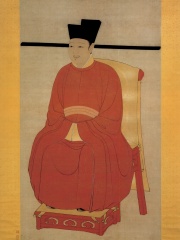
Emperor Huizong of Song
1082 - 1135
HPI: 71.02
Rank: 2,429
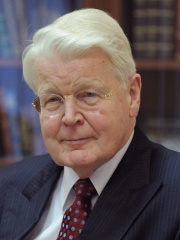
Ólafur Ragnar Grímsson
1943 - Present
HPI: 71.02
Rank: 2,430
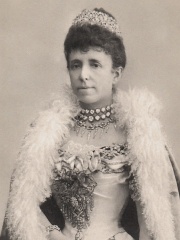
Maria Christina of Austria
1858 - 1929
HPI: 71.02
Rank: 2,431
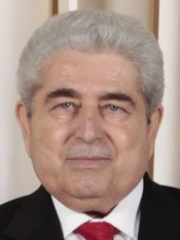
Demetris Christofias
1946 - 2019
HPI: 71.02
Rank: 2,432

Contemporaries
Among people born in 265 BC, Seleucus II Callinicus ranks 1. After him are Agis IV, Gaius Flaminius, and Gnaeus Cornelius Scipio Calvus. Among people deceased in 225 BC, Seleucus II Callinicus ranks 1.
Others Born in 265 BC
Go to all RankingsSeleucus II Callinicus
POLITICIAN
265 BC - 225 BC
HPI: 71.03
Rank: 1
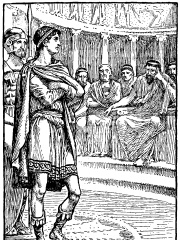
Agis IV
POLITICIAN
265 BC - 241 BC
HPI: 68.51
Rank: 2
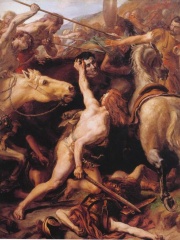
Gaius Flaminius
POLITICIAN
265 BC - 217 BC
HPI: 68.26
Rank: 3

Gnaeus Cornelius Scipio Calvus
POLITICIAN
265 BC - 211 BC
HPI: 66.53
Rank: 4
Others Deceased in 225 BC
Go to all RankingsIn Турция
Among people born in Турция, Seleucus II Callinicus ranks 282 out of NaN. Before him are Aratus (-315), Michael IX Palaiologos (1277), Flavian of Constantinople (380), Lydia of Thyatira (100), Tansu Çiller (1946), and Ctesias (-440). After him are Alexander of Aphrodisias (200), Vitiges (475), Celâl Bayar (1883), Eumenes (-362), Strato of Lampsacus (-335), and Germanus I of Constantinople (634).
Others born in Турция
Go to all Rankings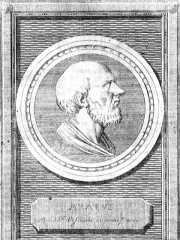
Aratus
WRITER
315 BC - 240 BC
HPI: 71.21
Rank: 276
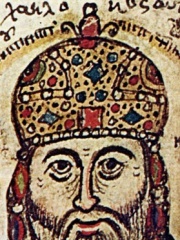
Michael IX Palaiologos
POLITICIAN
1277 - 1320
HPI: 71.14
Rank: 277
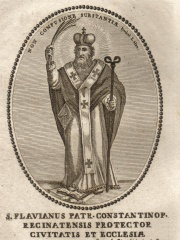
Flavian of Constantinople
RELIGIOUS FIGURE
380 - 449
HPI: 71.12
Rank: 278
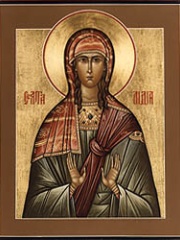
Lydia of Thyatira
RELIGIOUS FIGURE
100 - 100
HPI: 71.10
Rank: 279
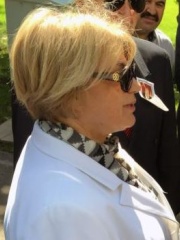
Tansu Çiller
ECONOMIST
1946 - Present
HPI: 71.07
Rank: 280

Ctesias
PHYSICIAN
440 BC - 400 BC
HPI: 71.06
Rank: 281
Seleucus II Callinicus
POLITICIAN
265 BC - 225 BC
HPI: 71.03
Rank: 282
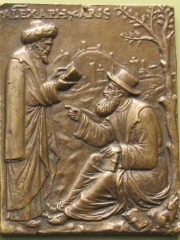
Alexander of Aphrodisias
PHILOSOPHER
200 - 215
HPI: 71.01
Rank: 283
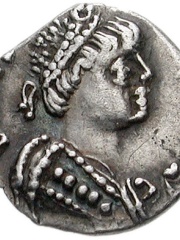
Vitiges
POLITICIAN
475 - 542
HPI: 70.97
Rank: 284
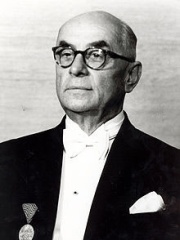
Celâl Bayar
POLITICIAN
1883 - 1986
HPI: 70.92
Rank: 285
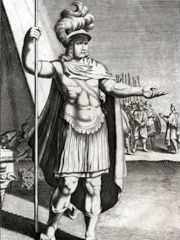
Eumenes
MILITARY PERSONNEL
362 BC - 316 BC
HPI: 70.85
Rank: 286
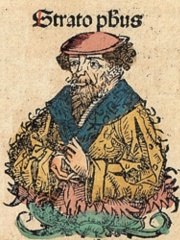
Strato of Lampsacus
PHILOSOPHER
335 BC - 269 BC
HPI: 70.83
Rank: 287
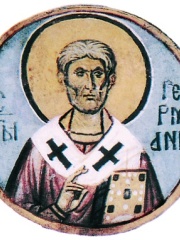
Germanus I of Constantinople
RELIGIOUS FIGURE
634 - 733
HPI: 70.82
Rank: 288
Among Политик In Турция
Among политик born in Турция, Seleucus II Callinicus ranks 152. Before him are Theophanu (960), Adnan Menderes (1899), Phorcys (null), Anchises (null), Dardanus (null), and Michael IX Palaiologos (1277). After him are Vitiges (475), Celâl Bayar (1883), Kemal Kılıçdaroğlu (1948), John VII Palaiologos (1370), Andronikos IV Palaiologos (1348), and Julius Martov (1873).
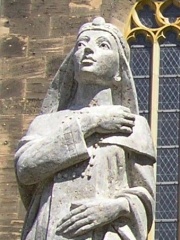
Theophanu
960 - 990
HPI: 71.58
Rank: 146
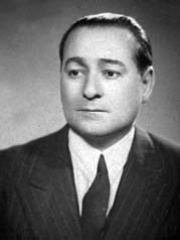
Adnan Menderes
1899 - 1961
HPI: 71.51
Rank: 147
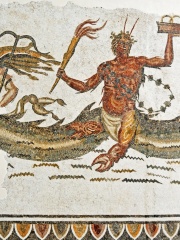
Phorcys
HPI: 71.45
Rank: 148
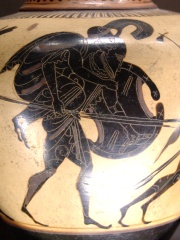
Anchises
HPI: 71.30
Rank: 149

Dardanus
HPI: 71.28
Rank: 150
Michael IX Palaiologos
1277 - 1320
HPI: 71.14
Rank: 151
Seleucus II Callinicus
265 BC - 225 BC
HPI: 71.03
Rank: 152
Vitiges
475 - 542
HPI: 70.97
Rank: 153
Celâl Bayar
1883 - 1986
HPI: 70.92
Rank: 154
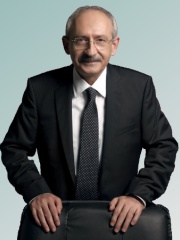
Kemal Kılıçdaroğlu
1948 - Present
HPI: 70.77
Rank: 155
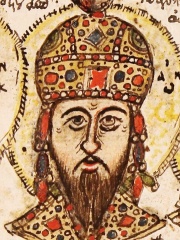
John VII Palaiologos
1370 - 1408
HPI: 70.77
Rank: 156
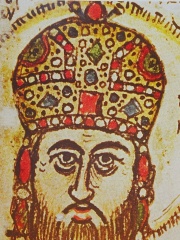
Andronikos IV Palaiologos
1348 - 1385
HPI: 70.76
Rank: 157
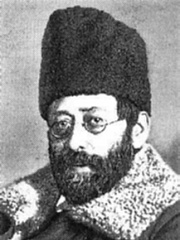
Julius Martov
1873 - 1923
HPI: 70.72
Rank: 158