Политик
Болсонару, Жаир
1955 - настоящее время
RU.WIKIPEDIA PAGE VIEWS (PV)
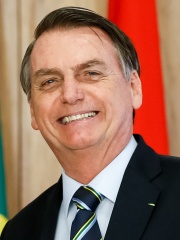

 Болсонару, Жаир
Его биография доступна на 122 различных языках в Википедии (снижение с 123 в 2024 году). Болсонару, Жаир занимает 1044-е место среди самых популярных политик (снижение с 721-е места в 2024 году), занимает 12-е место среди самых популярных биографий из Бразилии (снижение с 11-е места в 2019 году) и занимает 4-е место среди политик Бразилия.
Memorability Metrics
Page views of Болсонару, Жаир by language
Among Политик
Among политик, Болсонару, Жаир ranks 1,044 out of 19,576. Before him are Adolphe Thiers, Edmund Burke, Constantine II, Maria Luisa of Spain, Eleanor of Austria, and John I Tzimiskes. After him are Henry VII, Holy Roman Emperor, Tiberius Gracchus, Seqenenre Tao, William III of the Netherlands, Galla Placidia, and Gordian II.
Most Popular Политик in Wikipedia
Go to all Rankings
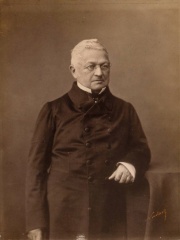
Adolphe Thiers
1797 - 1877
HPI: 75.69
Rank: 1,038
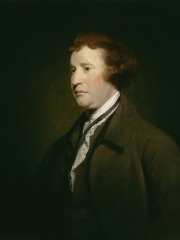
Edmund Burke
1729 - 1797
HPI: 75.69
Rank: 1,039
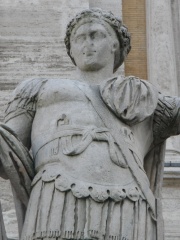
Constantine II
316 - 340
HPI: 75.68
Rank: 1,040
Maria Luisa of Spain
1745 - 1792
HPI: 75.67
Rank: 1,041
Eleanor of Austria
1498 - 1558
HPI: 75.65
Rank: 1,042

John I Tzimiskes
925 - 976
HPI: 75.65
Rank: 1,043
Jair Bolsonaro
1955 - Present
HPI: 75.65
Rank: 1,044
Henry VII, Holy Roman Emperor
1275 - 1313
HPI: 75.64
Rank: 1,045
Tiberius Gracchus
163 BC - 133 BC
HPI: 75.64
Rank: 1,046
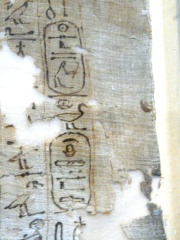
Seqenenre Tao
1600 BC - 1600 BC
HPI: 75.63
Rank: 1,047
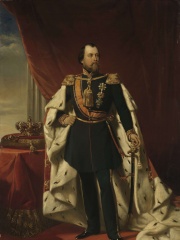
William III of the Netherlands
1817 - 1890
HPI: 75.63
Rank: 1,048
Galla Placidia
388 - 450
HPI: 75.63
Rank: 1,049
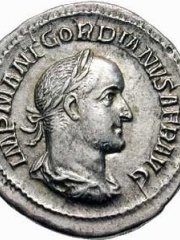
Gordian II
190 - 238
HPI: 75.62
Rank: 1,050

Contemporaries
Among people born in 1955, Болсонару, Жаир ranks 13. Before him are Friedrich Merz, Michel Platini, Kevin Costner, Rowan Atkinson, Pietro Parolin, and Bill Paxton. After him are Tim Berners-Lee, Henri, Grand Duke of Luxembourg, Karl-Heinz Rummenigge, Ornella Muti, Akira Toriyama, and Hassan Sheikh Mohamud.
Others Born in 1955
Go to all Rankings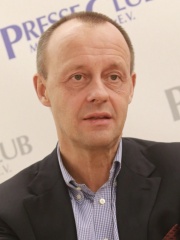
Friedrich Merz
POLITICIAN
1955 - Present
HPI: 78.54
Rank: 7

Michel Platini
SOCCER PLAYER
1955 - Present
HPI: 78.26
Rank: 8
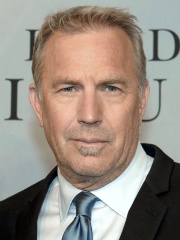
Kevin Costner
ACTOR
1955 - Present
HPI: 77.79
Rank: 9
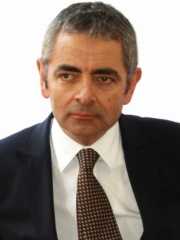
Rowan Atkinson
ACTOR
1955 - Present
HPI: 77.56
Rank: 10
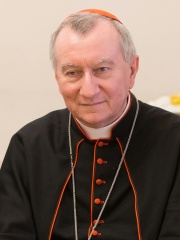
Pietro Parolin
RELIGIOUS FIGURE
1955 - Present
HPI: 76.84
Rank: 11

Bill Paxton
ACTOR
1955 - 2017
HPI: 76.24
Rank: 12
Jair Bolsonaro
POLITICIAN
1955 - Present
HPI: 75.65
Rank: 13

Tim Berners-Lee
COMPUTER SCIENTIST
1955 - Present
HPI: 75.05
Rank: 14
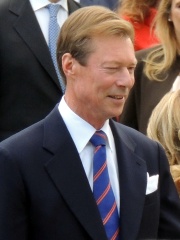
Henri, Grand Duke of Luxembourg
NOBLEMAN
1955 - Present
HPI: 74.84
Rank: 15
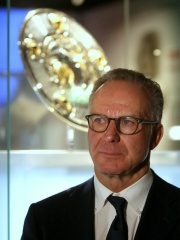
Karl-Heinz Rummenigge
SOCCER PLAYER
1955 - Present
HPI: 74.28
Rank: 16

Ornella Muti
ACTOR
1955 - Present
HPI: 74.06
Rank: 17

Akira Toriyama
COMIC ARTIST
1955 - 2024
HPI: 73.99
Rank: 18
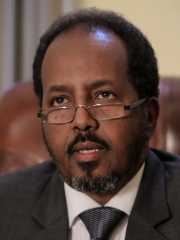
Hassan Sheikh Mohamud
POLITICIAN
1955 - Present
HPI: 73.56
Rank: 19
In Бразилия
Among people born in Бразилия, Болсонару, Жаир ranks 12 out of NaN. Before him are Oscar Niemeyer (1907), Zico (1953), Ronaldo (1976), Dilma Rousseff (1947), Pedro II of Brazil (1825), and Mário Zagallo (1931). After him are Sebastião Salgado (1944), Jairzinho (1944), Sócrates (1954), Didi (1928), Rivellino (1946), and Nelson Piquet (1952).
Others born in Бразилия
Go to all Rankings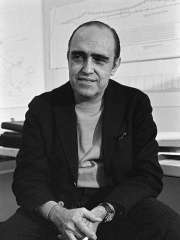
Oscar Niemeyer
ARCHITECT
1907 - 2012
HPI: 78.24
Rank: 6
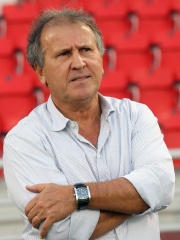
Zico
SOCCER PLAYER
1953 - Present
HPI: 77.97
Rank: 7

Ronaldo
SOCCER PLAYER
1976 - Present
HPI: 77.58
Rank: 8
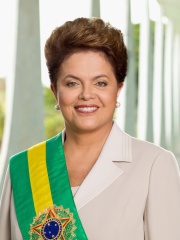
Dilma Rousseff
POLITICIAN
1947 - Present
HPI: 77.08
Rank: 9
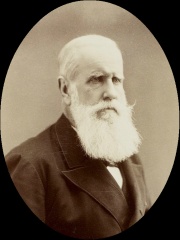
Pedro II of Brazil
POLITICIAN
1825 - 1891
HPI: 76.55
Rank: 10
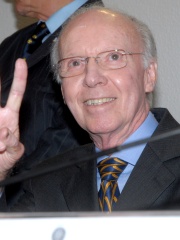
Mário Zagallo
SOCCER PLAYER
1931 - 2024
HPI: 75.76
Rank: 11
Jair Bolsonaro
POLITICIAN
1955 - Present
HPI: 75.65
Rank: 12
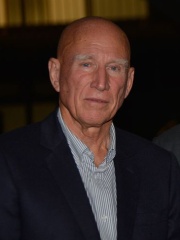
Sebastião Salgado
JOURNALIST
1944 - 2025
HPI: 75.59
Rank: 13
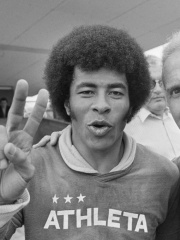
Jairzinho
SOCCER PLAYER
1944 - Present
HPI: 75.49
Rank: 14
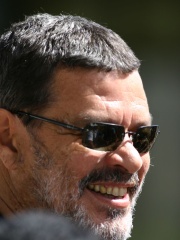
Sócrates
SOCCER PLAYER
1954 - 2011
HPI: 75.47
Rank: 15
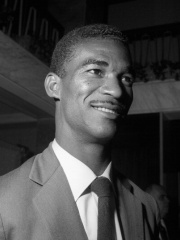
Didi
SOCCER PLAYER
1928 - 2001
HPI: 75.31
Rank: 16
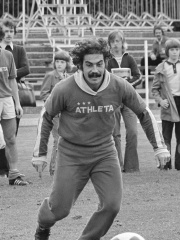
Rivellino
SOCCER PLAYER
1946 - Present
HPI: 75.24
Rank: 17
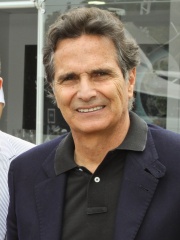
Nelson Piquet
RACING DRIVER
1952 - Present
HPI: 74.83
Rank: 18
Among Политик In Бразилия
Among политик born in Бразилия, Болсонару, Жаир ranks 4. Before him are Luiz Inácio Lula da Silva (1945), Dilma Rousseff (1947), and Pedro II of Brazil (1825). After him are Getúlio Vargas (1882), Michel Temer (1940), Maria II of Portugal (1819), Juscelino Kubitschek (1902), Fernando Henrique Cardoso (1931), Humberto de Alencar Castelo Branco (1897), João Goulart (1918), and Deodoro da Fonseca (1827).
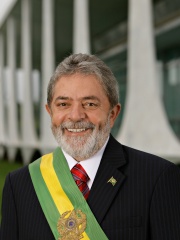
Luiz Inácio Lula da Silva
1945 - Present
HPI: 81.43
Rank: 1
Dilma Rousseff
1947 - Present
HPI: 77.08
Rank: 2
Pedro II of Brazil
1825 - 1891
HPI: 76.55
Rank: 3
Jair Bolsonaro
1955 - Present
HPI: 75.65
Rank: 4
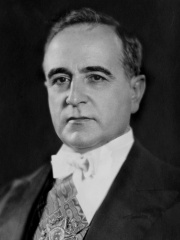
Getúlio Vargas
1882 - 1954
HPI: 74.28
Rank: 5
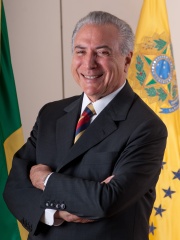
Michel Temer
1940 - Present
HPI: 73.35
Rank: 6
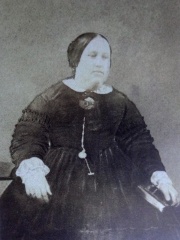
Maria II of Portugal
1819 - 1853
HPI: 73.31
Rank: 7
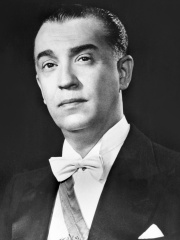
Juscelino Kubitschek
1902 - 1976
HPI: 70.43
Rank: 8
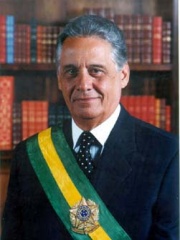
Fernando Henrique Cardoso
1931 - Present
HPI: 69.65
Rank: 9
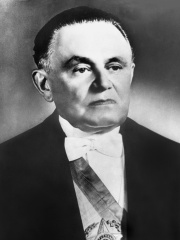
Humberto de Alencar Castelo Branco
1897 - 1967
HPI: 69.35
Rank: 10
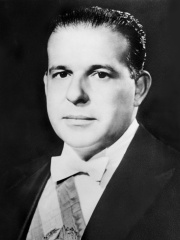
João Goulart
1918 - 1976
HPI: 69.32
Rank: 11
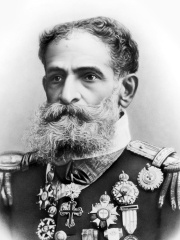
Deodoro da Fonseca
1827 - 1892
HPI: 68.92
Rank: 12




