Политик
Euphronios
520 BC - 470 BC
RU.WIKIPEDIA PAGE VIEWS (PV)
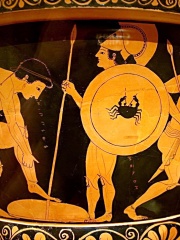
 Euphronios
Евфро́ний (др.-греч. Εὐφρόνιος) — древнегреческий аттический вазописец и гончар конца VI — начала V века до н. э., крупнейший представитель «строгого стиля» и группы вазописцев-пионеров. Возможно, Ефроний начинал работать в чернофигурной технике. Подробнее в Википедии
Его биография доступна на 26 различных языках в Википедии. Euphronios занимает 5405-е место среди самых популярных политик (снижение с 4424-е места в 2024 году), занимает 311-е место среди самых популярных биографий из Греции (снижение с 274-е места в 2019 году) и занимает 134-е место среди политик Греция.
Memorability Metrics
Page views of Euphronios by language
Among Политик
Among политик, Euphronios ranks 5,405 out of 19,576. Before him are Argishti I of Urartu, Nariman Narimanov, Pedro Calungsod, Marcus Aurelius Marius, Henri Christophe, and Solamish. After him are Walid Jumblatt, Hedju Hor, Bernhardus Varenius, Sylvanus Olympio, Danilo, Crown Prince of Montenegro, and Phoenix.
Most Popular Политик in Wikipedia
Go to all Rankings
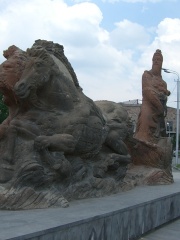
Argishti I of Urartu
827 BC - 764 BC
HPI: 66.04
Rank: 5,401
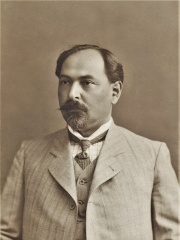
Nariman Narimanov
1870 - 1925
HPI: 66.04
Rank: 5,402
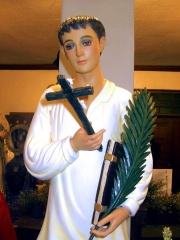
Pedro Calungsod
1654 - 1672
HPI: 66.04
Rank: 5,403
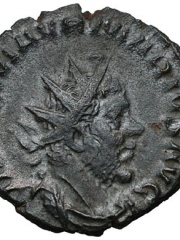
Marcus Aurelius Marius
250 - 269
HPI: 66.03
Rank: 5,404
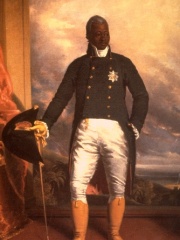
Henri Christophe
1767 - 1820
HPI: 66.03
Rank: 5,405
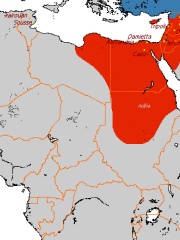
Solamish
1272 - 1291
HPI: 66.03
Rank: 5,406
Euphronios
520 BC - 470 BC
HPI: 66.03
Rank: 5,407
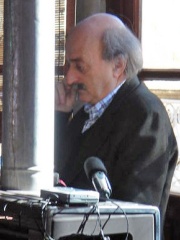
Walid Jumblatt
1949 - Present
HPI: 66.02
Rank: 5,408
Hedju Hor
3200 BC - Present
HPI: 66.02
Rank: 5,409

Bernhardus Varenius
1622 - 1650
HPI: 66.02
Rank: 5,410
Sylvanus Olympio
1902 - 1963
HPI: 66.02
Rank: 5,411
Danilo, Crown Prince of Montenegro
1871 - 1939
HPI: 66.02
Rank: 5,412
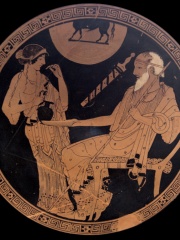
Phoenix
HPI: 66.02
Rank: 5,413

Contemporaries
Among people born in 520 BC, Euphronios ranks 1. After him is Cleostratus. Among people deceased in 470 BC, Euphronios ranks 3. Before him are Heraclitus, and Parmenides.
Others Born in 520 BC
Go to all RankingsEuphronios
POLITICIAN
520 BC - 470 BC
HPI: 66.03
Rank: 1

Cleostratus
ASTRONOMER
520 BC - 432 BC
HPI: 61.07
Rank: 2
Others Deceased in 470 BC
Go to all Rankings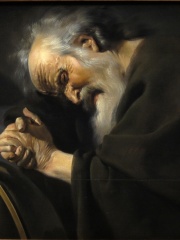
Heraclitus
PHILOSOPHER
535 BC - 470 BC
HPI: 89.05
Rank: 1
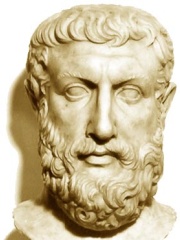
Parmenides
PHILOSOPHER
501 BC - 470 BC
HPI: 84.47
Rank: 2
Euphronios
POLITICIAN
520 BC - 470 BC
HPI: 66.03
Rank: 3
In Греция
Among people born in Греция, Euphronios ranks 311 out of NaN. Before him are Princess Margarita of Greece and Denmark (1905), Piri Mehmed Pasha (1458), Princess Irene, Duchess of Aosta (1904), Timoleon (-411), Loukas Notaras (1402), and Andronikos Palaiologos (1400). After him are Joseph II of Constantinople (1360), Ageladas (-600), Cleisthenes of Sicyon (-701), Aristyllus (-400), Cylon of Athens (-700), and Yanni (1954).
Others born in Греция
Go to all Rankings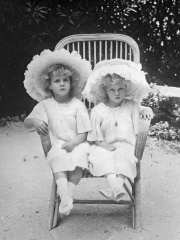
Princess Margarita of Greece and Denmark
POLITICIAN
1905 - 1981
HPI: 66.24
Rank: 305
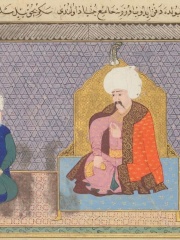
Piri Mehmed Pasha
POLITICIAN
1458 - 1532
HPI: 66.23
Rank: 306
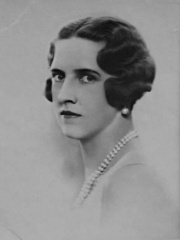
Princess Irene, Duchess of Aosta
COMPANION
1904 - 1974
HPI: 66.20
Rank: 307
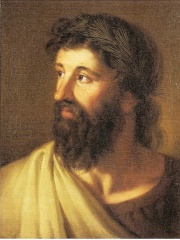
Timoleon
POLITICIAN
411 BC - 337 BC
HPI: 66.19
Rank: 308

Loukas Notaras
POLITICIAN
1402 - 1453
HPI: 66.19
Rank: 309
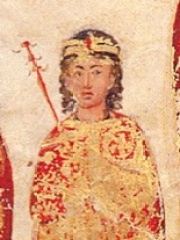
Andronikos Palaiologos
POLITICIAN
1400 - 1428
HPI: 66.19
Rank: 310
Euphronios
POLITICIAN
520 BC - 470 BC
HPI: 66.03
Rank: 311
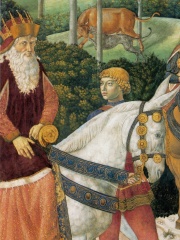
Joseph II of Constantinople
RELIGIOUS FIGURE
1360 - 1439
HPI: 66.01
Rank: 312

Ageladas
SCULPTOR
600 BC - 500 BC
HPI: 65.98
Rank: 313

Cleisthenes of Sicyon
POLITICIAN
701 BC - 600 BC
HPI: 65.95
Rank: 314

Aristyllus
MATHEMATICIAN
400 BC - 300 BC
HPI: 65.94
Rank: 315

Cylon of Athens
POLITICIAN
700 BC - 700 BC
HPI: 65.93
Rank: 316
Yanni
MUSICIAN
1954 - Present
HPI: 65.88
Rank: 317
Among Политик In Греция
Among политик born in Греция, Euphronios ranks 134. Before him are Machaon (null), Princess Margarita of Greece and Denmark (1905), Piri Mehmed Pasha (1458), Timoleon (-411), Loukas Notaras (1402), and Andronikos Palaiologos (1400). After him are Cleisthenes of Sicyon (-701), Cylon of Athens (-700), Lais of Corinth (-400), Cynisca (-430), Agis III (-350), and Pheidon (-700).

Machaon
HPI: 66.29
Rank: 128
Princess Margarita of Greece and Denmark
1905 - 1981
HPI: 66.24
Rank: 129
Piri Mehmed Pasha
1458 - 1532
HPI: 66.23
Rank: 130
Timoleon
411 BC - 337 BC
HPI: 66.19
Rank: 131
Loukas Notaras
1402 - 1453
HPI: 66.19
Rank: 132
Andronikos Palaiologos
1400 - 1428
HPI: 66.19
Rank: 133
Euphronios
520 BC - 470 BC
HPI: 66.03
Rank: 134
Cleisthenes of Sicyon
701 BC - 600 BC
HPI: 65.95
Rank: 135
Cylon of Athens
700 BC - 700 BC
HPI: 65.93
Rank: 136

Lais of Corinth
400 BC - 360 BC
HPI: 65.75
Rank: 137

Cynisca
430 BC - 389 BC
HPI: 65.57
Rank: 138

Agis III
350 BC - 331 BC
HPI: 65.51
Rank: 139
Pheidon
700 BC - 670 BC
HPI: 65.50
Rank: 140