Политик
Callias II
515 BC - 432 BC
RU.WIKIPEDIA PAGE VIEWS (PV)

 Callias II
Каллий Богатый (др.-греч. Καλλίας) — афинский государственный деятель и дипломат V века до н. э. Подробнее в Википедии
Его биография доступна на 26 различных языках в Википедии (рост с 24 в 2024 году). Callias II занимает 4612-е место среди самых популярных политик (снижение с 4494-е места в 2024 году), занимает 278-е место среди самых популярных биографий из Греции и занимает 115-е место среди политик Греция.
Memorability Metrics
Page views of Callias II by language
Among Политик
Among политик, Callias II ranks 4,612 out of 19,576. Before him are Gevherhan Sultan, Karl August, Grand Duke of Saxe-Weimar-Eisenach, Wenceslaus I, Duke of Luxembourg, Konishi Yukinaga, Ferdinand, Duke of Viseu, and Tzipi Livni. After him are Charles III, Duke of Lorraine, Sabuktigin, Emperor Ingyō, Grand Duke Nicholas Nikolaevich of Russia, Sam Nujoma, and George Read.
Most Popular Политик in Wikipedia
Go to all Rankings

Gevherhan Sultan
1544 - 1624
HPI: 67.06
Rank: 4,608
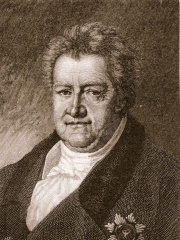
Karl August, Grand Duke of Saxe-Weimar-Eisenach
1757 - 1828
HPI: 67.06
Rank: 4,609
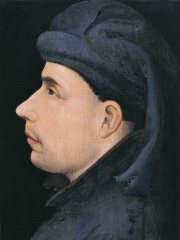
Wenceslaus I, Duke of Luxembourg
1337 - 1383
HPI: 67.06
Rank: 4,610
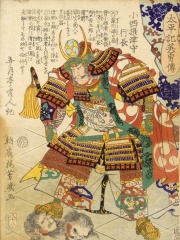
Konishi Yukinaga
1555 - 1600
HPI: 67.06
Rank: 4,611
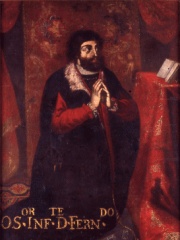
Ferdinand, Duke of Viseu
1433 - 1470
HPI: 67.06
Rank: 4,612
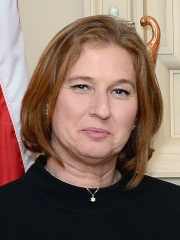
Tzipi Livni
1958 - Present
HPI: 67.06
Rank: 4,613
Callias II
515 BC - 432 BC
HPI: 67.05
Rank: 4,614
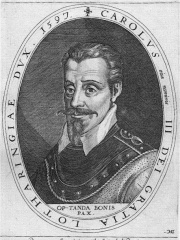
Charles III, Duke of Lorraine
1543 - 1608
HPI: 67.05
Rank: 4,615
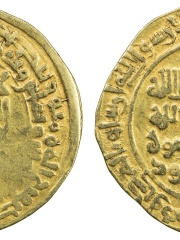
Sabuktigin
942 - 997
HPI: 67.05
Rank: 4,616
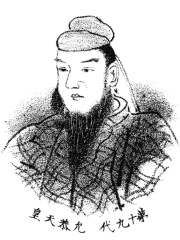
Emperor Ingyō
376 - 453
HPI: 67.05
Rank: 4,617
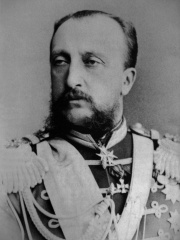
Grand Duke Nicholas Nikolaevich of Russia
1831 - 1891
HPI: 67.05
Rank: 4,618
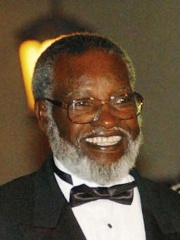
Sam Nujoma
1929 - 2025
HPI: 67.05
Rank: 4,619

George Read
1733 - 1798
HPI: 67.04
Rank: 4,620

Contemporaries
Among people born in 515 BC, Callias II ranks 1. Among people deceased in 432 BC, Callias II ranks 1. After him is Cleostratus.
Others Born in 515 BC
Go to all RankingsOthers Deceased in 432 BC
Go to all RankingsCallias II
POLITICIAN
515 BC - 432 BC
HPI: 67.05
Rank: 1

Cleostratus
ASTRONOMER
520 BC - 432 BC
HPI: 61.07
Rank: 2
In Греция
Among people born in Греция, Callias II ranks 278 out of NaN. Before him are Alexandros Papagos (1883), Philopoemen (-253), Theodoros Kolokotronis (1770), Anaxandridas II (-565), Arsinoe I (-305), and Princess Theodora of Greece and Denmark (1906). After him are Georgios Roubanis (1929), Ugo Foscolo (1778), Rigas Feraios (1757), Isidore of Kiev (1385), Perdiccas I of Macedon (-700), and Pelopidas (-450).
Others born in Греция
Go to all Rankings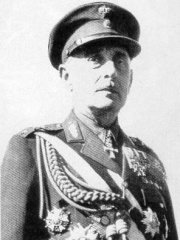
Alexandros Papagos
POLITICIAN
1883 - 1955
HPI: 67.16
Rank: 272
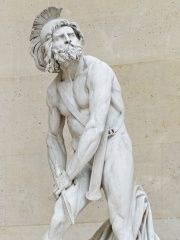
Philopoemen
POLITICIAN
253 BC - 183 BC
HPI: 67.15
Rank: 273
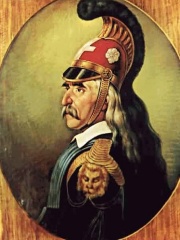
Theodoros Kolokotronis
MILITARY PERSONNEL
1770 - 1843
HPI: 67.14
Rank: 274

Anaxandridas II
POLITICIAN
565 BC - 525 BC
HPI: 67.10
Rank: 275
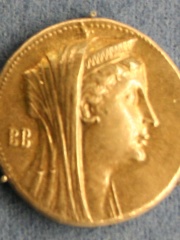
Arsinoe I
NOBLEMAN
305 BC - 248 BC
HPI: 67.09
Rank: 276
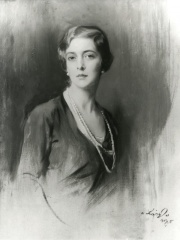
Princess Theodora of Greece and Denmark
POLITICIAN
1906 - 1969
HPI: 67.08
Rank: 277
Callias II
POLITICIAN
515 BC - 432 BC
HPI: 67.05
Rank: 278

Georgios Roubanis
ATHLETE
1929 - 2025
HPI: 67.00
Rank: 279
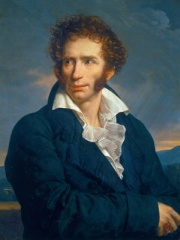
Ugo Foscolo
WRITER
1778 - 1827
HPI: 66.97
Rank: 280
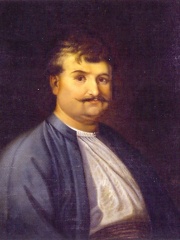
Rigas Feraios
WRITER
1757 - 1798
HPI: 66.95
Rank: 281
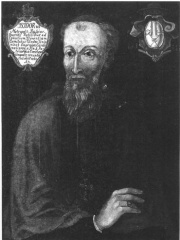
Isidore of Kiev
RELIGIOUS FIGURE
1385 - 1463
HPI: 66.86
Rank: 282
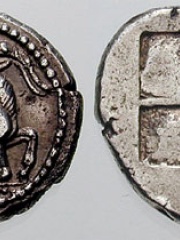
Perdiccas I of Macedon
POLITICIAN
700 BC - 700 BC
HPI: 66.83
Rank: 283
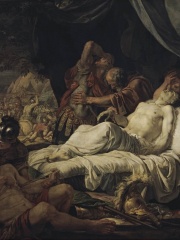
Pelopidas
POLITICIAN
450 BC - 364 BC
HPI: 66.83
Rank: 284
Among Политик In Греция
Among политик born in Греция, Callias II ranks 115. Before him are Pausanias of Sparta (null), Theodore Komnenos Doukas (1180), Alexandros Papagos (1883), Philopoemen (-253), Anaxandridas II (-565), and Princess Theodora of Greece and Denmark (1906). After him are Perdiccas I of Macedon (-700), Pelopidas (-450), Phocion (-402), Theramenes (-450), Alexander I of Epirus (-362), and Andreas Palaiologos (1453).

Pausanias of Sparta
HPI: 67.23
Rank: 109
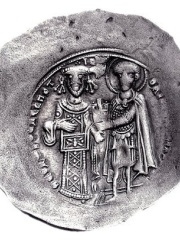
Theodore Komnenos Doukas
1180 - 1253
HPI: 67.17
Rank: 110
Alexandros Papagos
1883 - 1955
HPI: 67.16
Rank: 111
Philopoemen
253 BC - 183 BC
HPI: 67.15
Rank: 112
Anaxandridas II
565 BC - 525 BC
HPI: 67.10
Rank: 113
Princess Theodora of Greece and Denmark
1906 - 1969
HPI: 67.08
Rank: 114
Callias II
515 BC - 432 BC
HPI: 67.05
Rank: 115
Perdiccas I of Macedon
700 BC - 700 BC
HPI: 66.83
Rank: 116
Pelopidas
450 BC - 364 BC
HPI: 66.83
Rank: 117
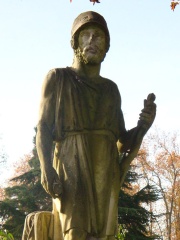
Phocion
402 BC - 318 BC
HPI: 66.81
Rank: 118
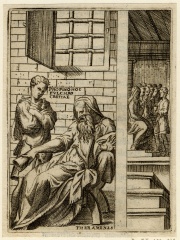
Theramenes
450 BC - 403 BC
HPI: 66.75
Rank: 119
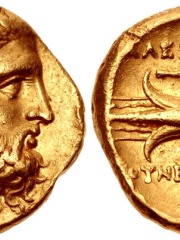
Alexander I of Epirus
362 BC - 331 BC
HPI: 66.74
Rank: 120
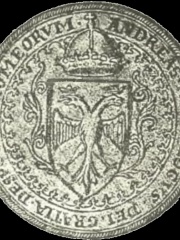
Andreas Palaiologos
1453 - 1502
HPI: 66.70
Rank: 121