Художник-живописец
Apelles
370 BC - 306 BC
RU.WIKIPEDIA PAGE VIEWS (PV)
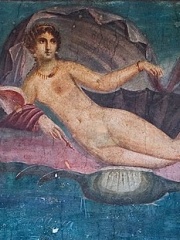
 Apelles
Апелле́с, Апелл (др.-греч. Ἀπελλῆς, лат. Apelles, примерно 370—306 гг. до н. Подробнее в Википедии
His biography is available in 46 different languages on Wikipedia. Apelles is the 109th most popular художник-живописец (up from 120th in 2024), the 147th most popular biography from Türkiye (down from 143rd in 2019) and the most popular Turkish Художник-живописец.
Apelles is most famous for his painting of the goddess Aphrodite.
Memorability Metrics
Page views of Apelles by language
Among Художник-живописец
Among художник-живописец, Apelles ranks 109 out of 2,023. Before him are Hans Memling, Antonio da Correggio, Matthias Grünewald, Lisa del Giocondo, Ivan Aivazovsky, and Jacob van Ruisdael. After him are William-Adolphe Bouguereau, Georges de La Tour, Jean-Baptiste-Siméon Chardin, Pontormo, Pieter Brueghel the Younger, and Yayoi Kusama.
Most Popular Художник-живописец in Wikipedia
Go to all Rankings
Hans Memling
1435 - 1494
HPI: 76.26
Rank: 103
Antonio da Correggio
1489 - 1534
HPI: 76.24
Rank: 104
Matthias Grünewald
1480 - 1528
HPI: 76.21
Rank: 105
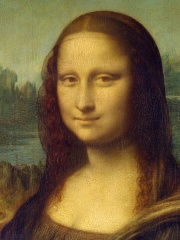
Lisa del Giocondo
1479 - 1542
HPI: 76.02
Rank: 106
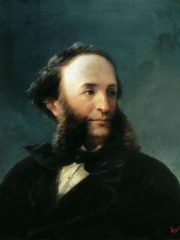
Ivan Aivazovsky
1817 - 1900
HPI: 75.82
Rank: 107
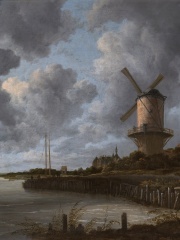
Jacob van Ruisdael
1628 - 1682
HPI: 75.72
Rank: 108
Apelles
370 BC - 306 BC
HPI: 75.64
Rank: 109
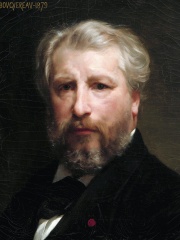
William-Adolphe Bouguereau
1825 - 1905
HPI: 75.56
Rank: 110
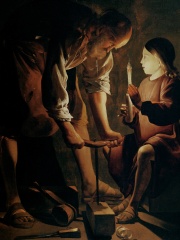
Georges de La Tour
1593 - 1652
HPI: 75.55
Rank: 111
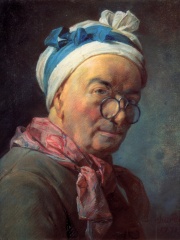
Jean-Baptiste-Siméon Chardin
1699 - 1779
HPI: 75.45
Rank: 112
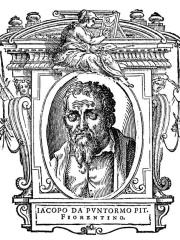
Pontormo
1494 - 1557
HPI: 75.43
Rank: 113
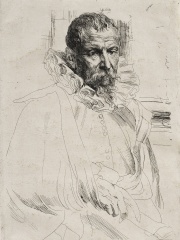
Pieter Brueghel the Younger
1564 - 1636
HPI: 75.41
Rank: 114

Yayoi Kusama
1929 - Present
HPI: 75.40
Rank: 115

Contemporaries
Among people born in 370 BC, Apelles ranks 1. After him are Craterus, Cleitus the Black, Eudemus of Rhodes, Callippus, Neoptolemus I of Epirus, and Hui Shi. Among people deceased in 306 BC, Apelles ranks 1. After him is Alcetas II of Epirus.
Others Born in 370 BC
Go to all RankingsApelles
PAINTER
370 BC - 306 BC
HPI: 75.64
Rank: 1
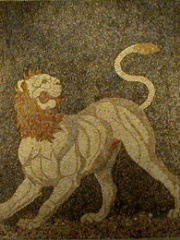
Craterus
MILITARY PERSONNEL
370 BC - 321 BC
HPI: 70.98
Rank: 2
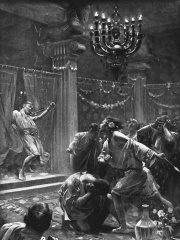
Cleitus the Black
POLITICIAN
370 BC - 328 BC
HPI: 68.16
Rank: 3
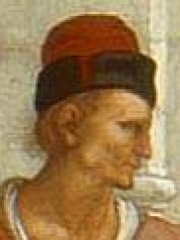
Eudemus of Rhodes
PHILOSOPHER
370 BC - 300 BC
HPI: 67.42
Rank: 4

Callippus
MATHEMATICIAN
370 BC - 300 BC
HPI: 66.43
Rank: 5

Neoptolemus I of Epirus
POLITICIAN
370 BC - 350 BC
HPI: 62.41
Rank: 6

Hui Shi
PHILOSOPHER
370 BC - 310 BC
HPI: 62.18
Rank: 7
Others Deceased in 306 BC
Go to all RankingsApelles
PAINTER
370 BC - 306 BC
HPI: 75.64
Rank: 1

Alcetas II of Epirus
POLITICIAN
350 BC - 306 BC
HPI: 60.22
Rank: 2
In Türkiye
Among people born in Türkiye, Apelles ranks 147 out of 1,347. Before him are Pope John VII (650), Maurice (539), Manuel II Palaiologos (1350), Dionysius Exiguus (475), Gregory of Nyssa (335), and John I Tzimiskes (925). After him are Saint Nino (296), Erasmus of Formia (300), Basil I (811), Attalus I (-269), Constans II (630), and Arrian (89).
Others born in Türkiye
Go to all Rankings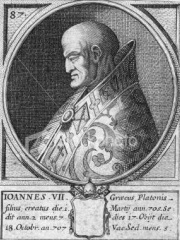
Pope John VII
RELIGIOUS FIGURE
650 - 707
HPI: 75.83
Rank: 141
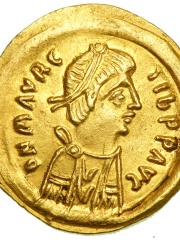
Maurice
POLITICIAN
539 - 602
HPI: 75.81
Rank: 142
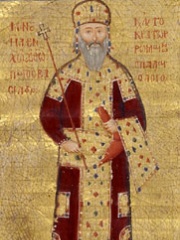
Manuel II Palaiologos
POLITICIAN
1350 - 1425
HPI: 75.77
Rank: 143
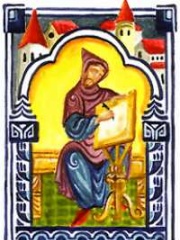
Dionysius Exiguus
RELIGIOUS FIGURE
475 - 544
HPI: 75.75
Rank: 144
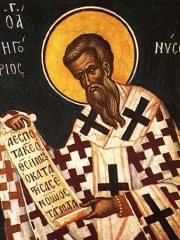
Gregory of Nyssa
RELIGIOUS FIGURE
335 - 395
HPI: 75.72
Rank: 145

John I Tzimiskes
POLITICIAN
925 - 976
HPI: 75.65
Rank: 146
Apelles
PAINTER
370 BC - 306 BC
HPI: 75.64
Rank: 147
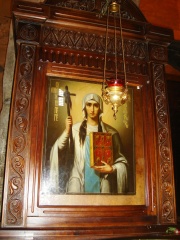
Saint Nino
RELIGIOUS FIGURE
296 - 335
HPI: 75.62
Rank: 148
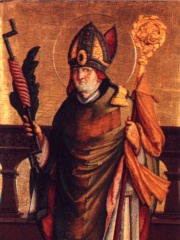
Erasmus of Formia
RELIGIOUS FIGURE
300 - 303
HPI: 75.53
Rank: 149
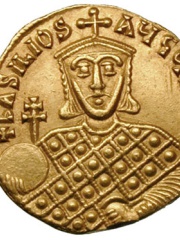
Basil I
POLITICIAN
811 - 886
HPI: 75.53
Rank: 150
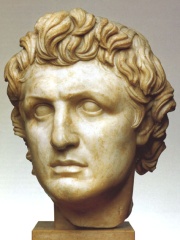
Attalus I
POLITICIAN
269 BC - 197 BC
HPI: 75.52
Rank: 151
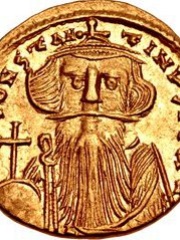
Constans II
POLITICIAN
630 - 668
HPI: 75.49
Rank: 152
Arrian
HISTORIAN
89 - 175
HPI: 75.37
Rank: 153
Among Художник-живописец In Türkiye
Among художник-живописец born in Türkiye, Apelles ranks 1. After him are Theophanes the Greek (1340), Parrhasius (-500), Princess Fahrelnissa Zeid (1901), Arshile Gorky (1904), Osman Hamdi Bey (1842), Iaia (-100), Jan Rustem (1762), Echion (-350), Halil Pasha (1857), Nevin Çokay (1930), and Hale Asaf (1905).
Apelles
370 BC - 306 BC
HPI: 75.64
Rank: 1
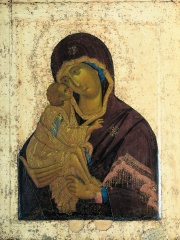
Theophanes the Greek
1340 - 1410
HPI: 66.87
Rank: 2

Parrhasius
500 BC - 460 BC
HPI: 66.20
Rank: 3
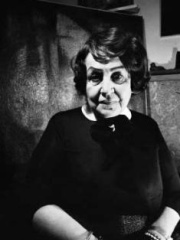
Princess Fahrelnissa Zeid
1901 - 1991
HPI: 65.11
Rank: 4
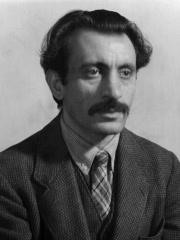
Arshile Gorky
1904 - 1948
HPI: 64.71
Rank: 5
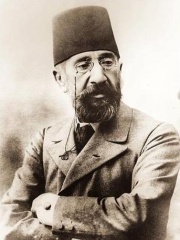
Osman Hamdi Bey
1842 - 1910
HPI: 63.71
Rank: 6
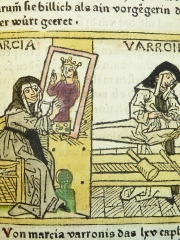
Iaia
100 BC - Present
HPI: 60.69
Rank: 7
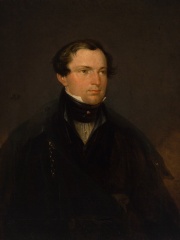
Jan Rustem
1762 - 1835
HPI: 60.09
Rank: 8

Echion
350 BC - 400 BC
HPI: 58.10
Rank: 9

Halil Pasha
1857 - 1939
HPI: 56.94
Rank: 10
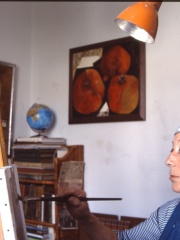
Nevin Çokay
1930 - 2012
HPI: 54.76
Rank: 11
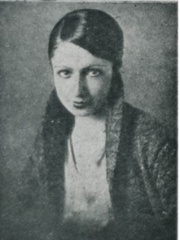
Hale Asaf
1905 - 1938
HPI: 52.39
Rank: 12