Engenheiro
Willy Rampf
1953 - presente
PT.WIKIPEDIA PAGE VIEWS (PV)

 Willy Rampf
Willy Rampf (Düsseldorf, 20 de junho de 1953) é um ex-engenheiro de automóveis alemão. Ele atualmente é consultor técnico da Williams. Trabalhou anteriormente para as equipes da Sauber e BMW Sauber. Leia mais na Wikipédia
Sua biografia está disponível em 15 idiomas na Wikipédia. Willy Rampf é o 351º engenheiro mais popular (subiu do 356º em 2024), a 5601ª biografia mais popular da Alemanha (subiu do 5680ª em 2019) e o 39º engenheiro mais popular da Alemanha.
Memorability Metrics
Page views of Willy Rampf by language
Among Engenheiros
Among engenheiros, Willy Rampf ranks 351 out of 389. Before him are Harry Ricardo, Anatoly Blagonravov, Pat Symonds, Tommy Flowers, Chuck Peddle, and Pavel Pavel. After him are Johan Rockström, Bob Bell, Mehdi Jomaa, Willy Ley, Vladimir Barmin, and Jean-Luc Sandoz.
Most Popular Engenheiros in Wikipedia
Go to all Rankings
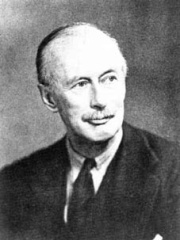
Harry Ricardo
1885 - 1974
HPI: 52.24
Rank: 345

Anatoly Blagonravov
1894 - 1975
HPI: 52.04
Rank: 346
Pat Symonds
1953 - Present
HPI: 51.99
Rank: 347
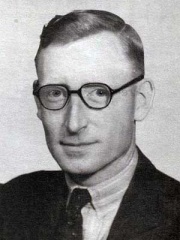
Tommy Flowers
1905 - 1998
HPI: 51.75
Rank: 348
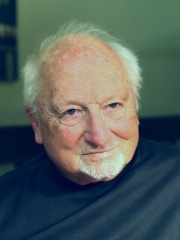
Chuck Peddle
1937 - 2019
HPI: 51.31
Rank: 349
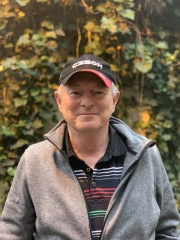
Pavel Pavel
1957 - Present
HPI: 51.23
Rank: 350
Willy Rampf
1953 - Present
HPI: 51.22
Rank: 351

Johan Rockström
1965 - Present
HPI: 51.19
Rank: 352
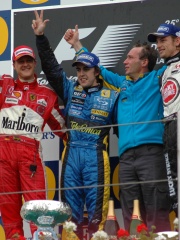
Bob Bell
1958 - Present
HPI: 51.16
Rank: 353
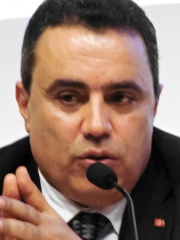
Mehdi Jomaa
1962 - Present
HPI: 51.12
Rank: 354
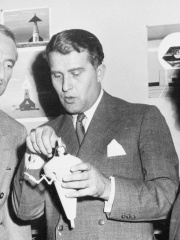
Willy Ley
1906 - 1969
HPI: 51.12
Rank: 355
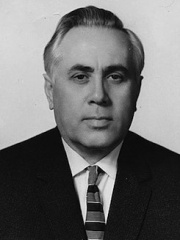
Vladimir Barmin
1909 - 1993
HPI: 51.06
Rank: 356
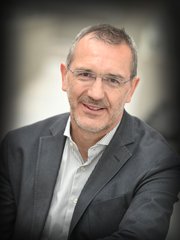
Jean-Luc Sandoz
1960 - Present
HPI: 50.98
Rank: 357

Contemporaries
Among people born in 1953, Willy Rampf ranks 535. Before him are Mazarópi, Michael Portillo, Anna Komorowska, Kevin Nealon, Peter Mandelson, and Yahya Ould Hademine. After him are Gus Williams, Peter Sarnak, Evelin Kaufer, Raad Hammoudi, Susan Pedersen, and Kaarlo Maaninka.
Others Born in 1953
Go to all Rankings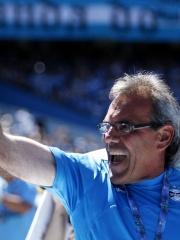
Mazarópi
SOCCER PLAYER
1953 - Present
HPI: 51.41
Rank: 529
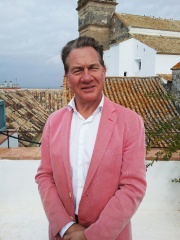
Michael Portillo
POLITICIAN
1953 - Present
HPI: 51.41
Rank: 530
Anna Komorowska
POLITICIAN
1953 - Present
HPI: 51.39
Rank: 531
Kevin Nealon
ACTOR
1953 - Present
HPI: 51.36
Rank: 532
Peter Mandelson
POLITICIAN
1953 - Present
HPI: 51.36
Rank: 533

Yahya Ould Hademine
POLITICIAN
1953 - Present
HPI: 51.35
Rank: 534
Willy Rampf
ENGINEER
1953 - Present
HPI: 51.22
Rank: 535
Gus Williams
BASKETBALL PLAYER
1953 - 2025
HPI: 51.16
Rank: 536

Peter Sarnak
MATHEMATICIAN
1953 - Present
HPI: 51.14
Rank: 537

Evelin Kaufer
ATHLETE
1953 - Present
HPI: 51.06
Rank: 538

Raad Hammoudi
SOCCER PLAYER
1953 - Present
HPI: 51.06
Rank: 539
Susan Pedersen
SWIMMER
1953 - Present
HPI: 51.02
Rank: 540
Kaarlo Maaninka
ATHLETE
1953 - Present
HPI: 50.99
Rank: 541
In Alemanha
Among people born in Alemanha, Willy Rampf ranks 5,604 out of NaN. Before him are Beatrix von Storch (1971), Hannelore Kraft (1961), Tatjana Maria (1987), Karl-Heinz Bußert (1955), Harry Edward (1898), and Stefan Junge (1950). After him are Stefan Ortega (1992), Jan Josef Liefers (1964), Bogna Koreng (1965), Armin Rohde (1955), Werner Israel (1931), and Angela Schanelec (1962).
Others born in Alemanha
Go to all Rankings
Beatrix von Storch
POLITICIAN
1971 - Present
HPI: 51.27
Rank: 5,598
Hannelore Kraft
POLITICIAN
1961 - Present
HPI: 51.26
Rank: 5,599
Tatjana Maria
TENNIS PLAYER
1987 - Present
HPI: 51.25
Rank: 5,600
Karl-Heinz Bußert
ATHLETE
1955 - Present
HPI: 51.25
Rank: 5,601
Harry Edward
ATHLETE
1898 - 1973
HPI: 51.23
Rank: 5,602
Stefan Junge
ATHLETE
1950 - Present
HPI: 51.22
Rank: 5,603
Willy Rampf
ENGINEER
1953 - Present
HPI: 51.22
Rank: 5,604
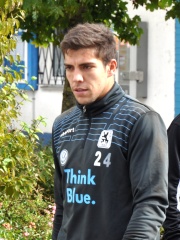
Stefan Ortega
SOCCER PLAYER
1992 - Present
HPI: 51.22
Rank: 5,605
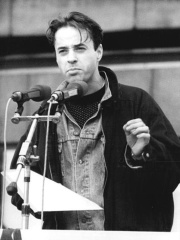
Jan Josef Liefers
ACTOR
1964 - Present
HPI: 51.20
Rank: 5,606

Bogna Koreng
JOURNALIST
1965 - Present
HPI: 51.19
Rank: 5,607

Armin Rohde
ACTOR
1955 - Present
HPI: 51.19
Rank: 5,608

Werner Israel
PHYSICIST
1931 - 2022
HPI: 51.19
Rank: 5,609

Angela Schanelec
ACTOR
1962 - Present
HPI: 51.18
Rank: 5,610
Among Engenheiros In Alemanha
Among engenheiros born in Alemanha, Willy Rampf ranks 39. Before him are Friedrich L. Bauer (1924), Christopher Cockerell (1910), Wilhelm Nusselt (1882), Peter Schreyer (1953), Mario Theissen (1952), and Julius Kühn (1825). After him are Willy Ley (1906), Matthias Ettrich (1972), and Roland Baar (1965).
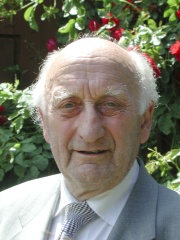
Friedrich L. Bauer
1924 - 2015
HPI: 56.01
Rank: 33
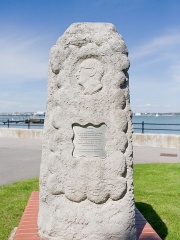
Christopher Cockerell
1910 - 1999
HPI: 55.92
Rank: 34

Wilhelm Nusselt
1882 - 1957
HPI: 55.92
Rank: 35

Peter Schreyer
1953 - Present
HPI: 54.74
Rank: 36
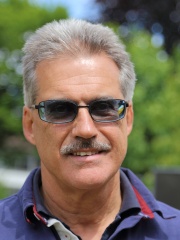
Mario Theissen
1952 - Present
HPI: 53.96
Rank: 37

Julius Kühn
1825 - 1910
HPI: 52.56
Rank: 38
Willy Rampf
1953 - Present
HPI: 51.22
Rank: 39
Willy Ley
1906 - 1969
HPI: 51.12
Rank: 40
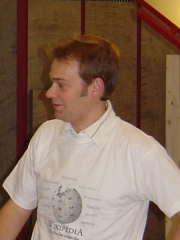
Matthias Ettrich
1972 - Present
HPI: 46.80
Rank: 41

Roland Baar
1965 - 2018
HPI: 45.21
Rank: 42