Figura religiosa
Saint Eustace
10 - 118
PT.WIKIPEDIA PAGE VIEWS (PV)
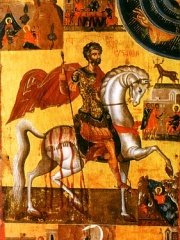
 Saint Eustace
Sua biografia está disponível em 32 idiomas na Wikipédia. Saint Eustace é o 664º figura religiosa mais popular (caiu do 498º em 2024), a 804ª biografia mais popular da Itália (caiu do 573ª em 2019) e o 258º figura religiosa mais popular da Itália.
Memorability Metrics
Page views of Saint Eustace by language
Among Figura religiosas
Among figura religiosas, Saint Eustace ranks 664 out of 3,187. Before him are Hans Küng, Óscar Romero, Francis Borgia, 4th Duke of Gandía, Tarcisius, John Knox, and Zebedee. After him are Pope Theophilus of Alexandria, Korah, Scholastica, Edward the Confessor, Onuphrius, and Truganini.
Most Popular Figura Religiosas in Wikipedia
Go to all Rankings
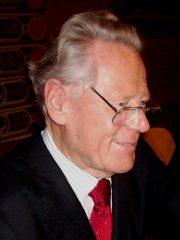
Hans Küng
1928 - 2021
HPI: 71.34
Rank: 658
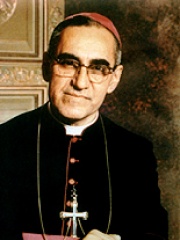
Óscar Romero
1917 - 1980
HPI: 71.28
Rank: 659
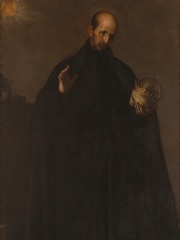
Francis Borgia, 4th Duke of Gandía
1510 - 1572
HPI: 71.27
Rank: 660
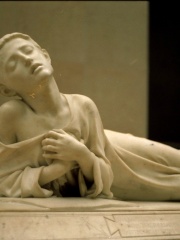
Tarcisius
263 - 275
HPI: 71.27
Rank: 661
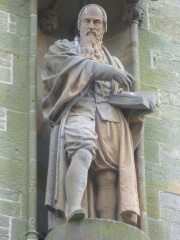
John Knox
1514 - 1572
HPI: 71.26
Rank: 662
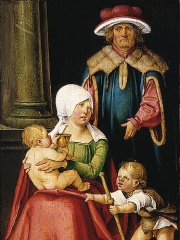
Zebedee
100 BC - 100
HPI: 71.25
Rank: 663
Saint Eustace
10 - 118
HPI: 71.24
Rank: 664
Pope Theophilus of Alexandria
310 - 412
HPI: 71.21
Rank: 665

Korah
HPI: 71.18
Rank: 666
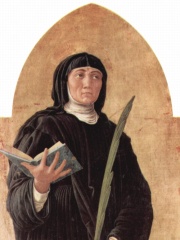
Scholastica
480 - 547
HPI: 71.18
Rank: 667
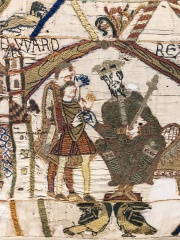
Edward the Confessor
1003 - 1066
HPI: 71.18
Rank: 668
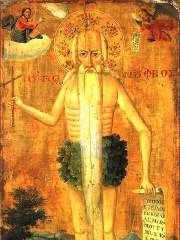
Onuphrius
320 - 400
HPI: 71.17
Rank: 669
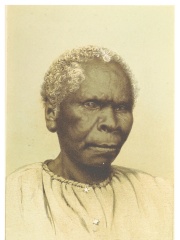
Truganini
1812 - 1876
HPI: 71.15
Rank: 670

Contemporaries
Among people born in 10, Saint Eustace ranks 5. Before him are Matthew the Apostle, Mark the Evangelist, Hero of Alexandria, and John the Evangelist. After him are Tigellinus, Antonius Felix, Gaius Suetonius Paulinus, Vardanes I, Gotarzes II of Parthia, Lucius Annaeus Cornutus, and Minjung of Goguryeo. Among people deceased in 118, Saint Eustace ranks 1. After him is Lusius Quietus.
Others Born in 10
Go to all Rankings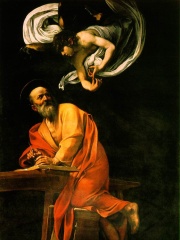
Matthew the Apostle
RELIGIOUS FIGURE
10 - 74
HPI: 88.31
Rank: 1
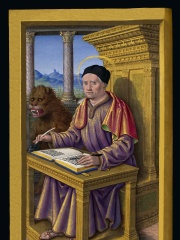
Mark the Evangelist
RELIGIOUS FIGURE
10 - 68
HPI: 85.33
Rank: 2
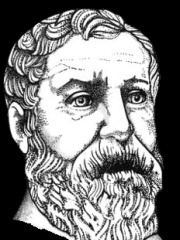
Hero of Alexandria
MATHEMATICIAN
10 - 75
HPI: 80.07
Rank: 3
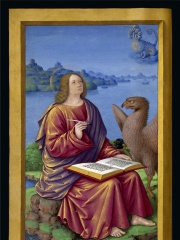
John the Evangelist
WRITER
10 - 100
HPI: 77.45
Rank: 4
Saint Eustace
RELIGIOUS FIGURE
10 - 118
HPI: 71.24
Rank: 5
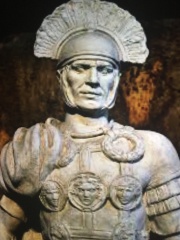
Tigellinus
POLITICIAN
10 - 69
HPI: 67.86
Rank: 6
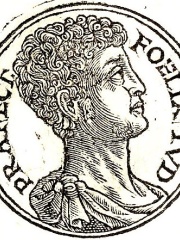
Antonius Felix
POLITICIAN
10 - 100
HPI: 67.75
Rank: 7
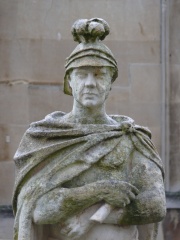
Gaius Suetonius Paulinus
MILITARY PERSONNEL
10 - 60
HPI: 63.88
Rank: 8
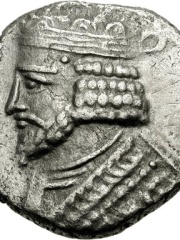
Vardanes I
POLITICIAN
10 - 47
HPI: 63.63
Rank: 9
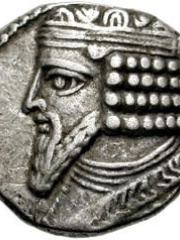
Gotarzes II of Parthia
POLITICIAN
10 - 51
HPI: 63.14
Rank: 10

Lucius Annaeus Cornutus
PHILOSOPHER
10 - 80
HPI: 62.08
Rank: 11
Minjung of Goguryeo
POLITICIAN
10 - 48
HPI: 61.08
Rank: 12
Others Deceased in 118
Go to all RankingsSaint Eustace
RELIGIOUS FIGURE
10 - 118
HPI: 71.24
Rank: 1
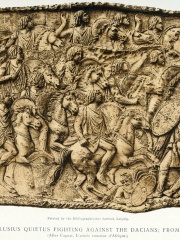
Lusius Quietus
POLITICIAN
100 - 118
HPI: 64.06
Rank: 2
In Itália
Among people born in Itália, Saint Eustace ranks 804 out of NaN. Before him are Gian Galeazzo Sforza (1469), Tarcisius (263), Gigliola Cinquetti (1947), Claudia Octavia (40), Athalaric (516), and Gabriele Amorth (1925). After him are Pompeia (-90), Lino Ventura (1919), Poggio Bracciolini (1380), Louise of Orléans (1812), Palmiro Togliatti (1893), and Scholastica (480).
Others born in Itália
Go to all Rankings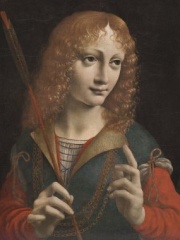
Gian Galeazzo Sforza
NOBLEMAN
1469 - 1494
HPI: 71.28
Rank: 798
Tarcisius
RELIGIOUS FIGURE
263 - 275
HPI: 71.27
Rank: 799
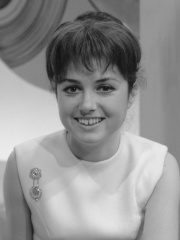
Gigliola Cinquetti
SINGER
1947 - Present
HPI: 71.26
Rank: 800
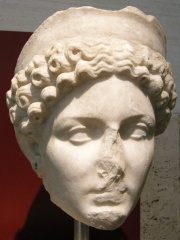
Claudia Octavia
POLITICIAN
40 - 62
HPI: 71.26
Rank: 801
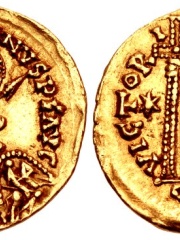
Athalaric
POLITICIAN
516 - 534
HPI: 71.25
Rank: 802

Gabriele Amorth
WRITER
1925 - 2016
HPI: 71.25
Rank: 803
Saint Eustace
RELIGIOUS FIGURE
10 - 118
HPI: 71.24
Rank: 804
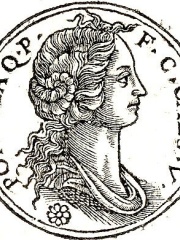
Pompeia
POLITICIAN
90 BC - Present
HPI: 71.23
Rank: 805
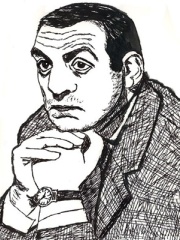
Lino Ventura
ACTOR
1919 - 1987
HPI: 71.22
Rank: 806
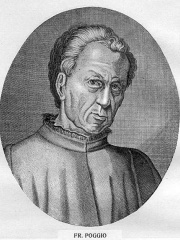
Poggio Bracciolini
HISTORIAN
1380 - 1459
HPI: 71.22
Rank: 807
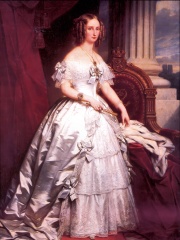
Louise of Orléans
POLITICIAN
1812 - 1850
HPI: 71.19
Rank: 808
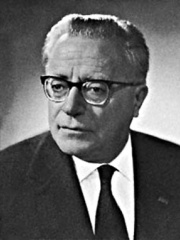
Palmiro Togliatti
POLITICIAN
1893 - 1964
HPI: 71.19
Rank: 809
Scholastica
RELIGIOUS FIGURE
480 - 547
HPI: 71.18
Rank: 810
Among Figura religiosas In Itália
Among figura religiosas born in Itália, Saint Eustace ranks 258. Before him are Beatrice Portinari (1265), Camillus de Lellis (1550), Jacobus da Varagine (1228), Angela Merici (1474), Peter Lombard (1096), and Tarcisius (263). After him are Scholastica (480), Alexius of Rome (400), Antipope Felix II (300), Giulia Farnese (1474), Joseph of Cupertino (1603), and Silas (1).
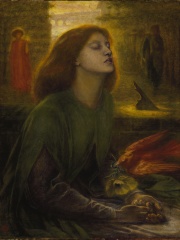
Beatrice Portinari
1265 - 1290
HPI: 72.27
Rank: 252
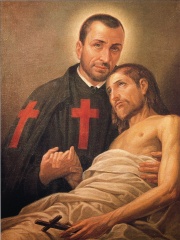
Camillus de Lellis
1550 - 1614
HPI: 72.26
Rank: 253
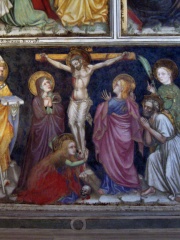
Jacobus da Varagine
1228 - 1298
HPI: 71.86
Rank: 254
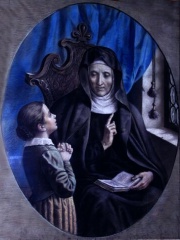
Angela Merici
1474 - 1540
HPI: 71.57
Rank: 255
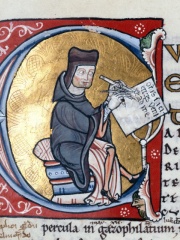
Peter Lombard
1096 - 1160
HPI: 71.43
Rank: 256
Tarcisius
263 - 275
HPI: 71.27
Rank: 257
Saint Eustace
10 - 118
HPI: 71.24
Rank: 258
Scholastica
480 - 547
HPI: 71.18
Rank: 259
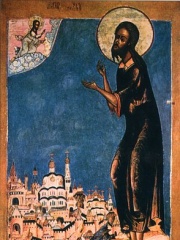
Alexius of Rome
400 - 412
HPI: 70.91
Rank: 260
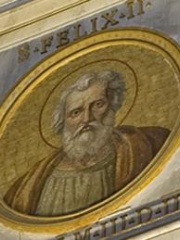
Antipope Felix II
300 - 365
HPI: 70.65
Rank: 261
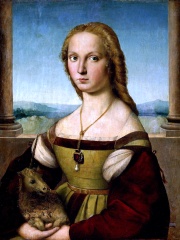
Giulia Farnese
1474 - 1524
HPI: 70.60
Rank: 262
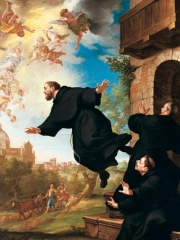
Joseph of Cupertino
1603 - 1663
HPI: 70.52
Rank: 263
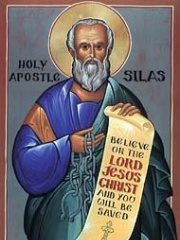
Silas
1 - 100
HPI: 70.37
Rank: 264