Cantor
Renaud
1952 - presente
PT.WIKIPEDIA PAGE VIEWS (PV)
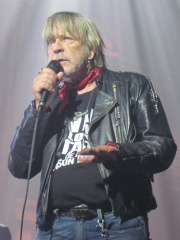

 Renaud
Renaud Séchan (Paris, 11 de maio de 1952) é um cantautor e ator francês. Com 23 álbuns e quase 20 milhões de cópias vendidas, Renaud é um dos cantores francófonos mais populares. Ele usa suas músicas para criticar a sociedade. Leia mais na Wikipédia
His biography is available in 31 different languages on Wikipedia. Renaud is the 854th most popular cantor (down from 712th in 2024), the 3,517th most popular biography from France (down from 3,134th in 2019) and the 50th most popular French Cantor.
Memorability Metrics
Page views of Renaud by language
Among Cantors
Among cantors, Renaud ranks 854 out of 4,381. Before him are Lilli Lehmann, Hugues Aufray, Jason Derulo, Odetta, Claudio Villa, and Severina. After him are Gregg Allman, Garou, H.P. Baxxter, Johnny Nash, Basia, and Christophe.
Most Popular Cantors in Wikipedia
Go to all Rankings
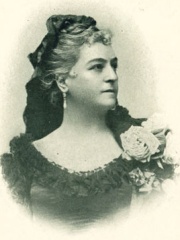
Lilli Lehmann
1848 - 1929
HPI: 59.35
Rank: 848

Hugues Aufray
1929 - Present
HPI: 59.34
Rank: 849
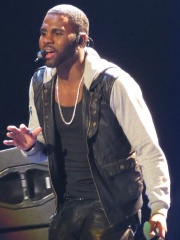
Jason Derulo
1989 - Present
HPI: 59.34
Rank: 850
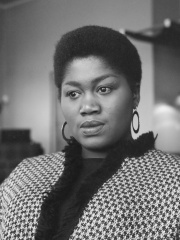
Odetta
1930 - 2008
HPI: 59.33
Rank: 851
Claudio Villa
1926 - 1987
HPI: 59.32
Rank: 852
Severina
1972 - Present
HPI: 59.31
Rank: 853
Renaud
1952 - Present
HPI: 59.30
Rank: 854
Gregg Allman
1947 - 2017
HPI: 59.28
Rank: 855
Garou
1972 - Present
HPI: 59.27
Rank: 856
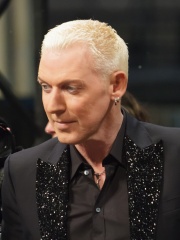
H.P. Baxxter
1964 - Present
HPI: 59.27
Rank: 857
Johnny Nash
1940 - 2020
HPI: 59.27
Rank: 858

Basia
1954 - Present
HPI: 59.26
Rank: 859
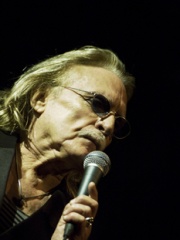
Christophe
1945 - 2020
HPI: 59.26
Rank: 860

Contemporaries
Among people born in 1952, Renaud ranks 245. Before him are Petro Symonenko, Ulrich Seidl, Grigory Yavlinsky, Gianfranco Fini, James Ingram, and Guzal Sitdikova. After him are Ali Mohammed Ghedi, Karl Bartos, Julio Velasco, Wim Rijsbergen, Christopher Doyle, and Mehmet Ali Talat.
Others Born in 1952
Go to all Rankings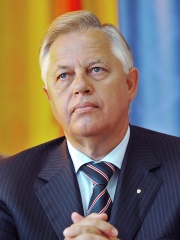
Petro Symonenko
POLITICIAN
1952 - Present
HPI: 59.40
Rank: 239
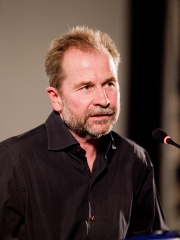
Ulrich Seidl
FILM DIRECTOR
1952 - Present
HPI: 59.40
Rank: 240
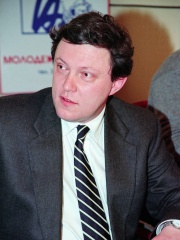
Grigory Yavlinsky
ECONOMIST
1952 - Present
HPI: 59.39
Rank: 241
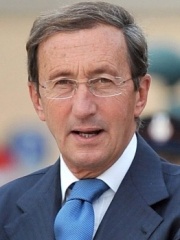
Gianfranco Fini
POLITICIAN
1952 - Present
HPI: 59.39
Rank: 242

James Ingram
MUSICIAN
1952 - 2019
HPI: 59.36
Rank: 243
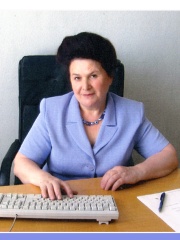
Guzal Sitdikova
WRITER
1952 - Present
HPI: 59.32
Rank: 244
Renaud
SINGER
1952 - Present
HPI: 59.30
Rank: 245

Ali Mohammed Ghedi
POLITICIAN
1952 - Present
HPI: 59.28
Rank: 246

Karl Bartos
MUSICIAN
1952 - Present
HPI: 59.24
Rank: 247
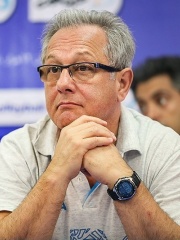
Julio Velasco
POLITICIAN
1952 - Present
HPI: 59.22
Rank: 248
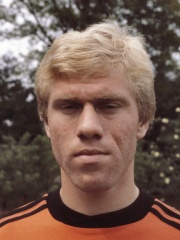
Wim Rijsbergen
COACH
1952 - Present
HPI: 59.21
Rank: 249
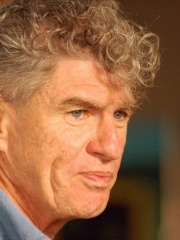
Christopher Doyle
FILM DIRECTOR
1952 - Present
HPI: 59.18
Rank: 250
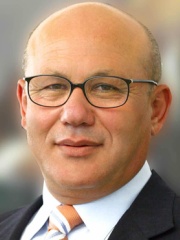
Mehmet Ali Talat
POLITICIAN
1952 - Present
HPI: 59.17
Rank: 251
In France
Among people born in France, Renaud ranks 3,517 out of 6,770. Before him are Alexis Piron (1689), Louis Laurent Gabriel de Mortillet (1821), Jean-Baptiste Arban (1825), Anna Gavalda (1970), Johann Fischart (1546), and Anne of Burgundy (1404). After him are Antoine Berman (1942), Martine Aubry (1950), Rudolph Minkowski (1895), Audrey Azoulay (1972), Michel Ocelot (1943), and Remigius of Auxerre (841).
Others born in France
Go to all Rankings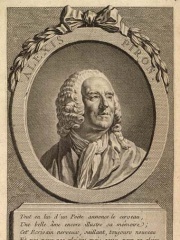
Alexis Piron
WRITER
1689 - 1773
HPI: 59.32
Rank: 3,511
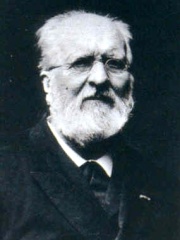
Louis Laurent Gabriel de Mortillet
ARCHAEOLOGIST
1821 - 1898
HPI: 59.32
Rank: 3,512
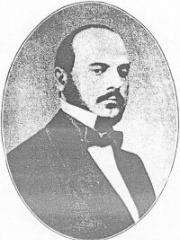
Jean-Baptiste Arban
MUSICIAN
1825 - 1889
HPI: 59.31
Rank: 3,513
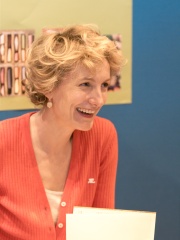
Anna Gavalda
WRITER
1970 - Present
HPI: 59.31
Rank: 3,514
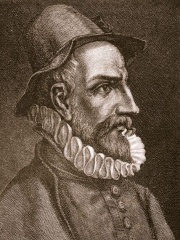
Johann Fischart
WRITER
1546 - 1590
HPI: 59.31
Rank: 3,515
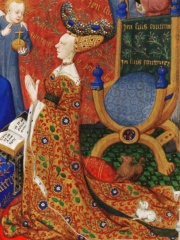
Anne of Burgundy
NOBLEMAN
1404 - 1432
HPI: 59.30
Rank: 3,516
Renaud
SINGER
1952 - Present
HPI: 59.30
Rank: 3,517

Antoine Berman
PHILOSOPHER
1942 - 1991
HPI: 59.29
Rank: 3,518
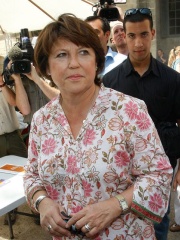
Martine Aubry
POLITICIAN
1950 - Present
HPI: 59.29
Rank: 3,519
Rudolph Minkowski
ASTRONOMER
1895 - 1976
HPI: 59.28
Rank: 3,520
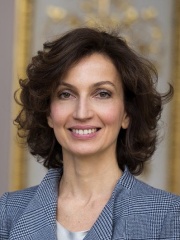
Audrey Azoulay
POLITICIAN
1972 - Present
HPI: 59.28
Rank: 3,521
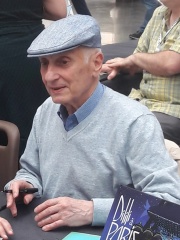
Michel Ocelot
WRITER
1943 - Present
HPI: 59.28
Rank: 3,522

Remigius of Auxerre
WRITER
841 - 908
HPI: 59.28
Rank: 3,523
Among Cantors In France
Among cantors born in France, Renaud ranks 50. Before him are Sheila (1945), Roberto Alagna (1963), Emma Calvé (1858), Pierre Gaveaux (1761), Pierre Bachelet (1944), and Hugues Aufray (1929). After him are Christophe (1945), Indila (1984), Brigitte Fontaine (1939), Patachou (1918), Célestine Galli-Marié (1840), and Fréhel (1891).
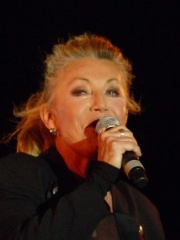
Sheila
1945 - Present
HPI: 59.80
Rank: 44
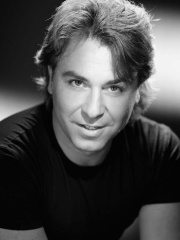
Roberto Alagna
1963 - Present
HPI: 59.78
Rank: 45
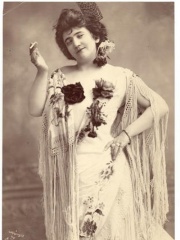
Emma Calvé
1858 - 1942
HPI: 59.71
Rank: 46
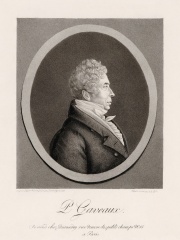
Pierre Gaveaux
1761 - 1825
HPI: 59.62
Rank: 47

Pierre Bachelet
1944 - 2005
HPI: 59.48
Rank: 48
Hugues Aufray
1929 - Present
HPI: 59.34
Rank: 49
Renaud
1952 - Present
HPI: 59.30
Rank: 50
Christophe
1945 - 2020
HPI: 59.26
Rank: 51

Indila
1984 - Present
HPI: 58.98
Rank: 52
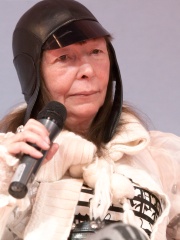
Brigitte Fontaine
1939 - Present
HPI: 58.96
Rank: 53

Patachou
1918 - 2015
HPI: 58.94
Rank: 54
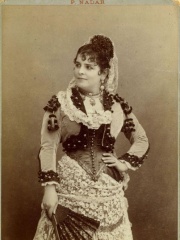
Célestine Galli-Marié
1840 - 1905
HPI: 58.79
Rank: 55
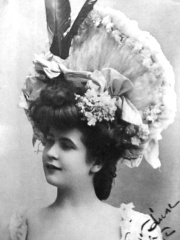
Fréhel
1891 - 1951
HPI: 58.75
Rank: 56