Figura religiosa
Raffaele Farina
1933 - presente
PT.WIKIPEDIA PAGE VIEWS (PV)

 Raffaele Farina
Sua biografia está disponível em 21 idiomas na Wikipédia (aumento em relação a 17 em 2024). Raffaele Farina é o 1691º figura religiosa mais popular (subiu do 2083º em 2024), a 2237ª biografia mais popular da Itália (subiu do 2924ª em 2019) e o 412º figura religiosa mais popular da Itália.
Memorability Metrics
Page views of Raffaele Farina by language
Among Figura religiosas
Among figura religiosas, Raffaele Farina ranks 1,691 out of 3,187. Before him are Impenitent thief, Stanisława Leszczyńska, Germanus V of Constantinople, Theodosius of Kiev, Alfredo Ildefonso Schuster, and Saint Meinhard. After him are Michel Sabbah, Zadok, Baldwin of Luxembourg, Leopoldo Brenes, Domitilla the Younger, and Nasrallah Boutros Sfeir.
Most Popular Figura Religiosas in Wikipedia
Go to all Rankings

Impenitent thief
HPI: 62.33
Rank: 1,685
Stanisława Leszczyńska
1896 - 1974
HPI: 62.33
Rank: 1,686
Germanus V of Constantinople
1835 - 1920
HPI: 62.33
Rank: 1,687
Theodosius of Kiev
1029 - 1074
HPI: 62.32
Rank: 1,688
Alfredo Ildefonso Schuster
1880 - 1954
HPI: 62.32
Rank: 1,689
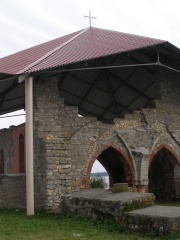
Saint Meinhard
1130 - 1196
HPI: 62.32
Rank: 1,690
Raffaele Farina
1933 - Present
HPI: 62.31
Rank: 1,691
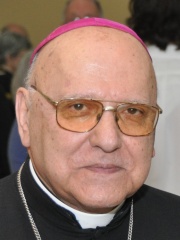
Michel Sabbah
1933 - Present
HPI: 62.31
Rank: 1,692
Zadok
HPI: 62.31
Rank: 1,693
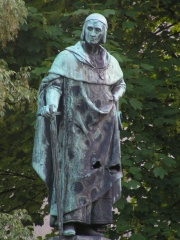
Baldwin of Luxembourg
1285 - 1354
HPI: 62.30
Rank: 1,694
Leopoldo Brenes
1949 - Present
HPI: 62.30
Rank: 1,695
Domitilla the Younger
45 - 69
HPI: 62.30
Rank: 1,696
Nasrallah Boutros Sfeir
1920 - 2019
HPI: 62.29
Rank: 1,697

Contemporaries
Among people born in 1933, Raffaele Farina ranks 163. Before him are Azeglio Vicini, Mátyás Szűrös, Hannelore Kohl, Michel Camdessus, Debra Paget, and John Boorman. After him are Michel Sabbah, Robert Shavlakadze, Ludovico Scarfiotti, Andrei Voznesensky, Charlie Wilson, and Don Thompson.
Others Born in 1933
Go to all Rankings
Azeglio Vicini
SOCCER PLAYER
1933 - 2018
HPI: 62.65
Rank: 157
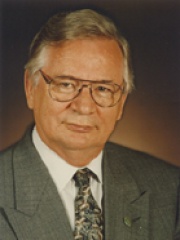
Mátyás Szűrös
POLITICIAN
1933 - Present
HPI: 62.53
Rank: 158
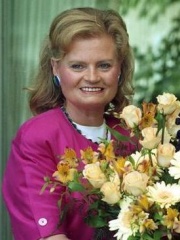
Hannelore Kohl
POLITICIAN
1933 - 2001
HPI: 62.51
Rank: 159
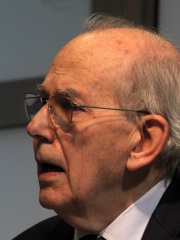
Michel Camdessus
ECONOMIST
1933 - Present
HPI: 62.50
Rank: 160
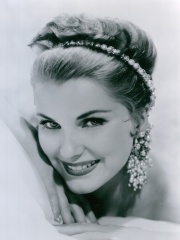
Debra Paget
ACTOR
1933 - Present
HPI: 62.47
Rank: 161
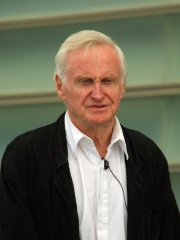
John Boorman
FILM DIRECTOR
1933 - Present
HPI: 62.33
Rank: 162
Raffaele Farina
RELIGIOUS FIGURE
1933 - Present
HPI: 62.31
Rank: 163
Michel Sabbah
RELIGIOUS FIGURE
1933 - Present
HPI: 62.31
Rank: 164
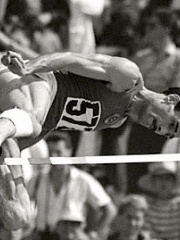
Robert Shavlakadze
ATHLETE
1933 - 2020
HPI: 62.29
Rank: 165
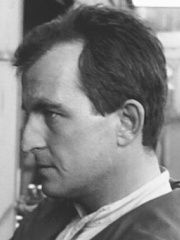
Ludovico Scarfiotti
RACING DRIVER
1933 - 1968
HPI: 62.22
Rank: 166
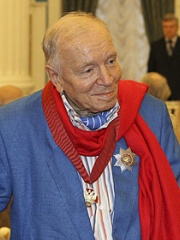
Andrei Voznesensky
WRITER
1933 - 2010
HPI: 62.18
Rank: 167
Charlie Wilson
MILITARY PERSONNEL
1933 - 2010
HPI: 62.12
Rank: 168
Don Thompson
ATHLETE
1933 - 2006
HPI: 62.08
Rank: 169
In Itália
Among people born in Itália, Raffaele Farina ranks 2,237 out of NaN. Before him are Salvatore Accardo (1941), Charles, Duke of Calabria (1298), Achille Starace (1889), Federico Gravina (1756), Alfredo Ildefonso Schuster (1880), and Frank Nitti (1886). After him are Riccardo Drigo (1846), Aurelio Peccei (1908), Niccolò Antonio Zingarelli (1752), Antonio Rossellino (1427), Aleksandër Moisiu (1879), and Titus Annius Milo (-95).
Others born in Itália
Go to all Rankings
Salvatore Accardo
MUSICIAN
1941 - Present
HPI: 62.33
Rank: 2,231
Charles, Duke of Calabria
POLITICIAN
1298 - 1328
HPI: 62.33
Rank: 2,232
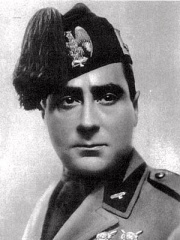
Achille Starace
POLITICIAN
1889 - 1945
HPI: 62.32
Rank: 2,233
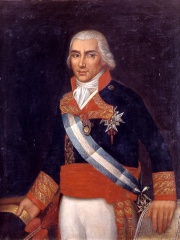
Federico Gravina
MILITARY PERSONNEL
1756 - 1806
HPI: 62.32
Rank: 2,234
Alfredo Ildefonso Schuster
RELIGIOUS FIGURE
1880 - 1954
HPI: 62.32
Rank: 2,235
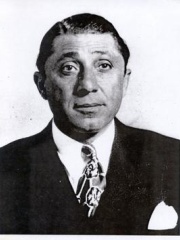
Frank Nitti
EXTREMIST
1886 - 1943
HPI: 62.32
Rank: 2,236
Raffaele Farina
RELIGIOUS FIGURE
1933 - Present
HPI: 62.31
Rank: 2,237
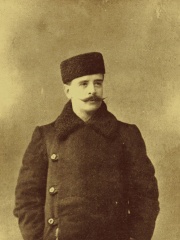
Riccardo Drigo
COMPOSER
1846 - 1930
HPI: 62.30
Rank: 2,238
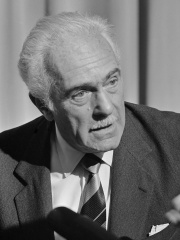
Aurelio Peccei
BUSINESSPERSON
1908 - 1984
HPI: 62.30
Rank: 2,239
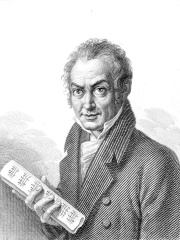
Niccolò Antonio Zingarelli
COMPOSER
1752 - 1837
HPI: 62.29
Rank: 2,240
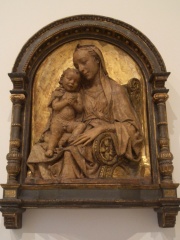
Antonio Rossellino
SCULPTOR
1427 - 1479
HPI: 62.29
Rank: 2,241
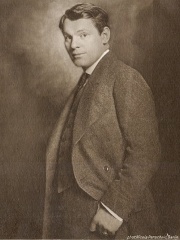
Aleksandër Moisiu
ACTOR
1879 - 1935
HPI: 62.29
Rank: 2,242

Titus Annius Milo
POLITICIAN
95 BC - 48 BC
HPI: 62.28
Rank: 2,243
Among Figura religiosas In Itália
Among figura religiosas born in Itália, Raffaele Farina ranks 412. Before him are Antipope Callixtus III (null), Andrew Corsini (1301), Marco d'Aviano (1631), Nicola Canali (1874), Vigilius of Trent (355), and Alfredo Ildefonso Schuster (1880). After him are Giovanni Urbani (1900), Clare of Montefalco (1268), Lanfranc (1005), Giuseppe Betori (1947), Teodolfo Mertel (1806), and Gaspar del Bufalo (1786).
Antipope Callixtus III
HPI: 62.73
Rank: 406
Andrew Corsini
1301 - 1373
HPI: 62.64
Rank: 407
Marco d'Aviano
1631 - 1699
HPI: 62.55
Rank: 408
Nicola Canali
1874 - 1961
HPI: 62.50
Rank: 409
Vigilius of Trent
355 - 405
HPI: 62.36
Rank: 410
Alfredo Ildefonso Schuster
1880 - 1954
HPI: 62.32
Rank: 411
Raffaele Farina
1933 - Present
HPI: 62.31
Rank: 412
Giovanni Urbani
1900 - 1969
HPI: 62.27
Rank: 413
Clare of Montefalco
1268 - 1308
HPI: 62.27
Rank: 414
Lanfranc
1005 - 1089
HPI: 62.26
Rank: 415
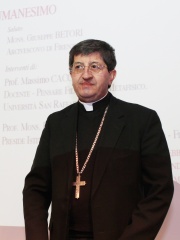
Giuseppe Betori
1947 - Present
HPI: 62.20
Rank: 416
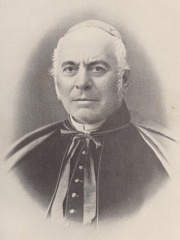
Teodolfo Mertel
1806 - 1899
HPI: 62.09
Rank: 417
Gaspar del Bufalo
1786 - 1837
HPI: 62.04
Rank: 418