Político
Joseph Deiss
1946 - presente
PT.WIKIPEDIA PAGE VIEWS (PV)
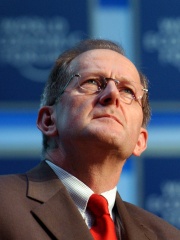
 Joseph Deiss
Sua biografia está disponível em 28 idiomas na Wikipédia (aumento em relação a 26 em 2024). Joseph Deiss é o 8376º político mais popular (subiu do 10382º em 2024), a 222ª biografia mais popular da Suíça (subiu do 289ª em 2019) e o 30º político mais popular da Suíça.
Memorability Metrics
Page views of Joseph Deiss by language
Among Políticos
Among políticos, Joseph Deiss ranks 8,376 out of 19,576. Before him are Kazys Grinius, Veleda, Hugues-Bernard Maret, duc de Bassano, Ahmed Muhtar Pasha, Michail Stasinopoulos, and Te Atairangikaahu. After him are Abd al-Wahid I, Robert II, Count of Dreux, Ariel Henry, Michael II Apafi, Benjamin Mkapa, and Duchess Louise Charlotte of Mecklenburg-Schwerin.
Most Popular Políticos in Wikipedia
Go to all Rankings
Kazys Grinius
1866 - 1950
HPI: 62.82
Rank: 8,374
Veleda
50 - 100
HPI: 62.82
Rank: 8,375
Hugues-Bernard Maret, duc de Bassano
1763 - 1839
HPI: 62.82
Rank: 8,376
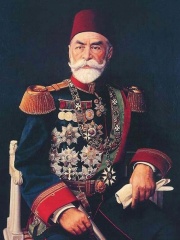
Ahmed Muhtar Pasha
1839 - 1919
HPI: 62.82
Rank: 8,377
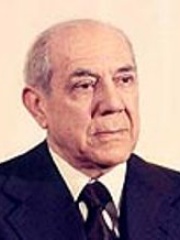
Michail Stasinopoulos
1903 - 2002
HPI: 62.82
Rank: 8,378
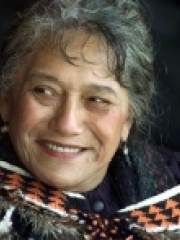
Te Atairangikaahu
1931 - 2006
HPI: 62.82
Rank: 8,379
Joseph Deiss
1946 - Present
HPI: 62.82
Rank: 8,380

Abd al-Wahid I
1153 - 1224
HPI: 62.82
Rank: 8,381

Robert II, Count of Dreux
1154 - 1218
HPI: 62.82
Rank: 8,382

Ariel Henry
1949 - Present
HPI: 62.82
Rank: 8,383
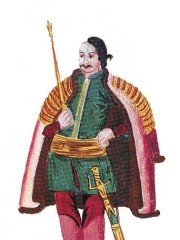
Michael II Apafi
1676 - 1713
HPI: 62.81
Rank: 8,384
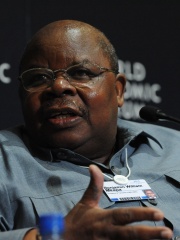
Benjamin Mkapa
1938 - 2020
HPI: 62.81
Rank: 8,385
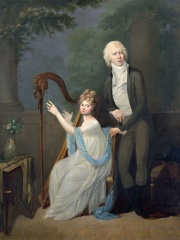
Duchess Louise Charlotte of Mecklenburg-Schwerin
1779 - 1801
HPI: 62.81
Rank: 8,386

Contemporaries
Among people born in 1946, Joseph Deiss ranks 219. Before him are Stig Blomqvist, Donovan, Cheng Pei-pei, Willy van der Kuijlen, Toquinho, and Robert Mapplethorpe. After him are Craig Venter, Ahmad al-Tayyeb, Maria Bethânia, Miguel Reina, Sven Nordqvist, and Ruth Fuchs.
Others Born in 1946
Go to all Rankings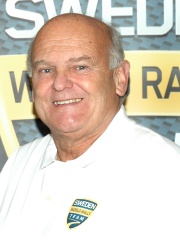
Stig Blomqvist
RACING DRIVER
1946 - Present
HPI: 63.00
Rank: 213
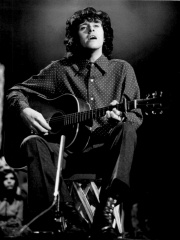
Donovan
MUSICIAN
1946 - Present
HPI: 63.00
Rank: 214
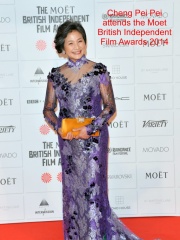
Cheng Pei-pei
ACTOR
1946 - 2024
HPI: 62.96
Rank: 215
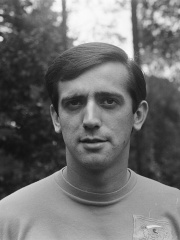
Willy van der Kuijlen
SOCCER PLAYER
1946 - 2021
HPI: 62.94
Rank: 216
Toquinho
MUSICIAN
1946 - Present
HPI: 62.92
Rank: 217
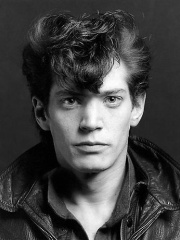
Robert Mapplethorpe
PHOTOGRAPHER
1946 - 1989
HPI: 62.82
Rank: 218
Joseph Deiss
POLITICIAN
1946 - Present
HPI: 62.82
Rank: 219
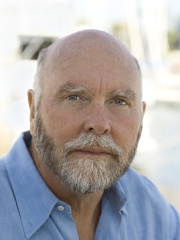
Craig Venter
BIOLOGIST
1946 - Present
HPI: 62.82
Rank: 220
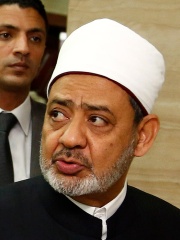
Ahmad al-Tayyeb
PHILOSOPHER
1946 - Present
HPI: 62.69
Rank: 221
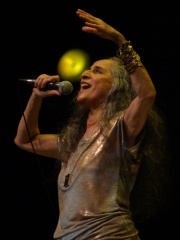
Maria Bethânia
SINGER
1946 - Present
HPI: 62.67
Rank: 222
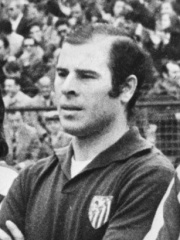
Miguel Reina
SOCCER PLAYER
1946 - Present
HPI: 62.66
Rank: 223
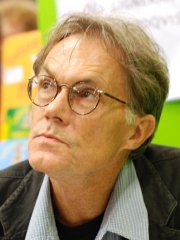
Sven Nordqvist
WRITER
1946 - Present
HPI: 62.65
Rank: 224
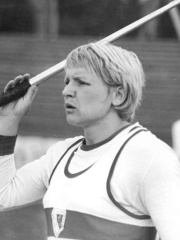
Ruth Fuchs
POLITICIAN
1946 - 2023
HPI: 62.61
Rank: 225
In Suíça
Among people born in Suíça, Joseph Deiss ranks 222 out of NaN. Before him are Jost Amman (1539), Emma Jung (1882), Jean Ziegler (1934), Jean Charles Galissard de Marignac (1817), André Abegglen (1909), and Claude Nicollier (1944). After him are Roberto Di Matteo (1970), Eugène Grasset (1845), Leonardo Conti (1900), Simon Antoine Jean L'Huilier (1750), Pierre Edmond Boissier (1810), and Meyer Guggenheim (1828).
Others born in Suíça
Go to all Rankings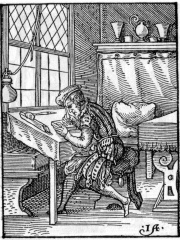
Jost Amman
PAINTER
1539 - 1591
HPI: 63.06
Rank: 216
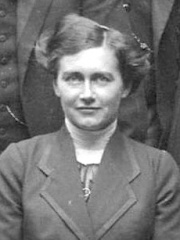
Emma Jung
WRITER
1882 - 1955
HPI: 63.06
Rank: 217
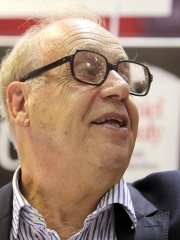
Jean Ziegler
SOCIAL ACTIVIST
1934 - Present
HPI: 63.05
Rank: 218
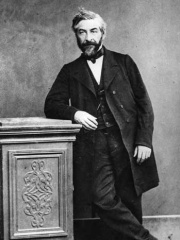
Jean Charles Galissard de Marignac
CHEMIST
1817 - 1894
HPI: 63.04
Rank: 219
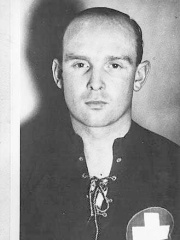
André Abegglen
SOCCER PLAYER
1909 - 1944
HPI: 63.01
Rank: 220
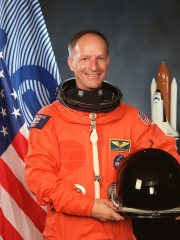
Claude Nicollier
ASTRONAUT
1944 - Present
HPI: 62.88
Rank: 221
Joseph Deiss
POLITICIAN
1946 - Present
HPI: 62.82
Rank: 222

Roberto Di Matteo
SOCCER PLAYER
1970 - Present
HPI: 62.80
Rank: 223
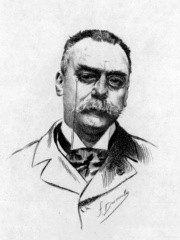
Eugène Grasset
PAINTER
1845 - 1917
HPI: 62.76
Rank: 224
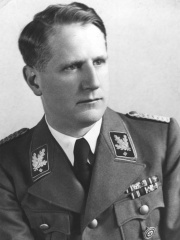
Leonardo Conti
POLITICIAN
1900 - 1945
HPI: 62.73
Rank: 225

Simon Antoine Jean L'Huilier
MATHEMATICIAN
1750 - 1840
HPI: 62.69
Rank: 226
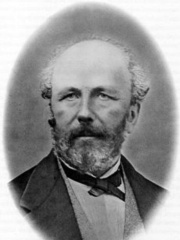
Pierre Edmond Boissier
BIOLOGIST
1810 - 1885
HPI: 62.61
Rank: 227
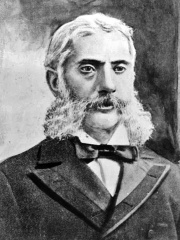
Meyer Guggenheim
BUSINESSPERSON
1828 - 1905
HPI: 62.59
Rank: 228
Among Políticos In Suíça
Among políticos born in Suíça, Joseph Deiss ranks 30. Before him are Duarte Pio, Duke of Braganza (1945), Ueli Maurer (1950), Simonetta Sommaruga (1960), Guy Parmelin (1959), Margaret of Savoy, Duchess of Anjou (1420), and Giuseppe Motta (1871). After him are Leonardo Conti (1900), Joanna of Pfirt (1300), Alois, Hereditary Prince of Liechtenstein (1968), Ubol Ratana (1951), Didier Burkhalter (1960), and Alfred Escher (1819).

Duarte Pio, Duke of Braganza
1945 - Present
HPI: 63.83
Rank: 24
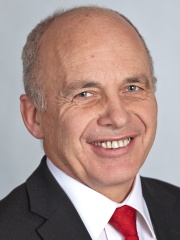
Ueli Maurer
1950 - Present
HPI: 63.77
Rank: 25
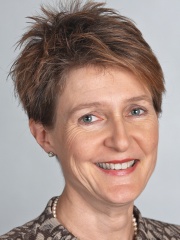
Simonetta Sommaruga
1960 - Present
HPI: 63.72
Rank: 26
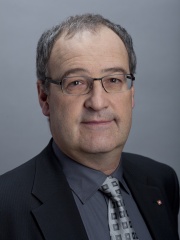
Guy Parmelin
1959 - Present
HPI: 63.44
Rank: 27
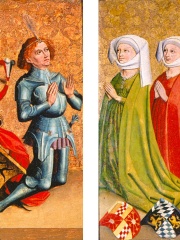
Margaret of Savoy, Duchess of Anjou
1420 - 1479
HPI: 63.40
Rank: 28
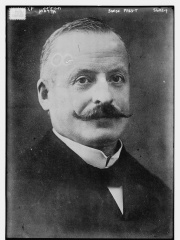
Giuseppe Motta
1871 - 1940
HPI: 63.23
Rank: 29
Joseph Deiss
1946 - Present
HPI: 62.82
Rank: 30
Leonardo Conti
1900 - 1945
HPI: 62.73
Rank: 31
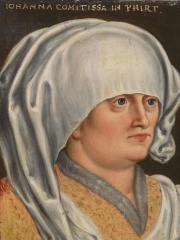
Joanna of Pfirt
1300 - 1351
HPI: 62.57
Rank: 32
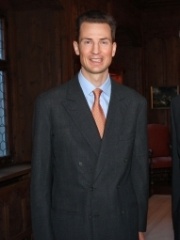
Alois, Hereditary Prince of Liechtenstein
1968 - Present
HPI: 62.51
Rank: 33
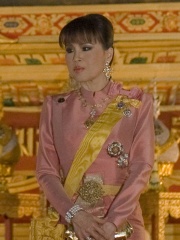
Ubol Ratana
1951 - Present
HPI: 62.29
Rank: 34
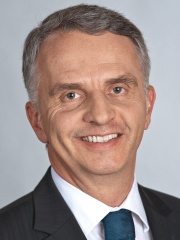
Didier Burkhalter
1960 - Present
HPI: 62.17
Rank: 35
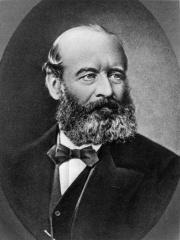
Alfred Escher
1819 - 1882
HPI: 62.16
Rank: 36