Político
Herman Van Rompuy
1947 - presente
PT.WIKIPEDIA PAGE VIEWS (PV)
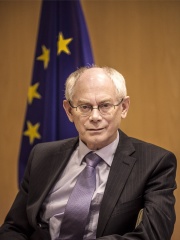

 Herman Van Rompuy
Sua biografia está disponível em 76 idiomas na Wikipédia. Herman Van Rompuy é o 1276º político mais popular (subiu do 1763º em 2024), a 49ª biografia mais popular da Bélgica (subiu do 66ª em 2019) e o 21º político mais popular da Bélgica.
Memorability Metrics
Page views of Herman Van Rompuy by language
Among Políticos
Among políticos, Herman Van Rompuy ranks 1,276 out of 19,576. Before him are Octavia the Younger, Kwame Nkrumah, Justin II, Sariputta, Chlothar II, and Reza Shah. After him are John III Doukas Vatatzes, Anton Drexler, Miguel Díaz-Canel, Abd el-Krim, Alfonso VI of León and Castile, and Abd al-Rahman I.
Most Popular Políticos in Wikipedia
Go to all Rankings
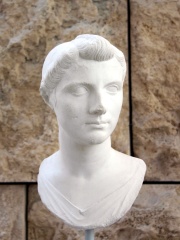
Octavia the Younger
69 BC - 11 BC
HPI: 74.72
Rank: 1,270
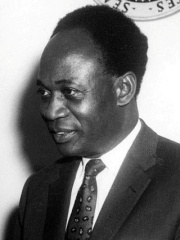
Kwame Nkrumah
1909 - 1972
HPI: 74.70
Rank: 1,271
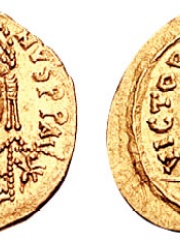
Justin II
520 - 578
HPI: 74.70
Rank: 1,272
Sariputta
568 BC - 484 BC
HPI: 74.70
Rank: 1,273
Chlothar II
584 - 629
HPI: 74.70
Rank: 1,274
Reza Shah
1878 - 1944
HPI: 74.69
Rank: 1,275
Herman Van Rompuy
1947 - Present
HPI: 74.69
Rank: 1,276
John III Doukas Vatatzes
1192 - 1254
HPI: 74.69
Rank: 1,277
Anton Drexler
1884 - 1942
HPI: 74.68
Rank: 1,278
Miguel Díaz-Canel
1960 - Present
HPI: 74.68
Rank: 1,279
Abd el-Krim
1882 - 1963
HPI: 74.67
Rank: 1,280
Alfonso VI of León and Castile
1040 - 1109
HPI: 74.67
Rank: 1,281
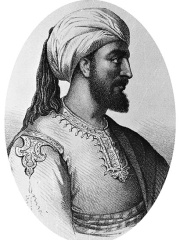
Abd al-Rahman I
731 - 788
HPI: 74.67
Rank: 1,282

Contemporaries
Among people born in 1947, Herman Van Rompuy ranks 25. Before him are Shirin Ebadi, Anwar Ibrahim, Paul Auster, Mohammad Najibullah, Carlos Santana, and Iggy Pop. After him are Glenn Close, Robert Kiyosaki, Ali Abdullah Saleh, Salman Rushdie, Takeshi Kitano, and Gerd Binnig.
Others Born in 1947
Go to all Rankings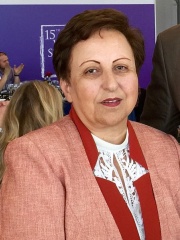
Shirin Ebadi
SOCIAL ACTIVIST
1947 - Present
HPI: 76.17
Rank: 19
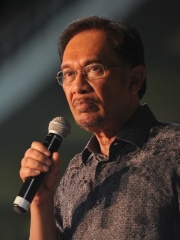
Anwar Ibrahim
POLITICIAN
1947 - Present
HPI: 76.01
Rank: 20
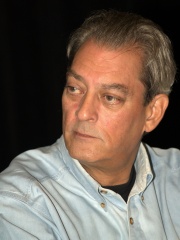
Paul Auster
WRITER
1947 - 2024
HPI: 75.86
Rank: 21
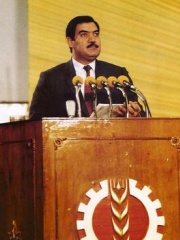
Mohammad Najibullah
POLITICIAN
1947 - 1996
HPI: 75.28
Rank: 22
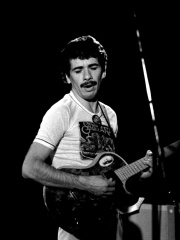
Carlos Santana
MUSICIAN
1947 - Present
HPI: 74.91
Rank: 23
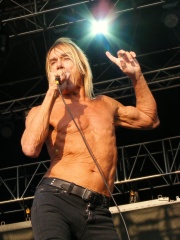
Iggy Pop
MUSICIAN
1947 - Present
HPI: 74.75
Rank: 24
Herman Van Rompuy
POLITICIAN
1947 - Present
HPI: 74.69
Rank: 25
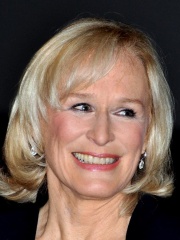
Glenn Close
ACTOR
1947 - Present
HPI: 74.65
Rank: 26
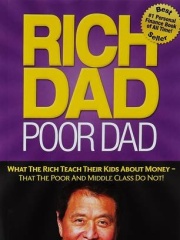
Robert Kiyosaki
BUSINESSPERSON
1947 - Present
HPI: 74.54
Rank: 27
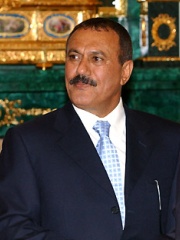
Ali Abdullah Saleh
POLITICIAN
1947 - 2017
HPI: 74.46
Rank: 28
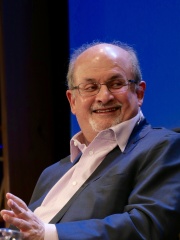
Salman Rushdie
WRITER
1947 - Present
HPI: 74.40
Rank: 29
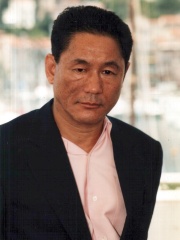
Takeshi Kitano
FILM DIRECTOR
1947 - Present
HPI: 73.76
Rank: 30
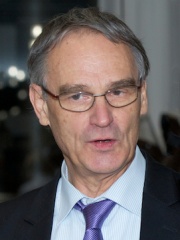
Gerd Binnig
PHYSICIST
1947 - Present
HPI: 73.15
Rank: 31
In Bélgica
Among people born in Bélgica, Herman Van Rompuy ranks 49 out of NaN. Before him are Pieter Brueghel the Younger (1564), Henri La Fontaine (1854), Princess Stéphanie of Belgium (1864), Pepin of Herstal (635), Margaret of Parma (1522), and Jan Baptist van Helmont (1580). After him are Jan Brueghel the Elder (1568), Paul-Henri Spaak (1899), Victor Horta (1861), Julio Cortázar (1914), Albert Claude (1899), and Samo (600).
Others born in Bélgica
Go to all Rankings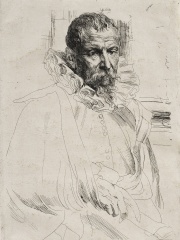
Pieter Brueghel the Younger
PAINTER
1564 - 1636
HPI: 75.41
Rank: 43
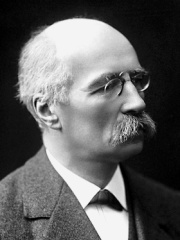
Henri La Fontaine
LAWYER
1854 - 1943
HPI: 75.10
Rank: 44
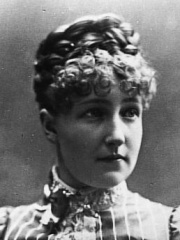
Princess Stéphanie of Belgium
POLITICIAN
1864 - 1945
HPI: 74.86
Rank: 45
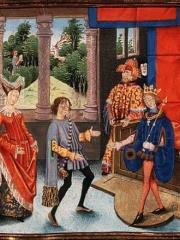
Pepin of Herstal
POLITICIAN
635 - 714
HPI: 74.84
Rank: 46
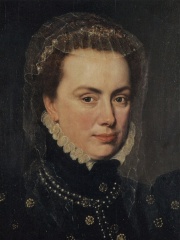
Margaret of Parma
POLITICIAN
1522 - 1586
HPI: 74.77
Rank: 47
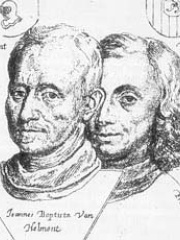
Jan Baptist van Helmont
CHEMIST
1580 - 1644
HPI: 74.70
Rank: 48
Herman Van Rompuy
POLITICIAN
1947 - Present
HPI: 74.69
Rank: 49
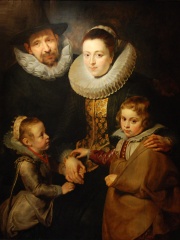
Jan Brueghel the Elder
PAINTER
1568 - 1625
HPI: 74.63
Rank: 50
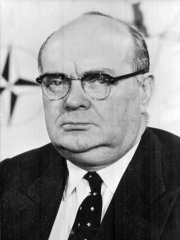
Paul-Henri Spaak
POLITICIAN
1899 - 1972
HPI: 74.62
Rank: 51
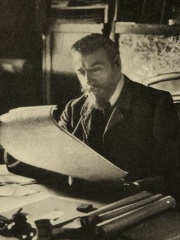
Victor Horta
ARCHITECT
1861 - 1947
HPI: 74.39
Rank: 52
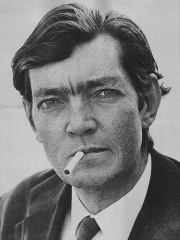
Julio Cortázar
WRITER
1914 - 1984
HPI: 74.29
Rank: 53
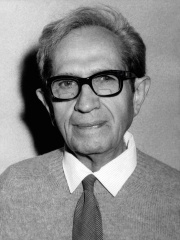
Albert Claude
BIOLOGIST
1899 - 1983
HPI: 74.29
Rank: 54
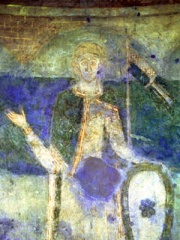
Samo
POLITICIAN
600 - 658
HPI: 74.04
Rank: 55
Among Políticos In Bélgica
Among políticos born in Bélgica, Herman Van Rompuy ranks 21. Before him are Charles VII, Holy Roman Emperor (1697), Eleanor of Austria (1498), William III of the Netherlands (1817), Princess Stéphanie of Belgium (1864), Pepin of Herstal (635), and Margaret of Parma (1522). After him are Paul-Henri Spaak (1899), Samo (600), Lionel of Antwerp, 1st Duke of Clarence (1338), Princess Joséphine Charlotte of Belgium (1927), Léon Degrelle (1906), and Gerard de Ridefort (1141).
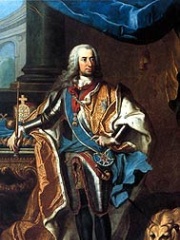
Charles VII, Holy Roman Emperor
1697 - 1745
HPI: 75.69
Rank: 15
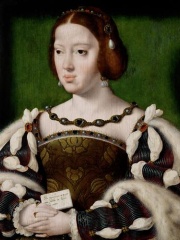
Eleanor of Austria
1498 - 1558
HPI: 75.65
Rank: 16
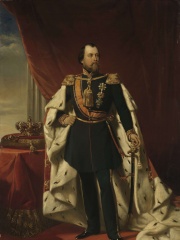
William III of the Netherlands
1817 - 1890
HPI: 75.63
Rank: 17
Princess Stéphanie of Belgium
1864 - 1945
HPI: 74.86
Rank: 18
Pepin of Herstal
635 - 714
HPI: 74.84
Rank: 19
Margaret of Parma
1522 - 1586
HPI: 74.77
Rank: 20
Herman Van Rompuy
1947 - Present
HPI: 74.69
Rank: 21
Paul-Henri Spaak
1899 - 1972
HPI: 74.62
Rank: 22
Samo
600 - 658
HPI: 74.04
Rank: 23
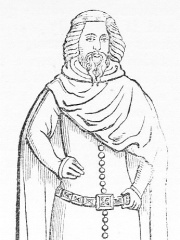
Lionel of Antwerp, 1st Duke of Clarence
1338 - 1368
HPI: 74.04
Rank: 24
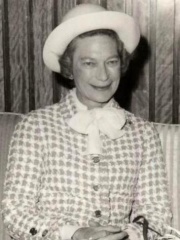
Princess Joséphine Charlotte of Belgium
1927 - 2005
HPI: 73.25
Rank: 25
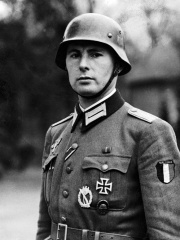
Léon Degrelle
1906 - 1994
HPI: 73.11
Rank: 26
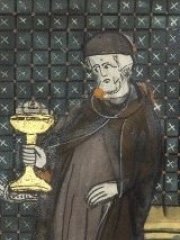
Gerard de Ridefort
1141 - 1189
HPI: 72.76
Rank: 27




