Companheiro
Hecuba
PT.WIKIPEDIA PAGE VIEWS (PV)
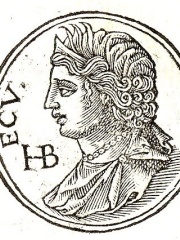
 Hecuba
Hécuba, na mitologia grega e romana, é mulher de Príamo, rainha de Troia e mãe de dezenove filhos, entre os quais se contam Heitor, Páris e Cassandra. Assistiu, em Tróia, à morte de quase todos e viu trucidarem seu esposo, sua filha Polixena e seu neto Astíanax. Hécuba é geralmente considerada filha do rei Dymas e seria a segunda esposa de Príamo que teria repudiado Arisbe para se casar com ela. O primeiro mito importante sobre Hécuba se relaciona ao sonho profético que teve quando grávida. Leia mais na Wikipédia
Sua biografia está disponível em 50 idiomas na Wikipédia (aumento em relação a 47 em 2024). Hecuba é a 110ª companheiro mais popular (caiu do 75ª em 2024), a 210ª biografia mais popular da Turquia (caiu do 152ª em 2019) e a 7ª companheiro mais popular da Turquia.
Memorability Metrics
Page views of Hecuba by language
Among Companheiros
Among companheiros, Hecuba ranks 110 out of 784. Before her are Mariam-uz-Zamani, Louise of Mecklenburg-Strelitz, Margaret of Austria, Queen of Spain, Maria of Aragon, Queen of Portugal, Isabella of Aragon, Queen of Portugal, and Pulcheria. After her are Athaliah, Maria Amalia of Austria, Julia the Elder, Elisabeth of Austria, Queen of France, Emma of Normandy, and Margaret Tudor.
Most Popular Companheiros in Wikipedia
Go to all Rankings
Mariam-uz-Zamani
1542 - 1623
HPI: 73.82
Rank: 104
Louise of Mecklenburg-Strelitz
1776 - 1810
HPI: 73.78
Rank: 105
Margaret of Austria, Queen of Spain
1584 - 1611
HPI: 73.75
Rank: 106
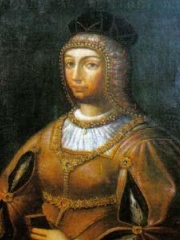
Maria of Aragon, Queen of Portugal
1482 - 1517
HPI: 73.69
Rank: 107
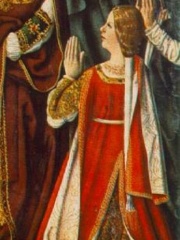
Isabella of Aragon, Queen of Portugal
1470 - 1498
HPI: 73.67
Rank: 108
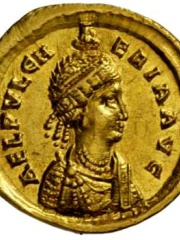
Pulcheria
399 - 453
HPI: 73.65
Rank: 109
Hecuba
HPI: 73.62
Rank: 110
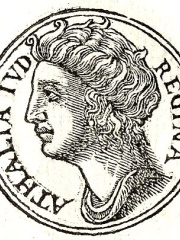
Athaliah
900 BC - 860 BC
HPI: 73.54
Rank: 111
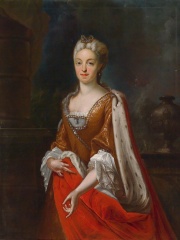
Maria Amalia of Austria
1701 - 1756
HPI: 73.48
Rank: 112
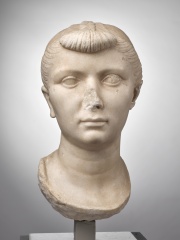
Julia the Elder
39 BC - 14
HPI: 73.42
Rank: 113
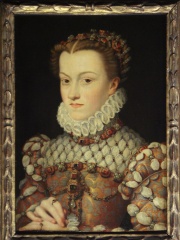
Elisabeth of Austria, Queen of France
1554 - 1592
HPI: 73.37
Rank: 114

Emma of Normandy
985 - 1052
HPI: 73.36
Rank: 115
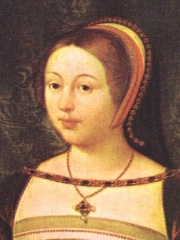
Margaret Tudor
1489 - 1541
HPI: 73.33
Rank: 116

In Turquia
Among people born in Turquia, Hecuba ranks 210 out of NaN. Before her are Mausolus (-410), Andronikos III Palaiologos (1297), Numerian (254), Alexios III Angelos (1153), Pulcheria (399), and Thābit ibn Qurra (836). After her are Romanos II (938), Anthemius (420), Michael I Rangabe (770), Simeon Stylites (389), Pope John VI (655), and Mehmet Ali Ağca (1958).
Others born in Turquia
Go to all Rankings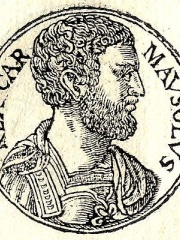
Mausolus
POLITICIAN
410 BC - 353 BC
HPI: 73.83
Rank: 204
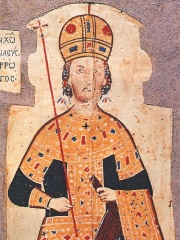
Andronikos III Palaiologos
POLITICIAN
1297 - 1341
HPI: 73.76
Rank: 205
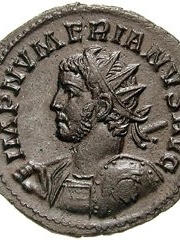
Numerian
POLITICIAN
254 - 284
HPI: 73.76
Rank: 206
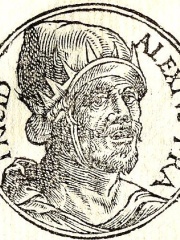
Alexios III Angelos
POLITICIAN
1153 - 1211
HPI: 73.69
Rank: 207
Pulcheria
COMPANION
399 - 453
HPI: 73.65
Rank: 208

Thābit ibn Qurra
MATHEMATICIAN
836 - 901
HPI: 73.63
Rank: 209
Hecuba
COMPANION
HPI: 73.62
Rank: 210
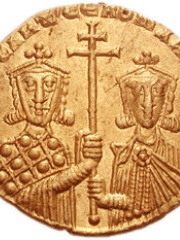
Romanos II
POLITICIAN
938 - 963
HPI: 73.56
Rank: 211
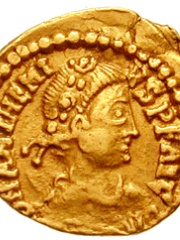
Anthemius
POLITICIAN
420 - 472
HPI: 73.55
Rank: 212

Michael I Rangabe
POLITICIAN
770 - 844
HPI: 73.53
Rank: 213
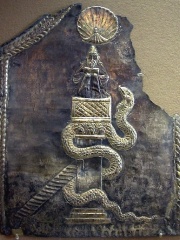
Simeon Stylites
RELIGIOUS FIGURE
389 - 459
HPI: 73.51
Rank: 214
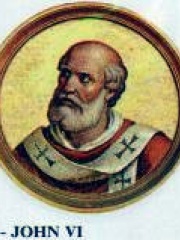
Pope John VI
RELIGIOUS FIGURE
655 - 705
HPI: 73.49
Rank: 215

Mehmet Ali Ağca
EXTREMIST
1958 - Present
HPI: 73.48
Rank: 216
Among Companheiros In Turquia
Among companheiros born in Turquia, Hecuba ranks 7. Before her are Helena (250), Aspasia (-470), Mihrimah Sultan (1522), Antinous (111), Malhun Hatun (1350), and Pulcheria (399). After her are Gülfem Hatun (1500), Agnes of Antioch (1153), Hümaşah Sultan (1540), Kaya Sultan (1633), Maria Laskarina (1206), and Licinia Eudoxia (422).
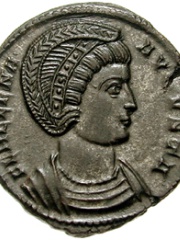
Helena
250 - 330
HPI: 85.76
Rank: 1
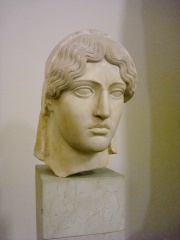
Aspasia
470 BC - 400 BC
HPI: 82.17
Rank: 2
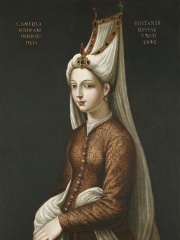
Mihrimah Sultan
1522 - 1578
HPI: 81.60
Rank: 3
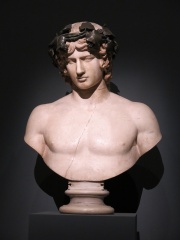
Antinous
111 - 130
HPI: 74.42
Rank: 4

Malhun Hatun
1350 - 1324
HPI: 74.09
Rank: 5
Pulcheria
399 - 453
HPI: 73.65
Rank: 6
Hecuba
HPI: 73.62
Rank: 7

Gülfem Hatun
1500 - 1561
HPI: 69.70
Rank: 8
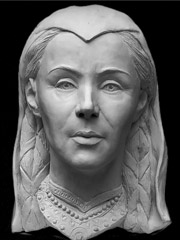
Agnes of Antioch
1153 - 1184
HPI: 68.24
Rank: 9

Hümaşah Sultan
1540 - 1592
HPI: 67.77
Rank: 10

Kaya Sultan
1633 - 1659
HPI: 67.67
Rank: 11
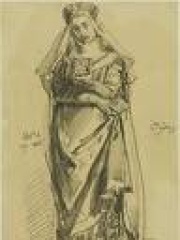
Maria Laskarina
1206 - 1270
HPI: 67.32
Rank: 12
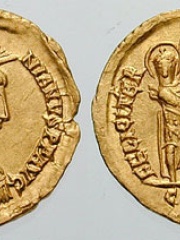
Licinia Eudoxia
422 - 493
HPI: 67.06
Rank: 13