Químico
Giulio Natta
1903 - 1979
PT.WIKIPEDIA PAGE VIEWS (PV)
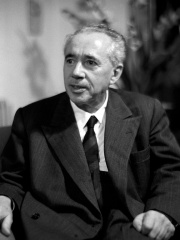
 Giulio Natta
Sua biografia está disponível em 66 idiomas na Wikipédia. Giulio Natta é o 219º químico mais popular (caiu do 178º em 2024), a 1063ª biografia mais popular da Itália (subiu do 1116ª em 2019) e o 2º químico mais popular da Itália.
Memorability Metrics
Page views of Giulio Natta by language
Among Químicos
Among químicos, Giulio Natta ranks 219 out of 602. Before him are Paul Lauterbur, Kenichi Fukui, Geoffrey Wilkinson, Sophia Brahe, Leo Baekeland, and Osamu Shimomura. After him are C. N. R. Rao, Ahmed Zewail, Johan Gottlieb Gahn, John Newlands, Joachim Frank, and Hartmut Michel.
Most Popular Químicos in Wikipedia
Go to all Rankings
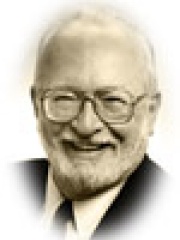
Paul Lauterbur
1929 - 2007
HPI: 69.04
Rank: 213
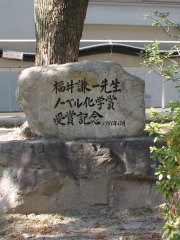
Kenichi Fukui
1918 - 1998
HPI: 69.03
Rank: 214
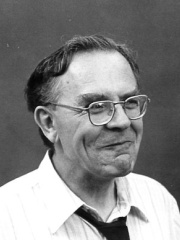
Geoffrey Wilkinson
1921 - 1996
HPI: 68.92
Rank: 215
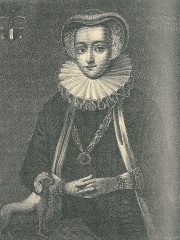
Sophia Brahe
1556 - 1643
HPI: 68.91
Rank: 216
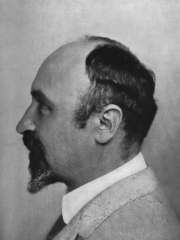
Leo Baekeland
1863 - 1944
HPI: 68.90
Rank: 217
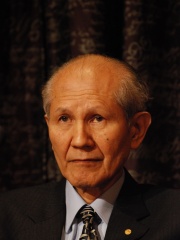
Osamu Shimomura
1928 - 2018
HPI: 68.88
Rank: 218
Giulio Natta
1903 - 1979
HPI: 68.86
Rank: 219
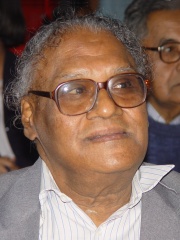
C. N. R. Rao
1934 - Present
HPI: 68.82
Rank: 220
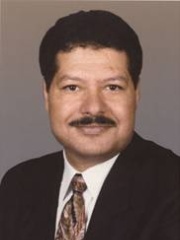
Ahmed Zewail
1946 - 2016
HPI: 68.82
Rank: 221
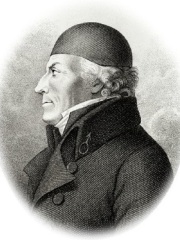
Johan Gottlieb Gahn
1745 - 1818
HPI: 68.78
Rank: 222
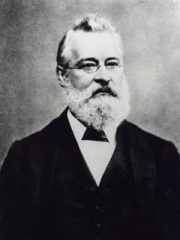
John Newlands
1837 - 1898
HPI: 68.74
Rank: 223
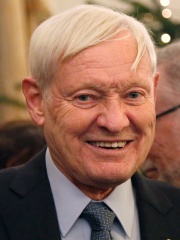
Joachim Frank
1940 - Present
HPI: 68.69
Rank: 224
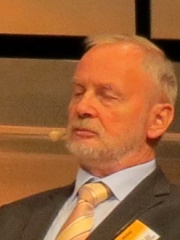
Hartmut Michel
1948 - Present
HPI: 68.68
Rank: 225

Contemporaries
Among people born in 1903, Giulio Natta ranks 50. Before him are Matthias Sindelar, Claudette Colbert, Tunku Abdul Rahman, Julius Fučík, Abul A'la Maududi, and Eliot Ness. After him are Bruno Bettelheim, Andrei Grechko, Claudio Arrau, Kenneth Clark, Georg Elser, and George Davis Snell. Among people deceased in 1979, Giulio Natta ranks 40. Before him are Yukio Tsuda, Wilhelm Bittrich, Abul A'la Maududi, Francisco Macías Nguema, Zulfikar Ali Bhutto, and Rachele Mussolini. After him are Edvard Kardelj, Wilfred Bion, Mamie Eisenhower, Dimitri Tiomkin, Otto Robert Frisch, and Jean-Marie Villot.
Others Born in 1903
Go to all Rankings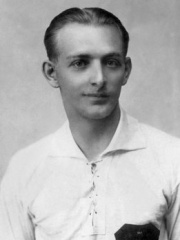
Matthias Sindelar
SOCCER PLAYER
1903 - 1939
HPI: 69.55
Rank: 44

Claudette Colbert
ACTOR
1903 - 1996
HPI: 69.43
Rank: 45
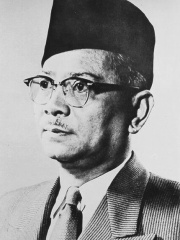
Tunku Abdul Rahman
POLITICIAN
1903 - 1990
HPI: 69.41
Rank: 46
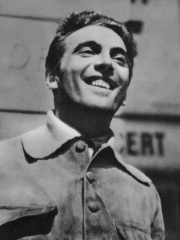
Julius Fučík
WRITER
1903 - 1943
HPI: 69.40
Rank: 47

Abul A'la Maududi
PHILOSOPHER
1903 - 1979
HPI: 69.30
Rank: 48
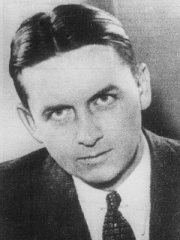
Eliot Ness
POLITICIAN
1903 - 1957
HPI: 68.89
Rank: 49
Giulio Natta
CHEMIST
1903 - 1979
HPI: 68.86
Rank: 50

Bruno Bettelheim
PSYCHOLOGIST
1903 - 1990
HPI: 68.62
Rank: 51
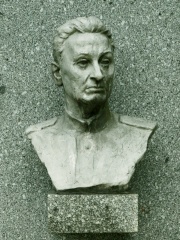
Andrei Grechko
MILITARY PERSONNEL
1903 - 1976
HPI: 68.57
Rank: 52
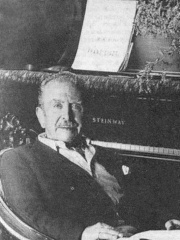
Claudio Arrau
MUSICIAN
1903 - 1991
HPI: 68.37
Rank: 53
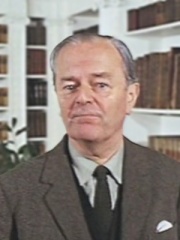
Kenneth Clark
HISTORIAN
1903 - 1983
HPI: 68.36
Rank: 54
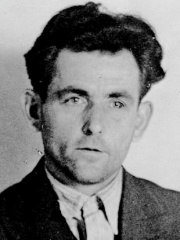
Georg Elser
DESIGNER
1903 - 1945
HPI: 68.33
Rank: 55

George Davis Snell
BIOLOGIST
1903 - 1996
HPI: 68.22
Rank: 56
Others Deceased in 1979
Go to all Rankings
Yukio Tsuda
SOCCER PLAYER
1917 - 1979
HPI: 69.56
Rank: 34
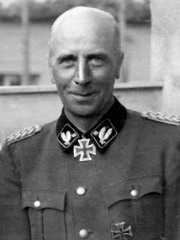
Wilhelm Bittrich
MILITARY PERSONNEL
1894 - 1979
HPI: 69.40
Rank: 35
Abul A'la Maududi
PHILOSOPHER
1903 - 1979
HPI: 69.30
Rank: 36
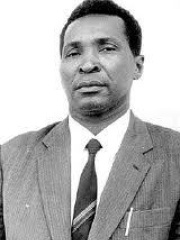
Francisco Macías Nguema
POLITICIAN
1924 - 1979
HPI: 69.12
Rank: 37
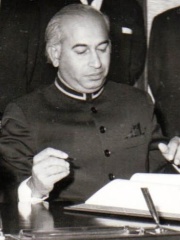
Zulfikar Ali Bhutto
POLITICIAN
1928 - 1979
HPI: 69.00
Rank: 38
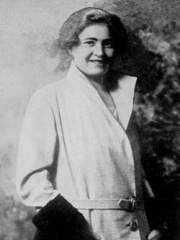
Rachele Mussolini
COMPANION
1890 - 1979
HPI: 68.93
Rank: 39
Giulio Natta
CHEMIST
1903 - 1979
HPI: 68.86
Rank: 40

Edvard Kardelj
POLITICIAN
1910 - 1979
HPI: 68.07
Rank: 41
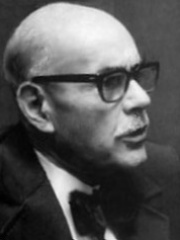
Wilfred Bion
PSYCHOLOGIST
1897 - 1979
HPI: 67.76
Rank: 42

Mamie Eisenhower
COMPANION
1896 - 1979
HPI: 67.43
Rank: 43
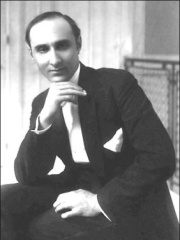
Dimitri Tiomkin
COMPOSER
1894 - 1979
HPI: 67.29
Rank: 44
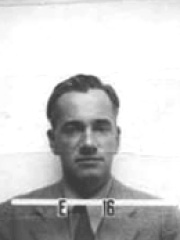
Otto Robert Frisch
PHYSICIST
1904 - 1979
HPI: 67.25
Rank: 45
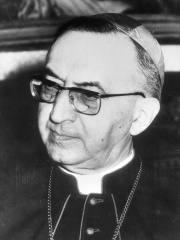
Jean-Marie Villot
RELIGIOUS FIGURE
1905 - 1979
HPI: 67.19
Rank: 46
In Itália
Among people born in Itália, Giulio Natta ranks 1,063 out of NaN. Before him are Rachele Mussolini (1890), John of Capistrano (1386), Publius Cornelius Dolabella (-70), Miuccia Prada (1949), Romuald (951), and Giovanni Paolo Panini (1691). After him are Justus (600), Cola di Rienzo (1313), Alfonso IV of Aragon (1299), Janus of Cyprus (1375), Giuseppe Caspar Mezzofanti (1774), and Marie Mancini (1639).
Others born in Itália
Go to all RankingsRachele Mussolini
COMPANION
1890 - 1979
HPI: 68.93
Rank: 1,057
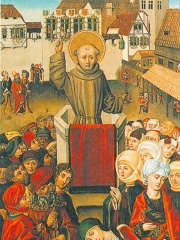
John of Capistrano
RELIGIOUS FIGURE
1386 - 1456
HPI: 68.90
Rank: 1,058

Publius Cornelius Dolabella
POLITICIAN
70 BC - 43 BC
HPI: 68.89
Rank: 1,059

Miuccia Prada
DESIGNER
1949 - Present
HPI: 68.88
Rank: 1,060
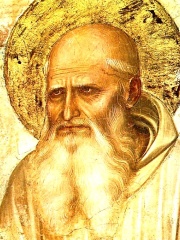
Romuald
RELIGIOUS FIGURE
951 - 1027
HPI: 68.86
Rank: 1,061
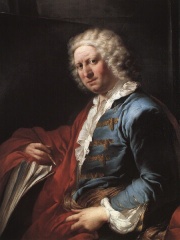
Giovanni Paolo Panini
PAINTER
1691 - 1765
HPI: 68.86
Rank: 1,062
Giulio Natta
CHEMIST
1903 - 1979
HPI: 68.86
Rank: 1,063
Justus
RELIGIOUS FIGURE
600 - 631
HPI: 68.85
Rank: 1,064
Cola di Rienzo
POLITICIAN
1313 - 1354
HPI: 68.85
Rank: 1,065
Alfonso IV of Aragon
POLITICIAN
1299 - 1336
HPI: 68.84
Rank: 1,066
Janus of Cyprus
POLITICIAN
1375 - 1432
HPI: 68.84
Rank: 1,067
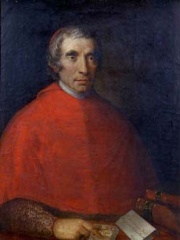
Giuseppe Caspar Mezzofanti
RELIGIOUS FIGURE
1774 - 1849
HPI: 68.84
Rank: 1,068
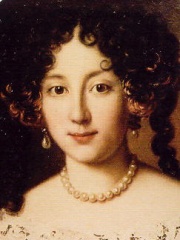
Marie Mancini
WRITER
1639 - 1715
HPI: 68.84
Rank: 1,069
Among Químicos In Itália
Among químicos born in Itália, Giulio Natta ranks 2. Before him are Amedeo Avogadro (1776). After him are Stanislao Cannizzaro (1826), Ascanio Sobrero (1812), Édouard Herzen (1877), and Agnes Pockels (1862).
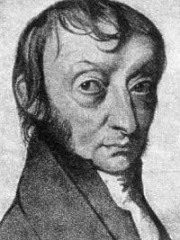
Amedeo Avogadro
1776 - 1856
HPI: 81.67
Rank: 1
Giulio Natta
1903 - 1979
HPI: 68.86
Rank: 2
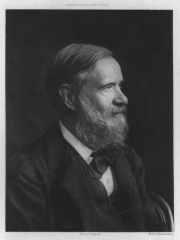
Stanislao Cannizzaro
1826 - 1910
HPI: 68.39
Rank: 3
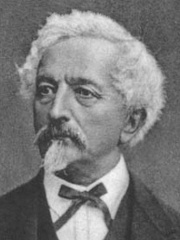
Ascanio Sobrero
1812 - 1888
HPI: 66.38
Rank: 4
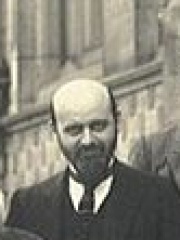
Édouard Herzen
1877 - 1936
HPI: 62.21
Rank: 5
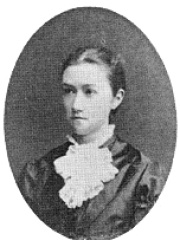
Agnes Pockels
1862 - 1935
HPI: 61.17
Rank: 6