Figura religiosa
Gan Ji
101 - 200
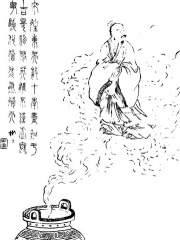
 Gan Ji
Sua biografia está disponível em 15 idiomas na Wikipédia. Gan Ji é o 1866º figura religiosa mais popular (caiu do 1632º em 2024), a 655ª biografia mais popular da China (caiu do 645ª em 2019) e o 15º figura religiosa mais popular da China.
Memorability Metrics
Page views of Gan Ji by language
Among Figura religiosas
Among figura religiosas, Gan Ji ranks 1,866 out of 3,187. Before him are Saleh Al-Fawzan, William Allen, Nahor, son of Terah, Abu al-Misk Kafur, Morteza Motahhari, and Muhammad Siddiq Al-Minshawi. After him are Anandi Gopal Joshi, Abu Sa'id Abu'l-Khayr, Gregorio Barbarigo, Joseph the Hymnographer, Nephon II of Constantinople, and Gilberto Agustoni.
Most Popular Figura Religiosas in Wikipedia
Go to all Rankings

Saleh Al-Fawzan
1933 - Present
HPI: 61.47
Rank: 1,860

William Allen
1532 - 1594
HPI: 61.47
Rank: 1,861
Nahor, son of Terah
HPI: 61.46
Rank: 1,862
Abu al-Misk Kafur
905 - 968
HPI: 61.46
Rank: 1,863

Morteza Motahhari
1919 - 1979
HPI: 61.46
Rank: 1,864

Muhammad Siddiq Al-Minshawi
1920 - 1969
HPI: 61.45
Rank: 1,865
Gan Ji
101 - 200
HPI: 61.45
Rank: 1,866

Anandi Gopal Joshi
1865 - 1887
HPI: 61.45
Rank: 1,867
Abu Sa'id Abu'l-Khayr
967 - 1049
HPI: 61.44
Rank: 1,868

Gregorio Barbarigo
1625 - 1697
HPI: 61.44
Rank: 1,869

Joseph the Hymnographer
816 - 886
HPI: 61.44
Rank: 1,870

Nephon II of Constantinople
1450 - 1508
HPI: 61.43
Rank: 1,871

Gilberto Agustoni
1922 - 2017
HPI: 61.43
Rank: 1,872

Contemporaries
Among people born in 101, Gan Ji ranks 11. Before him are Polyaenus, Felicitas of Rome, Blandina, Zhang Lu, An Shigao, and Xenophon of Ephesus. After him is Oppian. Among people deceased in 200, Gan Ji ranks 27. Before him are Albinus, Cerinthus, Pabag, Yan Liang, Apollonius Dyscolus, and Chariton. After him are Lokaksema, Favorinus, Rabbel II Soter, Dionysius Periegetes, Hyginus Gromaticus, and Phlegon of Tralles.
Others Born in 101
Go to all Rankings
Polyaenus
WRITER
101 - 180
HPI: 66.22
Rank: 5

Felicitas of Rome
RELIGIOUS FIGURE
101 - 165
HPI: 65.13
Rank: 6
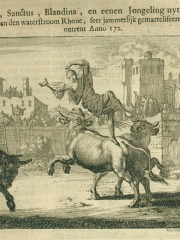
Blandina
RELIGIOUS FIGURE
101 - 177
HPI: 64.29
Rank: 7
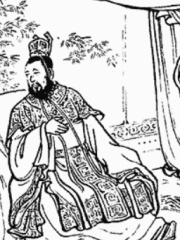
Zhang Lu
POLITICIAN
101 - 216
HPI: 63.90
Rank: 8

An Shigao
RELIGIOUS FIGURE
101 - 168
HPI: 62.57
Rank: 9

Xenophon of Ephesus
WRITER
101 - 300
HPI: 62.11
Rank: 10
Gan Ji
RELIGIOUS FIGURE
101 - 200
HPI: 61.45
Rank: 11

Oppian
WRITER
101 - Present
HPI: 56.90
Rank: 12
Others Deceased in 200
Go to all Rankings
Albinus
PHILOSOPHER
100 - 200
HPI: 62.42
Rank: 21

Cerinthus
PHILOSOPHER
100 - 200
HPI: 62.35
Rank: 22
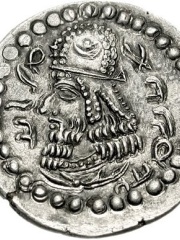
Pabag
POLITICIAN
155 - 200
HPI: 62.33
Rank: 23
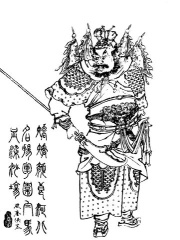
Yan Liang
MILITARY PERSONNEL
200 - 200
HPI: 62.16
Rank: 24
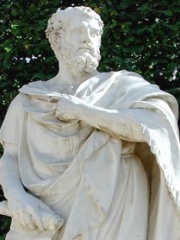
Apollonius Dyscolus
WRITER
200 - 200
HPI: 61.90
Rank: 25

Chariton
WRITER
100 - 200
HPI: 61.60
Rank: 26
Gan Ji
RELIGIOUS FIGURE
101 - 200
HPI: 61.45
Rank: 27
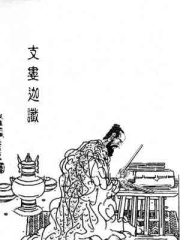
Lokaksema
RELIGIOUS FIGURE
147 - 200
HPI: 61.42
Rank: 28

Favorinus
PHILOSOPHER
85 - 200
HPI: 61.27
Rank: 29

Rabbel II Soter
POLITICIAN
100 - 200
HPI: 61.04
Rank: 30
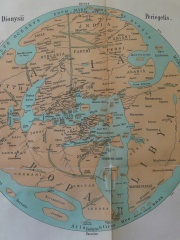
Dionysius Periegetes
WRITER
100 - 200
HPI: 60.63
Rank: 31

Hyginus Gromaticus
WRITER
100 - 200
HPI: 60.26
Rank: 32

Phlegon of Tralles
WRITER
200 - 200
HPI: 59.81
Rank: 33
In China
Among people born in China, Gan Ji ranks 655 out of NaN. Before him are Pei Songzhi (372), Choekyi Gyaltsen, 10th Panchen Lama (1938), Luo Yixiu (1889), Liu Penzi (11), Guan Daosheng (1262), and Jung Chang (1952). After him are Zhang Zhidong (1837), Lu Xiufu (1236), Yang Hui (1238), Yuan Longping (1930), Emperor Xiaowu of Jin (362), and Yan Liben (600).
Others born in China
Go to all Rankings
Pei Songzhi
HISTORIAN
372 - 451
HPI: 61.53
Rank: 649

Choekyi Gyaltsen, 10th Panchen Lama
POLITICIAN
1938 - 1989
HPI: 61.52
Rank: 650

Luo Yixiu
WRITER
1889 - 1910
HPI: 61.51
Rank: 651

Liu Penzi
POLITICIAN
11 - 100
HPI: 61.49
Rank: 652
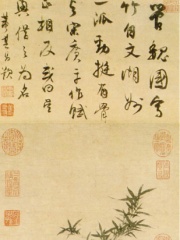
Guan Daosheng
WRITER
1262 - 1319
HPI: 61.48
Rank: 653

Jung Chang
WRITER
1952 - Present
HPI: 61.47
Rank: 654
Gan Ji
RELIGIOUS FIGURE
101 - 200
HPI: 61.45
Rank: 655
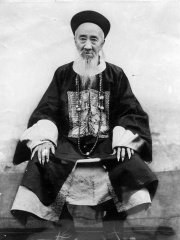
Zhang Zhidong
POLITICIAN
1837 - 1909
HPI: 61.44
Rank: 656
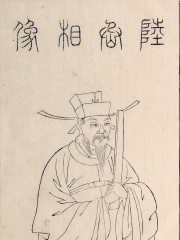
Lu Xiufu
POLITICIAN
1236 - 1279
HPI: 61.44
Rank: 657
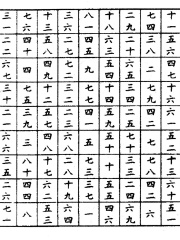
Yang Hui
MATHEMATICIAN
1238 - 1298
HPI: 61.42
Rank: 658

Yuan Longping
INVENTOR
1930 - 2021
HPI: 61.42
Rank: 659

Emperor Xiaowu of Jin
POLITICIAN
362 - 396
HPI: 61.40
Rank: 660

Yan Liben
ARCHITECT
600 - 673
HPI: 61.39
Rank: 661
Among Figura religiosas In China
Among figura religiosas born in China, Gan Ji ranks 15. Before him are Ignatius Kung Pin-Mei (1901), Bao Xishun (1951), Shaohao (null), Rabban Bar Sauma (1220), Jianzhen (688), and Sengcan (529). After him are Mang of Xia (null), Witness Lee (1905), Thomas Tien Ken-sin (1890), Hsing Yun (1927), Paul Shan Kuo-hsi (1924), and Paul Yü Pin (1901).

Ignatius Kung Pin-Mei
1901 - 2000
HPI: 64.38
Rank: 9

Bao Xishun
1951 - Present
HPI: 64.37
Rank: 10
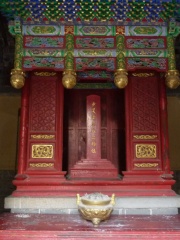
Shaohao
HPI: 63.86
Rank: 11

Rabban Bar Sauma
1220 - 1294
HPI: 63.40
Rank: 12
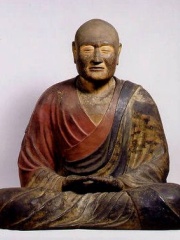
Jianzhen
688 - 763
HPI: 62.47
Rank: 13
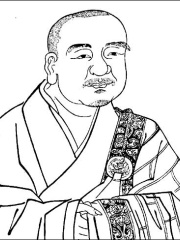
Sengcan
529 - 606
HPI: 62.37
Rank: 14
Gan Ji
101 - 200
HPI: 61.45
Rank: 15

Mang of Xia
HPI: 60.79
Rank: 16
Witness Lee
1905 - 1997
HPI: 59.48
Rank: 17
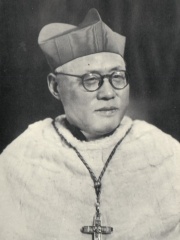
Thomas Tien Ken-sin
1890 - 1967
HPI: 58.91
Rank: 18

Hsing Yun
1927 - 2023
HPI: 57.14
Rank: 19

Paul Shan Kuo-hsi
1924 - 2012
HPI: 56.07
Rank: 20

Paul Yü Pin
1901 - 1978
HPI: 55.48
Rank: 21