Político
Button Gwinnett
1735 - 1777
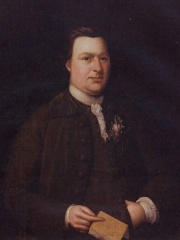
 Button Gwinnett
Sua biografia está disponível em 17 idiomas na Wikipédia. Button Gwinnett é o 18164º político mais popular (caiu do 17666º em 2024), a 6377ª biografia mais popular do Reino Unido (caiu do 5990ª em 2019) e o 680º político mais popular do Reino Unido.
Memorability Metrics
Page views of Button Gwinnett by language
Among Políticos
Among políticos, Button Gwinnett ranks 18,164 out of 19,576. Before him are Albert B. Fall, Joaquin Castro, Craig L. Thomas, André Wohllebe, Eduardo Campos, and Naser Khader. After him are Alexander Borodai, Zhou Qiang, Tommy Thompson, Kris Peeters, Russell A. Alger, and Noor Hassanali.
Most Popular Políticos in Wikipedia
Go to all Rankings
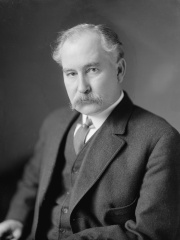
Albert B. Fall
1861 - 1944
HPI: 47.96
Rank: 18,165

Joaquin Castro
1974 - Present
HPI: 47.96
Rank: 18,166
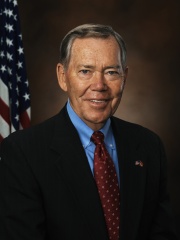
Craig L. Thomas
1933 - 2007
HPI: 47.95
Rank: 18,167

André Wohllebe
1962 - 2014
HPI: 47.94
Rank: 18,168

Eduardo Campos
1965 - 2014
HPI: 47.94
Rank: 18,169
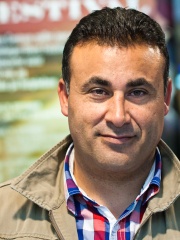
Naser Khader
1963 - Present
HPI: 47.93
Rank: 18,170
Button Gwinnett
1735 - 1777
HPI: 47.93
Rank: 18,171

Alexander Borodai
1972 - Present
HPI: 47.92
Rank: 18,172

Zhou Qiang
1960 - Present
HPI: 47.92
Rank: 18,173
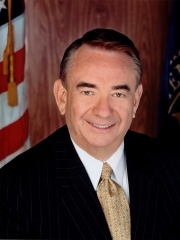
Tommy Thompson
1941 - Present
HPI: 47.91
Rank: 18,174

Kris Peeters
1962 - Present
HPI: 47.91
Rank: 18,175
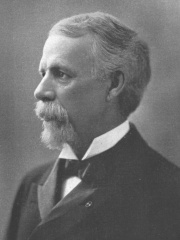
Russell A. Alger
1836 - 1907
HPI: 47.90
Rank: 18,176
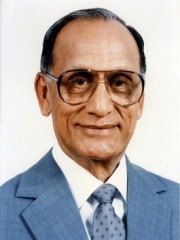
Noor Hassanali
1918 - 2006
HPI: 47.90
Rank: 18,177

Contemporaries
Among people born in 1735, Button Gwinnett ranks 33. Before him are Domenico Vandelli, Princess Frederica Caroline of Saxe-Coburg-Saalfeld, Ulrika Pasch, Tobias Furneaux, John Jervis, 1st Earl of St Vincent, and Jesse Ramsden. Among people deceased in 1777, Button Gwinnett ranks 27. Before him are Jean-Baptiste-Louis Gresset, Dolly Pentreath, John Morton, Mir Qasim, Pratap Singh Shah, and John Bartram.
Others Born in 1735
Go to all Rankings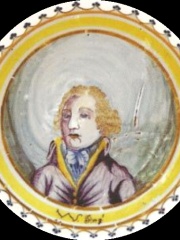
Domenico Vandelli
BIOLOGIST
1735 - 1816
HPI: 57.11
Rank: 27
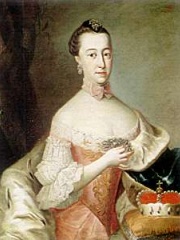
Princess Frederica Caroline of Saxe-Coburg-Saalfeld
NOBLEMAN
1735 - 1791
HPI: 55.71
Rank: 28
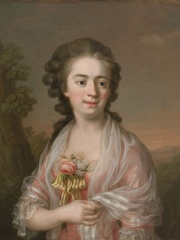
Ulrika Pasch
PAINTER
1735 - 1796
HPI: 55.44
Rank: 29
Tobias Furneaux
EXPLORER
1735 - 1781
HPI: 54.43
Rank: 30
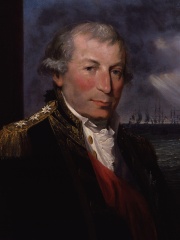
John Jervis, 1st Earl of St Vincent
MILITARY PERSONNEL
1735 - 1823
HPI: 53.64
Rank: 31
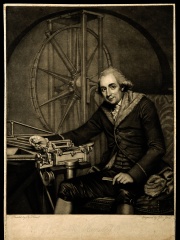
Jesse Ramsden
ENGINEER
1735 - 1800
HPI: 53.41
Rank: 32
Button Gwinnett
POLITICIAN
1735 - 1777
HPI: 47.93
Rank: 33
Others Deceased in 1777
Go to all Rankings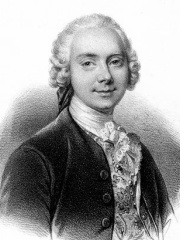
Jean-Baptiste-Louis Gresset
WRITER
1709 - 1777
HPI: 56.43
Rank: 21
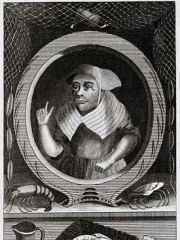
Dolly Pentreath
RELIGIOUS FIGURE
1692 - 1777
HPI: 55.63
Rank: 22
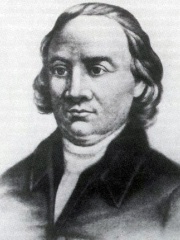
John Morton
POLITICIAN
1725 - 1777
HPI: 54.63
Rank: 23
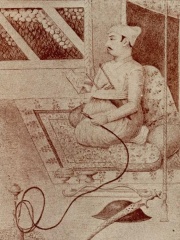
Mir Qasim
POLITICIAN
HPI: 54.05
Rank: 24
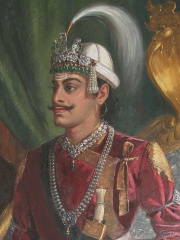
Pratap Singh Shah
NOBLEMAN
1751 - 1777
HPI: 52.40
Rank: 25
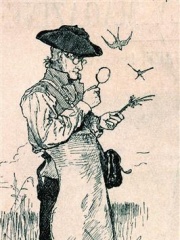
John Bartram
BIOLOGIST
1699 - 1777
HPI: 51.81
Rank: 26
Button Gwinnett
POLITICIAN
1735 - 1777
HPI: 47.93
Rank: 27
In Reino Unido
Among people born in Reino Unido, Button Gwinnett ranks 6,379 out of NaN. Before him are Emily Faithfull (1835), Edward Thomas (1878), Philippa Fawcett (1868), Nicholas Monsarrat (1910), Graham Higman (1917), and Karima Adebibe (1985). After him are Herbert Beerbohm Tree (1852), June Brown (1927), Ken Downing (1917), James Key (1972), Douglas Henshall (1965), and Taio Cruz (1980).
Others born in Reino Unido
Go to all Rankings
Emily Faithfull
BUSINESSPERSON
1835 - 1895
HPI: 47.95
Rank: 6,373
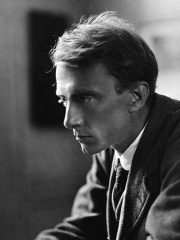
Edward Thomas
WRITER
1878 - 1917
HPI: 47.95
Rank: 6,374
Philippa Fawcett
MATHEMATICIAN
1868 - 1948
HPI: 47.95
Rank: 6,375
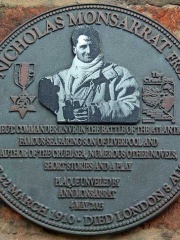
Nicholas Monsarrat
WRITER
1910 - 1979
HPI: 47.95
Rank: 6,376
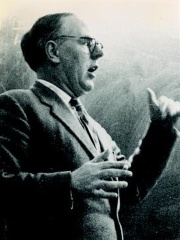
Graham Higman
MATHEMATICIAN
1917 - 2008
HPI: 47.94
Rank: 6,377

Karima Adebibe
MODEL
1985 - Present
HPI: 47.94
Rank: 6,378
Button Gwinnett
POLITICIAN
1735 - 1777
HPI: 47.93
Rank: 6,379
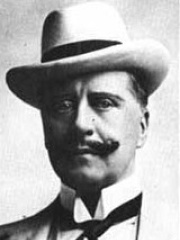
Herbert Beerbohm Tree
ACTOR
1852 - 1917
HPI: 47.93
Rank: 6,380
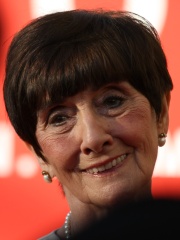
June Brown
ACTOR
1927 - 2022
HPI: 47.93
Rank: 6,381
Ken Downing
RACING DRIVER
1917 - 2004
HPI: 47.92
Rank: 6,382

James Key
ENGINEER
1972 - Present
HPI: 47.92
Rank: 6,383

Douglas Henshall
ACTOR
1965 - Present
HPI: 47.92
Rank: 6,384
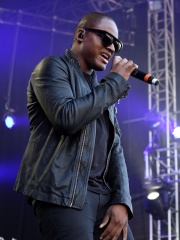
Taio Cruz
SINGER
1980 - Present
HPI: 47.91
Rank: 6,385
Among Políticos In Reino Unido
Among políticos born in Reino Unido, Button Gwinnett ranks 680. Before him are David Kelly (1944), James Cleverly (1969), David Lammy (1972), Leon Brittan (1939), Tom Tugendhat (1973), and Graham Brady (1967). After him are John Reid, Baron Reid of Cardowan (1947), Nicky Morgan (1972), Rebecca Long-Bailey (1979), Alistair Darling (1953), Dominic Raab (1974), and David Miliband (1965).
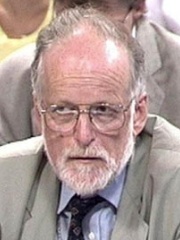
David Kelly
1944 - 2003
HPI: 48.45
Rank: 674
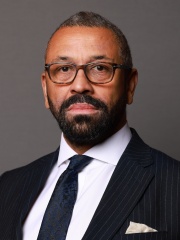
James Cleverly
1969 - Present
HPI: 48.39
Rank: 675
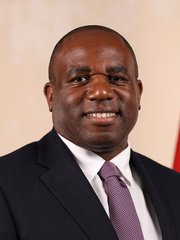
David Lammy
1972 - Present
HPI: 48.38
Rank: 676

Leon Brittan
1939 - 2015
HPI: 48.34
Rank: 677
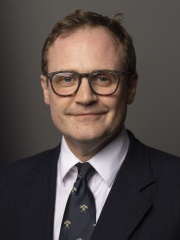
Tom Tugendhat
1973 - Present
HPI: 48.01
Rank: 678

Graham Brady
1967 - Present
HPI: 47.98
Rank: 679
Button Gwinnett
1735 - 1777
HPI: 47.93
Rank: 680
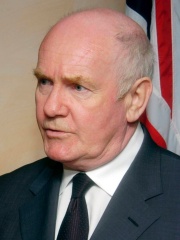
John Reid, Baron Reid of Cardowan
1947 - Present
HPI: 47.89
Rank: 681
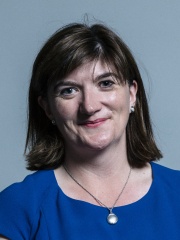
Nicky Morgan
1972 - Present
HPI: 47.88
Rank: 682
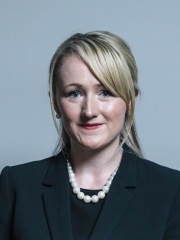
Rebecca Long-Bailey
1979 - Present
HPI: 47.78
Rank: 683
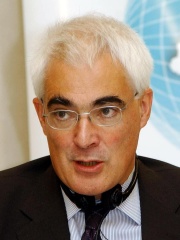
Alistair Darling
1953 - 2023
HPI: 47.70
Rank: 684
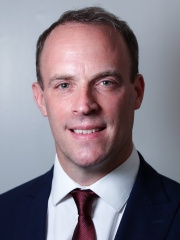
Dominic Raab
1974 - Present
HPI: 47.67
Rank: 685
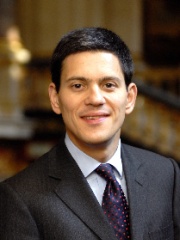
David Miliband
1965 - Present
HPI: 47.64
Rank: 686