Político
Ashtavakra
PT.WIKIPEDIA PAGE VIEWS (PV)
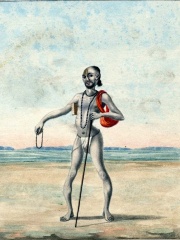
 Ashtavakra
Astavacra (em sânscrito: अष्टावक्रः, AITS: Aṣṭāvakraḥ) ou Ushtaavukruhu é um sábio védico reverenciado no hinduísmo. Seu nome significa literalmente "oito deformidades", refletindo as oito deformidades físicas com as quais ele nasceu. Seu avô materno era o sábio védico Aruni, seus pais eram ambos estudantes védicos na escola de Aruni. Astavacra estudou, tornou-se um sábio e um personagem célebre dos épicos hindus Itihāsas e Puranas. Leia mais na Wikipédia
Sua biografia está disponível em 20 idiomas na Wikipédia (aumento em relação a 18 em 2024). Ashtavakra é o 15017º político mais popular (caiu do 13288º em 2024), a 36ª biografia mais popular do Nepal (caiu do 28ª em 2019) e o 21º político mais popular do Nepal.
Memorability Metrics
Page views of Ashtavakra by language
Among Políticos
Among políticos, Ashtavakra ranks 15,017 out of 19,576. Before him are Evangelos Venizelos, Ivan Kukuljević Sakcinski, Domenico Flabanico, Eva Šuranová, Ahmad Zahid Hamidi, and Wasim Sajjad. After him are Prosper Avril, Eric Arturo Delvalle, Chuy García, Claudia Roth, Zac Goldsmith, and Gerhard Louis De Geer.
Most Popular Políticos in Wikipedia
Go to all Rankings
Evangelos Venizelos
1957 - Present
HPI: 55.67
Rank: 15,018
Ivan Kukuljević Sakcinski
1816 - 1889
HPI: 55.67
Rank: 15,019
Domenico Flabanico
950 - 1041
HPI: 55.67
Rank: 15,020

Eva Šuranová
1946 - 2016
HPI: 55.67
Rank: 15,021
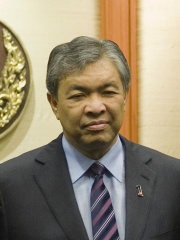
Ahmad Zahid Hamidi
1953 - Present
HPI: 55.67
Rank: 15,022
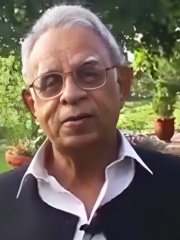
Wasim Sajjad
1941 - Present
HPI: 55.67
Rank: 15,023
Ashtavakra
HPI: 55.67
Rank: 15,024
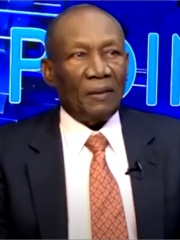
Prosper Avril
1937 - Present
HPI: 55.66
Rank: 15,025
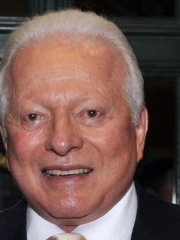
Eric Arturo Delvalle
1937 - 2015
HPI: 55.66
Rank: 15,026

Chuy García
1956 - Present
HPI: 55.66
Rank: 15,027
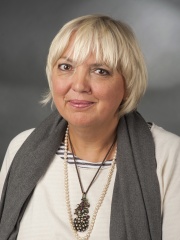
Claudia Roth
1955 - Present
HPI: 55.66
Rank: 15,028

Zac Goldsmith
1975 - Present
HPI: 55.66
Rank: 15,029
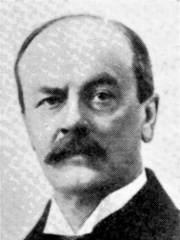
Gerhard Louis De Geer
1854 - 1935
HPI: 55.65
Rank: 15,030

In Nepal
Among people born in Nepal, Ashtavakra ranks 36 out of NaN. Before him are Laxmi Prasad Devkota (1909), Araniko (1244), Sher Bahadur Deuba (1946), Sushil Koirala (1939), Bhimsen Thapa (1775), and Apa Sherpa (1960). After him are Surya Bahadur Thapa (1928), Jhala Nath Khanal (1950), Dipendra of Nepal (1971), Rana Bahadur Shah (1775), Pratap Singh Shah (1751), and Lokendra Bahadur Chand (1940).
Others born in Nepal
Go to all Rankings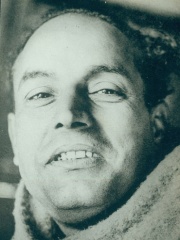
Laxmi Prasad Devkota
WRITER
1909 - 1959
HPI: 60.17
Rank: 30
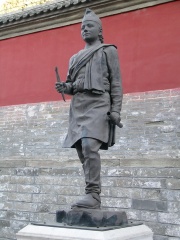
Araniko
PAINTER
1244 - 1306
HPI: 59.85
Rank: 31
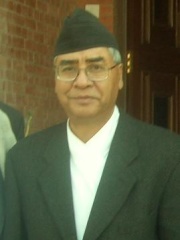
Sher Bahadur Deuba
POLITICIAN
1946 - Present
HPI: 58.32
Rank: 32
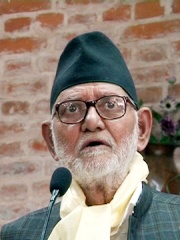
Sushil Koirala
POLITICIAN
1939 - 2016
HPI: 58.03
Rank: 33
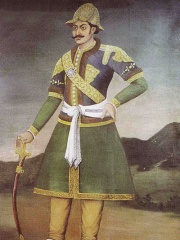
Bhimsen Thapa
POLITICIAN
1775 - 1839
HPI: 57.55
Rank: 34
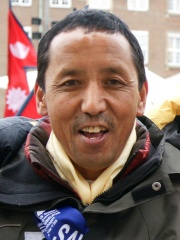
Apa Sherpa
MOUNTAINEER
1960 - Present
HPI: 56.20
Rank: 35
Ashtavakra
POLITICIAN
HPI: 55.67
Rank: 36
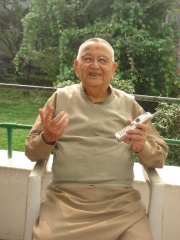
Surya Bahadur Thapa
POLITICIAN
1928 - 2015
HPI: 54.66
Rank: 37
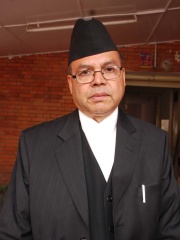
Jhala Nath Khanal
POLITICIAN
1950 - Present
HPI: 54.52
Rank: 38
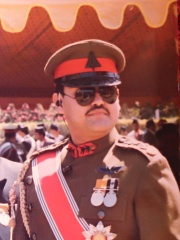
Dipendra of Nepal
POLITICIAN
1971 - 2001
HPI: 54.02
Rank: 39
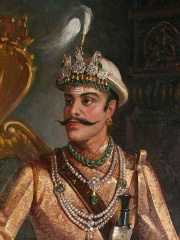
Rana Bahadur Shah
POLITICIAN
1775 - 1806
HPI: 53.97
Rank: 40
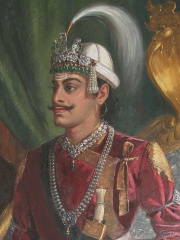
Pratap Singh Shah
NOBLEMAN
1751 - 1777
HPI: 52.40
Rank: 41
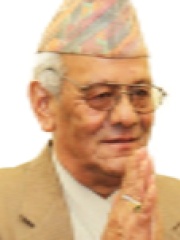
Lokendra Bahadur Chand
POLITICIAN
1940 - Present
HPI: 52.32
Rank: 42
Among Políticos In Nepal
Among políticos born in Nepal, Ashtavakra ranks 21. Before him are Jigme Khesar Namgyel Wangchuck (1980), Tribhuvan of Nepal (1906), Mahendra of Nepal (1920), Sher Bahadur Deuba (1946), Sushil Koirala (1939), and Bhimsen Thapa (1775). After him are Surya Bahadur Thapa (1928), Jhala Nath Khanal (1950), Dipendra of Nepal (1971), Rana Bahadur Shah (1775), Lokendra Bahadur Chand (1940), and Man Mohan Adhikari (1920).
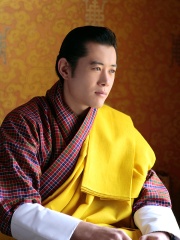
Jigme Khesar Namgyel Wangchuck
1980 - Present
HPI: 62.77
Rank: 15
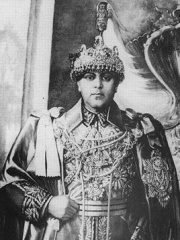
Tribhuvan of Nepal
1906 - 1955
HPI: 60.76
Rank: 16
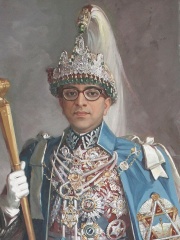
Mahendra of Nepal
1920 - 1972
HPI: 60.38
Rank: 17
Sher Bahadur Deuba
1946 - Present
HPI: 58.32
Rank: 18
Sushil Koirala
1939 - 2016
HPI: 58.03
Rank: 19
Bhimsen Thapa
1775 - 1839
HPI: 57.55
Rank: 20
Ashtavakra
HPI: 55.67
Rank: 21
Surya Bahadur Thapa
1928 - 2015
HPI: 54.66
Rank: 22
Jhala Nath Khanal
1950 - Present
HPI: 54.52
Rank: 23
Dipendra of Nepal
1971 - 2001
HPI: 54.02
Rank: 24
Rana Bahadur Shah
1775 - 1806
HPI: 53.97
Rank: 25
Lokendra Bahadur Chand
1940 - Present
HPI: 52.32
Rank: 26
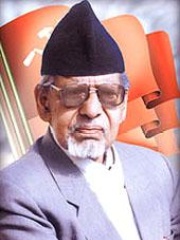
Man Mohan Adhikari
1920 - 1999
HPI: 52.27
Rank: 27




