Politician
Yazdegerd III
624 - 652
EN.WIKIPEDIA PAGE VIEWS (PV)
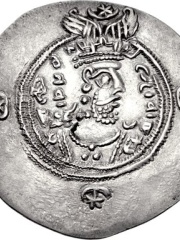
 Yazdegerd III
His biography is available in 51 different languages on Wikipedia. Yazdegerd III is the 1,369th most popular politician (down from 1,094th in 2024), the 53rd most popular biography from Iran and the 24th most popular Iranian Politician.
Yazdegerd III is most famous for being the last Sasanian king. He was overthrown by the Muslim forces in 651.
Memorability Metrics
Page views of Yazdegerd III by language
Among Politicians
Among politicians, Yazdegerd III ranks 1,369 out of 19,576. Before him are Peter I of Portugal, Leo V the Armenian, Georgy Lvov, Mohammed Omar, Antiochus I Soter, and Claudius Gothicus. After him are Theodor Heuss, John II Casimir Vasa, Jovian, Jiaqing Emperor, Richard of Cornwall, and Vasili IV of Russia.
Most Popular Politicians in Wikipedia
Go to all Rankings
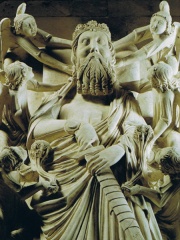
Peter I of Portugal
1320 - 1367
HPI: 74.36
Rank: 1,363
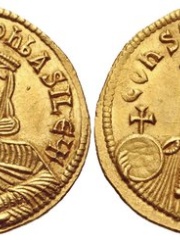
Leo V the Armenian
775 - 820
HPI: 74.36
Rank: 1,364
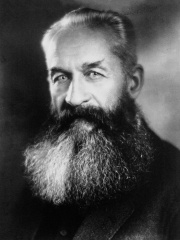
Georgy Lvov
1861 - 1925
HPI: 74.35
Rank: 1,365
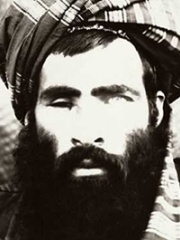
Mohammed Omar
1962 - 2013
HPI: 74.34
Rank: 1,366
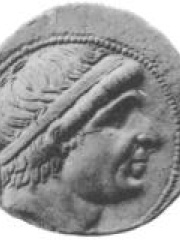
Antiochus I Soter
324 BC - 261 BC
HPI: 74.33
Rank: 1,367
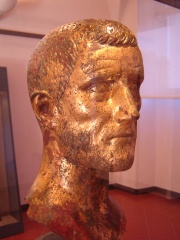
Claudius Gothicus
210 - 270
HPI: 74.33
Rank: 1,368
Yazdegerd III
624 - 652
HPI: 74.33
Rank: 1,369
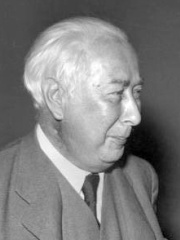
Theodor Heuss
1884 - 1963
HPI: 74.33
Rank: 1,370
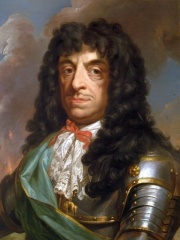
John II Casimir Vasa
1609 - 1672
HPI: 74.33
Rank: 1,371
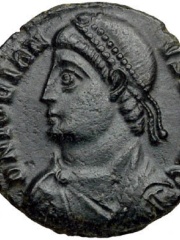
Jovian
331 - 364
HPI: 74.32
Rank: 1,372
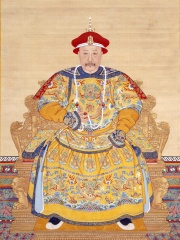
Jiaqing Emperor
1760 - 1820
HPI: 74.31
Rank: 1,373
Richard of Cornwall
1209 - 1272
HPI: 74.31
Rank: 1,374
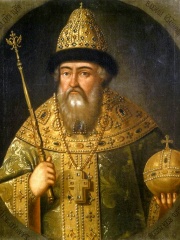
Vasili IV of Russia
1552 - 1612
HPI: 74.31
Rank: 1,375

Contemporaries
Among people born in 624, Yazdegerd III ranks 4. Before him are Wu Zetian, Hasan ibn Ali, and Abd Allah ibn al-Zubayr. After him is Adomnán. Among people deceased in 652, Yazdegerd III ranks 1. After him are Abu Dhar al-Ghifari, Rothari, Itta of Metz, Unknown Archon, Emmeram of Regensburg, and Olympius.
Others Born in 624
Go to all Rankings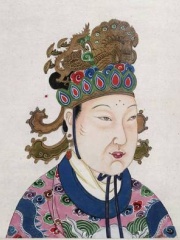
Wu Zetian
POLITICIAN
624 - 705
HPI: 81.68
Rank: 1
Hasan ibn Ali
RELIGIOUS FIGURE
624 - 670
HPI: 81.21
Rank: 2
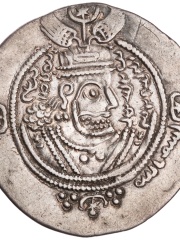
Abd Allah ibn al-Zubayr
RELIGIOUS FIGURE
624 - 692
HPI: 75.77
Rank: 3
Yazdegerd III
POLITICIAN
624 - 652
HPI: 74.33
Rank: 4
Adomnán
RELIGIOUS FIGURE
624 - 704
HPI: 59.41
Rank: 5
Others Deceased in 652
Go to all RankingsYazdegerd III
POLITICIAN
624 - 652
HPI: 74.33
Rank: 1
Abu Dhar al-Ghifari
RELIGIOUS FIGURE
600 - 652
HPI: 71.01
Rank: 2
Rothari
POLITICIAN
606 - 652
HPI: 65.33
Rank: 3

Itta of Metz
RELIGIOUS FIGURE
592 - 652
HPI: 64.43
Rank: 4
Unknown Archon
POLITICIAN
580 - 652
HPI: 62.07
Rank: 5
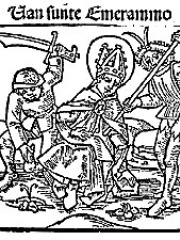
Emmeram of Regensburg
RELIGIOUS FIGURE
600 - 652
HPI: 60.92
Rank: 6

Olympius
POLITICIAN
HPI: 55.57
Rank: 7
In Iran
Among people born in Iran, Yazdegerd III ranks 53 out of NaN. Before him are Abd al-Rahman al-Sufi (903), Saadi Shirazi (1210), Mohammad Mosaddegh (1882), Reza Shah (1878), Mahmoud Ahmadinejad (1956), and Mahsa Amini (1999). After him are Ghazan (1271), Astyages (-700), Cambyses I (-600), Báb (1819), Öljaitü (1280), and Attar of Nishapur (1145).
Others born in Iran
Go to all Rankings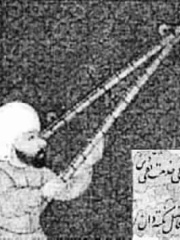
Abd al-Rahman al-Sufi
ASTRONOMER
903 - 986
HPI: 75.12
Rank: 47
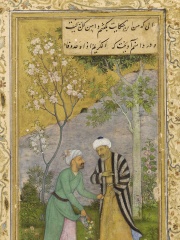
Saadi Shirazi
WRITER
1210 - 1291
HPI: 75.10
Rank: 48
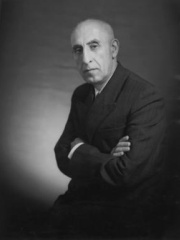
Mohammad Mosaddegh
POLITICIAN
1882 - 1967
HPI: 74.80
Rank: 49
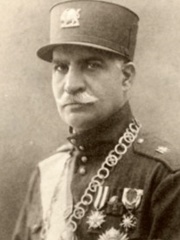
Reza Shah
POLITICIAN
1878 - 1944
HPI: 74.69
Rank: 50
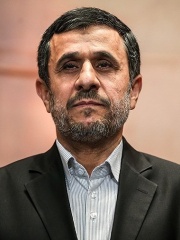
Mahmoud Ahmadinejad
POLITICIAN
1956 - Present
HPI: 74.60
Rank: 51

Mahsa Amini
INSPIRATION
1999 - 2022
HPI: 74.53
Rank: 52
Yazdegerd III
POLITICIAN
624 - 652
HPI: 74.33
Rank: 53
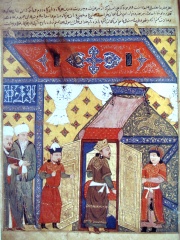
Ghazan
POLITICIAN
1271 - 1304
HPI: 74.23
Rank: 54

Astyages
POLITICIAN
700 BC - 600 BC
HPI: 74.02
Rank: 55
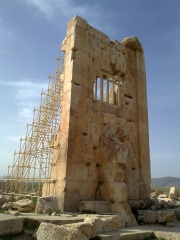
Cambyses I
POLITICIAN
600 BC - 559 BC
HPI: 73.84
Rank: 56
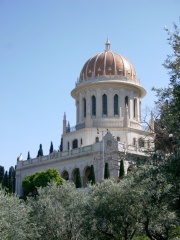
Báb
RELIGIOUS FIGURE
1819 - 1850
HPI: 73.80
Rank: 57
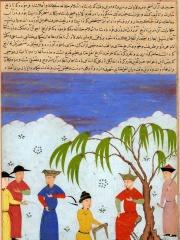
Öljaitü
POLITICIAN
1280 - 1316
HPI: 73.76
Rank: 58
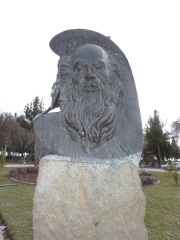
Attar of Nishapur
WRITER
1145 - 1220
HPI: 73.64
Rank: 59
Among Politicians In Iran
Among politicians born in Iran, Yazdegerd III ranks 24. Before him are Shapur I (150), Farah Pahlavi (1938), Hassan Rouhani (1948), Mohammad Mosaddegh (1882), Reza Shah (1878), and Mahmoud Ahmadinejad (1956). After him are Ghazan (1271), Astyages (-700), Cambyses I (-600), Öljaitü (1280), Moshe Katsav (1945), and Masoud Barzani (1946).
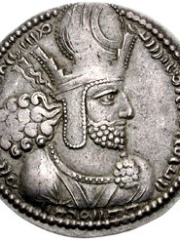
Shapur I
150 - 270
HPI: 75.87
Rank: 18
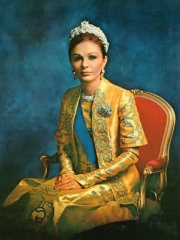
Farah Pahlavi
1938 - Present
HPI: 75.83
Rank: 19
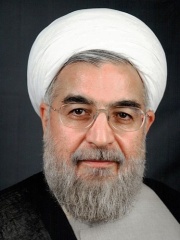
Hassan Rouhani
1948 - Present
HPI: 75.45
Rank: 20
Mohammad Mosaddegh
1882 - 1967
HPI: 74.80
Rank: 21
Reza Shah
1878 - 1944
HPI: 74.69
Rank: 22
Mahmoud Ahmadinejad
1956 - Present
HPI: 74.60
Rank: 23
Yazdegerd III
624 - 652
HPI: 74.33
Rank: 24
Ghazan
1271 - 1304
HPI: 74.23
Rank: 25
Astyages
700 BC - 600 BC
HPI: 74.02
Rank: 26
Cambyses I
600 BC - 559 BC
HPI: 73.84
Rank: 27
Öljaitü
1280 - 1316
HPI: 73.76
Rank: 28
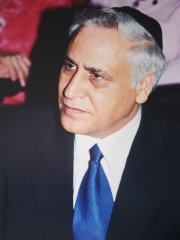
Moshe Katsav
1945 - Present
HPI: 73.42
Rank: 29
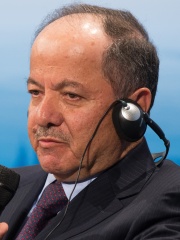
Masoud Barzani
1946 - Present
HPI: 73.21
Rank: 30