Painter
Xu Beihong
1895 - 1953
EN.WIKIPEDIA PAGE VIEWS (PV)
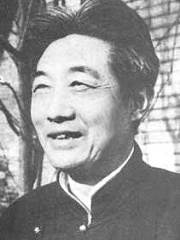
 Xu Beihong
His biography is available in 23 different languages on Wikipedia. Xu Beihong is the 1,023rd most popular painter (up from 1,092nd in 2024), the 671st most popular biography from China (up from 695th in 2019) and the 20th most popular Chinese Painter.
Memorability Metrics
Page views of Xu Beihong by language
Among Painters
Among painters, Xu Beihong ranks 1,023 out of 2,023. Before him are Christoph Amberger, Andrea di Bonaiuto da Firenze, Jean-Hippolyte Flandrin, Otto Freundlich, László Mednyánszky, and Louis Marcoussis. After him are Hans Thoma, Dirck Hals, Jean-Joseph Benjamin-Constant, Stradanus, Francesc Ribalta, and Allan Kaprow.
Most Popular Painters in Wikipedia
Go to all Rankings
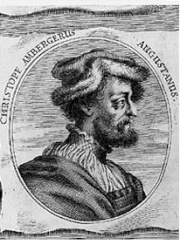
Christoph Amberger
1505 - 1562
HPI: 61.18
Rank: 1,017
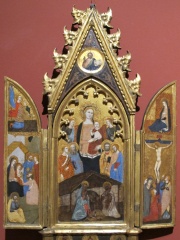
Andrea di Bonaiuto da Firenze
1343 - 1379
HPI: 61.18
Rank: 1,018
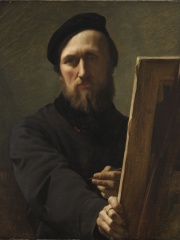
Jean-Hippolyte Flandrin
1809 - 1864
HPI: 61.18
Rank: 1,019
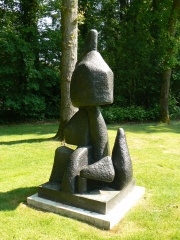
Otto Freundlich
1878 - 1943
HPI: 61.18
Rank: 1,020
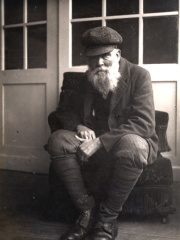
László Mednyánszky
1852 - 1919
HPI: 61.17
Rank: 1,021
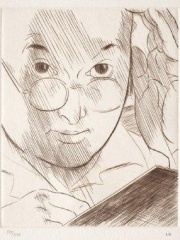
Louis Marcoussis
1878 - 1941
HPI: 61.17
Rank: 1,022
Xu Beihong
1895 - 1953
HPI: 61.17
Rank: 1,023
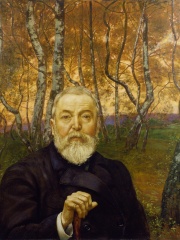
Hans Thoma
1839 - 1924
HPI: 61.17
Rank: 1,024
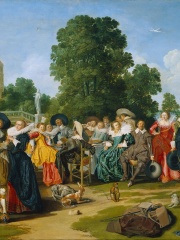
Dirck Hals
1591 - 1656
HPI: 61.15
Rank: 1,025
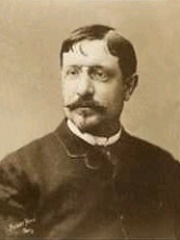
Jean-Joseph Benjamin-Constant
1845 - 1902
HPI: 61.15
Rank: 1,026
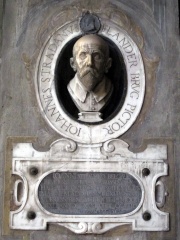
Stradanus
1523 - 1605
HPI: 61.14
Rank: 1,027
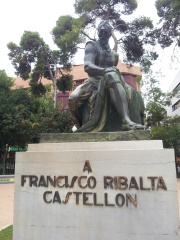
Francesc Ribalta
1565 - 1628
HPI: 61.13
Rank: 1,028
Allan Kaprow
1927 - 2006
HPI: 61.12
Rank: 1,029

Contemporaries
Among people born in 1895, Xu Beihong ranks 131. Before him are Pan Yuliang, H. A. R. Gibb, Isamu Chō, Jakov Gotovac, Lucian Blaga, and Vsevolod Merkulov. After him are William Petersson, Walter Gieseking, Fulton J. Sheen, Gustav Klutsis, Laurens Hammond, and Walter Jackson Freeman II. Among people deceased in 1953, Xu Beihong ranks 78. Before him are Holger Pedersen, James Finlayson, Nikolay Zelinsky, Vsevolod Merkulov, Vydūnas, and Helene Mayer. After him are Vladimir Dekanozov, Jorge Negrete, Joseph Jongen, Şükrü Saracoğlu, Hilaire Belloc, and Lev Mekhlis.
Others Born in 1895
Go to all Rankings
Pan Yuliang
PAINTER
1895 - 1977
HPI: 61.68
Rank: 125
H. A. R. Gibb
HISTORIAN
1895 - 1971
HPI: 61.60
Rank: 126
Isamu Chō
MILITARY PERSONNEL
1895 - 1945
HPI: 61.47
Rank: 127
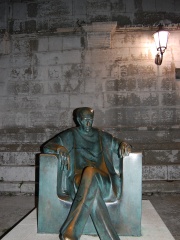
Jakov Gotovac
COMPOSER
1895 - 1982
HPI: 61.41
Rank: 128
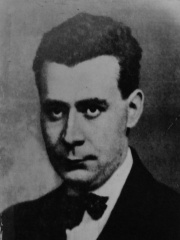
Lucian Blaga
PHILOSOPHER
1895 - 1961
HPI: 61.31
Rank: 129
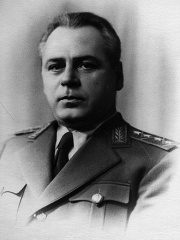
Vsevolod Merkulov
POLITICIAN
1895 - 1953
HPI: 61.27
Rank: 130
Xu Beihong
PAINTER
1895 - 1953
HPI: 61.17
Rank: 131
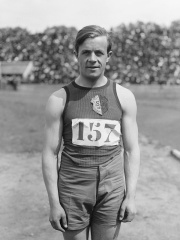
William Petersson
ATHLETE
1895 - 1965
HPI: 61.10
Rank: 132
Walter Gieseking
MUSICIAN
1895 - 1956
HPI: 60.98
Rank: 133
Fulton J. Sheen
RELIGIOUS FIGURE
1895 - 1979
HPI: 60.91
Rank: 134

Gustav Klutsis
PHOTOGRAPHER
1895 - 1938
HPI: 60.81
Rank: 135
Laurens Hammond
INVENTOR
1895 - 1973
HPI: 60.79
Rank: 136
Walter Jackson Freeman II
PHYSICIAN
1895 - 1972
HPI: 60.69
Rank: 137
Others Deceased in 1953
Go to all Rankings
Holger Pedersen
LINGUIST
1867 - 1953
HPI: 61.51
Rank: 72
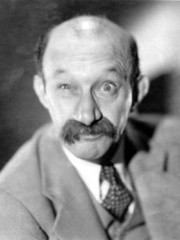
James Finlayson
ACTOR
1887 - 1953
HPI: 61.35
Rank: 73
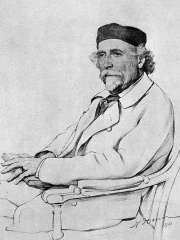
Nikolay Zelinsky
CHEMIST
1861 - 1953
HPI: 61.28
Rank: 74
Vsevolod Merkulov
POLITICIAN
1895 - 1953
HPI: 61.27
Rank: 75
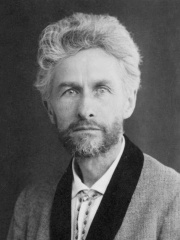
Vydūnas
WRITER
1868 - 1953
HPI: 61.27
Rank: 76
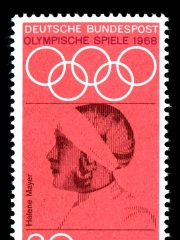
Helene Mayer
FENCER
1910 - 1953
HPI: 61.21
Rank: 77
Xu Beihong
PAINTER
1895 - 1953
HPI: 61.17
Rank: 78
Vladimir Dekanozov
POLITICIAN
1898 - 1953
HPI: 61.15
Rank: 79
Jorge Negrete
SINGER
1910 - 1953
HPI: 61.02
Rank: 80
Joseph Jongen
COMPOSER
1873 - 1953
HPI: 60.96
Rank: 81
Şükrü Saracoğlu
POLITICIAN
1887 - 1953
HPI: 60.76
Rank: 82
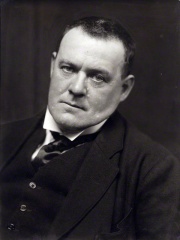
Hilaire Belloc
WRITER
1870 - 1953
HPI: 60.69
Rank: 83
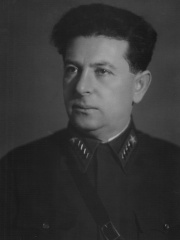
Lev Mekhlis
POLITICIAN
1889 - 1953
HPI: 60.64
Rank: 84
In China
Among people born in China, Xu Beihong ranks 671 out of NaN. Before him are Lee Hoi-chuen (1901), Faye Wong (1969), Xue Tao (768), Li Ling (-150), Guo Pu (276), and Sima Tan (-165). After him are Leizu (null), Xu Wei (1521), Cheng Hao (1032), Salchak Toka (1901), Fou Ts'ong (1934), and Li Yu (937).
Others born in China
Go to all Rankings
Lee Hoi-chuen
ACTOR
1901 - 1965
HPI: 61.31
Rank: 665

Faye Wong
ACTOR
1969 - Present
HPI: 61.27
Rank: 666

Xue Tao
WRITER
768 - Present
HPI: 61.24
Rank: 667

Li Ling
MILITARY PERSONNEL
150 BC - 73 BC
HPI: 61.24
Rank: 668
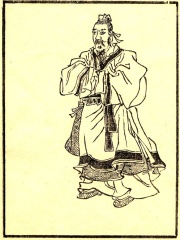
Guo Pu
HISTORIAN
276 - 324
HPI: 61.24
Rank: 669

Sima Tan
WRITER
165 BC - 110 BC
HPI: 61.17
Rank: 670
Xu Beihong
PAINTER
1895 - 1953
HPI: 61.17
Rank: 671

Leizu
BIOLOGIST
HPI: 61.12
Rank: 672
Xu Wei
PAINTER
1521 - 1593
HPI: 61.07
Rank: 673
Cheng Hao
PHILOSOPHER
1032 - 1085
HPI: 61.07
Rank: 674
Salchak Toka
POLITICIAN
1901 - 1973
HPI: 61.07
Rank: 675
Fou Ts'ong
MUSICIAN
1934 - 2020
HPI: 61.06
Rank: 676
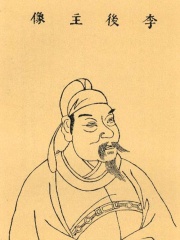
Li Yu
POLITICIAN
937 - 978
HPI: 61.04
Rank: 677
Among Painters In China
Among painters born in China, Xu Beihong ranks 20. Before him are Wu Daozi (680), Ma Yuan (1160), Huang Tingjian (1045), Xia Gui (1195), Pan Yuliang (1895), and Zhang Zeduan (1085). After him are Xu Wei (1521), Li Cheng (919), Li Tang (1050), Muqi (1210), Huang Gongwang (1269), and Zao Wou-Ki (1920).
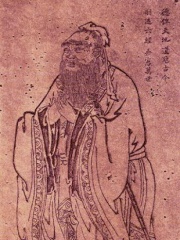
Wu Daozi
680 - 740
HPI: 62.74
Rank: 14
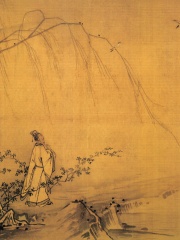
Ma Yuan
1160 - 1225
HPI: 62.13
Rank: 15
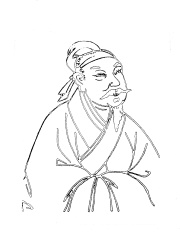
Huang Tingjian
1045 - 1105
HPI: 62.11
Rank: 16
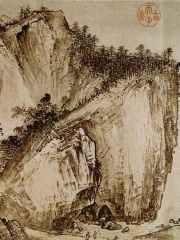
Xia Gui
1195 - 1224
HPI: 61.74
Rank: 17
Pan Yuliang
1895 - 1977
HPI: 61.68
Rank: 18
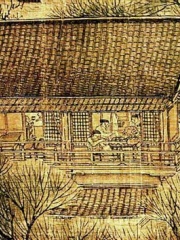
Zhang Zeduan
1085 - 1145
HPI: 61.59
Rank: 19
Xu Beihong
1895 - 1953
HPI: 61.17
Rank: 20
Xu Wei
1521 - 1593
HPI: 61.07
Rank: 21
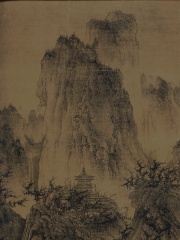
Li Cheng
919 - 967
HPI: 60.85
Rank: 22
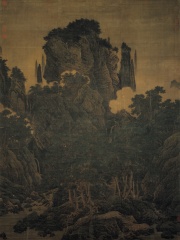
Li Tang
1050 - 1130
HPI: 60.63
Rank: 23
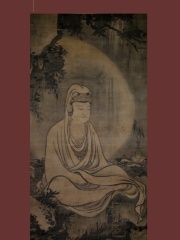
Muqi
1210 - 1270
HPI: 60.47
Rank: 24
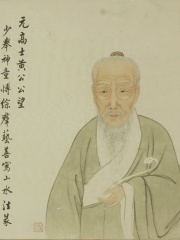
Huang Gongwang
1269 - 1354
HPI: 60.45
Rank: 25
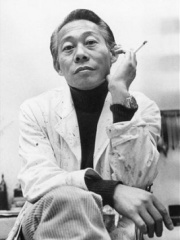
Zao Wou-Ki
1920 - 2013
HPI: 60.44
Rank: 26