Comic Artist
Tatsuya Endo
1980 - today


 Tatsuya Endo
His biography is available in 15 different languages on Wikipedia. Tatsuya Endo is the 210th most popular comic artist, the 2,567th most popular biography from Japan and the 79th most popular Japanese Comic Artist.
Tatsuya Endo is a Japanese manga artist best known for his work on the series "Jujutsu Kaisen," which has gained significant popularity and acclaim. He is also recognized for his earlier series "Shinjuku Swan" and "Kubo Won't Let Me Be Invisible."
Memorability Metrics
Page views of Tatsuya Endo by language
Among Comic Artists
Among comic artists, Tatsuya Endo ranks 210 out of 226. Before him are Mark Millar, Garth Ennis, Nakaba Suzuki, Jeph Loeb, Gary Larson, and Doaa el-Adl. After him are Nisio Isin, Joann Sfar, George Pérez, Hideaki Sorachi, Daniel Clowes, and Kentaro Yabuki.
Most Popular Comic Artists in Wikipedia
Go to all Rankings
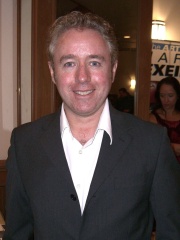
Mark Millar
1969 - Present
HPI: 47.85
Rank: 204
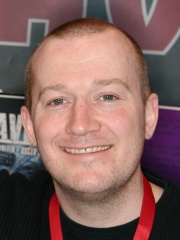
Garth Ennis
1970 - Present
HPI: 47.72
Rank: 205

Nakaba Suzuki
1977 - Present
HPI: 47.72
Rank: 206
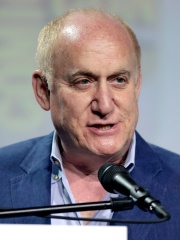
Jeph Loeb
1958 - Present
HPI: 47.58
Rank: 207

Gary Larson
1950 - Present
HPI: 47.52
Rank: 208

Doaa el-Adl
1979 - Present
HPI: 47.46
Rank: 209
Tatsuya Endo
1980 - Present
HPI: 47.41
Rank: 210

Nisio Isin
1981 - Present
HPI: 47.38
Rank: 211
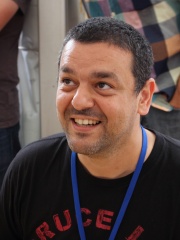
Joann Sfar
1971 - Present
HPI: 47.37
Rank: 212
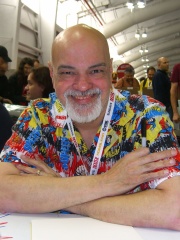
George Pérez
1954 - 2022
HPI: 47.28
Rank: 213

Hideaki Sorachi
1979 - Present
HPI: 47.28
Rank: 214
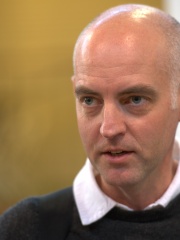
Daniel Clowes
1961 - Present
HPI: 47.23
Rank: 215

Kentaro Yabuki
1980 - Present
HPI: 47.12
Rank: 216

Contemporaries
Among people born in 1980, Tatsuya Endo ranks 437. Before him are Tiwa Savage, Marianna Madia, Tobias Santelmann, Jan Kromkamp, Scott Dixon, and Zlata Filipović. After him are Bada, Andrew Barron, Jeanette Biedermann, Nicholas D'Agosto, Ayọ, and Cabore.
Others Born in 1980
Go to all Rankings
Tiwa Savage
ACTOR
1980 - Present
HPI: 47.46
Rank: 431

Marianna Madia
POLITICIAN
1980 - Present
HPI: 47.45
Rank: 432

Tobias Santelmann
ACTOR
1980 - Present
HPI: 47.44
Rank: 433

Jan Kromkamp
SOCCER PLAYER
1980 - Present
HPI: 47.43
Rank: 434
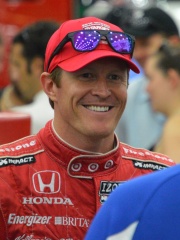
Scott Dixon
RACING DRIVER
1980 - Present
HPI: 47.42
Rank: 435

Zlata Filipović
WRITER
1980 - Present
HPI: 47.42
Rank: 436
Tatsuya Endo
COMIC ARTIST
1980 - Present
HPI: 47.41
Rank: 437

Bada
SINGER
1980 - Present
HPI: 47.40
Rank: 438

Andrew Barron
SOCCER PLAYER
1980 - Present
HPI: 47.38
Rank: 439
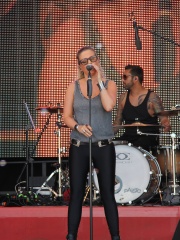
Jeanette Biedermann
SINGER
1980 - Present
HPI: 47.38
Rank: 440
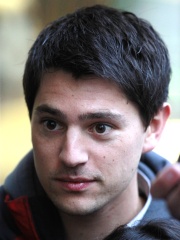
Nicholas D'Agosto
ACTOR
1980 - Present
HPI: 47.35
Rank: 441
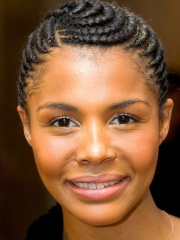
Ayọ
SINGER
1980 - Present
HPI: 47.35
Rank: 442
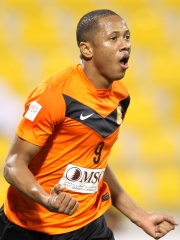
Cabore
SOCCER PLAYER
1980 - Present
HPI: 47.35
Rank: 443
In Japan
Among people born in Japan, Tatsuya Endo ranks 2,567 out of NaN. Before him are Seiya Matsuki (1994), Tsutomu Ogura (1966), Sho Sakurai (1982), Jun Kamita (1992), Go Oiwa (1972), and Takahiro Yamada (1972). After him are Hiroshige Yanagimoto (1972), Miki Nakatani (1976), Keisuke Sekiguchi (1986), Hajime Ishii (1959), Nisio Isin (1981), and Hisashi Tsuchida (1967).
Others born in Japan
Go to all Rankings
Seiya Matsuki
SOCCER PLAYER
1994 - Present
HPI: 47.42
Rank: 2,561
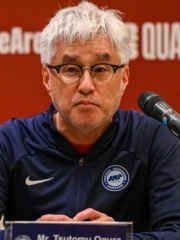
Tsutomu Ogura
COACH
1966 - Present
HPI: 47.42
Rank: 2,562

Sho Sakurai
SINGER
1982 - Present
HPI: 47.41
Rank: 2,563

Jun Kamita
SOCCER PLAYER
1992 - Present
HPI: 47.41
Rank: 2,564
Go Oiwa
SOCCER PLAYER
1972 - Present
HPI: 47.41
Rank: 2,565

Takahiro Yamada
SOCCER PLAYER
1972 - Present
HPI: 47.41
Rank: 2,566
Tatsuya Endo
COMIC ARTIST
1980 - Present
HPI: 47.41
Rank: 2,567

Hiroshige Yanagimoto
SOCCER PLAYER
1972 - Present
HPI: 47.40
Rank: 2,568
Miki Nakatani
ACTOR
1976 - Present
HPI: 47.40
Rank: 2,569

Keisuke Sekiguchi
SOCCER PLAYER
1986 - Present
HPI: 47.39
Rank: 2,570

Hajime Ishii
SOCCER PLAYER
1959 - Present
HPI: 47.39
Rank: 2,571
Nisio Isin
COMIC ARTIST
1981 - Present
HPI: 47.38
Rank: 2,572

Hisashi Tsuchida
SOCCER PLAYER
1967 - Present
HPI: 47.38
Rank: 2,573
Among Comic Artists In Japan
Among comic artists born in Japan, Tatsuya Endo ranks 79. Before him are Yoko Kamio (1966), Katsura Hoshino (1980), Natsuki Takaya (1973), Koyoharu Gotouge (1989), Arina Tanemura (1978), and Nakaba Suzuki (1977). After him are Nisio Isin (1981), Hideaki Sorachi (1979), Kentaro Yabuki (1980), Aka Akasaka (1988), Yuki Urushibara (1974), and Yoji Shinkawa (1971).

Yoko Kamio
1966 - Present
HPI: 48.93
Rank: 73
Katsura Hoshino
1980 - Present
HPI: 48.93
Rank: 74

Natsuki Takaya
1973 - Present
HPI: 48.76
Rank: 75

Koyoharu Gotouge
1989 - Present
HPI: 48.70
Rank: 76

Arina Tanemura
1978 - Present
HPI: 48.49
Rank: 77
Nakaba Suzuki
1977 - Present
HPI: 47.72
Rank: 78
Tatsuya Endo
1980 - Present
HPI: 47.41
Rank: 79
Nisio Isin
1981 - Present
HPI: 47.38
Rank: 80
Hideaki Sorachi
1979 - Present
HPI: 47.28
Rank: 81
Kentaro Yabuki
1980 - Present
HPI: 47.12
Rank: 82

Aka Akasaka
1988 - Present
HPI: 46.63
Rank: 83

Yuki Urushibara
1974 - Present
HPI: 46.50
Rank: 84
Yoji Shinkawa
1971 - Present
HPI: 46.36
Rank: 85