Politician
Qin Er Shi
229 BC - 207 BC
EN.WIKIPEDIA PAGE VIEWS (PV)
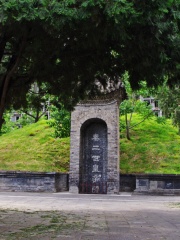
 Qin Er Shi
His biography is available in 40 different languages on Wikipedia. Qin Er Shi is the 1,348th most popular politician (up from 1,403rd in 2024), the 74th most popular biography from China (up from 95th in 2019) and the 44th most popular Chinese Politician.
Qin Er Shi was the emperor of China from 210 to 207 BC. He is most famous for his reign and for the reforms he instituted.
Memorability Metrics
Page views of Qin Er Shi by language
Among Politicians
Among politicians, Qin Er Shi ranks 1,348 out of 19,576. Before him are Theophilos, Valdemar II of Denmark, Edward Bulwer-Lytton, Klement Gottwald, Dzhokhar Dudayev, and Robert I of France. After him are Lou Henry Hoover, Shamil, 3rd Imam of Dagestan, Paul Barras, Afonso V of Portugal, Romanos I Lekapenos, and Calpurnia.
Most Popular Politicians in Wikipedia
Go to all Rankings
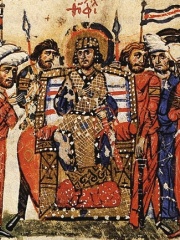
Theophilos
813 - 842
HPI: 74.44
Rank: 1,342
Valdemar II of Denmark
1170 - 1241
HPI: 74.44
Rank: 1,343
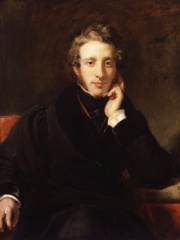
Edward Bulwer-Lytton
1803 - 1873
HPI: 74.43
Rank: 1,344
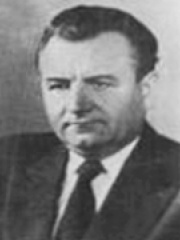
Klement Gottwald
1896 - 1953
HPI: 74.43
Rank: 1,345
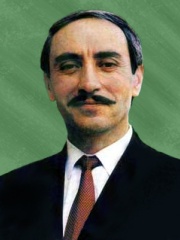
Dzhokhar Dudayev
1944 - 1996
HPI: 74.42
Rank: 1,346

Robert I of France
860 - 923
HPI: 74.42
Rank: 1,347
Qin Er Shi
229 BC - 207 BC
HPI: 74.41
Rank: 1,348
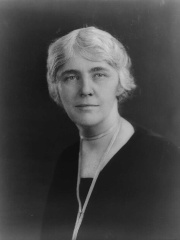
Lou Henry Hoover
1874 - 1944
HPI: 74.41
Rank: 1,349
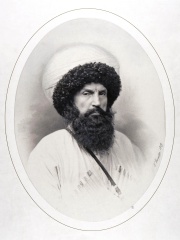
Shamil, 3rd Imam of Dagestan
1797 - 1871
HPI: 74.41
Rank: 1,350
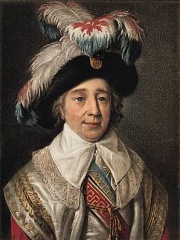
Paul Barras
1755 - 1829
HPI: 74.40
Rank: 1,351
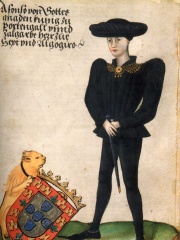
Afonso V of Portugal
1432 - 1481
HPI: 74.40
Rank: 1,352
Romanos I Lekapenos
870 - 948
HPI: 74.39
Rank: 1,353
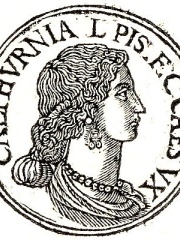
Calpurnia
77 BC - Present
HPI: 74.39
Rank: 1,354

Contemporaries
Among people born in 229 BC, Qin Er Shi ranks 1. After him are Lucius Aemilius Paullus Macedonicus, Titus Quinctius Flamininus, and Quintus Marcius Philippus. Among people deceased in 207 BC, Qin Er Shi ranks 1. After him are Zhao Gao, Gala, Machanidas, and An Dương Vương.
Others Born in 229 BC
Go to all RankingsQin Er Shi
POLITICIAN
229 BC - 207 BC
HPI: 74.41
Rank: 1

Lucius Aemilius Paullus Macedonicus
MILITARY PERSONNEL
229 BC - 160 BC
HPI: 71.51
Rank: 2
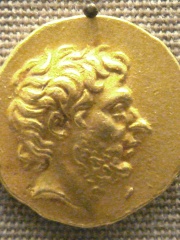
Titus Quinctius Flamininus
POLITICIAN
229 BC - 174 BC
HPI: 67.70
Rank: 3

Quintus Marcius Philippus
POLITICIAN
229 BC - 200 BC
HPI: 58.42
Rank: 4
Others Deceased in 207 BC
Go to all RankingsQin Er Shi
POLITICIAN
229 BC - 207 BC
HPI: 74.41
Rank: 1

Zhao Gao
POLITICIAN
300 BC - 207 BC
HPI: 69.80
Rank: 2

Gala
POLITICIAN
250 BC - 207 BC
HPI: 61.48
Rank: 3

Machanidas
POLITICIAN
254 BC - 207 BC
HPI: 59.71
Rank: 4
An Dương Vương
POLITICIAN
250 BC - 207 BC
HPI: 58.47
Rank: 5
In China
Among people born in China, Qin Er Shi ranks 74 out of NaN. Before him are Hua Guofeng (1921), Xiang Yu (-232), Emperor Xuanzong of Tang (685), Jet Li (1963), Külüg Khan (1281), and Chongzhen Emperor (1611). After him are Jianwen Emperor (1377), Jiaqing Emperor (1760), 2nd Dalai Lama (1476), Wanli Emperor (1563), Soong Ching-ling (1893), and Fuxi (-2900).
Others born in China
Go to all Rankings
Hua Guofeng
POLITICIAN
1921 - 2008
HPI: 74.87
Rank: 68
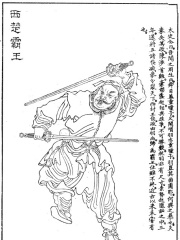
Xiang Yu
POLITICIAN
232 BC - 202 BC
HPI: 74.80
Rank: 69
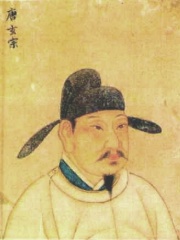
Emperor Xuanzong of Tang
POLITICIAN
685 - 762
HPI: 74.80
Rank: 70

Jet Li
ACTOR
1963 - Present
HPI: 74.76
Rank: 71
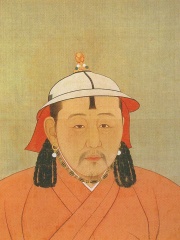
Külüg Khan
POLITICIAN
1281 - 1311
HPI: 74.65
Rank: 72

Chongzhen Emperor
POLITICIAN
1611 - 1644
HPI: 74.51
Rank: 73
Qin Er Shi
POLITICIAN
229 BC - 207 BC
HPI: 74.41
Rank: 74
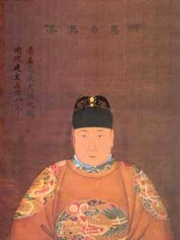
Jianwen Emperor
POLITICIAN
1377 - 1402
HPI: 74.38
Rank: 75
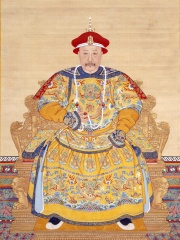
Jiaqing Emperor
POLITICIAN
1760 - 1820
HPI: 74.31
Rank: 76

2nd Dalai Lama
POLITICIAN
1476 - 1542
HPI: 74.19
Rank: 77
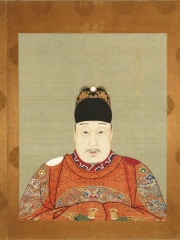
Wanli Emperor
POLITICIAN
1563 - 1620
HPI: 74.17
Rank: 78

Soong Ching-ling
POLITICIAN
1893 - 1981
HPI: 74.14
Rank: 79
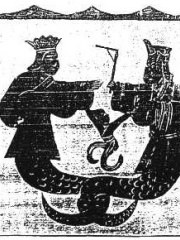
Fuxi
POLITICIAN
2900 BC - Present
HPI: 74.10
Rank: 80
Among Politicians In China
Among politicians born in China, Qin Er Shi ranks 44. Before him are Li Si (-280), Hua Guofeng (1921), Xiang Yu (-232), Emperor Xuanzong of Tang (685), Külüg Khan (1281), and Chongzhen Emperor (1611). After him are Jianwen Emperor (1377), Jiaqing Emperor (1760), 2nd Dalai Lama (1476), Wanli Emperor (1563), Soong Ching-ling (1893), and Fuxi (-2900).
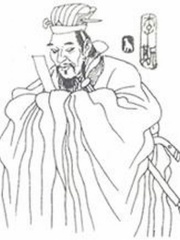
Li Si
280 BC - 208 BC
HPI: 74.90
Rank: 38
Hua Guofeng
1921 - 2008
HPI: 74.87
Rank: 39
Xiang Yu
232 BC - 202 BC
HPI: 74.80
Rank: 40
Emperor Xuanzong of Tang
685 - 762
HPI: 74.80
Rank: 41
Külüg Khan
1281 - 1311
HPI: 74.65
Rank: 42
Chongzhen Emperor
1611 - 1644
HPI: 74.51
Rank: 43
Qin Er Shi
229 BC - 207 BC
HPI: 74.41
Rank: 44
Jianwen Emperor
1377 - 1402
HPI: 74.38
Rank: 45
Jiaqing Emperor
1760 - 1820
HPI: 74.31
Rank: 46
2nd Dalai Lama
1476 - 1542
HPI: 74.19
Rank: 47
Wanli Emperor
1563 - 1620
HPI: 74.17
Rank: 48
Soong Ching-ling
1893 - 1981
HPI: 74.14
Rank: 49
Fuxi
2900 BC - Present
HPI: 74.10
Rank: 50