Politician
Maryam Rajavi
1953 - today
EN.WIKIPEDIA PAGE VIEWS (PV)
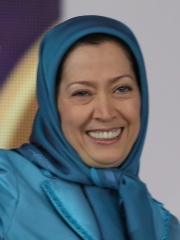
 Maryam Rajavi
Her biography is available in 25 different languages on Wikipedia (up from 23 in 2024). Maryam Rajavi is the 10,753rd most popular politician (down from 10,426th in 2024), the 273rd most popular biography from Iran (down from 271st in 2019) and the 138th most popular Iranian Politician.
Memorability Metrics
Page views of Maryam Rajavi by language
Among Politicians
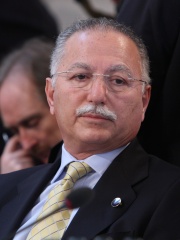
Among politicians, Maryam Rajavi ranks 10,753 out of 19,576. Before her are Cleomenes of Naucratis, Li Yuanchao, Ali Nasir Muhammad, Pedro González de Mendoza, Catherine of Mecklenburg, and Vasiliy Ulrikh. After her are Bisinus, Mwambutsa IV of Burundi, Abdul Rahman Ghassemlou, Verina, Pribislav of Mecklenburg, and Ekmeleddin İhsanoğlu.
Most Popular Politicians in Wikipedia
Go to all Rankings

Cleomenes of Naucratis
400 BC - 322 BC
HPI: 60.55
Rank: 10,752
Li Yuanchao
1950 - Present
HPI: 60.55
Rank: 10,753
Ali Nasir Muhammad
1940 - Present
HPI: 60.55
Rank: 10,754
Pedro González de Mendoza
1428 - 1495
HPI: 60.55
Rank: 10,755

Catherine of Mecklenburg
1487 - 1561
HPI: 60.55
Rank: 10,756
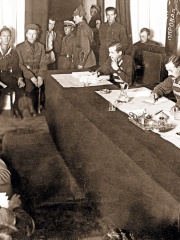
Vasiliy Ulrikh
1889 - 1951
HPI: 60.55
Rank: 10,757
Maryam Rajavi
1953 - Present
HPI: 60.55
Rank: 10,758

Bisinus
450 - 510
HPI: 60.55
Rank: 10,759
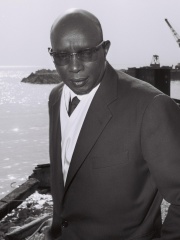
Mwambutsa IV of Burundi
1912 - 1977
HPI: 60.54
Rank: 10,760
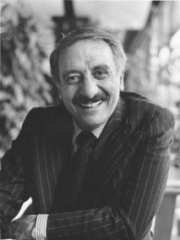
Abdul Rahman Ghassemlou
1930 - 1989
HPI: 60.54
Rank: 10,761
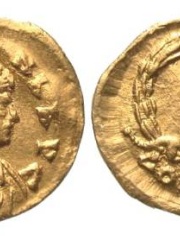
Verina
HPI: 60.54
Rank: 10,762

Pribislav of Mecklenburg
1200 - 1178
HPI: 60.54
Rank: 10,763
Ekmeleddin İhsanoğlu
1943 - Present
HPI: 60.54
Rank: 10,764

Contemporaries
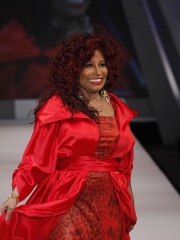
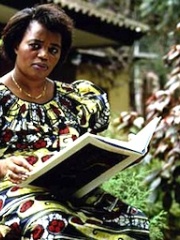
Among people born in 1953, Maryam Rajavi ranks 165. Before her are Kumba Ialá, Chaka Khan, Agathe Uwilingiyimana, Dave Evans, José Costa, and Desmond Child. After her are Dragan Kićanović, Filipe Neri Ferrão, Eric Tsang, Halid Bešlić, John Robertson, and Paul Haggis.
Others Born in 1953
Go to all Rankings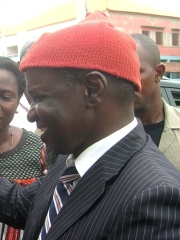
Kumba Ialá
POLITICIAN
1953 - 2014
HPI: 61.25
Rank: 159
Chaka Khan
MUSICIAN
1953 - Present
HPI: 61.16
Rank: 160
Agathe Uwilingiyimana
POLITICIAN
1953 - 1994
HPI: 61.12
Rank: 161
Dave Evans
SINGER
1953 - Present
HPI: 61.05
Rank: 162

José Costa
SOCCER PLAYER
1953 - Present
HPI: 60.82
Rank: 163
Desmond Child
MUSICIAN
1953 - Present
HPI: 60.80
Rank: 164
Maryam Rajavi
POLITICIAN
1953 - Present
HPI: 60.55
Rank: 165

Dragan Kićanović
BASKETBALL PLAYER
1953 - Present
HPI: 60.48
Rank: 166
Filipe Neri Ferrão
RELIGIOUS FIGURE
1953 - Present
HPI: 60.42
Rank: 167

Eric Tsang
ACTOR
1953 - Present
HPI: 60.38
Rank: 168

Halid Bešlić
SINGER
1953 - 2025
HPI: 60.36
Rank: 169
John Robertson
SOCCER PLAYER
1953 - 2025
HPI: 60.34
Rank: 170

Paul Haggis
FILM DIRECTOR
1953 - Present
HPI: 60.30
Rank: 171
In Iran
Among people born in Iran, Maryam Rajavi ranks 273 out of NaN. Before her are Farrokhroo Parsa (1922), Mastoureh Ardalan (1805), Arash (1977), Kader Abdolah (1954), Ahmad Jannati (1927), and Ubayd Zakani (1301). After her are Sharaf al-Din Ali Yazdi (1500), Abdul Rahman Ghassemlou (1930), Asghar Farhadi (1972), Jafar Khan (1800), Mehdi Karroubi (1937), and Abdolrahim Mousavi (1960).
Others born in Iran
Go to all Rankings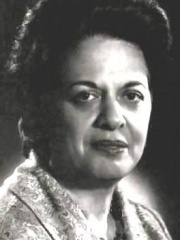
Farrokhroo Parsa
POLITICIAN
1922 - 1980
HPI: 60.84
Rank: 267
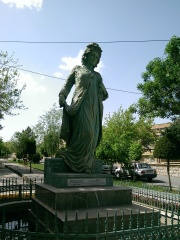
Mastoureh Ardalan
WRITER
1805 - 1848
HPI: 60.83
Rank: 268
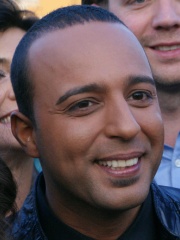
Arash
SINGER
1977 - Present
HPI: 60.82
Rank: 269
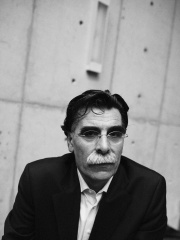
Kader Abdolah
WRITER
1954 - Present
HPI: 60.74
Rank: 270
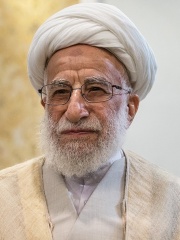
Ahmad Jannati
POLITICIAN
1927 - Present
HPI: 60.67
Rank: 271
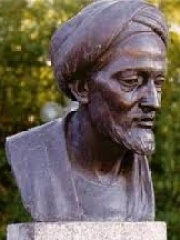
Ubayd Zakani
WRITER
1301 - 1371
HPI: 60.65
Rank: 272
Maryam Rajavi
POLITICIAN
1953 - Present
HPI: 60.55
Rank: 273
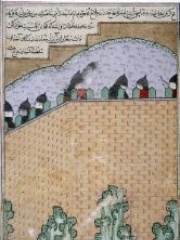
Sharaf al-Din Ali Yazdi
HISTORIAN
1500 - 1454
HPI: 60.54
Rank: 274
Abdul Rahman Ghassemlou
POLITICIAN
1930 - 1989
HPI: 60.54
Rank: 275
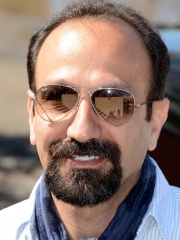
Asghar Farhadi
FILM DIRECTOR
1972 - Present
HPI: 60.48
Rank: 276
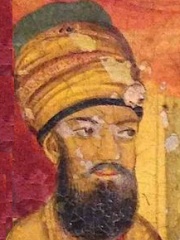
Jafar Khan
POLITICIAN
1800 - 1789
HPI: 60.45
Rank: 277
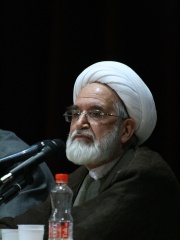
Mehdi Karroubi
POLITICIAN
1937 - Present
HPI: 60.41
Rank: 278
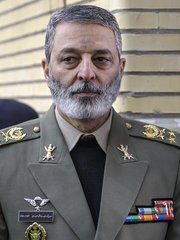
Abdolrahim Mousavi
MILITARY PERSONNEL
1960 - Present
HPI: 60.34
Rank: 279
Among Politicians In Iran
Among politicians born in Iran, Maryam Rajavi ranks 138. Before her are Lotf Ali Khan (1769), Farahnaz Pahlavi (1963), Mohammad-Javad Bahonar (1933), Abdallah ibn Tahir al-Khurasani (798), Farrokhroo Parsa (1922), and Ahmad Jannati (1927). After her are Abdul Rahman Ghassemlou (1930), Jafar Khan (1800), Mehdi Karroubi (1937), Mostafa Chamran (1932), Imad al-Dawla (892), and Ahmad Qavam (1876).
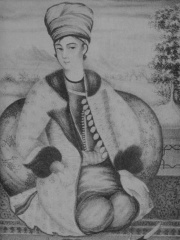
Lotf Ali Khan
1769 - 1794
HPI: 61.50
Rank: 132
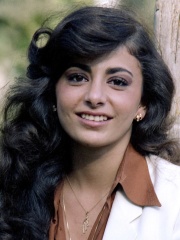
Farahnaz Pahlavi
1963 - Present
HPI: 61.20
Rank: 133
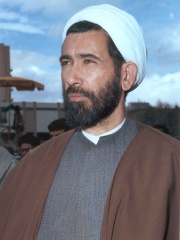
Mohammad-Javad Bahonar
1933 - 1981
HPI: 61.15
Rank: 134

Abdallah ibn Tahir al-Khurasani
798 - 844
HPI: 60.92
Rank: 135
Farrokhroo Parsa
1922 - 1980
HPI: 60.84
Rank: 136
Ahmad Jannati
1927 - Present
HPI: 60.67
Rank: 137
Maryam Rajavi
1953 - Present
HPI: 60.55
Rank: 138
Abdul Rahman Ghassemlou
1930 - 1989
HPI: 60.54
Rank: 139
Jafar Khan
1800 - 1789
HPI: 60.45
Rank: 140
Mehdi Karroubi
1937 - Present
HPI: 60.41
Rank: 141
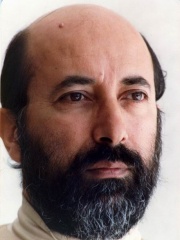
Mostafa Chamran
1932 - 1981
HPI: 60.09
Rank: 142
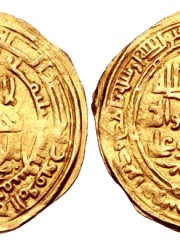
Imad al-Dawla
892 - 949
HPI: 60.08
Rank: 143
Ahmad Qavam
1876 - 1955
HPI: 59.90
Rank: 144