Politician
Marek Belka
1952 - today
EN.WIKIPEDIA PAGE VIEWS (PV)
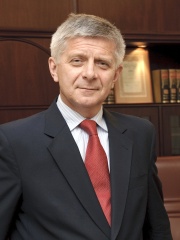
 Marek Belka
His biography is available in 37 different languages on Wikipedia. Marek Belka is the 13,208th most popular politician (down from 12,499th in 2024), the 847th most popular biography from Poland (down from 803rd in 2019) and the 198th most popular Polish Politician.
Memorability Metrics
Page views of Marek Belka by language
Among Politicians
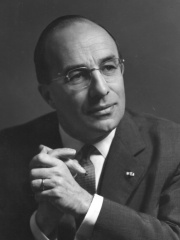
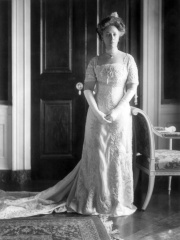
Among politicians, Marek Belka ranks 13,208 out of 19,576. Before him are Domagoj of Croatia, Vladimir Semichastny, Heinrich XXVII, Prince Reuss Younger Line, Otto, Duke of Lorraine, Penn Nouth, and Emily Donelson. After him are John I, Count Palatine of Simmern, Salim bin Thuwaini, Julio Antonio Mella, Jo Cals, Devan Nair, and Helen Herron Taft.
Most Popular Politicians in Wikipedia
Go to all Rankings
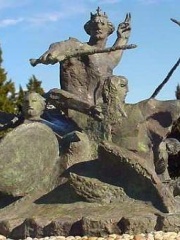
Domagoj of Croatia
900 - 876
HPI: 58.07
Rank: 13,208
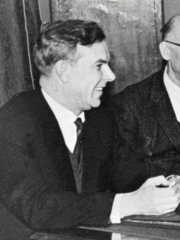
Vladimir Semichastny
1924 - 2001
HPI: 58.07
Rank: 13,209
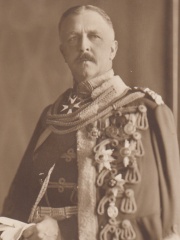
Heinrich XXVII, Prince Reuss Younger Line
1858 - 1928
HPI: 58.07
Rank: 13,210

Otto, Duke of Lorraine
HPI: 58.07
Rank: 13,211
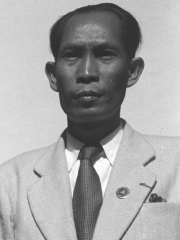
Penn Nouth
1906 - 1985
HPI: 58.07
Rank: 13,212
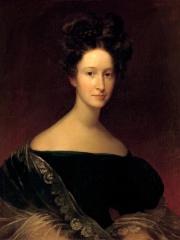
Emily Donelson
1807 - 1836
HPI: 58.07
Rank: 13,213
Marek Belka
1952 - Present
HPI: 58.07
Rank: 13,214
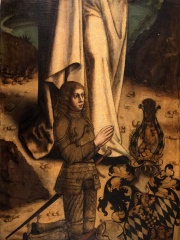
John I, Count Palatine of Simmern
1459 - 1509
HPI: 58.07
Rank: 13,215

Salim bin Thuwaini
1845 - 1876
HPI: 58.07
Rank: 13,216
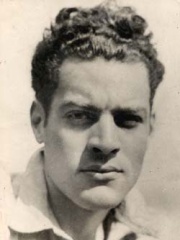
Julio Antonio Mella
1903 - 1929
HPI: 58.06
Rank: 13,217
Jo Cals
1914 - 1971
HPI: 58.06
Rank: 13,218

Devan Nair
1923 - 2005
HPI: 58.06
Rank: 13,219
Helen Herron Taft
1861 - 1943
HPI: 58.06
Rank: 13,220

Contemporaries
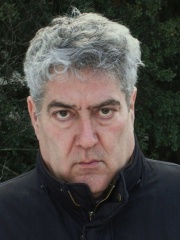
Among people born in 1952, Marek Belka ranks 292. Before him are Piercarlo Ghinzani, Quim Monzó, Martin Parr, Reginald VelJohnson, Wan Azizah Wan Ismail, and Benny Urquidez. After him are Ricardo La Volpe, Cerrone, Jigme Thinley, Kikki Danielsson, Rick Aviles, and John Lynch.
Others Born in 1952
Go to all Rankings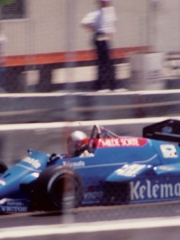
Piercarlo Ghinzani
RACING DRIVER
1952 - Present
HPI: 58.20
Rank: 286
Quim Monzó
WRITER
1952 - Present
HPI: 58.16
Rank: 287
Martin Parr
JOURNALIST
1952 - 2025
HPI: 58.15
Rank: 288

Reginald VelJohnson
ACTOR
1952 - Present
HPI: 58.14
Rank: 289
Wan Azizah Wan Ismail
POLITICIAN
1952 - Present
HPI: 58.14
Rank: 290
Benny Urquidez
MARTIAL ARTS
1952 - Present
HPI: 58.09
Rank: 291
Marek Belka
POLITICIAN
1952 - Present
HPI: 58.07
Rank: 292

Ricardo La Volpe
SOCCER PLAYER
1952 - Present
HPI: 58.06
Rank: 293
Cerrone
MUSICIAN
1952 - Present
HPI: 58.02
Rank: 294
Jigme Thinley
POLITICIAN
1952 - Present
HPI: 58.00
Rank: 295
Kikki Danielsson
SINGER
1952 - Present
HPI: 57.98
Rank: 296
Rick Aviles
ACTOR
1952 - 1995
HPI: 57.98
Rank: 297
John Lynch
POLITICIAN
1952 - Present
HPI: 57.95
Rank: 298
In Poland
Among people born in Poland, Marek Belka ranks 847 out of NaN. Before him are Willy Fritsch (1901), Małgorzata Braunek (1947), Erich Abraham (1895), Zofia Nałkowska (1884), Wojciech Korfanty (1873), and Albert Chmielowski (1846). After him are Wojciech Bogusławski (1757), Ottomar Anschütz (1846), Nikifor (1895), Alfred Kerr (1867), Jan Kott (1914), and Grigory Levenfish (1889).
Others born in Poland
Go to all Rankings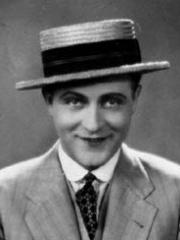
Willy Fritsch
ACTOR
1901 - 1973
HPI: 58.16
Rank: 841
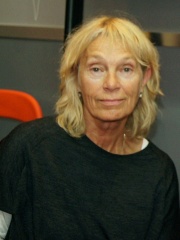
Małgorzata Braunek
ACTOR
1947 - 2014
HPI: 58.11
Rank: 842
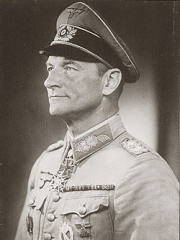
Erich Abraham
MILITARY PERSONNEL
1895 - 1971
HPI: 58.11
Rank: 843
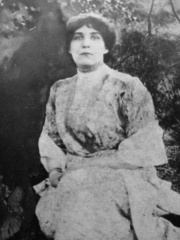
Zofia Nałkowska
WRITER
1884 - 1954
HPI: 58.10
Rank: 844
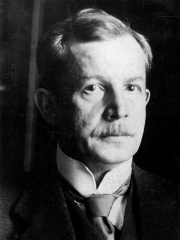
Wojciech Korfanty
POLITICIAN
1873 - 1939
HPI: 58.08
Rank: 845
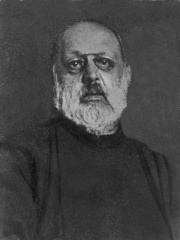
Albert Chmielowski
PAINTER
1846 - 1916
HPI: 58.08
Rank: 846
Marek Belka
POLITICIAN
1952 - Present
HPI: 58.07
Rank: 847
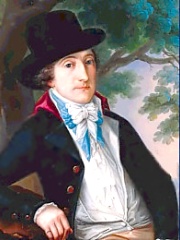
Wojciech Bogusławski
ACTOR
1757 - 1829
HPI: 58.06
Rank: 848
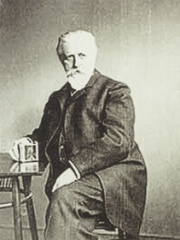
Ottomar Anschütz
INVENTOR
1846 - 1907
HPI: 58.04
Rank: 849
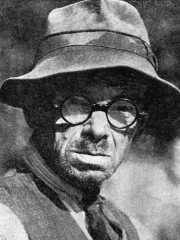
Nikifor
PAINTER
1895 - 1968
HPI: 58.04
Rank: 850
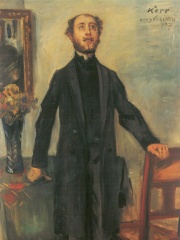
Alfred Kerr
WRITER
1867 - 1948
HPI: 58.02
Rank: 851
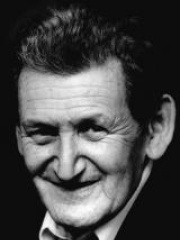
Jan Kott
WRITER
1914 - 2001
HPI: 57.98
Rank: 852
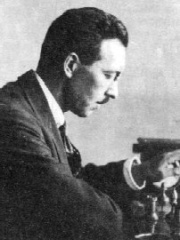
Grigory Levenfish
CHESS PLAYER
1889 - 1961
HPI: 57.97
Rank: 853
Among Politicians In Poland
Among politicians born in Poland, Marek Belka ranks 198. Before him are Danuta Siedzikówna (1928), Edward Osóbka-Morawski (1909), Józef Oleksy (1946), Frederick II of Legnica (1480), Henry, Duke of Anhalt-Köthen (1778), and Wojciech Korfanty (1873). After him are Heinrich von Stephan (1831), Aleksander Skrzyński (1882), Paweł Adamowicz (1965), Jan Klemens Branicki (1689), Kazimierz Sosnkowski (1885), and Ignacy Potocki (1750).
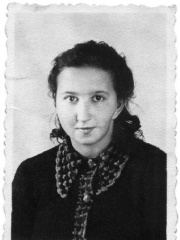
Danuta Siedzikówna
1928 - 1946
HPI: 58.56
Rank: 192
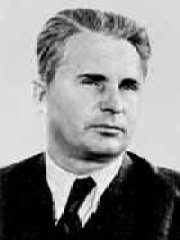
Edward Osóbka-Morawski
1909 - 1997
HPI: 58.51
Rank: 193
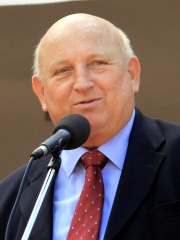
Józef Oleksy
1946 - 2015
HPI: 58.39
Rank: 194
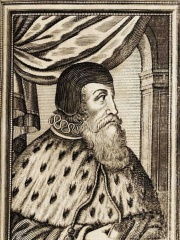
Frederick II of Legnica
1480 - 1547
HPI: 58.37
Rank: 195
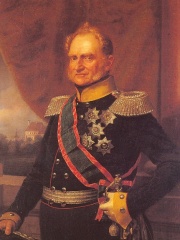
Henry, Duke of Anhalt-Köthen
1778 - 1847
HPI: 58.19
Rank: 196
Wojciech Korfanty
1873 - 1939
HPI: 58.08
Rank: 197
Marek Belka
1952 - Present
HPI: 58.07
Rank: 198
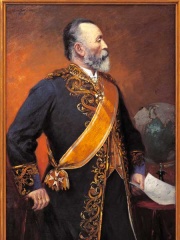
Heinrich von Stephan
1831 - 1897
HPI: 57.77
Rank: 199

Aleksander Skrzyński
1882 - 1931
HPI: 57.71
Rank: 200
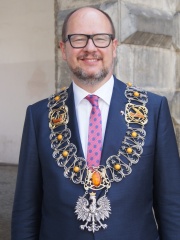
Paweł Adamowicz
1965 - 2019
HPI: 57.70
Rank: 201
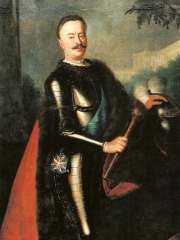
Jan Klemens Branicki
1689 - 1771
HPI: 57.59
Rank: 202
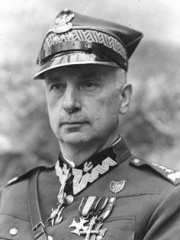
Kazimierz Sosnkowski
1885 - 1969
HPI: 57.43
Rank: 203
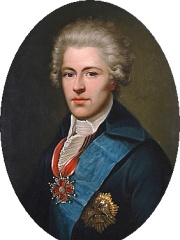
Ignacy Potocki
1750 - 1809
HPI: 57.42
Rank: 204




