Coach
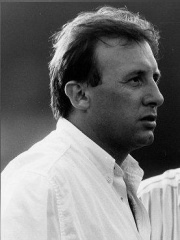
Marcello Lippi
1948 - today
EN.WIKIPEDIA PAGE VIEWS (PV)
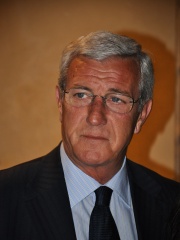
 Marcello Lippi
His biography is available in 56 different languages on Wikipedia (up from 55 in 2024). Marcello Lippi is the 20th most popular coach (down from 17th in 2024), the 566th most popular biography from Italy (down from 529th in 2019) and the 6th most popular Italian Coach.
Marcello Lippi is most famous for being the manager of the Italian national football team, the Azzurri, and leading them to victory in the 2006 FIFA World Cup.
Memorability Metrics
Page views of Marcello Lippi by language
Among Coaches
Among coaches, Marcello Lippi ranks 20 out of 471. Before him are Rafael Benítez, Giovanni Trapattoni, Marco van Basten, Vicente del Bosque, Luiz Felipe Scolari, and Rinus Michels. After him are Luis Aragonés, Jürgen Klopp, Diego Simeone, Sven-Göran Eriksson, Sepp Maier, and Frank Rijkaard.
Most Popular Coaches in Wikipedia
Go to all Rankings
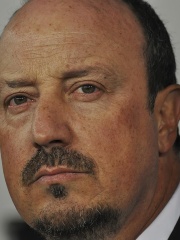
Rafael Benítez
1960 - Present
HPI: 75.12
Rank: 14
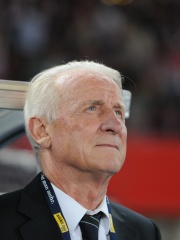
Giovanni Trapattoni
1939 - Present
HPI: 75.09
Rank: 15
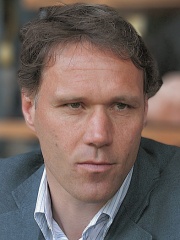
Marco van Basten
1964 - Present
HPI: 74.92
Rank: 16
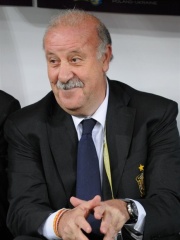
Vicente del Bosque
1950 - Present
HPI: 74.89
Rank: 17
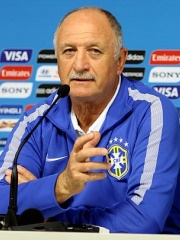
Luiz Felipe Scolari
1948 - Present
HPI: 74.40
Rank: 18
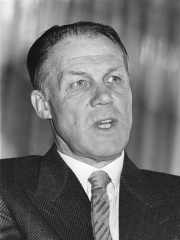
Rinus Michels
1928 - 2005
HPI: 74.34
Rank: 19
Marcello Lippi
1948 - Present
HPI: 74.05
Rank: 20
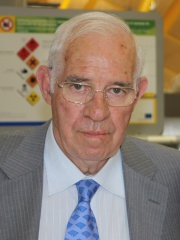
Luis Aragonés
1938 - 2014
HPI: 74.00
Rank: 21
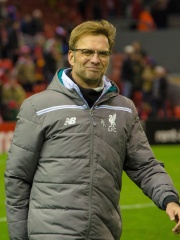
Jürgen Klopp
1967 - Present
HPI: 73.67
Rank: 22
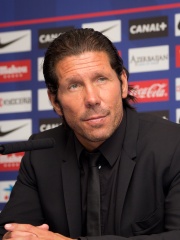
Diego Simeone
1970 - Present
HPI: 73.34
Rank: 23
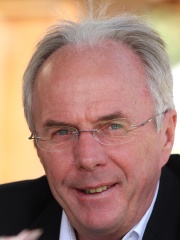
Sven-Göran Eriksson
1948 - 2024
HPI: 73.26
Rank: 24
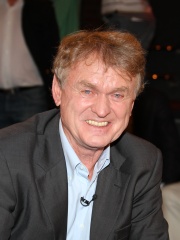
Sepp Maier
1944 - Present
HPI: 73.14
Rank: 25
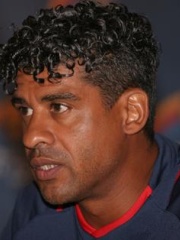
Frank Rijkaard
1962 - Present
HPI: 73.02
Rank: 26

Contemporaries
Among people born in 1948, Marcello Lippi ranks 29. Before him are Marcelo Rebelo de Sousa, Nick Drake, Charles Taylor, Khalifa bin Zayed Al Nahyan, Klaus Meine, and Olivia Newton-John. After him are George Tupou V, Henning Mankell, Patrizia Reggiani, Andrzej Sapkowski, Antonín Panenka, and Sven-Göran Eriksson.
Others Born in 1948
Go to all Rankings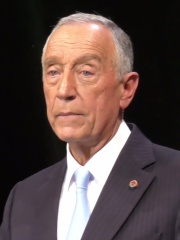
Marcelo Rebelo de Sousa
POLITICIAN
1948 - Present
HPI: 74.29
Rank: 23
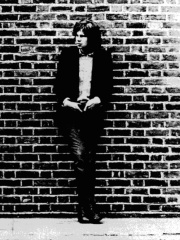
Nick Drake
MUSICIAN
1948 - 1974
HPI: 74.28
Rank: 24
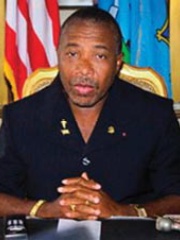
Charles Taylor
POLITICIAN
1948 - Present
HPI: 74.24
Rank: 25
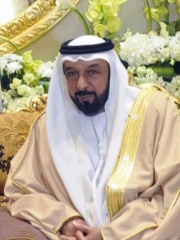
Khalifa bin Zayed Al Nahyan
POLITICIAN
1948 - 2022
HPI: 74.16
Rank: 26
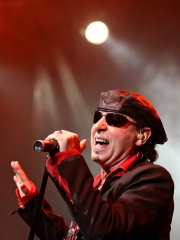
Klaus Meine
SINGER
1948 - Present
HPI: 74.15
Rank: 27

Olivia Newton-John
ACTOR
1948 - 2022
HPI: 74.12
Rank: 28
Marcello Lippi
COACH
1948 - Present
HPI: 74.05
Rank: 29
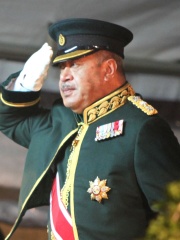
George Tupou V
POLITICIAN
1948 - 2012
HPI: 74.01
Rank: 30
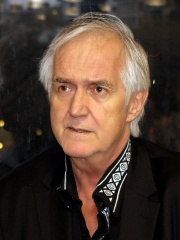
Henning Mankell
WRITER
1948 - 2015
HPI: 73.84
Rank: 31
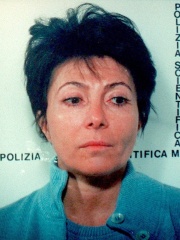
Patrizia Reggiani
EXTREMIST
1948 - Present
HPI: 73.77
Rank: 32
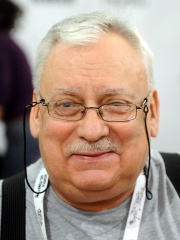
Andrzej Sapkowski
WRITER
1948 - Present
HPI: 73.44
Rank: 33
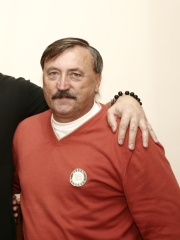
Antonín Panenka
SOCCER PLAYER
1948 - Present
HPI: 73.34
Rank: 34
Sven-Göran Eriksson
COACH
1948 - 2024
HPI: 73.26
Rank: 35
In Italy
Among people born in Italy, Marcello Lippi ranks 566 out of NaN. Before him are Giosuè Carducci (1835), Carlo Ponti (1912), Giuseppe Peano (1858), Ornella Muti (1955), Alberto Ascari (1918), and Petronius Maximus (396). After him are Carlo Gesualdo (1566), Pope Benedict V (930), Giuseppe Farina (1906), Pope Stephen II (715), Lambert of Italy (880), and Scribonia (-70).
Others born in Italy
Go to all Rankings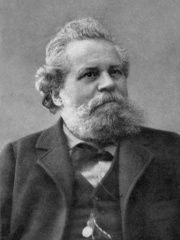
Giosuè Carducci
WRITER
1835 - 1907
HPI: 74.14
Rank: 560
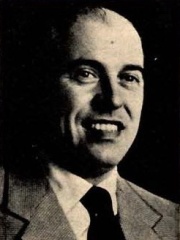
Carlo Ponti
PRODUCER
1912 - 2007
HPI: 74.11
Rank: 561
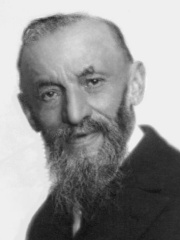
Giuseppe Peano
MATHEMATICIAN
1858 - 1932
HPI: 74.06
Rank: 562
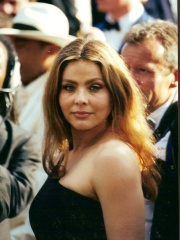
Ornella Muti
ACTOR
1955 - Present
HPI: 74.06
Rank: 563
Alberto Ascari
RACING DRIVER
1918 - 1955
HPI: 74.05
Rank: 564
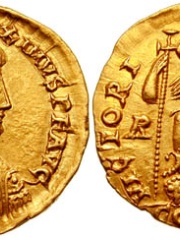
Petronius Maximus
POLITICIAN
396 - 455
HPI: 74.05
Rank: 565
Marcello Lippi
COACH
1948 - Present
HPI: 74.05
Rank: 566
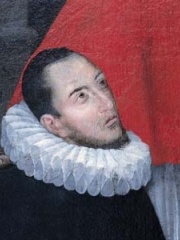
Carlo Gesualdo
COMPOSER
1566 - 1613
HPI: 74.03
Rank: 567
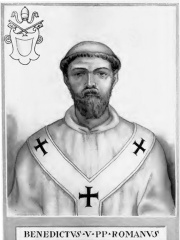
Pope Benedict V
RELIGIOUS FIGURE
930 - 965
HPI: 74.02
Rank: 568
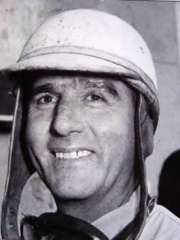
Giuseppe Farina
RACING DRIVER
1906 - 1966
HPI: 74.02
Rank: 569
Pope Stephen II
RELIGIOUS FIGURE
715 - 757
HPI: 74.00
Rank: 570
Lambert of Italy
POLITICIAN
880 - 898
HPI: 73.98
Rank: 571
Scribonia
COMPANION
70 BC - 16
HPI: 73.96
Rank: 572
Among Coaches In Italy
Among coaches born in Italy, Marcello Lippi ranks 6. Before him are Carlo Ancelotti (1959), Dino Zoff (1942), Fabio Capello (1946), Claudio Ranieri (1951), and Giovanni Trapattoni (1939). After him are Arrigo Sacchi (1946), Luciano Spalletti (1959), Maurizio Sarri (1959), Massimiliano Allegri (1967), Enzo Bearzot (1927), and Alberto Zaccheroni (1953).
Carlo Ancelotti
1959 - Present
HPI: 81.23
Rank: 1
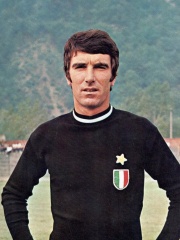
Dino Zoff
1942 - Present
HPI: 76.82
Rank: 2
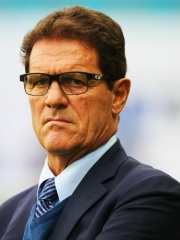
Fabio Capello
1946 - Present
HPI: 76.04
Rank: 3
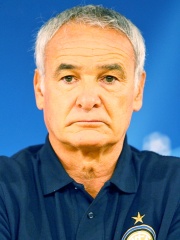
Claudio Ranieri
1951 - Present
HPI: 76.00
Rank: 4
Giovanni Trapattoni
1939 - Present
HPI: 75.09
Rank: 5
Marcello Lippi
1948 - Present
HPI: 74.05
Rank: 6
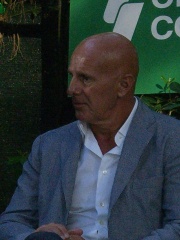
Arrigo Sacchi
1946 - Present
HPI: 72.75
Rank: 7
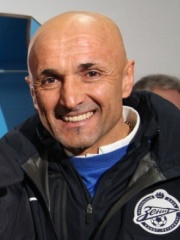
Luciano Spalletti
1959 - Present
HPI: 68.32
Rank: 8
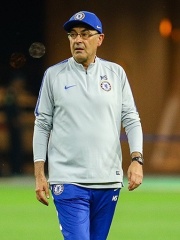
Maurizio Sarri
1959 - Present
HPI: 68.09
Rank: 9
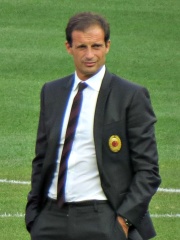
Massimiliano Allegri
1967 - Present
HPI: 67.29
Rank: 10
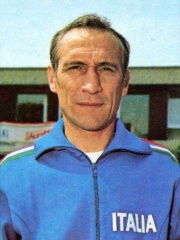
Enzo Bearzot
1927 - 2010
HPI: 67.19
Rank: 11
Alberto Zaccheroni
1953 - Present
HPI: 65.51
Rank: 12