Athlete
Manlio Di Rosa
1914 - 1989
EN.WIKIPEDIA PAGE VIEWS (PV)

 Manlio Di Rosa
His biography is available in 18 different languages on Wikipedia (up from 16 in 2024). Manlio Di Rosa is the 876th most popular athlete (down from 528th in 2024), the 3,632nd most popular biography from Italy (down from 3,518th in 2019) and the 40th most popular Italian Athlete.
Memorability Metrics
Page views of Manlio Di Rosa by language
Among Athletes
Among athletes, Manlio Di Rosa ranks 876 out of 6,025. Before him are András Székely, Lennox Miller, Abelardo Olivier, Edward Cook, Olha Bryzhina, and Jan Jindra. After him are Mel Sheppard, Helena Fibingerová, Frantz Reichel, Gábor Delneky, Jackie Joyner-Kersee, and Ileana Silai.
Most Popular Athletes in Wikipedia
Go to all Rankings
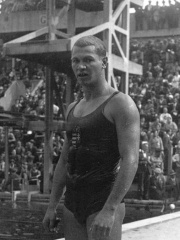
András Székely
1909 - 1943
HPI: 55.96
Rank: 870

Lennox Miller
1946 - 2004
HPI: 55.96
Rank: 871
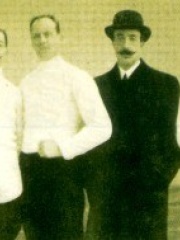
Abelardo Olivier
1877 - 1954
HPI: 55.95
Rank: 872
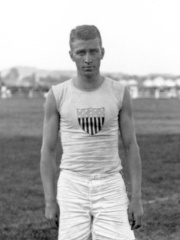
Edward Cook
1888 - 1972
HPI: 55.95
Rank: 873

Olha Bryzhina
1963 - Present
HPI: 55.95
Rank: 874
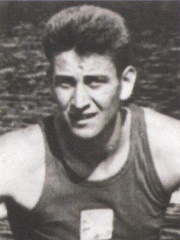
Jan Jindra
1932 - 2021
HPI: 55.95
Rank: 875
Manlio Di Rosa
1914 - 1989
HPI: 55.95
Rank: 876
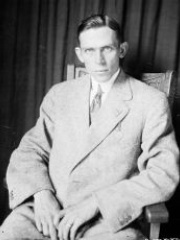
Mel Sheppard
1883 - 1942
HPI: 55.95
Rank: 877
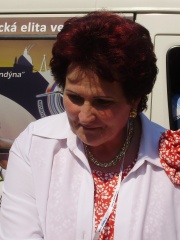
Helena Fibingerová
1949 - Present
HPI: 55.94
Rank: 878
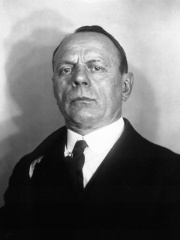
Frantz Reichel
1871 - 1932
HPI: 55.94
Rank: 879
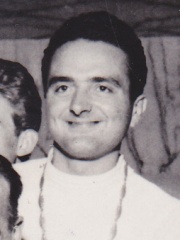
Gábor Delneky
1932 - 2008
HPI: 55.93
Rank: 880

Jackie Joyner-Kersee
1962 - Present
HPI: 55.92
Rank: 881
Ileana Silai
1941 - 2025
HPI: 55.91
Rank: 882

Contemporaries
Among people born in 1914, Manlio Di Rosa ranks 286. Before him are William Grut, Carlos Menditeguy, Irmã Dulce, Armen Alchian, Aharon Katzir, and Sven Jacobsson. After him are William Gibson, Victor Sen Yung, Severino Rigoni, Hermann Pilnik, Dagmar Lange, and Carlo Biagi. Among people deceased in 1989, Manlio Di Rosa ranks 217. Before him are Jean Despeaux, Willi Horn, Ernesto Formenti, Roy Eldridge, Elizabeth Becker-Pinkston, and Federico Saiz. After him are Erik Persson, Hassler Whitney, Leen Vente, Willie Steele, Ray McAnally, and Frank Foss.
Others Born in 1914
Go to all Rankings
William Grut
ATHLETE
1914 - 2012
HPI: 56.34
Rank: 280
Carlos Menditeguy
RACING DRIVER
1914 - 1973
HPI: 56.17
Rank: 281
Irmã Dulce
RELIGIOUS FIGURE
1914 - 1992
HPI: 56.16
Rank: 282
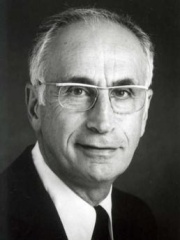
Armen Alchian
ECONOMIST
1914 - 2013
HPI: 56.08
Rank: 283
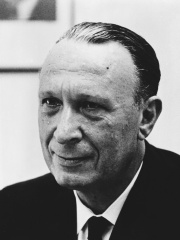
Aharon Katzir
BIOLOGIST
1914 - 1972
HPI: 56.04
Rank: 284
Sven Jacobsson
SOCCER PLAYER
1914 - 1983
HPI: 56.02
Rank: 285
Manlio Di Rosa
ATHLETE
1914 - 1989
HPI: 55.95
Rank: 286
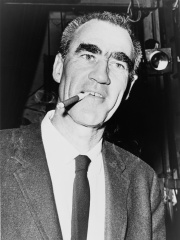
William Gibson
WRITER
1914 - 2008
HPI: 55.93
Rank: 287
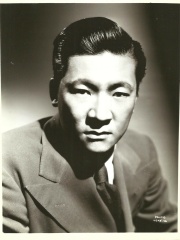
Victor Sen Yung
ACTOR
1914 - 1980
HPI: 55.88
Rank: 288
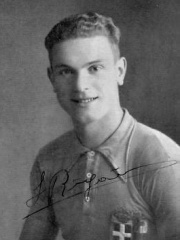
Severino Rigoni
CYCLIST
1914 - 1992
HPI: 55.86
Rank: 289
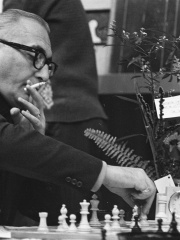
Hermann Pilnik
CHESS PLAYER
1914 - 1981
HPI: 55.86
Rank: 290
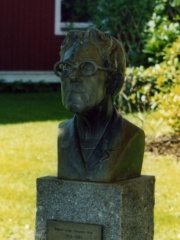
Dagmar Lange
WRITER
1914 - 1991
HPI: 55.81
Rank: 291

Carlo Biagi
SOCCER PLAYER
1914 - 1986
HPI: 55.71
Rank: 292
Others Deceased in 1989
Go to all Rankings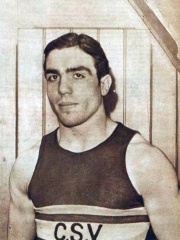
Jean Despeaux
BOXER
1915 - 1989
HPI: 56.24
Rank: 211

Willi Horn
ATHLETE
1909 - 1989
HPI: 56.21
Rank: 212
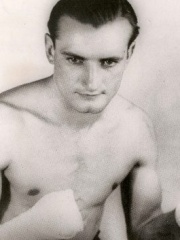
Ernesto Formenti
ATHLETE
1927 - 1989
HPI: 56.17
Rank: 213
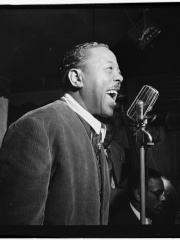
Roy Eldridge
SINGER
1911 - 1989
HPI: 56.11
Rank: 214

Elizabeth Becker-Pinkston
ATHLETE
1903 - 1989
HPI: 56.02
Rank: 215

Federico Saiz
SOCCER PLAYER
1912 - 1989
HPI: 56.01
Rank: 216
Manlio Di Rosa
ATHLETE
1914 - 1989
HPI: 55.95
Rank: 217
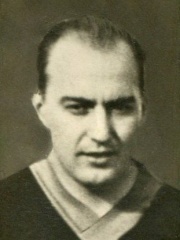
Erik Persson
SOCCER PLAYER
1909 - 1989
HPI: 55.90
Rank: 218

Hassler Whitney
MATHEMATICIAN
1907 - 1989
HPI: 55.89
Rank: 219
Leen Vente
SOCCER PLAYER
1911 - 1989
HPI: 55.83
Rank: 220

Willie Steele
ATHLETE
1923 - 1989
HPI: 55.81
Rank: 221
Ray McAnally
ACTOR
1926 - 1989
HPI: 55.75
Rank: 222
Frank Foss
ATHLETE
1895 - 1989
HPI: 55.72
Rank: 223
In Italy
Among people born in Italy, Manlio Di Rosa ranks 3,633 out of NaN. Before him are Liberius (465), Paolo Pedretti (1906), Piero Dusio (1899), Nino Defilippis (1932), Vincent Gardenia (1920), and Giovanna Amati (1959). After him are Imerio Massignan (1937), Aitana Sánchez-Gijón (1968), Maria Angela Ardinghelli (1728), Alessandro Antonelli (1798), Andrea Montermini (1964), and Rudolph Schadow (1786).
Others born in Italy
Go to all Rankings
Liberius
POLITICIAN
465 - 554
HPI: 56.00
Rank: 3,627

Paolo Pedretti
CYCLIST
1906 - 1983
HPI: 55.99
Rank: 3,628
Piero Dusio
BUSINESSPERSON
1899 - 1975
HPI: 55.99
Rank: 3,629
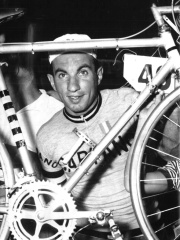
Nino Defilippis
CYCLIST
1932 - 2010
HPI: 55.97
Rank: 3,630
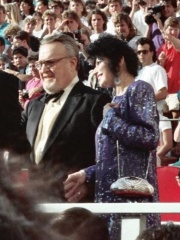
Vincent Gardenia
ACTOR
1920 - 1992
HPI: 55.97
Rank: 3,631

Giovanna Amati
RACING DRIVER
1959 - Present
HPI: 55.97
Rank: 3,632
Manlio Di Rosa
ATHLETE
1914 - 1989
HPI: 55.95
Rank: 3,633
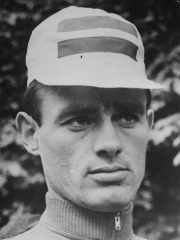
Imerio Massignan
CYCLIST
1937 - 2024
HPI: 55.94
Rank: 3,634

Aitana Sánchez-Gijón
ACTOR
1968 - Present
HPI: 55.91
Rank: 3,635
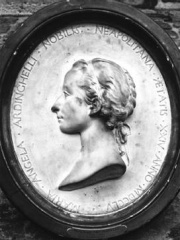
Maria Angela Ardinghelli
MATHEMATICIAN
1728 - 1825
HPI: 55.91
Rank: 3,636
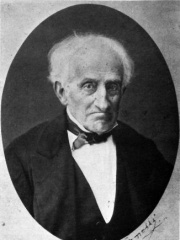
Alessandro Antonelli
ARCHITECT
1798 - 1888
HPI: 55.91
Rank: 3,637
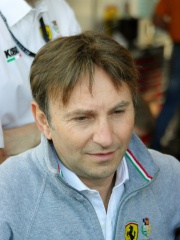
Andrea Montermini
POLITICIAN
1964 - Present
HPI: 55.91
Rank: 3,638
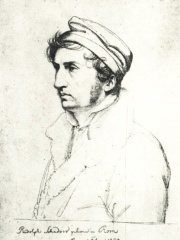
Rudolph Schadow
SCULPTOR
1786 - 1822
HPI: 55.91
Rank: 3,639
Among Athletes In Italy
Among athletes born in Italy, Manlio Di Rosa ranks 40. Before him are Livio Berruti (1939), Romeo Bertini (1893), Marcello Bertinetti (1885), Giorgio Anglesio (1922), Nino Bibbia (1922), and Tullio Bozza (1891). After him are Renzo Minoli (1904), Amelia Piccinini (1917), Tommaso Lequio di Assaba (1893), Gianni Bonichon (1944), Giovanni Zucchi (1931), and Bruno Boni (1915).

Livio Berruti
1939 - Present
HPI: 56.28
Rank: 34
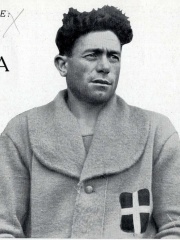
Romeo Bertini
1893 - 1973
HPI: 56.24
Rank: 35
Marcello Bertinetti
1885 - 1967
HPI: 56.20
Rank: 36

Giorgio Anglesio
1922 - 2007
HPI: 56.18
Rank: 37
Nino Bibbia
1922 - 2013
HPI: 56.10
Rank: 38

Tullio Bozza
1891 - 1922
HPI: 56.09
Rank: 39
Manlio Di Rosa
1914 - 1989
HPI: 55.95
Rank: 40
Renzo Minoli
1904 - 1965
HPI: 55.84
Rank: 41
Amelia Piccinini
1917 - 1979
HPI: 55.83
Rank: 42
Tommaso Lequio di Assaba
1893 - 1965
HPI: 55.80
Rank: 43

Gianni Bonichon
1944 - 2010
HPI: 55.80
Rank: 44

Giovanni Zucchi
1931 - 2021
HPI: 55.68
Rank: 45

Bruno Boni
1915 - 2003
HPI: 55.59
Rank: 46