Politician
Lê Lợi
1384 - 1433
EN.WIKIPEDIA PAGE VIEWS (PV)
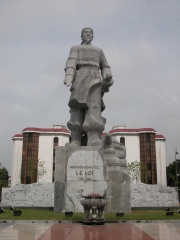
 Lê Lợi
His biography is available in 25 different languages on Wikipedia. Lê Lợi is the 7,402nd most popular politician (down from 4,858th in 2024), the 32nd most popular biography from Vietnam (down from 22nd in 2019) and the 21st most popular Vietnamese Politician.
Memorability Metrics
Page views of Lê Lợi by language
Among Politicians
Among politicians, Lê Lợi ranks 7,402 out of 19,576. Before him are Jia Sidao, Berthold, Duke of Bavaria, Mandane of Media, Haxhi Lleshi, Erna Solberg, and Zhang Chunqiao. After him are Himiltrude, Charles Alexander, Grand Duke of Saxe-Weimar-Eisenach, John I, Duke of Alençon, Kamehameha II, Práxedes Mateo Sagasta, and Tefnakht.
Most Popular Politicians in Wikipedia
Go to all Rankings
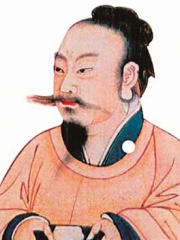
Jia Sidao
1213 - 1275
HPI: 63.76
Rank: 7,399
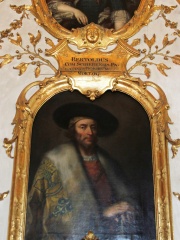
Berthold, Duke of Bavaria
905 - 947
HPI: 63.76
Rank: 7,400
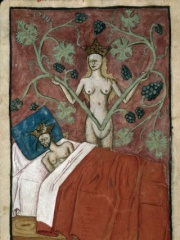
Mandane of Media
584 BC - 559 BC
HPI: 63.76
Rank: 7,401
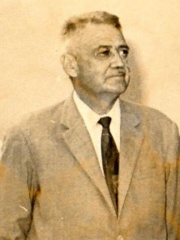
Haxhi Lleshi
1913 - 1998
HPI: 63.76
Rank: 7,402

Erna Solberg
1961 - Present
HPI: 63.76
Rank: 7,403
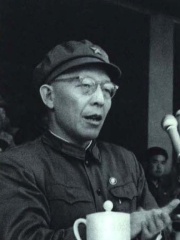
Zhang Chunqiao
1917 - 2005
HPI: 63.76
Rank: 7,404
Lê Lợi
1384 - 1433
HPI: 63.76
Rank: 7,405

Himiltrude
800 - 800
HPI: 63.76
Rank: 7,406
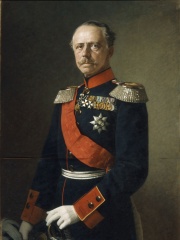
Charles Alexander, Grand Duke of Saxe-Weimar-Eisenach
1818 - 1901
HPI: 63.76
Rank: 7,407
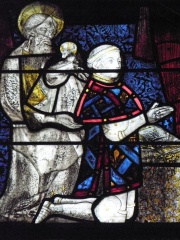
John I, Duke of Alençon
1385 - 1415
HPI: 63.76
Rank: 7,408
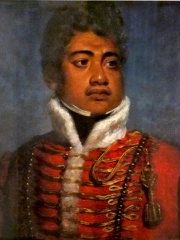
Kamehameha II
1797 - 1824
HPI: 63.76
Rank: 7,409
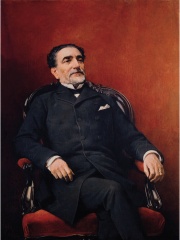
Práxedes Mateo Sagasta
1825 - 1903
HPI: 63.76
Rank: 7,410
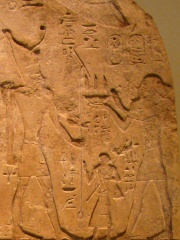
Tefnakht
780 BC - 800 BC
HPI: 63.75
Rank: 7,411

Contemporaries
Among people born in 1384, Lê Lợi ranks 5. Before him are Frances of Rome, Yolande of Aragon, Khalil Sultan, and Anthony, Duke of Brabant. After him is John Talbot, 1st Earl of Shrewsbury. Among people deceased in 1433, Lê Lợi ranks 5. Before him are Zheng He, John I of Portugal, Emperor Go-Komatsu, and Lidwina. After him are Baysunghur, James II, Count of Urgell, Nicholas II Garai, and Joan of France, Duchess of Brittany.
Others Born in 1384
Go to all Rankings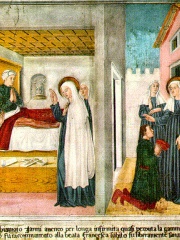
Frances of Rome
RELIGIOUS FIGURE
1384 - 1440
HPI: 69.83
Rank: 1
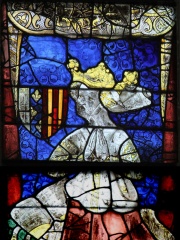
Yolande of Aragon
POLITICIAN
1384 - 1442
HPI: 67.77
Rank: 2

Khalil Sultan
POLITICIAN
1384 - 1411
HPI: 67.66
Rank: 3
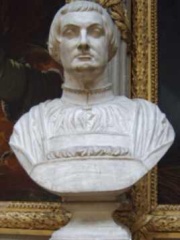
Anthony, Duke of Brabant
NOBLEMAN
1384 - 1415
HPI: 66.71
Rank: 4
Lê Lợi
POLITICIAN
1384 - 1433
HPI: 63.76
Rank: 5
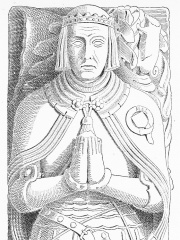
John Talbot, 1st Earl of Shrewsbury
POLITICIAN
1384 - 1453
HPI: 62.93
Rank: 6
Others Deceased in 1433
Go to all Rankings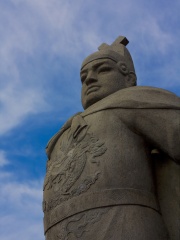
Zheng He
EXPLORER
1387 - 1433
HPI: 84.21
Rank: 1
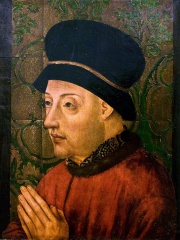
John I of Portugal
POLITICIAN
1358 - 1433
HPI: 75.25
Rank: 2
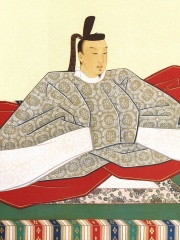
Emperor Go-Komatsu
POLITICIAN
1377 - 1433
HPI: 66.89
Rank: 3
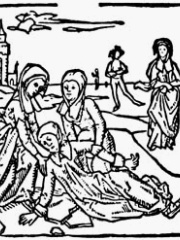
Lidwina
RELIGIOUS FIGURE
1380 - 1433
HPI: 66.60
Rank: 4
Lê Lợi
POLITICIAN
1384 - 1433
HPI: 63.76
Rank: 5
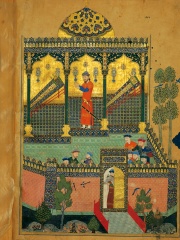
Baysunghur
ARCHITECT
1397 - 1433
HPI: 61.81
Rank: 6

James II, Count of Urgell
NOBLEMAN
1380 - 1433
HPI: 61.49
Rank: 7
Nicholas II Garai
POLITICIAN
1367 - 1433
HPI: 60.79
Rank: 8
Joan of France, Duchess of Brittany
POLITICIAN
1391 - 1433
HPI: 60.38
Rank: 9
In Vietnam
Among people born in Vietnam, Lê Lợi ranks 32 out of NaN. Before him are Tsui Hark (1950), Trần Đức Lương (1936), Trần Hưng Đạo (1228), Nguyễn Hữu Thọ (1910), Ngô Đình Nhu (1910), and Son Sen (1930). After him are Khải Định (1885), Minh Mạng (1791), Phạm Văn Đồng (1906), Trường Chinh (1907), Lady Triệu (225), and Nguyễn Huệ (1752).
Others born in Vietnam
Go to all Rankings
Tsui Hark
FILM DIRECTOR
1950 - Present
HPI: 65.08
Rank: 26
Trần Đức Lương
POLITICIAN
1936 - 2025
HPI: 64.75
Rank: 27
Trần Hưng Đạo
POLITICIAN
1228 - 1300
HPI: 64.25
Rank: 28
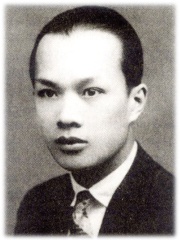
Nguyễn Hữu Thọ
POLITICIAN
1910 - 1996
HPI: 64.08
Rank: 29
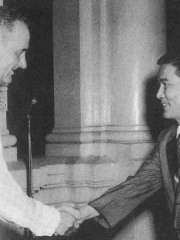
Ngô Đình Nhu
POLITICIAN
1910 - 1963
HPI: 63.91
Rank: 30
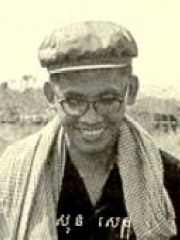
Son Sen
POLITICIAN
1930 - 1997
HPI: 63.78
Rank: 31
Lê Lợi
POLITICIAN
1384 - 1433
HPI: 63.76
Rank: 32
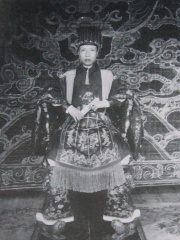
Khải Định
POLITICIAN
1885 - 1925
HPI: 63.62
Rank: 33

Minh Mạng
POLITICIAN
1791 - 1841
HPI: 63.41
Rank: 34
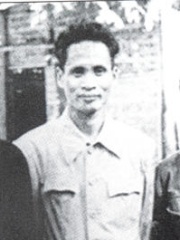
Phạm Văn Đồng
POLITICIAN
1906 - 2000
HPI: 63.33
Rank: 35
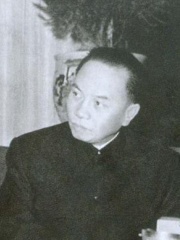
Trường Chinh
POLITICIAN
1907 - 1988
HPI: 63.32
Rank: 36

Lady Triệu
MILITARY PERSONNEL
225 - 248
HPI: 63.31
Rank: 37
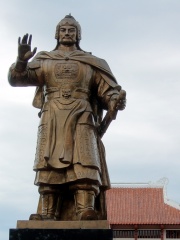
Nguyễn Huệ
POLITICIAN
1752 - 1792
HPI: 63.25
Rank: 38
Among Politicians In Vietnam
Among politicians born in Vietnam, Lê Lợi ranks 21. Before him are Madame Nhu (1924), Trần Đức Lương (1936), Trần Hưng Đạo (1228), Nguyễn Hữu Thọ (1910), Ngô Đình Nhu (1910), and Son Sen (1930). After him are Khải Định (1885), Minh Mạng (1791), Phạm Văn Đồng (1906), Trường Chinh (1907), Nguyễn Huệ (1752), and Nguyễn Khánh (1927).
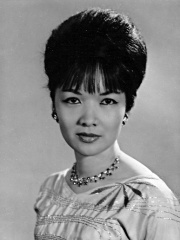
Madame Nhu
1924 - 2011
HPI: 65.26
Rank: 15
Trần Đức Lương
1936 - 2025
HPI: 64.75
Rank: 16
Trần Hưng Đạo
1228 - 1300
HPI: 64.25
Rank: 17
Nguyễn Hữu Thọ
1910 - 1996
HPI: 64.08
Rank: 18
Ngô Đình Nhu
1910 - 1963
HPI: 63.91
Rank: 19
Son Sen
1930 - 1997
HPI: 63.78
Rank: 20
Lê Lợi
1384 - 1433
HPI: 63.76
Rank: 21
Khải Định
1885 - 1925
HPI: 63.62
Rank: 22
Minh Mạng
1791 - 1841
HPI: 63.41
Rank: 23
Phạm Văn Đồng
1906 - 2000
HPI: 63.33
Rank: 24
Trường Chinh
1907 - 1988
HPI: 63.32
Rank: 25
Nguyễn Huệ
1752 - 1792
HPI: 63.25
Rank: 26
Nguyễn Khánh
1927 - 2013
HPI: 63.07
Rank: 27