Politician
Jo Gwang-jo
1482 - 1520
EN.WIKIPEDIA PAGE VIEWS (PV)
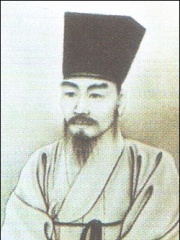
 Jo Gwang-jo
His biography is available in 16 different languages on Wikipedia. Jo Gwang-jo is the 12,026th most popular politician (down from 9,886th in 2024), the 193rd most popular biography from South Korea (down from 138th in 2019) and the 83rd most popular South Korean Politician.
Memorability Metrics
Page views of Jo Gwang-jo by language
Among Politicians
Among politicians, Jo Gwang-jo ranks 12,026 out of 19,576. Before him are Illig Qaghan, Helvius Cinna, Fyodor Alexeyevich Golovin, Audrey Azoulay, Öküz Mehmed Pasha, and Knud Enemark Jensen. After him are Askold and Dir, Ferdinand de Marsin, Stefano Domenicali, José Miguel Carrera, Pietro Loredan, and Mohammad Javad Zarif.
Most Popular Politicians in Wikipedia
Go to all Rankings

Illig Qaghan
HPI: 59.28
Rank: 12,026

Helvius Cinna
85 BC - 44 BC
HPI: 59.28
Rank: 12,027
Fyodor Alexeyevich Golovin
1650 - 1706
HPI: 59.28
Rank: 12,028
Audrey Azoulay
1972 - Present
HPI: 59.28
Rank: 12,029
Öküz Mehmed Pasha
1557 - 1619
HPI: 59.28
Rank: 12,030

Knud Enemark Jensen
1936 - 1960
HPI: 59.28
Rank: 12,031
Jo Gwang-jo
1482 - 1520
HPI: 59.28
Rank: 12,032

Askold and Dir
HPI: 59.28
Rank: 12,033
Ferdinand de Marsin
1656 - 1706
HPI: 59.28
Rank: 12,034
Stefano Domenicali
1965 - Present
HPI: 59.28
Rank: 12,035
José Miguel Carrera
1785 - 1821
HPI: 59.28
Rank: 12,036
Pietro Loredan
1482 - 1570
HPI: 59.28
Rank: 12,037
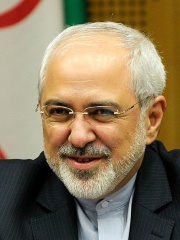
Mohammad Javad Zarif
1960 - Present
HPI: 59.28
Rank: 12,038

Contemporaries
Among people born in 1482, Jo Gwang-jo ranks 8. Before him are Frederick II, Elector Palatine, Johannes Oecolampadius, George Martinuzzi, Ernest, Margrave of Baden-Durlach, Rana Sanga, and Neagoe Basarab. After him is Pietro Loredan. Among people deceased in 1520, Jo Gwang-jo ranks 15. Before him are Kunigunde of Austria, Agostino Chigi, Ravidas, Ippolito d'Este, Idris Bitlisi, and Bernardo Dovizi. After him are Alonso Álvarez de Pineda, and William Dunbar.
Others Born in 1482
Go to all Rankings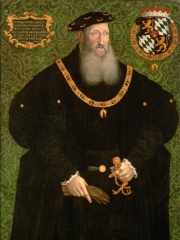
Frederick II, Elector Palatine
POLITICIAN
1482 - 1556
HPI: 65.25
Rank: 2
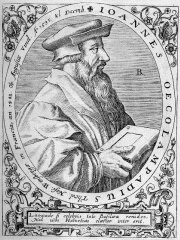
Johannes Oecolampadius
RELIGIOUS FIGURE
1482 - 1531
HPI: 64.13
Rank: 3
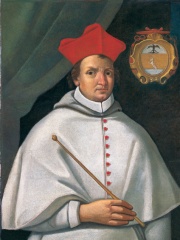
George Martinuzzi
RELIGIOUS FIGURE
1482 - 1551
HPI: 62.96
Rank: 4
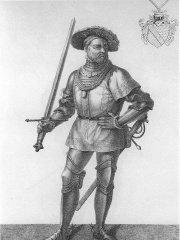
Ernest, Margrave of Baden-Durlach
POLITICIAN
1482 - 1553
HPI: 62.10
Rank: 5
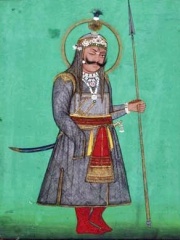
Rana Sanga
POLITICIAN
1482 - 1528
HPI: 60.17
Rank: 6
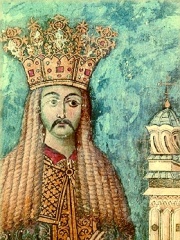
Neagoe Basarab
POLITICIAN
1482 - 1521
HPI: 59.90
Rank: 7
Jo Gwang-jo
POLITICIAN
1482 - 1520
HPI: 59.28
Rank: 8
Pietro Loredan
POLITICIAN
1482 - 1570
HPI: 59.28
Rank: 9
Others Deceased in 1520
Go to all Rankings
Kunigunde of Austria
POLITICIAN
1465 - 1520
HPI: 66.46
Rank: 9
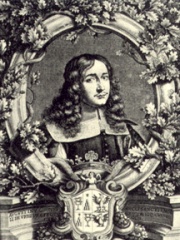
Agostino Chigi
POLITICIAN
1465 - 1520
HPI: 64.13
Rank: 10
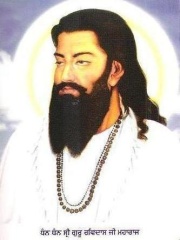
Ravidas
PHILOSOPHER
1450 - 1520
HPI: 63.85
Rank: 11
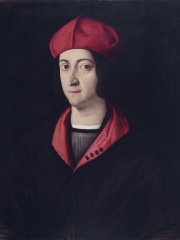
Ippolito d'Este
RELIGIOUS FIGURE
1479 - 1520
HPI: 63.80
Rank: 12

Idris Bitlisi
WRITER
1452 - 1520
HPI: 61.05
Rank: 13
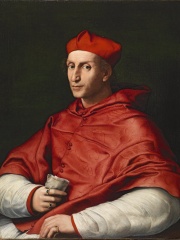
Bernardo Dovizi
WRITER
1470 - 1520
HPI: 61.03
Rank: 14
Jo Gwang-jo
POLITICIAN
1482 - 1520
HPI: 59.28
Rank: 15

Alonso Álvarez de Pineda
EXPLORER
1494 - 1520
HPI: 55.21
Rank: 16

William Dunbar
WRITER
1460 - 1520
HPI: 51.57
Rank: 17
In South Korea
Among people born in South Korea, Jo Gwang-jo ranks 193 out of NaN. Before him are Ha Ji-won (1978), Kim Hye-soo (1970), Jo Jung-suk (1980), Chung Un-chan (1947), Yi Jun-yong (1870), and Park Bo-gum (1993). After him are Choi Sang-mok (1960), Won Bin (1977), Park Min-young (1986), Heo Mok (1595), Sulli (1994), and Im Si-wan (1988).
Others born in South Korea
Go to all Rankings
Ha Ji-won
ACTOR
1978 - Present
HPI: 59.44
Rank: 187
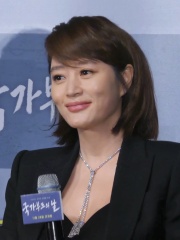
Kim Hye-soo
ACTOR
1970 - Present
HPI: 59.42
Rank: 188

Jo Jung-suk
ACTOR
1980 - Present
HPI: 59.42
Rank: 189
Chung Un-chan
POLITICIAN
1947 - Present
HPI: 59.38
Rank: 190
Yi Jun-yong
POLITICIAN
1870 - 1917
HPI: 59.35
Rank: 191

Park Bo-gum
ACTOR
1993 - Present
HPI: 59.29
Rank: 192
Jo Gwang-jo
POLITICIAN
1482 - 1520
HPI: 59.28
Rank: 193
Choi Sang-mok
POLITICIAN
1960 - Present
HPI: 59.27
Rank: 194
Won Bin
ACTOR
1977 - Present
HPI: 59.16
Rank: 195

Park Min-young
ACTOR
1986 - Present
HPI: 59.11
Rank: 196
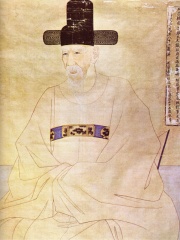
Heo Mok
POLITICIAN
1595 - 1682
HPI: 59.06
Rank: 197

Sulli
ACTOR
1994 - 2019
HPI: 59.06
Rank: 198

Im Si-wan
ACTOR
1988 - Present
HPI: 59.02
Rank: 199
Among Politicians In South Korea
Among politicians born in South Korea, Jo Gwang-jo ranks 83. Before him are Kim Hwang-sik (1948), Park Won-soon (1956), Yi Gwang-sik (1493), Kim Min-seok (1964), Chung Un-chan (1947), and Yi Jun-yong (1870). After him are Choi Sang-mok (1960), Heo Mok (1595), Song Si-yeol (1607), Lee Nak-yeon (1951), Oh Se-hoon (1961), and Kim Boo-kyum (1958).
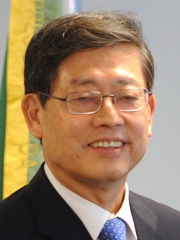
Kim Hwang-sik
1948 - Present
HPI: 60.26
Rank: 77
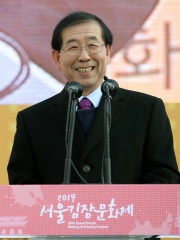
Park Won-soon
1956 - 2020
HPI: 60.17
Rank: 78

Yi Gwang-sik
1493 - 1563
HPI: 59.78
Rank: 79
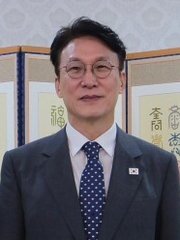
Kim Min-seok
1964 - Present
HPI: 59.66
Rank: 80
Chung Un-chan
1947 - Present
HPI: 59.38
Rank: 81
Yi Jun-yong
1870 - 1917
HPI: 59.35
Rank: 82
Jo Gwang-jo
1482 - 1520
HPI: 59.28
Rank: 83
Choi Sang-mok
1960 - Present
HPI: 59.27
Rank: 84
Heo Mok
1595 - 1682
HPI: 59.06
Rank: 85
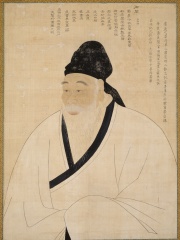
Song Si-yeol
1607 - 1689
HPI: 58.72
Rank: 86
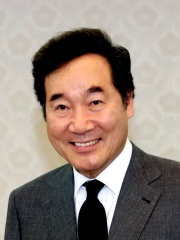
Lee Nak-yeon
1951 - Present
HPI: 58.59
Rank: 87
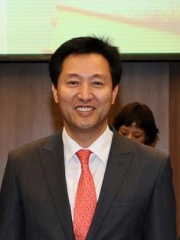
Oh Se-hoon
1961 - Present
HPI: 58.46
Rank: 88
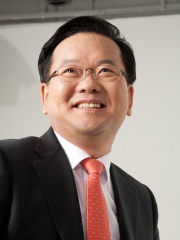
Kim Boo-kyum
1958 - Present
HPI: 58.22
Rank: 89