Politician
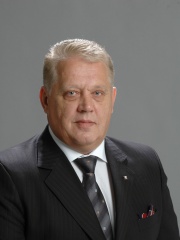
Ivars Godmanis
1951 - today
EN.WIKIPEDIA PAGE VIEWS (PV)
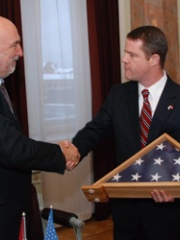
 Ivars Godmanis
His biography is available in 36 different languages on Wikipedia. Ivars Godmanis is the 10,779th most popular politician (down from 10,651st in 2024), the 77th most popular biography from Latvia (down from 76th in 2019) and the 27th most popular Latvian Politician.
Memorability Metrics
Page views of Ivars Godmanis by language
Among Politicians
Among politicians, Ivars Godmanis ranks 10,779 out of 19,576. Before him are Irene Laskarina, Ashikaga Yoshiharu, Mark Gordon, Jamil Mahuad, Nithard, and Al-Mundhir III ibn al-Nu'man. After him are Zdeněk Fierlinger, Barend Biesheuvel, Rupiah Banda, Prince Christian of Schleswig-Holstein, Constantin Ion Parhon, and Publius Vatinius.
Most Popular Politicians in Wikipedia
Go to all Rankings
Irene Laskarina
1200 - 1241
HPI: 60.53
Rank: 10,778
Ashikaga Yoshiharu
1511 - 1550
HPI: 60.53
Rank: 10,779
Mark Gordon
1957 - Present
HPI: 60.53
Rank: 10,780
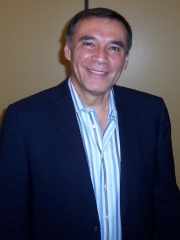
Jamil Mahuad
1949 - Present
HPI: 60.52
Rank: 10,781

Nithard
HPI: 60.52
Rank: 10,782
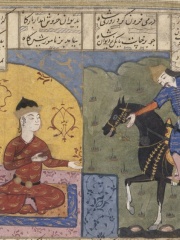
Al-Mundhir III ibn al-Nu'man
500 - 554
HPI: 60.52
Rank: 10,783
Ivars Godmanis
1951 - Present
HPI: 60.52
Rank: 10,784
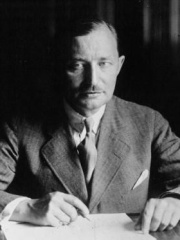
Zdeněk Fierlinger
1891 - 1976
HPI: 60.52
Rank: 10,785
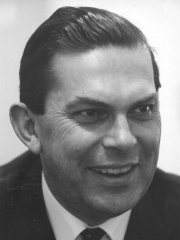
Barend Biesheuvel
1920 - 2001
HPI: 60.52
Rank: 10,786
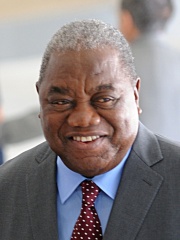
Rupiah Banda
1937 - 2022
HPI: 60.52
Rank: 10,787
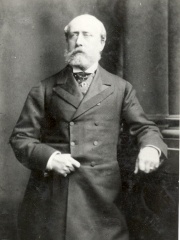
Prince Christian of Schleswig-Holstein
1831 - 1917
HPI: 60.52
Rank: 10,788
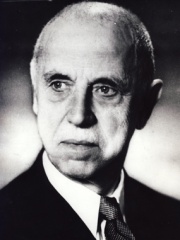
Constantin Ion Parhon
1874 - 1969
HPI: 60.52
Rank: 10,789

Publius Vatinius
50 BC - 50 BC
HPI: 60.52
Rank: 10,790

Contemporaries
Among people born in 1951, Ivars Godmanis ranks 193. Before him are Chrissie Hynde, Ahron Daum, Manfred Winkelhock, Pōhiva Tuʻiʻonetoa, Dave Benton, and Arkady Rotenberg. After him are Stephen Bishop, Bob Iger, Massimo Ranieri, Nick Ut, Marc Surer, and Alec John Such.
Others Born in 1951
Go to all Rankings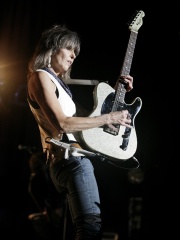
Chrissie Hynde
MUSICIAN
1951 - Present
HPI: 60.69
Rank: 187
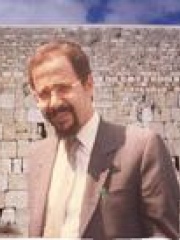
Ahron Daum
WRITER
1951 - 2018
HPI: 60.63
Rank: 188
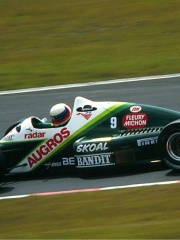
Manfred Winkelhock
RACING DRIVER
1951 - 1985
HPI: 60.63
Rank: 189
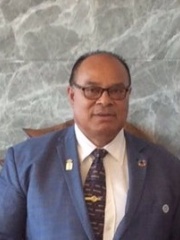
Pōhiva Tuʻiʻonetoa
POLITICIAN
1951 - 2023
HPI: 60.59
Rank: 190
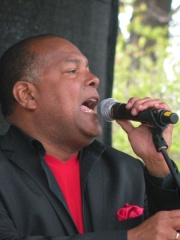
Dave Benton
SINGER
1951 - Present
HPI: 60.57
Rank: 191
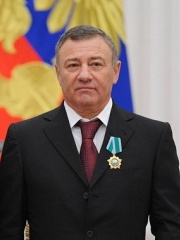
Arkady Rotenberg
BUSINESSPERSON
1951 - Present
HPI: 60.54
Rank: 192
Ivars Godmanis
POLITICIAN
1951 - Present
HPI: 60.52
Rank: 193
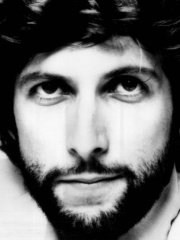
Stephen Bishop
ACTOR
1951 - Present
HPI: 60.42
Rank: 194
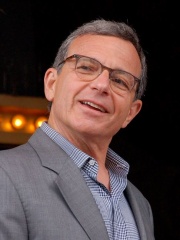
Bob Iger
BUSINESSPERSON
1951 - Present
HPI: 60.41
Rank: 195
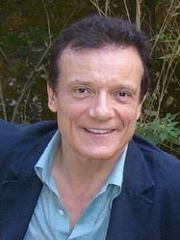
Massimo Ranieri
SINGER
1951 - Present
HPI: 60.38
Rank: 196
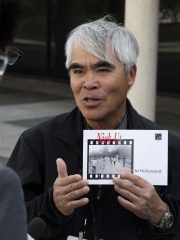
Nick Ut
PHOTOGRAPHER
1951 - Present
HPI: 60.37
Rank: 197
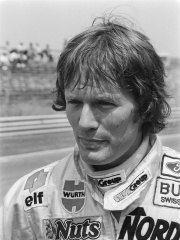
Marc Surer
RACING DRIVER
1951 - Present
HPI: 60.26
Rank: 198

Alec John Such
MUSICIAN
1951 - 2022
HPI: 60.26
Rank: 199
In Latvia
Among people born in Latvia, Ivars Godmanis ranks 77 out of NaN. Before him are Valdis Dombrovskis (1971), Morris Halle (1923), Vilis Lācis (1904), Edgars Rinkēvičs (1973), Alexander Kovalevsky (1840), and Vasiliy Ulrikh (1889). After him are Jānis K. Bērziņš (1889), Alexander von Keyserling (1815), Vizma Belševica (1931), Lūcija Garūta (1902), Wessel Freytag von Loringhoven (1899), and Georg August Schweinfurth (1836).
Others born in Latvia
Go to all Rankings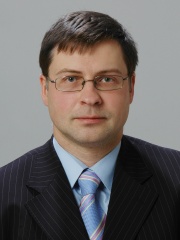
Valdis Dombrovskis
POLITICIAN
1971 - Present
HPI: 60.93
Rank: 71
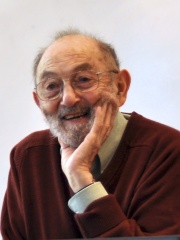
Morris Halle
LINGUIST
1923 - 2018
HPI: 60.92
Rank: 72
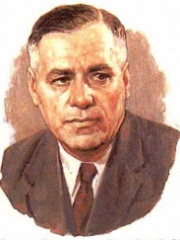
Vilis Lācis
WRITER
1904 - 1966
HPI: 60.90
Rank: 73
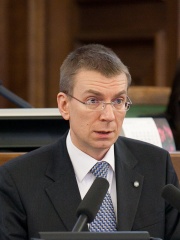
Edgars Rinkēvičs
POLITICIAN
1973 - Present
HPI: 60.84
Rank: 74
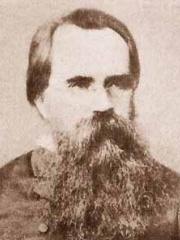
Alexander Kovalevsky
BIOLOGIST
1840 - 1901
HPI: 60.80
Rank: 75
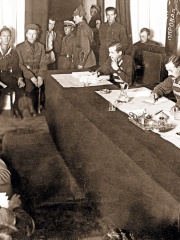
Vasiliy Ulrikh
POLITICIAN
1889 - 1951
HPI: 60.55
Rank: 76
Ivars Godmanis
POLITICIAN
1951 - Present
HPI: 60.52
Rank: 77
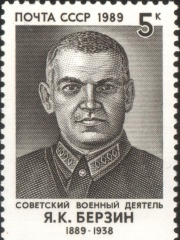
Jānis K. Bērziņš
POLITICIAN
1889 - 1938
HPI: 60.51
Rank: 78
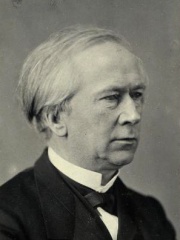
Alexander von Keyserling
GEOLOGIST
1815 - Present
HPI: 60.51
Rank: 79
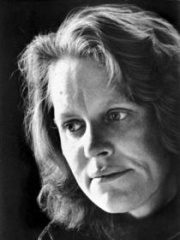
Vizma Belševica
WRITER
1931 - 2005
HPI: 60.20
Rank: 80
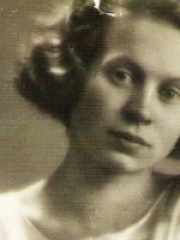
Lūcija Garūta
MUSICIAN
1902 - 1977
HPI: 60.10
Rank: 81

Wessel Freytag von Loringhoven
SOCIAL ACTIVIST
1899 - 1944
HPI: 60.08
Rank: 82
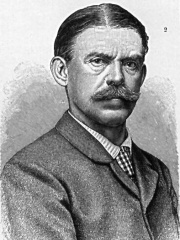
Georg August Schweinfurth
BIOLOGIST
1836 - 1925
HPI: 60.05
Rank: 83
Among Politicians In Latvia
Among politicians born in Latvia, Ivars Godmanis ranks 27. Before him are Ferdinand Kettler (1655), Evika Siliņa (1975), Max Erwin von Scheubner-Richter (1884), Valdis Dombrovskis (1971), Edgars Rinkēvičs (1973), and Vasiliy Ulrikh (1889). After him are Jānis K. Bērziņš (1889), Jānis Rudzutaks (1887), Anatolijs Gorbunovs (1942), Zigfrīds Anna Meierovics (1887), Arvīds Pelše (1899), and Andris Bērziņš (1951).
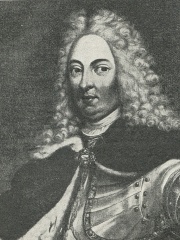
Ferdinand Kettler
1655 - 1737
HPI: 61.67
Rank: 21
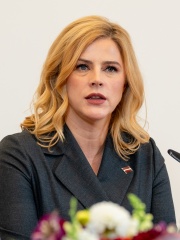
Evika Siliņa
1975 - Present
HPI: 61.54
Rank: 22
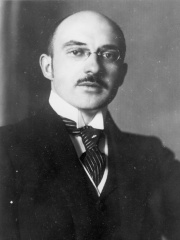
Max Erwin von Scheubner-Richter
1884 - 1923
HPI: 61.54
Rank: 23
Valdis Dombrovskis
1971 - Present
HPI: 60.93
Rank: 24
Edgars Rinkēvičs
1973 - Present
HPI: 60.84
Rank: 25
Vasiliy Ulrikh
1889 - 1951
HPI: 60.55
Rank: 26
Ivars Godmanis
1951 - Present
HPI: 60.52
Rank: 27
Jānis K. Bērziņš
1889 - 1938
HPI: 60.51
Rank: 28
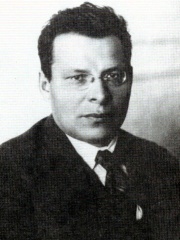
Jānis Rudzutaks
1887 - 1938
HPI: 59.24
Rank: 29
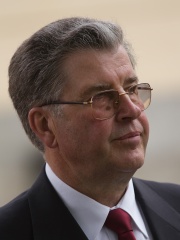
Anatolijs Gorbunovs
1942 - Present
HPI: 59.01
Rank: 30
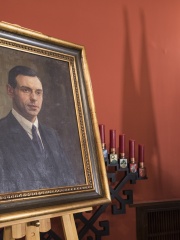
Zigfrīds Anna Meierovics
1887 - 1925
HPI: 58.47
Rank: 31
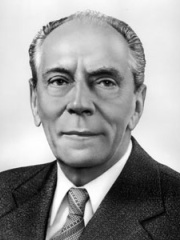
Arvīds Pelše
1899 - 1983
HPI: 58.30
Rank: 32
Andris Bērziņš
1951 - Present
HPI: 58.21
Rank: 33