Economist
Hans-Hermann Hoppe
1949 - today
EN.WIKIPEDIA PAGE VIEWS (PV)

 Hans-Hermann Hoppe
His biography is available in 33 different languages on Wikipedia. Hans-Hermann Hoppe is the 162nd most popular economist (down from 141st in 2024), the 1,821st most popular biography from Germany (down from 1,688th in 2019) and the 16th most popular German Economist.
Memorability Metrics
Page views of Hans-Hermann Hoppe by language
Among Economists
Among economists, Hans-Hermann Hoppe ranks 162 out of 414. Before him are Angus Deaton, Eric Maskin, Vernon L. Smith, Daniel McFadden, Richard Cantillon, and Greg Mankiw. After him are Robert C. Merton, Gustav von Schmoller, Ernest Mandel, William Beveridge, Nassim Nicholas Taleb, and Ernst Engel.
Most Popular Economists in Wikipedia
Go to all Rankings
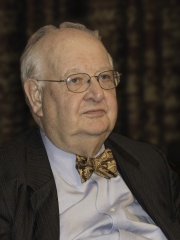
Angus Deaton
1945 - Present
HPI: 64.95
Rank: 156

Eric Maskin
1950 - Present
HPI: 64.88
Rank: 157
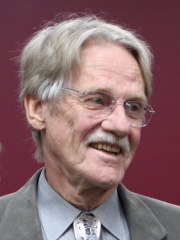
Vernon L. Smith
1927 - Present
HPI: 64.80
Rank: 158

Daniel McFadden
1937 - Present
HPI: 64.79
Rank: 159
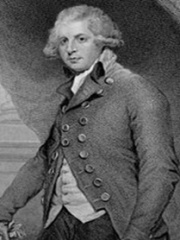
Richard Cantillon
1680 - 1734
HPI: 64.74
Rank: 160

Greg Mankiw
1958 - Present
HPI: 64.68
Rank: 161
Hans-Hermann Hoppe
1949 - Present
HPI: 64.49
Rank: 162

Robert C. Merton
1944 - Present
HPI: 64.46
Rank: 163
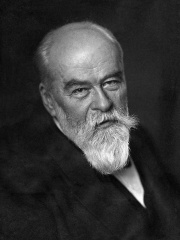
Gustav von Schmoller
1838 - 1917
HPI: 64.40
Rank: 164
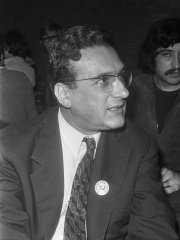
Ernest Mandel
1923 - 1995
HPI: 64.36
Rank: 165
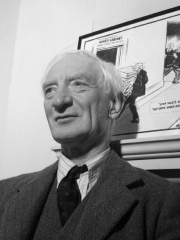
William Beveridge
1879 - 1963
HPI: 64.25
Rank: 166
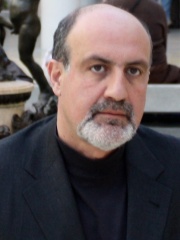
Nassim Nicholas Taleb
1960 - Present
HPI: 64.16
Rank: 167
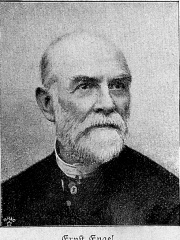
Ernst Engel
1821 - 1896
HPI: 63.96
Rank: 168

Contemporaries
Among people born in 1949, Hans-Hermann Hoppe ranks 143. Before him are Sergei Bagapsh, Boualem Sansal, Elizabeth George, Cliff Williams, Lasse Virén, and Manuel Marín. After him are Vera Wang, Horst Seehofer, Émerson Leão, Geezer Butler, Robert Sternberg, and Tom Pryce.
Others Born in 1949
Go to all Rankings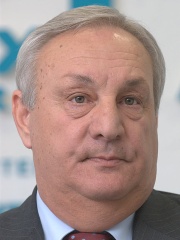
Sergei Bagapsh
POLITICIAN
1949 - 2011
HPI: 64.68
Rank: 137

Boualem Sansal
WRITER
1949 - Present
HPI: 64.62
Rank: 138

Elizabeth George
WRITER
1949 - Present
HPI: 64.61
Rank: 139

Cliff Williams
MUSICIAN
1949 - Present
HPI: 64.60
Rank: 140

Lasse Virén
ATHLETE
1949 - Present
HPI: 64.55
Rank: 141
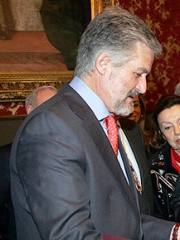
Manuel Marín
POLITICIAN
1949 - 2017
HPI: 64.50
Rank: 142
Hans-Hermann Hoppe
ECONOMIST
1949 - Present
HPI: 64.49
Rank: 143

Vera Wang
FASHION DESIGNER
1949 - Present
HPI: 64.46
Rank: 144

Horst Seehofer
POLITICIAN
1949 - Present
HPI: 64.44
Rank: 145

Émerson Leão
SOCCER PLAYER
1949 - Present
HPI: 64.38
Rank: 146

Geezer Butler
MUSICIAN
1949 - Present
HPI: 64.36
Rank: 147

Robert Sternberg
PSYCHOLOGIST
1949 - Present
HPI: 64.33
Rank: 148
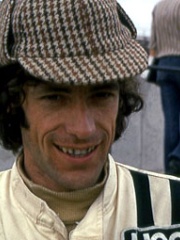
Tom Pryce
RACING DRIVER
1949 - 1977
HPI: 64.32
Rank: 149
In Germany
Among people born in Germany, Hans-Hermann Hoppe ranks 1,821 out of NaN. Before him are Princess Elisabeth of Saxony (1830), August Hirt (1898), Balthasar Hubmaier (1485), Conrad, Margrave of Meissen (1097), Carl Gustav Rehnskiöld (1651), and Carl Loewe (1796). After him are Wilhelm Schepmann (1894), Peter Henlein (1479), Leo Geyr von Schweppenburg (1886), Lothar von Trotha (1848), Armin Meiwes (1961), and Princess Louise Caroline of Hesse-Kassel (1789).
Others born in Germany
Go to all Rankings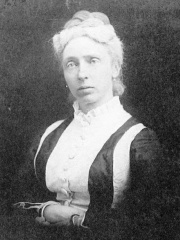
Princess Elisabeth of Saxony
NOBLEMAN
1830 - 1912
HPI: 64.51
Rank: 1,815

August Hirt
MILITARY PERSONNEL
1898 - 1945
HPI: 64.51
Rank: 1,816
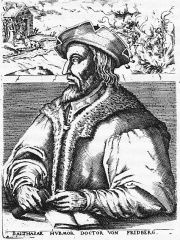
Balthasar Hubmaier
RELIGIOUS FIGURE
1485 - 1528
HPI: 64.51
Rank: 1,817
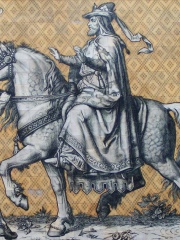
Conrad, Margrave of Meissen
POLITICIAN
1097 - 1157
HPI: 64.50
Rank: 1,818
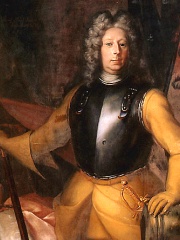
Carl Gustav Rehnskiöld
MILITARY PERSONNEL
1651 - 1722
HPI: 64.49
Rank: 1,819
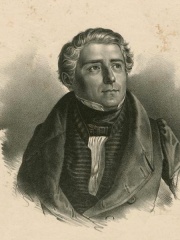
Carl Loewe
COMPOSER
1796 - 1869
HPI: 64.49
Rank: 1,820
Hans-Hermann Hoppe
ECONOMIST
1949 - Present
HPI: 64.49
Rank: 1,821
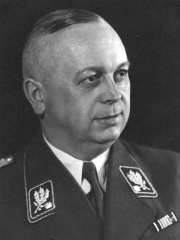
Wilhelm Schepmann
MILITARY PERSONNEL
1894 - 1970
HPI: 64.49
Rank: 1,822
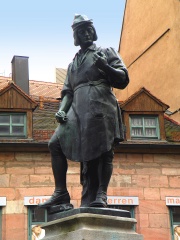
Peter Henlein
INVENTOR
1479 - 1542
HPI: 64.48
Rank: 1,823
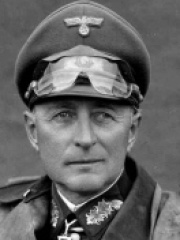
Leo Geyr von Schweppenburg
MILITARY PERSONNEL
1886 - 1974
HPI: 64.47
Rank: 1,824
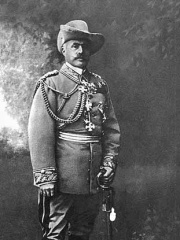
Lothar von Trotha
MILITARY PERSONNEL
1848 - 1920
HPI: 64.47
Rank: 1,825

Armin Meiwes
EXTREMIST
1961 - Present
HPI: 64.47
Rank: 1,826
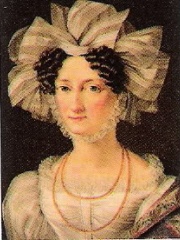
Princess Louise Caroline of Hesse-Kassel
POLITICIAN
1789 - 1867
HPI: 64.46
Rank: 1,827
Among Economists In Germany
Among economists born in Germany, Hans-Hermann Hoppe ranks 16. Before him are Alfred Weber (1868), Lorenz von Stein (1815), Hermann Heinrich Gossen (1810), Oskar Morgenstern (1902), Gottfried Feder (1883), and Adolph Wagner (1835). After him are Gustav von Schmoller (1838), Ernest Mandel (1923), Ernst Engel (1821), Wilhelm Röpke (1899), Walter Eucken (1891), and Lujo Brentano (1844).
Alfred Weber
1868 - 1958
HPI: 66.72
Rank: 10
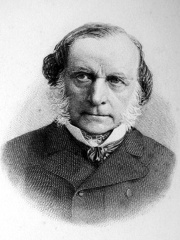
Lorenz von Stein
1815 - 1890
HPI: 66.67
Rank: 11
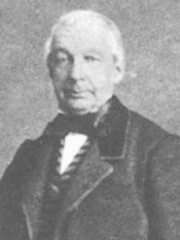
Hermann Heinrich Gossen
1810 - 1858
HPI: 66.46
Rank: 12
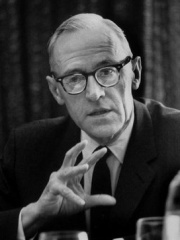
Oskar Morgenstern
1902 - 1977
HPI: 66.31
Rank: 13
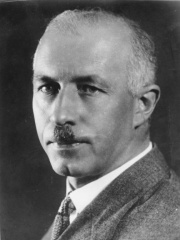
Gottfried Feder
1883 - 1941
HPI: 66.18
Rank: 14
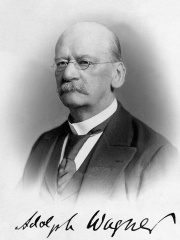
Adolph Wagner
1835 - 1917
HPI: 65.82
Rank: 15
Hans-Hermann Hoppe
1949 - Present
HPI: 64.49
Rank: 16
Gustav von Schmoller
1838 - 1917
HPI: 64.40
Rank: 17
Ernest Mandel
1923 - 1995
HPI: 64.36
Rank: 18
Ernst Engel
1821 - 1896
HPI: 63.96
Rank: 19
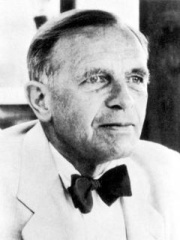
Wilhelm Röpke
1899 - 1966
HPI: 62.72
Rank: 20
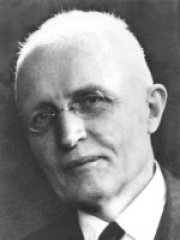
Walter Eucken
1891 - 1950
HPI: 62.44
Rank: 21
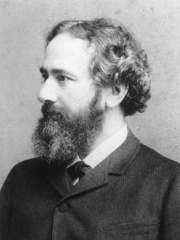
Lujo Brentano
1844 - 1931
HPI: 62.00
Rank: 22