Politician
Han Seung-soo
1936 - today
EN.WIKIPEDIA PAGE VIEWS (PV)
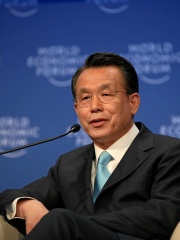
 Han Seung-soo
His biography is available in 32 different languages on Wikipedia (up from 31 in 2024). Han Seung-soo is the 6,967th most popular politician (up from 9,418th in 2024), the 110th most popular biography from South Korea (up from 130th in 2019) and the 65th most popular South Korean Politician.
Memorability Metrics
Page views of Han Seung-soo by language
Among Politicians
Among politicians, Han Seung-soo ranks 6,967 out of 19,576. Before him are Piet de Jong, Vseslav of Polotsk, Bjarni Benediktsson, Faustina, Hitoshi Ashida, and Prince Christopher of Greece and Denmark. After him are Cunipert, Princess Märtha Louise of Norway, Rangjung Rigpe Dorje, 16th Karmapa, Emperor Yizong of Tang, Massimo D'Alema, and Jorge Carlos Fonseca.
Most Popular Politicians in Wikipedia
Go to all Rankings
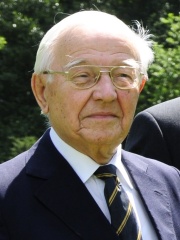
Piet de Jong
1915 - 2016
HPI: 64.23
Rank: 6,964

Vseslav of Polotsk
1029 - 1101
HPI: 64.23
Rank: 6,965
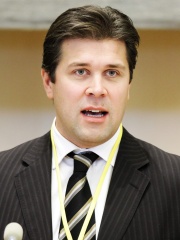
Bjarni Benediktsson
1970 - Present
HPI: 64.23
Rank: 6,966
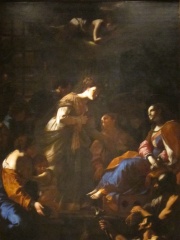
Faustina
347 - 400
HPI: 64.23
Rank: 6,967
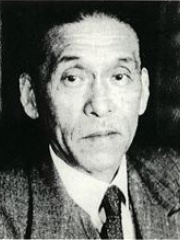
Hitoshi Ashida
1887 - 1959
HPI: 64.23
Rank: 6,968
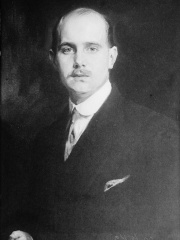
Prince Christopher of Greece and Denmark
1888 - 1940
HPI: 64.23
Rank: 6,969
Han Seung-soo
1936 - Present
HPI: 64.22
Rank: 6,970
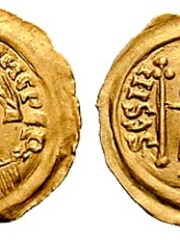
Cunipert
660 - 700
HPI: 64.22
Rank: 6,971
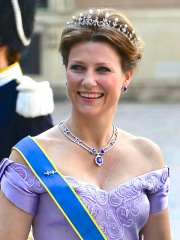
Princess Märtha Louise of Norway
1971 - Present
HPI: 64.22
Rank: 6,972
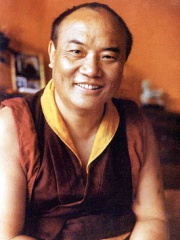
Rangjung Rigpe Dorje, 16th Karmapa
1924 - 1981
HPI: 64.22
Rank: 6,973
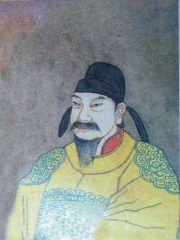
Emperor Yizong of Tang
833 - 873
HPI: 64.22
Rank: 6,974
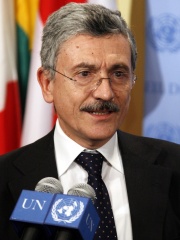
Massimo D'Alema
1949 - Present
HPI: 64.22
Rank: 6,975
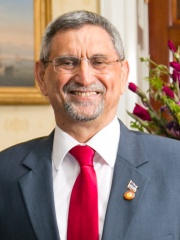
Jorge Carlos Fonseca
1950 - Present
HPI: 64.22
Rank: 6,976

Contemporaries
Among people born in 1936, Han Seung-soo ranks 129. Before him are Trần Đức Lương, Canaan Banana, Dean Stockwell, Aleida March, Charles Dutoit, and Jannis Kounellis. After him are Ivan Stambolić, Wolf Biermann, Floyd Westerman, Christiane Martel, Henry Lee Lucas, and Jim Henson.
Others Born in 1936
Go to all Rankings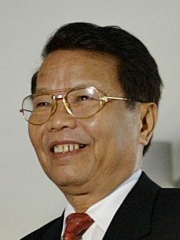
Trần Đức Lương
POLITICIAN
1936 - 2025
HPI: 64.75
Rank: 123
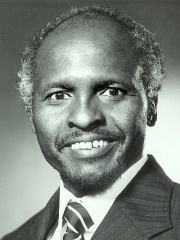
Canaan Banana
POLITICIAN
1936 - 2003
HPI: 64.59
Rank: 124
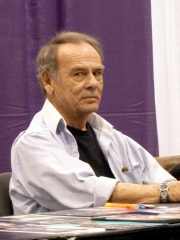
Dean Stockwell
ACTOR
1936 - 2021
HPI: 64.53
Rank: 125
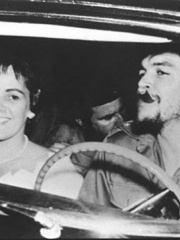
Aleida March
POLITICIAN
1936 - Present
HPI: 64.45
Rank: 126
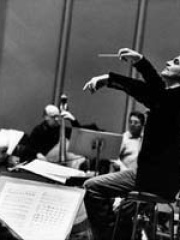
Charles Dutoit
CONDUCTOR
1936 - Present
HPI: 64.44
Rank: 127
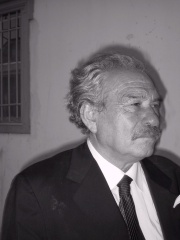
Jannis Kounellis
PAINTER
1936 - 2017
HPI: 64.32
Rank: 128
Han Seung-soo
POLITICIAN
1936 - Present
HPI: 64.22
Rank: 129
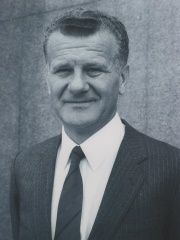
Ivan Stambolić
POLITICIAN
1936 - 2000
HPI: 64.21
Rank: 130
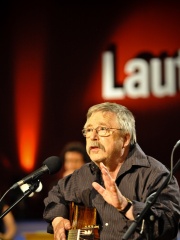
Wolf Biermann
SINGER
1936 - Present
HPI: 64.20
Rank: 131
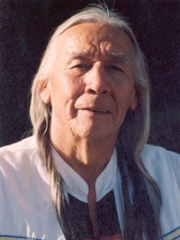
Floyd Westerman
MUSICIAN
1936 - 2007
HPI: 64.05
Rank: 132
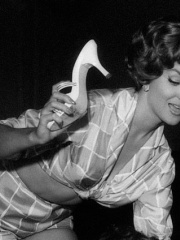
Christiane Martel
ACTOR
1936 - Present
HPI: 64.03
Rank: 133
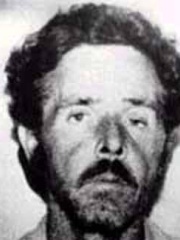
Henry Lee Lucas
EXTREMIST
1936 - 2001
HPI: 64.00
Rank: 134
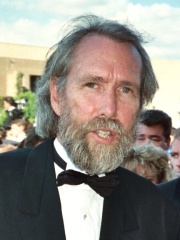
Jim Henson
FILM DIRECTOR
1936 - 1990
HPI: 63.99
Rank: 135
In South Korea
Among people born in South Korea, Han Seung-soo ranks 110 out of NaN. Before him are Byung-Chul Han (1959), Lee Jong-wook (1945), Hong Myung-bo (1969), Jisoo (1995), Stephen Kim Sou-hwan (1922), and Chung Hong-won (1944). After him are Gong Yoo (1979), Kim Soo-hyun (1988), Jeong Mong-ju (1337), Andrew Yeom Soo-jung (1943), V (1995), and Jungkook (1997).
Others born in South Korea
Go to all Rankings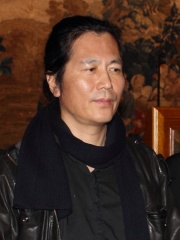
Byung-Chul Han
PHILOSOPHER
1959 - Present
HPI: 64.75
Rank: 104
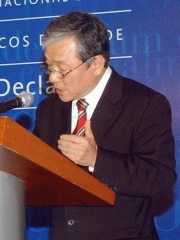
Lee Jong-wook
POLITICIAN
1945 - 2006
HPI: 64.68
Rank: 105
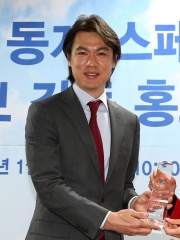
Hong Myung-bo
SOCCER PLAYER
1969 - Present
HPI: 64.32
Rank: 106

Jisoo
SINGER
1995 - Present
HPI: 64.32
Rank: 107
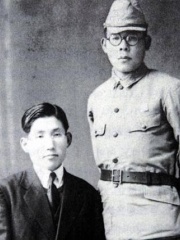
Stephen Kim Sou-hwan
RELIGIOUS FIGURE
1922 - 2009
HPI: 64.31
Rank: 108
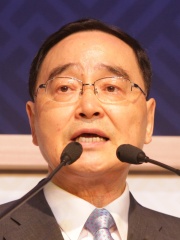
Chung Hong-won
POLITICIAN
1944 - Present
HPI: 64.27
Rank: 109
Han Seung-soo
POLITICIAN
1936 - Present
HPI: 64.22
Rank: 110
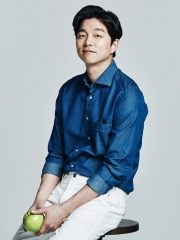
Gong Yoo
ACTOR
1979 - Present
HPI: 64.20
Rank: 111
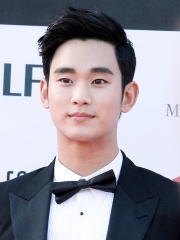
Kim Soo-hyun
ACTOR
1988 - Present
HPI: 64.09
Rank: 112
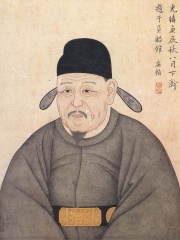
Jeong Mong-ju
POLITICIAN
1337 - 1392
HPI: 63.94
Rank: 113
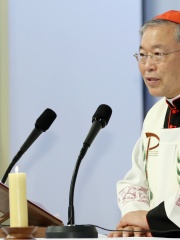
Andrew Yeom Soo-jung
RELIGIOUS FIGURE
1943 - Present
HPI: 63.88
Rank: 114

V
SINGER
1995 - Present
HPI: 63.84
Rank: 115

Jungkook
SINGER
1997 - Present
HPI: 63.72
Rank: 116
Among Politicians In South Korea
Among politicians born in South Korea, Han Seung-soo ranks 65. Before him are Hwang Kyo-ahn (1957), Chungmok of Goryeo (1337), Ri Chun-hee (1943), Chungjeong of Goryeo (1338), Lee Jong-wook (1945), and Chung Hong-won (1944). After him are Jeong Mong-ju (1337), Kim Seong-su (1891), Pak Song-chol (1913), Bak Jungyang (1872), Beopheung of Silla (500), and Ye Wanyong (1858).
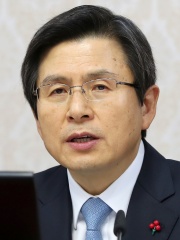
Hwang Kyo-ahn
1957 - Present
HPI: 65.37
Rank: 59

Chungmok of Goryeo
1337 - 1348
HPI: 65.31
Rank: 60

Ri Chun-hee
1943 - Present
HPI: 65.30
Rank: 61

Chungjeong of Goryeo
1338 - 1352
HPI: 65.28
Rank: 62
Lee Jong-wook
1945 - 2006
HPI: 64.68
Rank: 63
Chung Hong-won
1944 - Present
HPI: 64.27
Rank: 64
Han Seung-soo
1936 - Present
HPI: 64.22
Rank: 65
Jeong Mong-ju
1337 - 1392
HPI: 63.94
Rank: 66
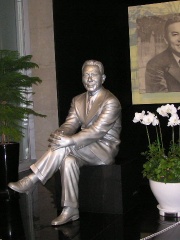
Kim Seong-su
1891 - 1955
HPI: 63.51
Rank: 67
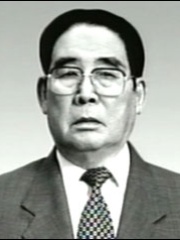
Pak Song-chol
1913 - 2008
HPI: 63.46
Rank: 68
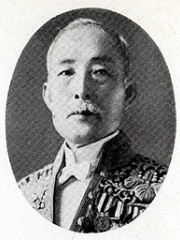
Bak Jungyang
1872 - 1959
HPI: 63.42
Rank: 69
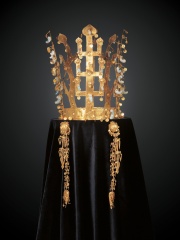
Beopheung of Silla
500 - 540
HPI: 61.85
Rank: 70
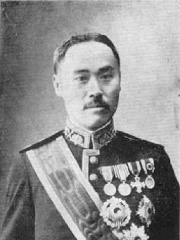
Ye Wanyong
1858 - 1926
HPI: 61.39
Rank: 71