Politician
Empress Jingū
169 - 269
EN.WIKIPEDIA PAGE VIEWS (PV)
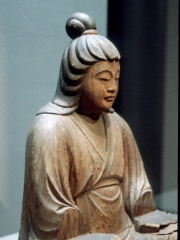
 Empress Jingū
Her biography is available in 37 different languages on Wikipedia. Empress Jingū is the 4,272nd most popular politician (down from 3,903rd in 2024), the 260th most popular biography from Japan (down from 220th in 2019) and the 83rd most popular Japanese Politician.
Empress Jingū is most famous for building the shrine, the Jingū, in honor of her father, Emperor Ōjin.
Memorability Metrics
Page views of Empress Jingū by language
Among Politicians
Among politicians, Empress Jingū ranks 4,272 out of 19,576. Before her are Mitt Romney, Al-Musta'in, Kim Chaek, Giovanni Giolitti, Jacob Kettler, and Grand Duchess Maria Pavlovna of Russia. After her are Hyeonjong of Goryeo, Gustav Ritter von Kahr, Ahmad ibn Tulun, Ashikaga Yoshimitsu, Louis William, Margrave of Baden-Baden, and Shabaka.
Most Popular Politicians in Wikipedia
Go to all Rankings
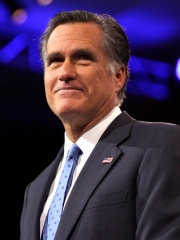
Mitt Romney
1947 - Present
HPI: 67.52
Rank: 4,268
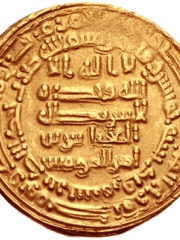
Al-Musta'in
836 - 866
HPI: 67.52
Rank: 4,269
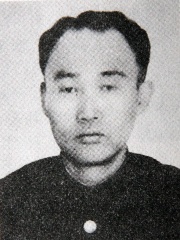
Kim Chaek
1903 - 1951
HPI: 67.51
Rank: 4,270
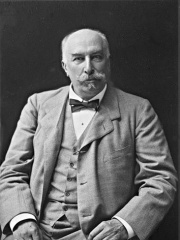
Giovanni Giolitti
1842 - 1928
HPI: 67.51
Rank: 4,271
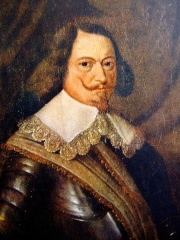
Jacob Kettler
1610 - 1682
HPI: 67.51
Rank: 4,272
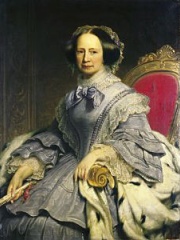
Grand Duchess Maria Pavlovna of Russia
1786 - 1859
HPI: 67.51
Rank: 4,273
Empress Jingū
169 - 269
HPI: 67.51
Rank: 4,274

Hyeonjong of Goryeo
992 - 1031
HPI: 67.50
Rank: 4,275
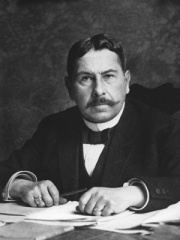
Gustav Ritter von Kahr
1862 - 1934
HPI: 67.50
Rank: 4,276
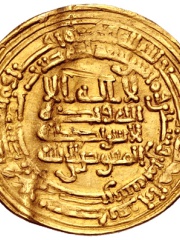
Ahmad ibn Tulun
835 - 884
HPI: 67.50
Rank: 4,277
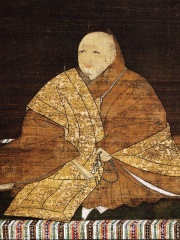
Ashikaga Yoshimitsu
1358 - 1408
HPI: 67.50
Rank: 4,278
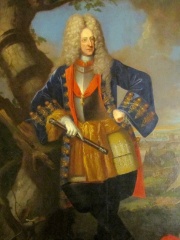
Louis William, Margrave of Baden-Baden
1655 - 1707
HPI: 67.49
Rank: 4,279
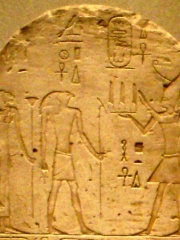
Shabaka
800 BC - 800 BC
HPI: 67.49
Rank: 4,280

Contemporaries
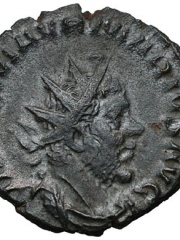
Among people born in 169, Empress Jingū ranks 2. Before her is Zhang Liao. After her is Xu Huang. Among people deceased in 269, Empress Jingū ranks 3. Before her are Laelianus, and Postumus. After her is Marcus Aurelius Marius.
Others Born in 169
Go to all Rankings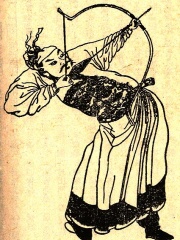
Zhang Liao
MILITARY PERSONNEL
169 - 222
HPI: 69.67
Rank: 1
Empress Jingū
POLITICIAN
169 - 269
HPI: 67.51
Rank: 2
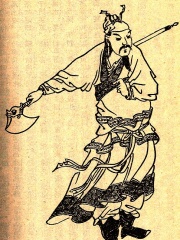
Xu Huang
MILITARY PERSONNEL
169 - 227
HPI: 66.87
Rank: 3
Others Deceased in 269
Go to all Rankings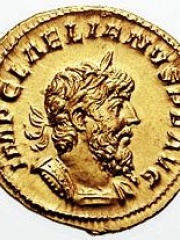
Laelianus
POLITICIAN
250 - 269
HPI: 68.75
Rank: 1
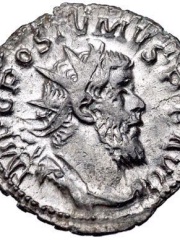
Postumus
POLITICIAN
250 - 269
HPI: 68.59
Rank: 2
Empress Jingū
POLITICIAN
169 - 269
HPI: 67.51
Rank: 3
Marcus Aurelius Marius
POLITICIAN
250 - 269
HPI: 66.03
Rank: 4
In Japan
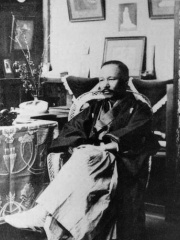
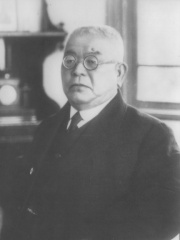
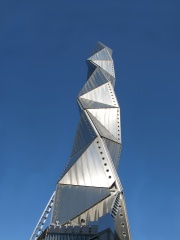
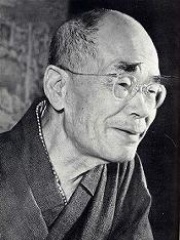
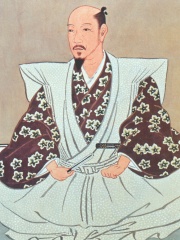
Among people born in Japan, Empress Jingū ranks 260 out of NaN. Before her are Ryōji Noyori (1938), Mori Ōgai (1862), Kitasato Shibasaburō (1853), Arata Isozaki (1931), Kiyonosuke Marutani (null), and Masahiro Hamazaki (1940). After her are Ashikaga Yoshimitsu (1358), Setsu Sawagata (null), Ichirou Mizuki (1948), Kenzo Ohashi (1934), D. T. Suzuki (1870), and Katō Kiyomasa (1561).
Others born in Japan
Go to all Rankings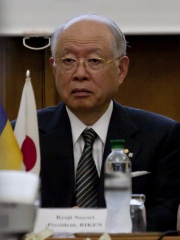
Ryōji Noyori
CHEMIST
1938 - Present
HPI: 67.55
Rank: 254
Mori Ōgai
WRITER
1862 - 1922
HPI: 67.53
Rank: 255
Kitasato Shibasaburō
PHYSICIAN
1853 - 1931
HPI: 67.52
Rank: 256
Arata Isozaki
ARCHITECT
1931 - 2022
HPI: 67.52
Rank: 257

Kiyonosuke Marutani
SOCCER PLAYER
HPI: 67.51
Rank: 258

Masahiro Hamazaki
SOCCER PLAYER
1940 - 2011
HPI: 67.51
Rank: 259
Empress Jingū
POLITICIAN
169 - 269
HPI: 67.51
Rank: 260
Ashikaga Yoshimitsu
POLITICIAN
1358 - 1408
HPI: 67.50
Rank: 261

Setsu Sawagata
SOCCER PLAYER
HPI: 67.49
Rank: 262

Ichirou Mizuki
COMPOSER
1948 - 2022
HPI: 67.48
Rank: 263

Kenzo Ohashi
SOCCER PLAYER
1934 - 2015
HPI: 67.47
Rank: 264
D. T. Suzuki
WRITER
1870 - 1966
HPI: 67.46
Rank: 265
Katō Kiyomasa
POLITICIAN
1561 - 1611
HPI: 67.45
Rank: 266
Among Politicians In Japan
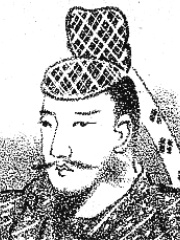
Among politicians born in Japan, Empress Jingū ranks 83. Before her are Emperor Seinei (444), Emperor Hanzei (336), Inejiro Asanuma (1898), Emperor Ankō (401), Emperor Go-Kashiwabara (1464), and Prince Naruhiko Higashikuni (1887). After her are Ashikaga Yoshimitsu (1358), Katō Kiyomasa (1561), Emperor Go-Fushimi (1288), Emperor Chūai (149), Oichi (1547), and Emperor Ninken (449).
Emperor Seinei
444 - 484
HPI: 67.70
Rank: 77

Emperor Hanzei
336 - 410
HPI: 67.70
Rank: 78
Inejiro Asanuma
1898 - 1960
HPI: 67.67
Rank: 79
Emperor Ankō
401 - 456
HPI: 67.66
Rank: 80
Emperor Go-Kashiwabara
1464 - 1526
HPI: 67.63
Rank: 81
Prince Naruhiko Higashikuni
1887 - 1990
HPI: 67.58
Rank: 82
Empress Jingū
169 - 269
HPI: 67.51
Rank: 83
Ashikaga Yoshimitsu
1358 - 1408
HPI: 67.50
Rank: 84
Katō Kiyomasa
1561 - 1611
HPI: 67.45
Rank: 85
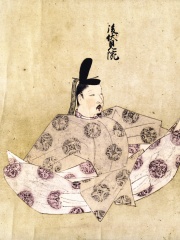
Emperor Go-Fushimi
1288 - 1336
HPI: 67.39
Rank: 86

Emperor Chūai
149 - 200
HPI: 67.37
Rank: 87
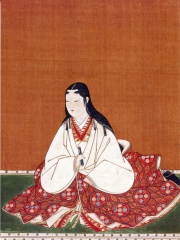
Oichi
1547 - 1583
HPI: 67.18
Rank: 88
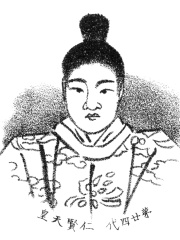
Emperor Ninken
449 - 498
HPI: 67.17
Rank: 89




