Soccer Player
Edu Gaspar
1978 - Today
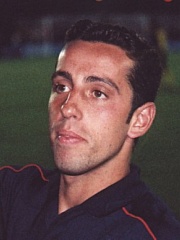
 Edu Gaspar
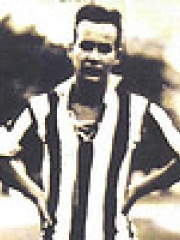
Edu Gaspar is a soccer player born in 1978 in , which is now part of modern day São Paulo, Brazil. Edu Gaspar is currently 48 years old.
His biography is available in 29 different languages on Wikipedia. Edu Gaspar is the 3,695th most popular soccer player (up from 8,283rd in 2024), the 660th most popular biography from Brazil (up from 1,124th in 2019) and the 340th most popular Brazilian Soccer Player.
Memorability Metrics
Page views of Edu Gaspar by language
Among Soccer Players
Among soccer players, Edu Gaspar ranks 3,695 out of 21,273. Before him are Yohei Takayama, Yuko Oita, Takahiro Sasaki, Lothar Kurbjuweit, Herbert Zimmermann, and Marco Bode. After him are Frank Ordenewitz, Octacílio, Henri Françillon, Giuseppe Viani, Stanislav Seman, and Manoelzinho.
Most Popular Soccer Players in Wikipedia
Go to all Rankings

Yohei Takayama
1979 - Present
HPI: 54.83
Rank: 3,694

Yuko Oita
1969 - Present
HPI: 54.83
Rank: 3,695

Takahiro Sasaki
1974 - Present
HPI: 54.83
Rank: 3,696
Lothar Kurbjuweit
1950 - Present
HPI: 54.83
Rank: 3,697

Herbert Zimmermann
1954 - Present
HPI: 54.82
Rank: 3,698

Marco Bode
1969 - Present
HPI: 54.82
Rank: 3,699
Edu Gaspar
1978 - Present
HPI: 54.82
Rank: 3,700

Frank Ordenewitz
1965 - Present
HPI: 54.81
Rank: 3,701

Octacílio
1909 - 1967
HPI: 54.81
Rank: 3,702
Henri Françillon
1946 - Present
HPI: 54.81
Rank: 3,703
Giuseppe Viani
1909 - 1969
HPI: 54.81
Rank: 3,704

Stanislav Seman
1952 - Present
HPI: 54.81
Rank: 3,705

Manoelzinho
1907 - 1953
HPI: 54.81
Rank: 3,706

Contemporaries
Among people born in 1978, Edu Gaspar ranks 137. Before him are Justin Long, Andy Samberg, John Legend, Emppu Vuorinen, Ani Lorak, and José González. After him are Denis Menchov, Alexis Amore, Maksim Shatskikh, Bajrakitiyabha, Michaela Conlin, and Ginnifer Goodwin.
Others Born in 1978
Go to all Rankings
Justin Long
ACTOR
1978 - Present
HPI: 54.94
Rank: 131

Andy Samberg
COMEDIAN
1978 - Present
HPI: 54.94
Rank: 132

John Legend
MUSICIAN
1978 - Present
HPI: 54.94
Rank: 133

Emppu Vuorinen
MUSICIAN
1978 - Present
HPI: 54.92
Rank: 134

Ani Lorak
SINGER
1978 - Present
HPI: 54.92
Rank: 135
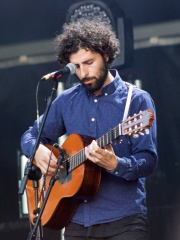
José González
MUSICIAN
1978 - Present
HPI: 54.83
Rank: 136
Edu Gaspar
SOCCER PLAYER
1978 - Present
HPI: 54.82
Rank: 137

Denis Menchov
CYCLIST
1978 - Present
HPI: 54.76
Rank: 138

Alexis Amore
PORNOGRAPHIC ACTOR
1978 - Present
HPI: 54.75
Rank: 139

Maksim Shatskikh
SOCCER PLAYER
1978 - Present
HPI: 54.73
Rank: 140

Bajrakitiyabha
DIPLOMAT
1978 - Present
HPI: 54.65
Rank: 141

Michaela Conlin
ACTOR
1978 - Present
HPI: 54.57
Rank: 142

Ginnifer Goodwin
ACTOR
1978 - Present
HPI: 54.56
Rank: 143
In Brazil
Among people born in Brazil, Edu Gaspar ranks 660 out of 2,236. Before him are Josimar (1961), Hamilton Mourão (1953), Nathalia Timberg (1929), Luiz Adriano (1987), Ricardo Teixeira (1947), and Nena (1923). After him are Octacílio (1909), Manoelzinho (1907), Jeferson Antonio Alves Dupin (1972), Bismarck Barreto Faria (1969), Erico Verissimo (1905), and Luís Vinício (1932).
Others born in Brazil
Go to all Rankings
Josimar
SOCCER PLAYER
1961 - Present
HPI: 54.90
Rank: 654
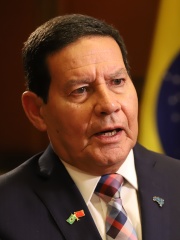
Hamilton Mourão
POLITICIAN
1953 - Present
HPI: 54.89
Rank: 655
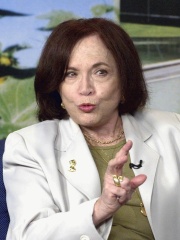
Nathalia Timberg
ACTOR
1929 - Present
HPI: 54.88
Rank: 656

Luiz Adriano
SOCCER PLAYER
1987 - Present
HPI: 54.84
Rank: 657
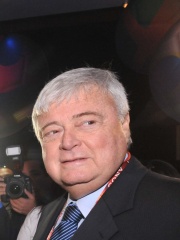
Ricardo Teixeira
POLITICIAN
1947 - Present
HPI: 54.83
Rank: 658

Nena
SOCCER PLAYER
1923 - 2010
HPI: 54.83
Rank: 659
Edu Gaspar
SOCCER PLAYER
1978 - Present
HPI: 54.82
Rank: 660
Octacílio
SOCCER PLAYER
1909 - 1967
HPI: 54.81
Rank: 661
Manoelzinho
SOCCER PLAYER
1907 - 1953
HPI: 54.81
Rank: 662

Jeferson Antonio Alves Dupin
SOCCER PLAYER
1972 - Present
HPI: 54.80
Rank: 663

Bismarck Barreto Faria
SOCCER PLAYER
1969 - Present
HPI: 54.79
Rank: 664
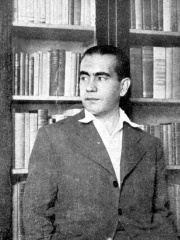
Erico Verissimo
WRITER
1905 - 1975
HPI: 54.78
Rank: 665
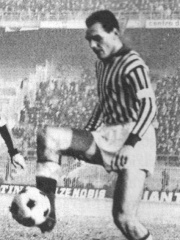
Luís Vinício
SOCCER PLAYER
1932 - Present
HPI: 54.75
Rank: 666
Among Soccer Players In Brazil
Among soccer players born in Brazil, Edu Gaspar ranks 340. Before him are Gabriel dos Santos Magalhães (1997), Bruno Guimarães (1997), Rodrigo (1991), Josimar (1961), Luiz Adriano (1987), and Nena (1923). After him are Octacílio (1909), Manoelzinho (1907), Jeferson Antonio Alves Dupin (1972), Bismarck Barreto Faria (1969), Luís Vinício (1932), and Nilo Murtinho Braga (1903).
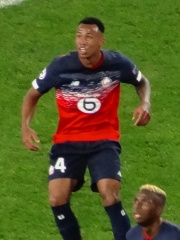
Gabriel dos Santos Magalhães
1997 - Present
HPI: 54.94
Rank: 334

Bruno Guimarães
1997 - Present
HPI: 54.92
Rank: 335
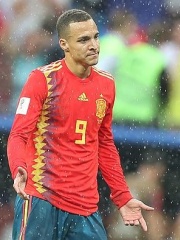
Rodrigo
1991 - Present
HPI: 54.91
Rank: 336
Josimar
1961 - Present
HPI: 54.90
Rank: 337
Luiz Adriano
1987 - Present
HPI: 54.84
Rank: 338
Nena
1923 - 2010
HPI: 54.83
Rank: 339
Edu Gaspar
1978 - Present
HPI: 54.82
Rank: 340
Octacílio
1909 - 1967
HPI: 54.81
Rank: 341
Manoelzinho
1907 - 1953
HPI: 54.81
Rank: 342
Jeferson Antonio Alves Dupin
1972 - Present
HPI: 54.80
Rank: 343
Bismarck Barreto Faria
1969 - Present
HPI: 54.79
Rank: 344
Luís Vinício
1932 - Present
HPI: 54.75
Rank: 345
Nilo Murtinho Braga
1903 - 1975
HPI: 54.73
Rank: 346