Religious Figure
Al-Juwayni
1028 - 1085
EN.WIKIPEDIA PAGE VIEWS (PV)

 Al-Juwayni
His biography is available in 22 different languages on Wikipedia (up from 21 in 2024). Al-Juwayni is the 1,033rd most popular religious figure (down from 853rd in 2024), the 163rd most popular biography from Iran (down from 144th in 2019) and the 16th most popular Iranian Religious Figure.
Memorability Metrics
Page views of Al-Juwayni by language
Among Religious Figures
Among religious figures, Al-Juwayni ranks 1,033 out of 3,187. Before him are Rupert of Salzburg, Abiathar, Euthymius the Great, Lambert of Maastricht, Abdullah ibn Salam, and Bechara Boutros al-Rahi. After him are Veronica Giuliani, Cláudio Hummes, Lidwina, Antipope Dioscorus, Carlos Osoro Sierra, and Mahavatar Babaji.
Most Popular Religious Figures in Wikipedia
Go to all Rankings
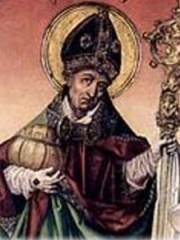
Rupert of Salzburg
650 - 710
HPI: 66.67
Rank: 1,027

Abiathar
1000 BC - 900 BC
HPI: 66.66
Rank: 1,028
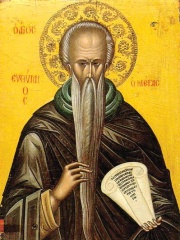
Euthymius the Great
377 - 473
HPI: 66.66
Rank: 1,029

Lambert of Maastricht
635 - 705
HPI: 66.66
Rank: 1,030

Abdullah ibn Salam
550 - 643
HPI: 66.65
Rank: 1,031
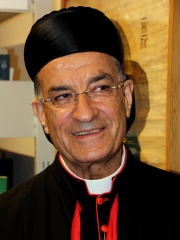
Bechara Boutros al-Rahi
1940 - Present
HPI: 66.65
Rank: 1,032
Al-Juwayni
1028 - 1085
HPI: 66.61
Rank: 1,033
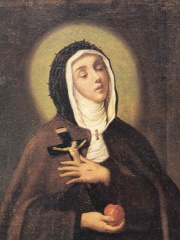
Veronica Giuliani
1660 - 1727
HPI: 66.60
Rank: 1,034

Cláudio Hummes
1934 - 2022
HPI: 66.60
Rank: 1,035
Lidwina
1380 - 1433
HPI: 66.60
Rank: 1,036

Antipope Dioscorus
500 - 530
HPI: 66.60
Rank: 1,037
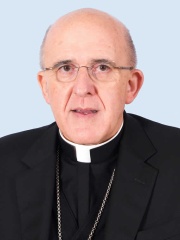
Carlos Osoro Sierra
1945 - Present
HPI: 66.57
Rank: 1,038
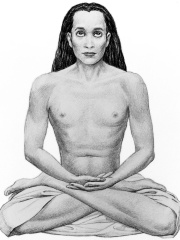
Mahavatar Babaji
1900 - Present
HPI: 66.55
Rank: 1,039

Contemporaries
Among people born in 1028, Al-Juwayni ranks 2. Before him is William the Conqueror. Among people deceased in 1085, Al-Juwayni ranks 4. Before him are Pope Gregory VII, Robert Guiscard, and Emperor Shenzong of Song. After him is Cheng Hao.
Others Born in 1028
Go to all Rankings
William the Conqueror
NOBLEMAN
1028 - 1087
HPI: 81.79
Rank: 1
Al-Juwayni
RELIGIOUS FIGURE
1028 - 1085
HPI: 66.61
Rank: 2
Others Deceased in 1085
Go to all Rankings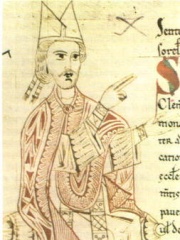
Pope Gregory VII
RELIGIOUS FIGURE
1020 - 1085
HPI: 81.93
Rank: 1
Robert Guiscard
NOBLEMAN
1016 - 1085
HPI: 75.16
Rank: 2

Emperor Shenzong of Song
POLITICIAN
1048 - 1085
HPI: 69.14
Rank: 3
Al-Juwayni
RELIGIOUS FIGURE
1028 - 1085
HPI: 66.61
Rank: 4

Cheng Hao
PHILOSOPHER
1032 - 1085
HPI: 61.07
Rank: 5
In Iran
Among people born in Iran, Al-Juwayni ranks 163 out of NaN. Before him are Qutb al-Din al-Shirazi (1236), Suleiman of Persia (1647), Zakariya al-Qazwini (1203), Vologases III of Parthia (100), Shohreh Aghdashloo (1952), and Datis (-600). After him are Karim Khan Zand (1705), Abu Nasr Mansur (960), Abū Sahl al-Qūhī (940), Tiridates I of Armenia (null), Al-Bayhaqi (994), and Piruz Nahavandi (700).
Others born in Iran
Go to all Rankings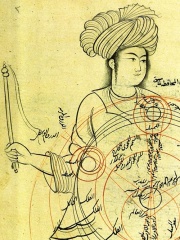
Qutb al-Din al-Shirazi
MATHEMATICIAN
1236 - 1311
HPI: 67.04
Rank: 157
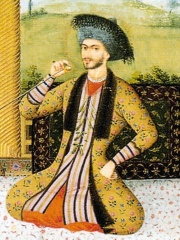
Suleiman of Persia
POLITICIAN
1647 - 1694
HPI: 67.00
Rank: 158

Zakariya al-Qazwini
GEOGRAPHER
1203 - 1283
HPI: 66.95
Rank: 159
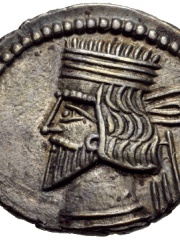
Vologases III of Parthia
POLITICIAN
100 - 200
HPI: 66.90
Rank: 160

Shohreh Aghdashloo
ACTOR
1952 - Present
HPI: 66.75
Rank: 161
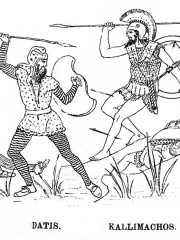
Datis
MILITARY PERSONNEL
600 BC - 490 BC
HPI: 66.69
Rank: 162
Al-Juwayni
RELIGIOUS FIGURE
1028 - 1085
HPI: 66.61
Rank: 163
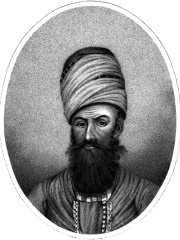
Karim Khan Zand
POLITICIAN
1705 - 1779
HPI: 66.60
Rank: 164

Abu Nasr Mansur
MATHEMATICIAN
960 - 1036
HPI: 66.50
Rank: 165

Abū Sahl al-Qūhī
MATHEMATICIAN
940 - 1000
HPI: 66.26
Rank: 166
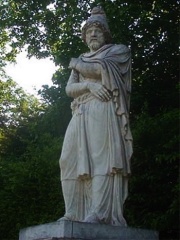
Tiridates I of Armenia
POLITICIAN
HPI: 66.15
Rank: 167

Al-Bayhaqi
RELIGIOUS FIGURE
994 - 1066
HPI: 66.07
Rank: 168
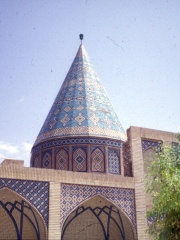
Piruz Nahavandi
RELIGIOUS FIGURE
700 - 644
HPI: 66.04
Rank: 169
Among Religious Figures In Iran
Among religious figures born in Iran, Al-Juwayni ranks 16. Before him are `Abdu'l-Bahá (1844), Mordecai (null), Sasan (200), Anastasius of Persia (550), Hamza ibn-'Ali ibn-Ahmad (985), and Safi-ad-din Ardabili (1252). After him are Al-Bayhaqi (994), Piruz Nahavandi (700), Shaykh Tusi (995), Muhammad ibn Ya'qub al-Kulayni (864), Aga Khan II (1830), and Ibn Babawayh (918).
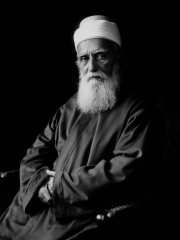
`Abdu'l-Bahá
1844 - 1921
HPI: 71.89
Rank: 10

Mordecai
HPI: 70.14
Rank: 11

Sasan
200 - 300
HPI: 67.65
Rank: 12

Anastasius of Persia
550 - 628
HPI: 67.53
Rank: 13

Hamza ibn-'Ali ibn-Ahmad
985 - 1021
HPI: 67.33
Rank: 14

Safi-ad-din Ardabili
1252 - 1334
HPI: 67.23
Rank: 15
Al-Juwayni
1028 - 1085
HPI: 66.61
Rank: 16
Al-Bayhaqi
994 - 1066
HPI: 66.07
Rank: 17
Piruz Nahavandi
700 - 644
HPI: 66.04
Rank: 18

Shaykh Tusi
995 - 1067
HPI: 65.23
Rank: 19

Muhammad ibn Ya'qub al-Kulayni
864 - 941
HPI: 64.07
Rank: 20
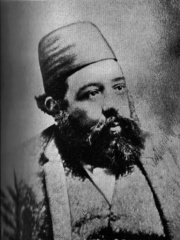
Aga Khan II
1830 - 1885
HPI: 63.88
Rank: 21

Ibn Babawayh
918 - 992
HPI: 63.52
Rank: 22