Pisarz
Virgil
70 BC - 19 BC
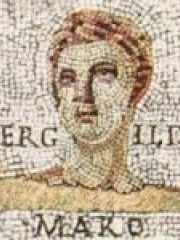
 Virgil
Wergiliusz, właśc. Publiusz Wergiliusz Maro (łac. Publius Vergilius Maro), niekiedy Publiusz Wergiliusz Maron, dawniej także Wirgiliusz (ur. 15 października 70 p.n.e., zm. Czytaj więcej w Wikipedii
His biography is available in 172 different languages on Wikipedia (up from 169 in 2024). Virgil is the 16th most popular pisarz (up from 17th in 2024), the 22nd most popular biography from Italy (down from 19th in 2019) and the 2nd most popular Italian Pisarz.
Virgil is most famous for his epic poem, the Aeneid, which tells the story of Aeneas, a Trojan prince who flees the burning city of Troy and travels to Italy, where he becomes the ancestor of the Romans.
Memorability Metrics
Page views of Virgil by language
Among Pisarzs
Among pisarzs, Virgil ranks 16 out of 7,302. Before him are Franz Kafka, Victor Hugo, Voltaire, James Joyce, Sophocles, and Jules Verne. After him are Molière, Miguel de Cervantes, Jean-Paul Sartre, T. S. Eliot, Ovid, and Alexandre Dumas.
Most Popular Pisarzs in Wikipedia
Go to all Rankings
Franz Kafka
1883 - 1924
HPI: 89.62
Rank: 10
Victor Hugo
1802 - 1885
HPI: 89.52
Rank: 11
Voltaire
1694 - 1778
HPI: 89.44
Rank: 12
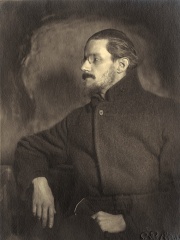
James Joyce
1882 - 1941
HPI: 89.38
Rank: 13
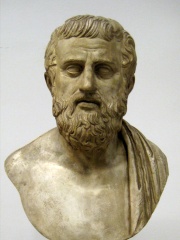
Sophocles
497 BC - 406 BC
HPI: 89.32
Rank: 14
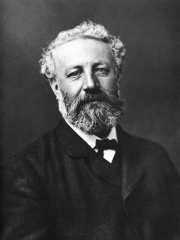
Jules Verne
1828 - 1905
HPI: 88.32
Rank: 15
Virgil
70 BC - 19 BC
HPI: 88.05
Rank: 16
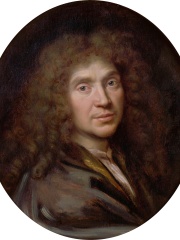
Molière
1622 - 1673
HPI: 87.83
Rank: 17
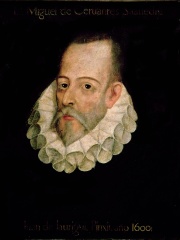
Miguel de Cervantes
1547 - 1616
HPI: 87.60
Rank: 18
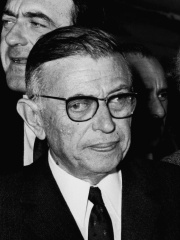
Jean-Paul Sartre
1905 - 1980
HPI: 87.31
Rank: 19
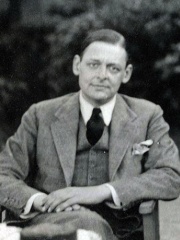
T. S. Eliot
1888 - 1965
HPI: 87.25
Rank: 20
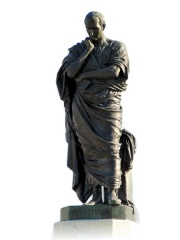
Ovid
43 BC - 17
HPI: 86.87
Rank: 21
Alexandre Dumas
1802 - 1870
HPI: 86.83
Rank: 22

Contemporaries
Among people born in 70 BC, Virgil ranks 1. After him are Scribonia, Orodes II, Publius Cornelius Dolabella, and Junia Tertia. Among people deceased in 19 BC, Virgil ranks 1. After him are Tibullus, and Dongmyeong of Goguryeo.
Others Born in 70 BC
Go to all RankingsVirgil
WRITER
70 BC - 19 BC
HPI: 88.05
Rank: 1
Scribonia
COMPANION
70 BC - 16
HPI: 73.96
Rank: 2
Orodes II
POLITICIAN
70 BC - 38 BC
HPI: 69.28
Rank: 3

Publius Cornelius Dolabella
POLITICIAN
70 BC - 43 BC
HPI: 68.89
Rank: 4

Junia Tertia
RELIGIOUS FIGURE
70 BC - 22
HPI: 57.74
Rank: 5
Others Deceased in 19 BC
Go to all RankingsVirgil
WRITER
70 BC - 19 BC
HPI: 88.05
Rank: 1
Tibullus
WRITER
50 BC - 19 BC
HPI: 72.53
Rank: 2
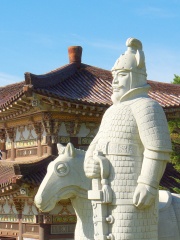
Dongmyeong of Goguryeo
POLITICIAN
58 BC - 19 BC
HPI: 71.66
Rank: 3
In Italy
Among people born in Italy, Virgil ranks 22 out of 5,161. Before him are Giuseppe Verdi (1813), Thomas Aquinas (1225), Giordano Bruno (1548), Pope Leo XIII (1810), Benito Mussolini (1883), and Cicero (-106). After him are Pope Paul VI (1897), Pope John XXIII (1881), Francis of Assisi (1182), Pope Pius XII (1876), Pompey (-106), and Caravaggio (1571).
Others born in Italy
Go to all Rankings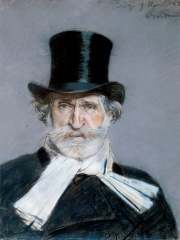
Giuseppe Verdi
COMPOSER
1813 - 1901
HPI: 89.28
Rank: 16
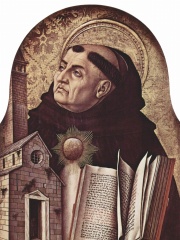
Thomas Aquinas
PHILOSOPHER
1225 - 1274
HPI: 88.70
Rank: 17
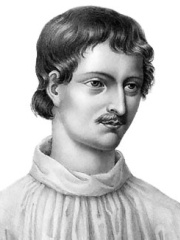
Giordano Bruno
ASTRONOMER
1548 - 1600
HPI: 88.57
Rank: 18
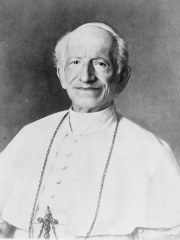
Pope Leo XIII
RELIGIOUS FIGURE
1810 - 1903
HPI: 88.51
Rank: 19
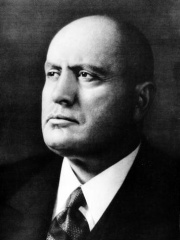
Benito Mussolini
POLITICIAN
1883 - 1945
HPI: 88.36
Rank: 20
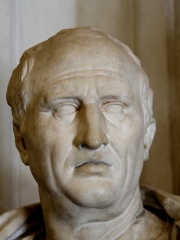
Cicero
POLITICIAN
106 BC - 43 BC
HPI: 88.19
Rank: 21
Virgil
WRITER
70 BC - 19 BC
HPI: 88.05
Rank: 22
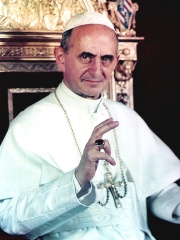
Pope Paul VI
RELIGIOUS FIGURE
1897 - 1978
HPI: 88.00
Rank: 23
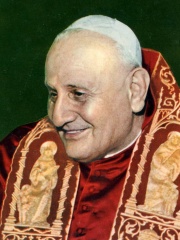
Pope John XXIII
RELIGIOUS FIGURE
1881 - 1963
HPI: 87.98
Rank: 24
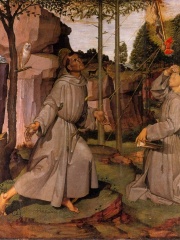
Francis of Assisi
RELIGIOUS FIGURE
1182 - 1226
HPI: 87.80
Rank: 25
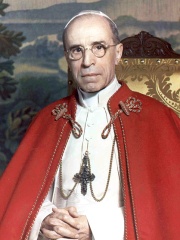
Pope Pius XII
RELIGIOUS FIGURE
1876 - 1958
HPI: 87.71
Rank: 26
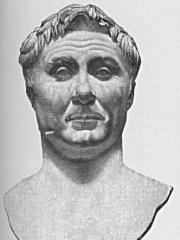
Pompey
POLITICIAN
106 BC - 48 BC
HPI: 87.68
Rank: 27
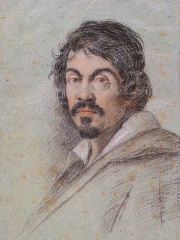
Caravaggio
PAINTER
1571 - 1610
HPI: 87.57
Rank: 28
Among Pisarzs In Italy
Among pisarzs born in Italy, Virgil ranks 2. Before him are Dante Alighieri (1265). After him are Ovid (-43), Petrarch (1304), Giovanni Boccaccio (1313), Horace (-65), Umberto Eco (1932), Giacomo Casanova (1725), Giorgio Vasari (1511), Cato the Elder (-243), Carlo Collodi (1826), and Plautus (-254).
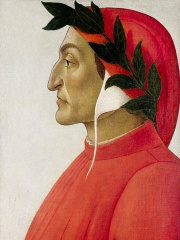
Dante Alighieri
1265 - 1321
HPI: 92.13
Rank: 1
Virgil
70 BC - 19 BC
HPI: 88.05
Rank: 2
Ovid
43 BC - 17
HPI: 86.87
Rank: 3
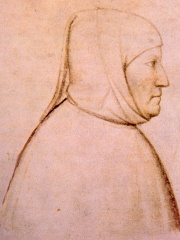
Petrarch
1304 - 1374
HPI: 86.60
Rank: 4
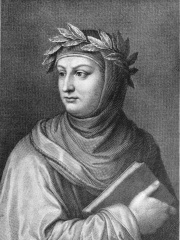
Giovanni Boccaccio
1313 - 1375
HPI: 85.98
Rank: 5
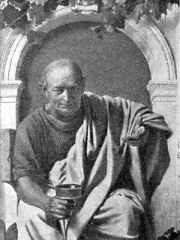
Horace
65 BC - 8 BC
HPI: 84.80
Rank: 6
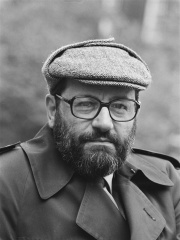
Umberto Eco
1932 - 2016
HPI: 83.13
Rank: 7
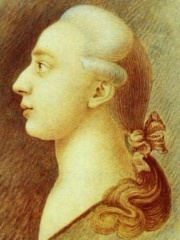
Giacomo Casanova
1725 - 1798
HPI: 83.07
Rank: 8
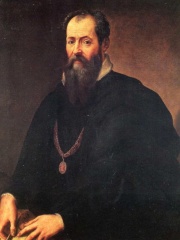
Giorgio Vasari
1511 - 1574
HPI: 82.06
Rank: 9
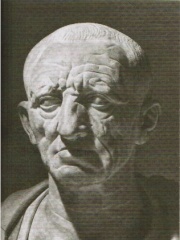
Cato the Elder
243 BC - 149 BC
HPI: 79.82
Rank: 10
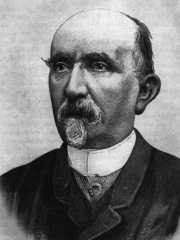
Carlo Collodi
1826 - 1890
HPI: 79.68
Rank: 11
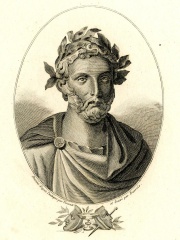
Plautus
254 BC - 184 BC
HPI: 79.62
Rank: 12




