Polityk
Tang of Shang
1601 BC - 1646 BC
PL.WIKIPEDIA PAGE VIEWS (PV)
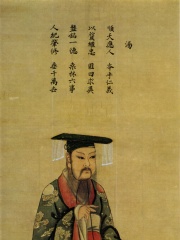
 Tang of Shang
Cheng Tang (chiń. 成湯 ), imię własne Zi Lü ( chiński : 子履 ; pinyin : Zǐ Lǚ ), zapisane na kościach wyroczni jako Da Yi ( 大乙 ) – pierwszy władca Chin z dynastii Shang. Około roku 1766 p.n.e. obalił Jie, ostatniego władcę dynastii Xia. Czytaj więcej w Wikipedii
Jego biografia jest dostępna w 33 różnych językach w Wikipedii. Tang of Shang jest 2244. najpopularniejszym polityk (spadek z 1889. w 2024 roku), 132. najpopularniejszą biografią Chiny (wzrost z 143. w 2019 roku) oraz 83. najpopularniejszym polityk Chiny.
Memorability Metrics
Page views of Tang of Shang by language
Among Polityks
Among polityks, Tang of Shang ranks 2,244 out of 19,576. Before him are Michael D. Higgins, Qutuz, James IV of Scotland, Theuderic IV, Edmund I, and Mário Soares. After him are Piers Gaveston, 1st Earl of Cornwall, Kenneth MacAlpin, René Coty, Austen Chamberlain, Faustina the Younger, and Aloys II, Prince of Liechtenstein.
Most Popular Polityks in Wikipedia
Go to all Rankings
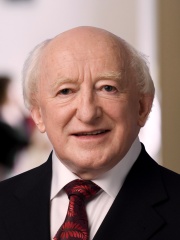
Michael D. Higgins
1941 - Present
HPI: 71.57
Rank: 2,239
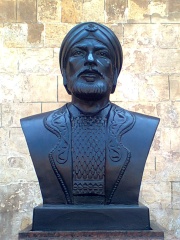
Qutuz
1200 - 1260
HPI: 71.57
Rank: 2,240

James IV of Scotland
1473 - 1513
HPI: 71.56
Rank: 2,241
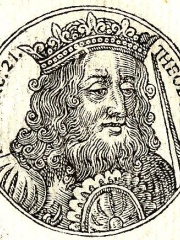
Theuderic IV
712 - 737
HPI: 71.56
Rank: 2,242
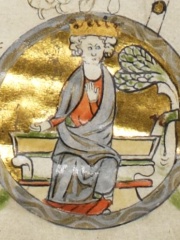
Edmund I
921 - 946
HPI: 71.56
Rank: 2,243
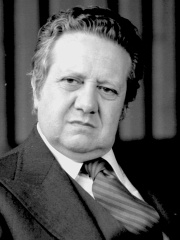
Mário Soares
1924 - 2017
HPI: 71.55
Rank: 2,244
Tang of Shang
1601 BC - 1646 BC
HPI: 71.55
Rank: 2,245
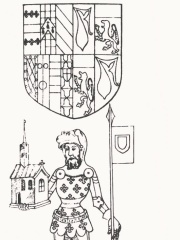
Piers Gaveston, 1st Earl of Cornwall
1284 - 1312
HPI: 71.55
Rank: 2,246
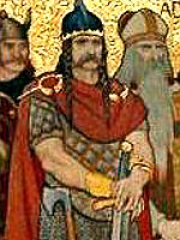
Kenneth MacAlpin
810 - 858
HPI: 71.54
Rank: 2,247
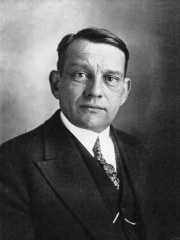
René Coty
1882 - 1962
HPI: 71.54
Rank: 2,248
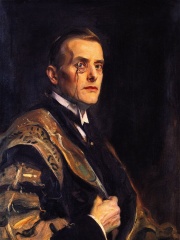
Austen Chamberlain
1863 - 1937
HPI: 71.54
Rank: 2,249
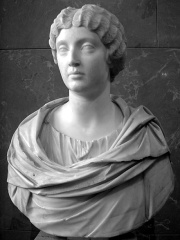
Faustina the Younger
125 - 175
HPI: 71.53
Rank: 2,250
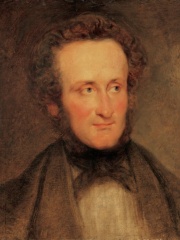
Aloys II, Prince of Liechtenstein
1796 - 1858
HPI: 71.52
Rank: 2,251

Contemporaries
Among people born in 1601 BC, Tang of Shang ranks 1. Among people deceased in 1646 BC, Tang of Shang ranks 1. After him is Sewadjkare Hori.
Others Born in 1601 BC
Go to all RankingsOthers Deceased in 1646 BC
Go to all RankingsTang of Shang
POLITICIAN
1601 BC - 1646 BC
HPI: 71.55
Rank: 1

Sewadjkare Hori
POLITICIAN
1687 BC - 1646 BC
HPI: 56.79
Rank: 2
In Chiny
Among people born in Chiny, Tang of Shang ranks 132 out of NaN. Before him are Jingtai Emperor (1428), Gwanggaeto the Great (374), Lin Biao (1907), Chiang Ching-kuo (1910), Sun Ce (175), and Gegeen Khan (1302). After him are Wang Jingwei (1883), Dorgon (1612), Hong Xiuquan (1814), Bolo Yeung (1946), Sun Jian (155), and 1st Dalai Lama (1391).
Others born in Chiny
Go to all Rankings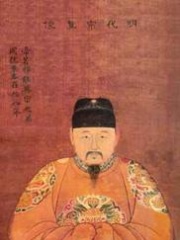
Jingtai Emperor
POLITICIAN
1428 - 1457
HPI: 71.69
Rank: 126
Gwanggaeto the Great
POLITICIAN
374 - 413
HPI: 71.69
Rank: 127
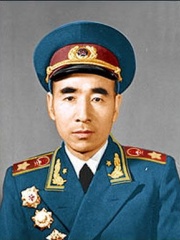
Lin Biao
POLITICIAN
1907 - 1971
HPI: 71.62
Rank: 128
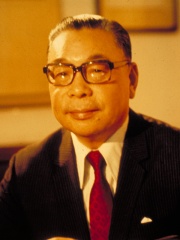
Chiang Ching-kuo
POLITICIAN
1910 - 1988
HPI: 71.59
Rank: 129
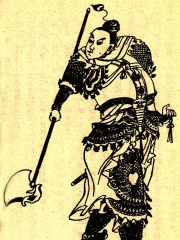
Sun Ce
MILITARY PERSONNEL
175 - 200
HPI: 71.59
Rank: 130
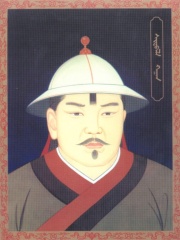
Gegeen Khan
POLITICIAN
1302 - 1323
HPI: 71.58
Rank: 131
Tang of Shang
POLITICIAN
1601 BC - 1646 BC
HPI: 71.55
Rank: 132
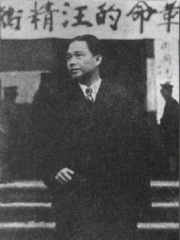
Wang Jingwei
POLITICIAN
1883 - 1944
HPI: 71.51
Rank: 133
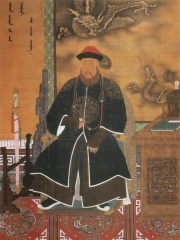
Dorgon
POLITICIAN
1612 - 1650
HPI: 71.48
Rank: 134
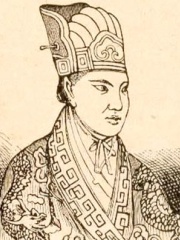
Hong Xiuquan
POLITICIAN
1814 - 1864
HPI: 71.46
Rank: 135
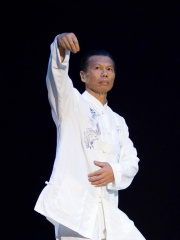
Bolo Yeung
ACTOR
1946 - Present
HPI: 71.43
Rank: 136
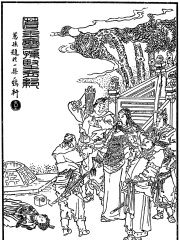
Sun Jian
MILITARY PERSONNEL
155 - 191
HPI: 71.36
Rank: 137

1st Dalai Lama
POLITICIAN
1391 - 1474
HPI: 71.36
Rank: 138
Among Polityks In Chiny
Among polityks born in Chiny, Tang of Shang ranks 83. Before him are Yuan Shao (154), Jingtai Emperor (1428), Gwanggaeto the Great (374), Lin Biao (1907), Chiang Ching-kuo (1910), and Gegeen Khan (1302). After him are Wang Jingwei (1883), Dorgon (1612), Hong Xiuquan (1814), 1st Dalai Lama (1391), Ziying (-300), and Emperor Guangwu of Han (-5).
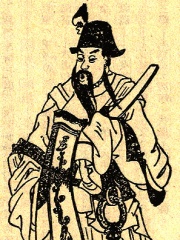
Yuan Shao
154 - 202
HPI: 71.75
Rank: 77
Jingtai Emperor
1428 - 1457
HPI: 71.69
Rank: 78
Gwanggaeto the Great
374 - 413
HPI: 71.69
Rank: 79
Lin Biao
1907 - 1971
HPI: 71.62
Rank: 80
Chiang Ching-kuo
1910 - 1988
HPI: 71.59
Rank: 81
Gegeen Khan
1302 - 1323
HPI: 71.58
Rank: 82
Tang of Shang
1601 BC - 1646 BC
HPI: 71.55
Rank: 83
Wang Jingwei
1883 - 1944
HPI: 71.51
Rank: 84
Dorgon
1612 - 1650
HPI: 71.48
Rank: 85
Hong Xiuquan
1814 - 1864
HPI: 71.46
Rank: 86
1st Dalai Lama
1391 - 1474
HPI: 71.36
Rank: 87
Ziying
300 BC - 206 BC
HPI: 71.31
Rank: 88
Emperor Guangwu of Han
5 BC - 57
HPI: 71.25
Rank: 89