Architekt
Shigeru Ban
1957 - obecnie
PL.WIKIPEDIA PAGE VIEWS (PV)
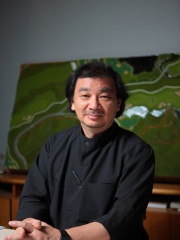
 Shigeru Ban
Shigeru Ban (jap. 坂 茂 Ban Shigeru; ur. 5 sierpnia w 1957 w Tokio) – współczesny architekt japoński, pracujący na całym świecie. Shigeru Ban studiował na Southern California Institute of Architecture, a następnie na Cooper Union’s School of Architecture u Johna Hejduka i obronił dyplom w 1984 roku. Czytaj więcej w Wikipedii
Jego biografia jest dostępna w 32 różnych językach w Wikipedii (wzrost z 31 w 2024 roku). Shigeru Ban jest 227. najpopularniejszym architekt (spadek z 195. w 2024 roku), 755. najpopularniejszą biografią Japonia (spadek z 617. w 2019 roku) oraz 6. najpopularniejszym architekt Japonia.
Memorability Metrics
Page views of Shigeru Ban by language
Among Architekts
Among architekts, Shigeru Ban ranks 227 out of 518. Before him are Josep Lluís Sert, Jean Prouvé, Imre Steindl, Hermogenes of Priene, Nicholas Negroponte, and Vittorio Gregotti. After him are Adrian Smith, Félix Candela, Adolf Meyer, Kevin Roche, Carl Ritter von Ghega, and Callinicus of Heliopolis.
Most Popular Architekts in Wikipedia
Go to all Rankings
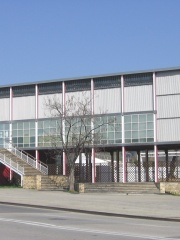
Josep Lluís Sert
1902 - 1983
HPI: 62.46
Rank: 221
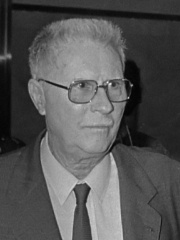
Jean Prouvé
1901 - 1984
HPI: 62.44
Rank: 222
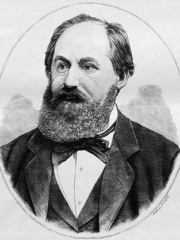
Imre Steindl
1839 - 1902
HPI: 62.40
Rank: 223

Hermogenes of Priene
200 BC - 200 BC
HPI: 62.35
Rank: 224
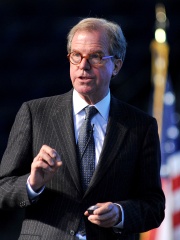
Nicholas Negroponte
1943 - Present
HPI: 62.34
Rank: 225
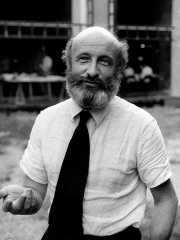
Vittorio Gregotti
1927 - 2020
HPI: 62.24
Rank: 226
Shigeru Ban
1957 - Present
HPI: 62.23
Rank: 227
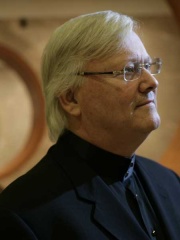
Adrian Smith
1944 - Present
HPI: 62.19
Rank: 228
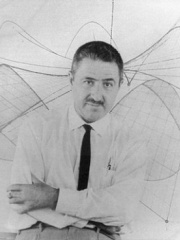
Félix Candela
1910 - 1997
HPI: 62.17
Rank: 229
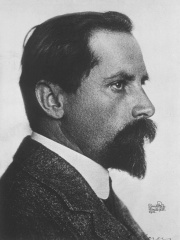
Adolf Meyer
1881 - 1929
HPI: 62.16
Rank: 230
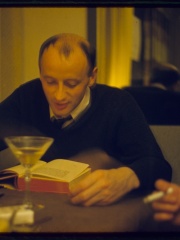
Kevin Roche
1922 - 2019
HPI: 62.14
Rank: 231
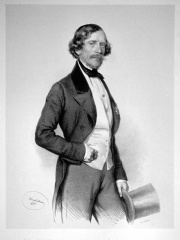
Carl Ritter von Ghega
1802 - 1860
HPI: 62.10
Rank: 232
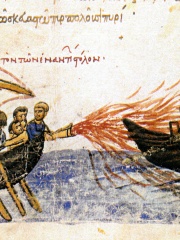
Callinicus of Heliopolis
700 - 700
HPI: 62.09
Rank: 233

Contemporaries
Among people born in 1957, Shigeru Ban ranks 105. Before him are Lucélia Santos, Esmail Ghaani, Víctor Muñoz, Włodzimierz Smolarek, Mikhail Pletnev, and Ted Levine. After him are Bruce Rauner, Loreena McKennitt, Rachel Ward, Lucien Favre, Alu Alkhanov, and Irvine Welsh.
Others Born in 1957
Go to all Rankings
Lucélia Santos
ACTOR
1957 - Present
HPI: 62.70
Rank: 99

Esmail Ghaani
MILITARY PERSONNEL
1957 - Present
HPI: 62.68
Rank: 100

Víctor Muñoz
SOCCER PLAYER
1957 - Present
HPI: 62.56
Rank: 101
Włodzimierz Smolarek
SOCCER PLAYER
1957 - 2012
HPI: 62.47
Rank: 102
Mikhail Pletnev
MUSICIAN
1957 - Present
HPI: 62.33
Rank: 103

Ted Levine
ACTOR
1957 - Present
HPI: 62.32
Rank: 104
Shigeru Ban
ARCHITECT
1957 - Present
HPI: 62.23
Rank: 105
Bruce Rauner
POLITICIAN
1957 - Present
HPI: 62.19
Rank: 106

Loreena McKennitt
MUSICIAN
1957 - Present
HPI: 62.16
Rank: 107
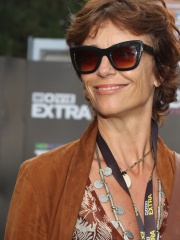
Rachel Ward
ACTOR
1957 - Present
HPI: 62.14
Rank: 108
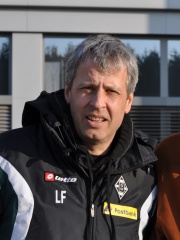
Lucien Favre
COACH
1957 - Present
HPI: 62.07
Rank: 109

Alu Alkhanov
POLITICIAN
1957 - Present
HPI: 62.06
Rank: 110

Irvine Welsh
WRITER
1957 - Present
HPI: 61.98
Rank: 111
In Japonia
Among people born in Japonia, Shigeru Ban ranks 755 out of NaN. Before him are Kujō Yoritsune (1218), Daisaku Ikeda (1928), Tsutomu Sonobe (1958), Kitaro Nishida (1870), Riyoko Ikeda (1947), and Chōjun Miyagi (1888). After him are Kazumi Tsubota (1956), Takasugi Shinsaku (1839), Shizo Kanakuri (1891), Keigo Higashino (1958), Hōjō Ujimasa (1538), and Toyohito Mochizuki (1953).
Others born in Japonia
Go to all Rankings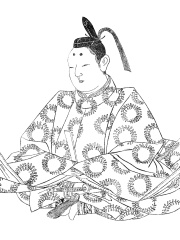
Kujō Yoritsune
POLITICIAN
1218 - 1256
HPI: 62.36
Rank: 749
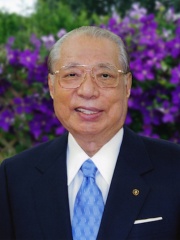
Daisaku Ikeda
PHILOSOPHER
1928 - 2023
HPI: 62.34
Rank: 750

Tsutomu Sonobe
SOCCER PLAYER
1958 - Present
HPI: 62.34
Rank: 751
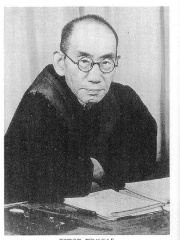
Kitaro Nishida
PHILOSOPHER
1870 - 1945
HPI: 62.32
Rank: 752

Riyoko Ikeda
COMIC ARTIST
1947 - Present
HPI: 62.31
Rank: 753
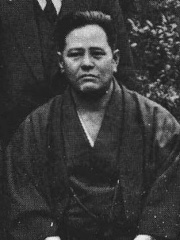
Chōjun Miyagi
MARTIAL ARTS
1888 - 1953
HPI: 62.30
Rank: 754
Shigeru Ban
ARCHITECT
1957 - Present
HPI: 62.23
Rank: 755

Kazumi Tsubota
SOCCER PLAYER
1956 - Present
HPI: 62.19
Rank: 756
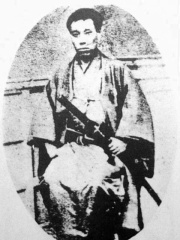
Takasugi Shinsaku
MILITARY PERSONNEL
1839 - 1867
HPI: 62.19
Rank: 757
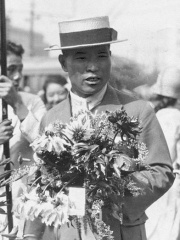
Shizo Kanakuri
ATHLETE
1891 - 1983
HPI: 62.18
Rank: 758

Keigo Higashino
WRITER
1958 - Present
HPI: 62.17
Rank: 759
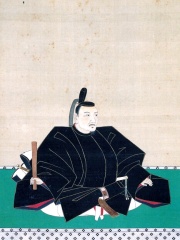
Hōjō Ujimasa
RELIGIOUS FIGURE
1538 - 1590
HPI: 62.16
Rank: 760

Toyohito Mochizuki
SOCCER PLAYER
1953 - Present
HPI: 62.14
Rank: 761
Among Architekts In Japonia
Among architekts born in Japonia, Shigeru Ban ranks 6. Before him are Tadao Ando (1941), Kenzō Tange (1913), Arata Isozaki (1931), Fumihiko Maki (1928), and Kisho Kurokawa (1934). After him are Kazuyo Sejima (1956), Kengo Kuma (1954), Kunio Maekawa (1905), Kiyonori Kikutake (1928), Ryue Nishizawa (1966), and Sou Fujimoto (1971).
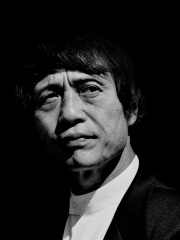
Tadao Ando
1941 - Present
HPI: 72.31
Rank: 1
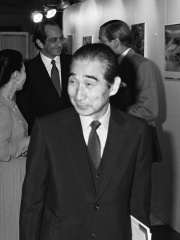
Kenzō Tange
1913 - 2005
HPI: 72.09
Rank: 2
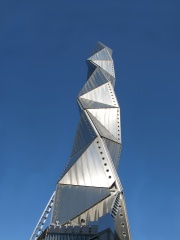
Arata Isozaki
1931 - 2022
HPI: 67.52
Rank: 3
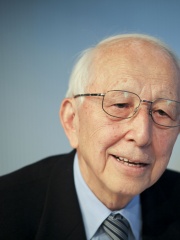
Fumihiko Maki
1928 - 2024
HPI: 65.11
Rank: 4
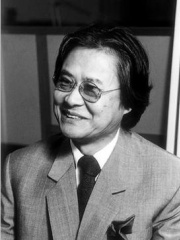
Kisho Kurokawa
1934 - 2007
HPI: 63.67
Rank: 5
Shigeru Ban
1957 - Present
HPI: 62.23
Rank: 6
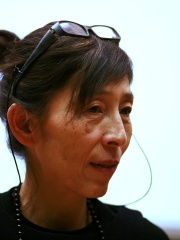
Kazuyo Sejima
1956 - Present
HPI: 61.16
Rank: 7
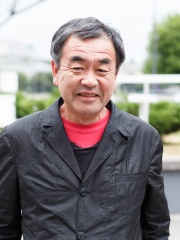
Kengo Kuma
1954 - Present
HPI: 60.71
Rank: 8
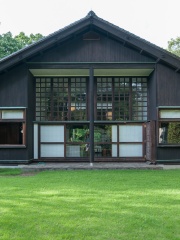
Kunio Maekawa
1905 - 1986
HPI: 57.28
Rank: 9
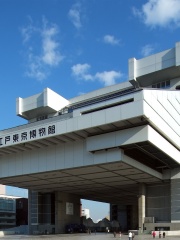
Kiyonori Kikutake
1928 - 2011
HPI: 54.78
Rank: 10

Ryue Nishizawa
1966 - Present
HPI: 53.68
Rank: 11

Sou Fujimoto
1971 - Present
HPI: 47.62
Rank: 12