Historyk
Marsyas of Pella
400 BC - 360 BC

 Marsyas of Pella
Jego biografia jest dostępna w 16 różnych językach w Wikipedii. Marsyas of Pella jest 313. najpopularniejszym historyk (spadek z 306. w 2024 roku), 628. najpopularniejszą biografią Grecja (spadek z 622. w 2019 roku) oraz 11. najpopularniejszym historyk Grecja.
Memorability Metrics
Page views of Marsyas of Pella by language
Among Historyks
Among historyks, Marsyas of Pella ranks 313 out of 561. Before him are Charles Barbier de Meynard, Émile Mâle, Yehuda Bauer, Walter Laqueur, Vakhushti of Kartli, and Jean-Baptiste Du Halde. After him are Jacob Theodor Klein, ʽAbd al-Qadir Badayuni, Pierre Vidal-Naquet, Christopher Hill, Malchus, and Ludwig von Pastor.
Most Popular Historyks in Wikipedia
Go to all Rankings
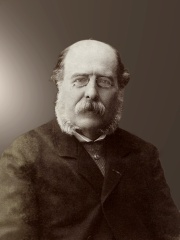
Charles Barbier de Meynard
1826 - 1908
HPI: 59.03
Rank: 307
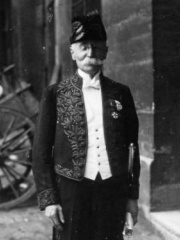
Émile Mâle
1862 - 1954
HPI: 59.01
Rank: 308
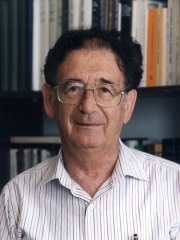
Yehuda Bauer
1926 - 2024
HPI: 58.95
Rank: 309

Walter Laqueur
1921 - 2018
HPI: 58.94
Rank: 310
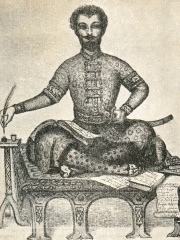
Vakhushti of Kartli
1696 - 1757
HPI: 58.91
Rank: 311

Jean-Baptiste Du Halde
1674 - 1743
HPI: 58.91
Rank: 312
Marsyas of Pella
400 BC - 360 BC
HPI: 58.87
Rank: 313
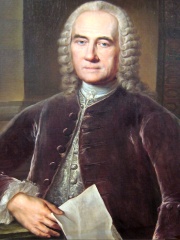
Jacob Theodor Klein
1685 - 1759
HPI: 58.83
Rank: 314
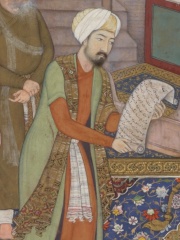
ʽAbd al-Qadir Badayuni
1540 - 1615
HPI: 58.82
Rank: 315
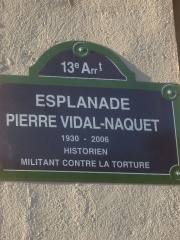
Pierre Vidal-Naquet
1930 - 2006
HPI: 58.82
Rank: 316
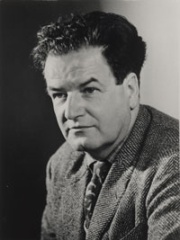
Christopher Hill
1912 - 2003
HPI: 58.74
Rank: 317

Malchus
450 - Present
HPI: 58.73
Rank: 318
Ludwig von Pastor
1854 - 1928
HPI: 58.73
Rank: 319

Contemporaries
Among people born in 400 BC, Marsyas of Pella ranks 103. Before him are Deidamia I of Epirus, Taxiles, Meleager, Orontes III, Cephisodotus the Younger, and Anniceris. After him are Alexander of Lyncestis, Attalus, Publius Decius Mus, Lucius Caecilius Metellus Denter, Kidinnu, and Leosthenes. Among people deceased in 360 BC, Marsyas of Pella ranks 24. Before him are Antiphilus, Leontion, Laomedon of Mytilene, Phaenias of Eresus, Taxiles, and Anniceris. After him are Arrhidaeus, Aristides of Thebes, Stasanor, Cotys I, Sibyrtius, and Philotas.
Others Born in 400 BC
Go to all Rankings
Deidamia I of Epirus
POLITICIAN
400 BC - Present
HPI: 59.23
Rank: 97
Taxiles
POLITICIAN
400 BC - 360 BC
HPI: 59.17
Rank: 98

Meleager
MILITARY PERSONNEL
400 BC - 323 BC
HPI: 59.15
Rank: 99

Orontes III
POLITICIAN
400 BC - 260 BC
HPI: 59.06
Rank: 100

Cephisodotus the Younger
SCULPTOR
400 BC - 300 BC
HPI: 58.92
Rank: 101

Anniceris
PHILOSOPHER
400 BC - 360 BC
HPI: 58.89
Rank: 102
Marsyas of Pella
HISTORIAN
400 BC - 360 BC
HPI: 58.87
Rank: 103

Alexander of Lyncestis
MILITARY PERSONNEL
400 BC - 330 BC
HPI: 58.86
Rank: 104

Attalus
MILITARY PERSONNEL
400 BC - 316 BC
HPI: 58.83
Rank: 105
Publius Decius Mus
POLITICIAN
400 BC - 279 BC
HPI: 58.73
Rank: 106

Lucius Caecilius Metellus Denter
POLITICIAN
400 BC - 300 BC
HPI: 58.68
Rank: 107

Kidinnu
ASTRONOMER
400 BC - 330 BC
HPI: 58.67
Rank: 108

Leosthenes
MILITARY PERSONNEL
400 BC - 323 BC
HPI: 58.65
Rank: 109
Others Deceased in 360 BC
Go to all Rankings
Antiphilus
PAINTER
400 BC - 360 BC
HPI: 60.10
Rank: 18
Leontion
PHILOSOPHER
400 BC - 360 BC
HPI: 60.07
Rank: 19
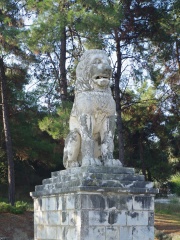
Laomedon of Mytilene
MILITARY PERSONNEL
400 BC - 360 BC
HPI: 59.81
Rank: 20

Phaenias of Eresus
PHILOSOPHER
400 BC - 360 BC
HPI: 59.39
Rank: 21
Taxiles
POLITICIAN
400 BC - 360 BC
HPI: 59.17
Rank: 22
Anniceris
PHILOSOPHER
400 BC - 360 BC
HPI: 58.89
Rank: 23
Marsyas of Pella
HISTORIAN
400 BC - 360 BC
HPI: 58.87
Rank: 24

Arrhidaeus
MILITARY PERSONNEL
400 BC - 360 BC
HPI: 57.70
Rank: 25

Aristides of Thebes
PAINTER
400 BC - 360 BC
HPI: 57.24
Rank: 26
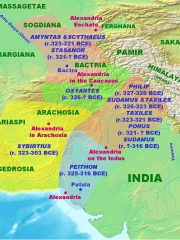
Stasanor
POLITICIAN
400 BC - 360 BC
HPI: 57.23
Rank: 27

Cotys I
POLITICIAN
HPI: 57.19
Rank: 28
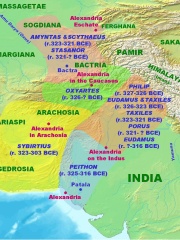
Sibyrtius
POLITICIAN
400 BC - 360 BC
HPI: 56.84
Rank: 29

Philotas
MILITARY PERSONNEL
400 BC - 360 BC
HPI: 56.63
Rank: 30
In Grecja
Among people born in Grecja, Marsyas of Pella ranks 628 out of NaN. Before him are Agasicles (-600), Dora Bakoyannis (1954), Tilemachos Karakalos (1866), Vassilis Vassilikos (1933), Cephisodotus the Younger (-400), and Megabates (-600). After him are Philoxenus of Cythera (-435), Xenophon Zolotas (1904), Joachim IV of Constantinople (1837), Princess Elizabeth of Greece and Denmark (1904), Eudamidas II (-350), and Teleclus (null).
Others born in Grecja
Go to all Rankings
Agasicles
POLITICIAN
600 BC - 600 BC
HPI: 58.98
Rank: 622

Dora Bakoyannis
POLITICIAN
1954 - Present
HPI: 58.97
Rank: 623

Tilemachos Karakalos
POLITICIAN
1866 - 1951
HPI: 58.96
Rank: 624
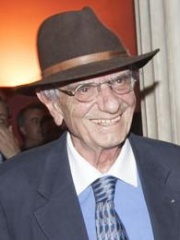
Vassilis Vassilikos
WRITER
1933 - 2023
HPI: 58.93
Rank: 625
Cephisodotus the Younger
SCULPTOR
400 BC - 300 BC
HPI: 58.92
Rank: 626

Megabates
RELIGIOUS FIGURE
600 BC - 500 BC
HPI: 58.91
Rank: 627
Marsyas of Pella
HISTORIAN
400 BC - 360 BC
HPI: 58.87
Rank: 628

Philoxenus of Cythera
WRITER
435 BC - 380 BC
HPI: 58.85
Rank: 629
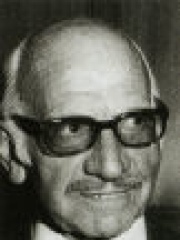
Xenophon Zolotas
POLITICIAN
1904 - 2004
HPI: 58.83
Rank: 630
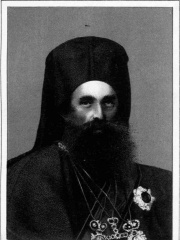
Joachim IV of Constantinople
RELIGIOUS FIGURE
1837 - 1887
HPI: 58.82
Rank: 631
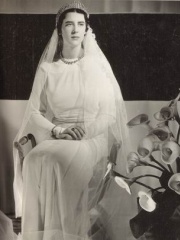
Princess Elizabeth of Greece and Denmark
POLITICIAN
1904 - 1955
HPI: 58.81
Rank: 632

Eudamidas II
POLITICIAN
350 BC - 244 BC
HPI: 58.80
Rank: 633

Teleclus
POLITICIAN
HPI: 58.75
Rank: 634
Among Historyks In Grecja
Among historyks born in Grecja, Marsyas of Pella ranks 11. Before him are Callisthenes (-360), Theopompus (-400), Michael Glykas (1125), Afet İnan (1908), Krste Misirkov (1874), and Philochorus (-340). After him are Leo Allatius (1586), Helene Ahrweiler (1926), and Robert Kagan (1958).

Callisthenes
360 BC - 327 BC
HPI: 69.54
Rank: 5

Theopompus
400 BC - 320 BC
HPI: 69.44
Rank: 6

Michael Glykas
1125 - 1204
HPI: 64.91
Rank: 7
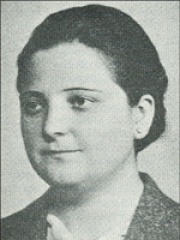
Afet İnan
1908 - 1985
HPI: 62.44
Rank: 8
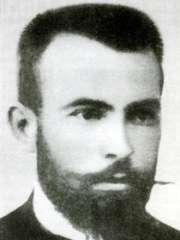
Krste Misirkov
1874 - 1926
HPI: 61.77
Rank: 9

Philochorus
340 BC - 260 BC
HPI: 60.65
Rank: 10
Marsyas of Pella
400 BC - 360 BC
HPI: 58.87
Rank: 11
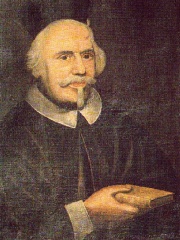
Leo Allatius
1586 - 1669
HPI: 57.12
Rank: 12
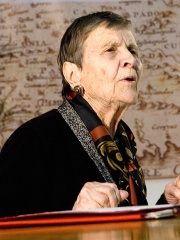
Helene Ahrweiler
1926 - Present
HPI: 55.15
Rank: 13
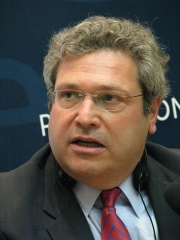
Robert Kagan
1958 - Present
HPI: 52.60
Rank: 14