Polityk
Luis de Guindos
1960 - obecnie
PL.WIKIPEDIA PAGE VIEWS (PV)
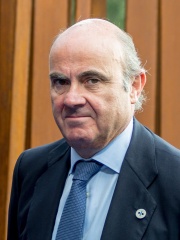

 Luis de Guindos
Jej biografia jest dostępna w 18 różnych językach w Wikipedii. Luis de Guindos jest 17118. najpopularniejszym polityk (spadek z 16493. w 2024 roku), 1969. najpopularniejszą biografią Hiszpania (spadek z 1915. w 2019 roku) oraz 446. najpopularniejszym polityk Hiszpania.
Memorability Metrics
Page views of Luis de Guindos by language
Among Polityks
Among polityks, Luis de Guindos ranks 17,118 out of 19,576. Before her are Vitaly Mutko, Princess Alia bint Hussein, Tom Clarke, Fabian Picardo, Zinetula Bilyaletdinov, and Alexey Ulyukaev. After her are Māris Gailis, Isidore Mvouba, Hiram Johnson, Jane Dee Hull, Uberto De Morpurgo, and Janusz Wojciechowski.
Most Popular Polityks in Wikipedia
Go to all Rankings
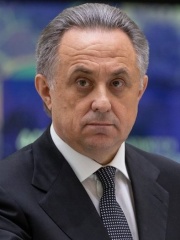
Vitaly Mutko
1958 - Present
HPI: 51.57
Rank: 17,119

Princess Alia bint Hussein
1956 - Present
HPI: 51.56
Rank: 17,120
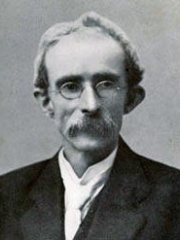
Tom Clarke
1858 - 1916
HPI: 51.56
Rank: 17,121
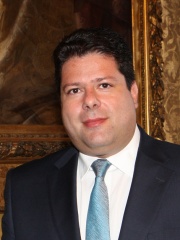
Fabian Picardo
1972 - Present
HPI: 51.56
Rank: 17,122
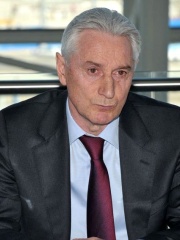
Zinetula Bilyaletdinov
1955 - Present
HPI: 51.55
Rank: 17,123
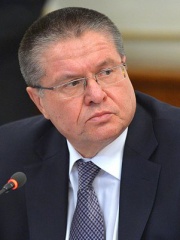
Alexey Ulyukaev
1956 - Present
HPI: 51.55
Rank: 17,124
Luis de Guindos
1960 - Present
HPI: 51.55
Rank: 17,125
Māris Gailis
1951 - Present
HPI: 51.55
Rank: 17,126
Isidore Mvouba
1954 - Present
HPI: 51.54
Rank: 17,127
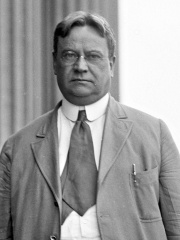
Hiram Johnson
1866 - 1945
HPI: 51.54
Rank: 17,128
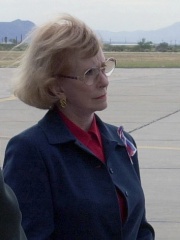
Jane Dee Hull
1935 - 2020
HPI: 51.54
Rank: 17,129
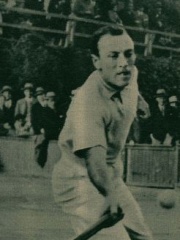
Uberto De Morpurgo
1896 - 1961
HPI: 51.54
Rank: 17,130
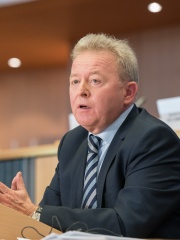
Janusz Wojciechowski
1954 - Present
HPI: 51.54
Rank: 17,131

Contemporaries
Among people born in 1960, Luis de Guindos ranks 510. Before her are Elvira Dones, Comandanta Ramona, Igor Presnyakov, Guðmundur Guðmundsson, Kathy Griffin, and Mike Mignola. After her are Andrea Ehrig-Mitscherlich, Mikhail Kornienko, Miyuki Miyabe, Maia Panjikidze, Joey Belladonna, and Christian Prudhomme.
Others Born in 1960
Go to all Rankings
Elvira Dones
WRITER
1960 - Present
HPI: 51.68
Rank: 504
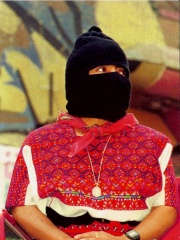
Comandanta Ramona
MILITARY PERSONNEL
1960 - 2006
HPI: 51.66
Rank: 505
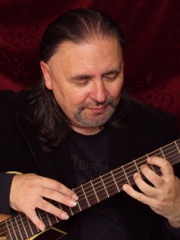
Igor Presnyakov
MUSICIAN
1960 - Present
HPI: 51.64
Rank: 506

Guðmundur Guðmundsson
HANDBALL PLAYER
1960 - Present
HPI: 51.56
Rank: 507
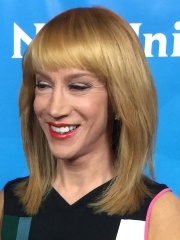
Kathy Griffin
COMEDIAN
1960 - Present
HPI: 51.56
Rank: 508
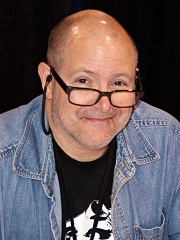
Mike Mignola
COMIC ARTIST
1960 - Present
HPI: 51.55
Rank: 509
Luis de Guindos
POLITICIAN
1960 - Present
HPI: 51.55
Rank: 510
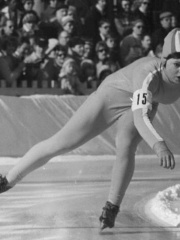
Andrea Ehrig-Mitscherlich
SKATER
1960 - Present
HPI: 51.51
Rank: 511
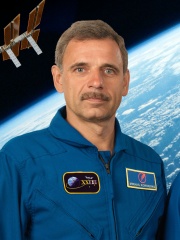
Mikhail Kornienko
ASTRONAUT
1960 - Present
HPI: 51.50
Rank: 512

Miyuki Miyabe
WRITER
1960 - Present
HPI: 51.48
Rank: 513
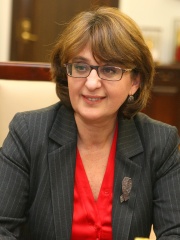
Maia Panjikidze
POLITICIAN
1960 - Present
HPI: 51.48
Rank: 514
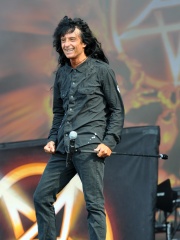
Joey Belladonna
SINGER
1960 - Present
HPI: 51.47
Rank: 515
Christian Prudhomme
WRITER
1960 - Present
HPI: 51.47
Rank: 516
In Hiszpania
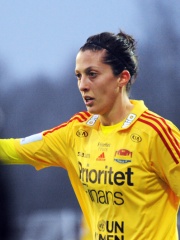
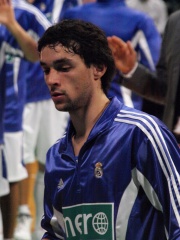
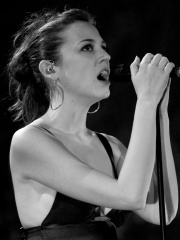
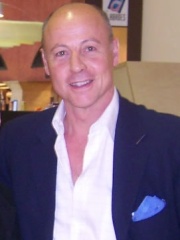
Among people born in Hiszpania, Luis de Guindos ranks 1,969 out of NaN. Before her are Óscar Jaenada (1975), Francisco Pavón (1980), Mabel Rivera (1952), Jennifer Hermoso (1990), Agustín Aranzábal (1973), and Sergio Llull (1987). After her are Isidoro San José (1955), Leonor Watling (1975), Juan Antonio Corbalán (1954), Fran García (1999), Carlos Soler (1997), and Pablo Iglesias Turrión (1978).
Others born in Hiszpania
Go to all Rankings
Óscar Jaenada
ACTOR
1975 - Present
HPI: 51.61
Rank: 1,963
Francisco Pavón
SOCCER PLAYER
1980 - Present
HPI: 51.61
Rank: 1,964
Mabel Rivera
ACTOR
1952 - Present
HPI: 51.61
Rank: 1,965
Jennifer Hermoso
SOCCER PLAYER
1990 - Present
HPI: 51.60
Rank: 1,966

Agustín Aranzábal
SOCCER PLAYER
1973 - Present
HPI: 51.60
Rank: 1,967
Sergio Llull
BASKETBALL PLAYER
1987 - Present
HPI: 51.55
Rank: 1,968
Luis de Guindos
POLITICIAN
1960 - Present
HPI: 51.55
Rank: 1,969

Isidoro San José
SOCCER PLAYER
1955 - Present
HPI: 51.54
Rank: 1,970
Leonor Watling
ACTOR
1975 - Present
HPI: 51.54
Rank: 1,971
Juan Antonio Corbalán
BASKETBALL PLAYER
1954 - Present
HPI: 51.51
Rank: 1,972

Fran García
SOCCER PLAYER
1999 - Present
HPI: 51.50
Rank: 1,973

Carlos Soler
SOCCER PLAYER
1997 - Present
HPI: 51.48
Rank: 1,974
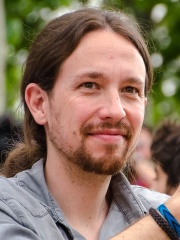
Pablo Iglesias Turrión
POLITICIAN
1978 - Present
HPI: 51.45
Rank: 1,975
Among Polityks In Hiszpania
Among polityks born in Hiszpania, Luis de Guindos ranks 446. Before her are Rita Barberá (1948), Francisco Javier de Istúriz y Montero (1790), Alberto Ruiz-Gallardón (1958), Francisco Álvarez-Cascos (1947), María Jesús Montero (1966), and Clemente Yerovi (1904). After her are Pablo Iglesias Turrión (1978), Isabel Celaá (1949), Ana Palacio (1948), Iratxe García (1974), José Bono (1950), and Carmen Calvo Poyato (1957).
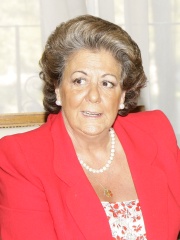
Rita Barberá
1948 - 2016
HPI: 51.97
Rank: 440
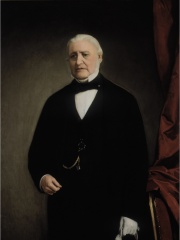
Francisco Javier de Istúriz y Montero
1790 - 1871
HPI: 51.88
Rank: 441
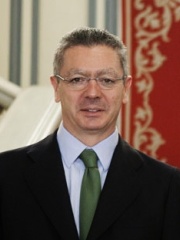
Alberto Ruiz-Gallardón
1958 - Present
HPI: 51.69
Rank: 442
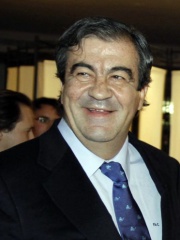
Francisco Álvarez-Cascos
1947 - Present
HPI: 51.68
Rank: 443
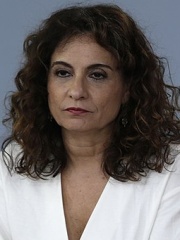
María Jesús Montero
1966 - Present
HPI: 51.68
Rank: 444
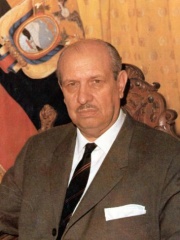
Clemente Yerovi
1904 - 1981
HPI: 51.68
Rank: 445
Luis de Guindos
1960 - Present
HPI: 51.55
Rank: 446
Pablo Iglesias Turrión
1978 - Present
HPI: 51.45
Rank: 447
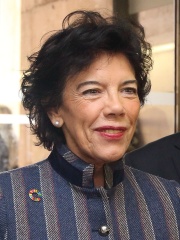
Isabel Celaá
1949 - Present
HPI: 51.34
Rank: 448
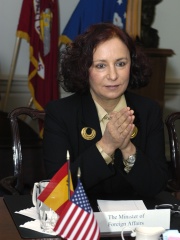
Ana Palacio
1948 - Present
HPI: 51.30
Rank: 449

Iratxe García
1974 - Present
HPI: 51.16
Rank: 450
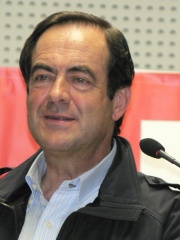
José Bono
1950 - Present
HPI: 51.05
Rank: 451
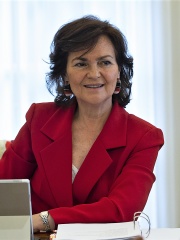
Carmen Calvo Poyato
1957 - Present
HPI: 50.93
Rank: 452