Pisarz
Li Bai
701 - 762
PL.WIKIPEDIA PAGE VIEWS (PV)
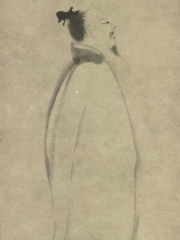
 Li Bai
Li Bo / Li Bai (李白), znany też jako Li Taibo / Li Taibai (李太白); ur. 701, zm. 762 – chiński poeta z okresu złotego wieku chińskiej poezji. Obok swojego przyjaciela Du Fu często wymieniany jako jeden z dwóch największych poetów w dziejach literatury chińskiej. Czytaj więcej w Wikipedii
Jego biografia jest dostępna w 151 różnych językach w Wikipedii (wzrost z 144 w 2024 roku). Li Bai jest 56. najpopularniejszym pisarz (wzrost z 70. w 2024 roku), 9. najpopularniejszą biografią Chiny (wzrost z 10. w 2019 roku) oraz najpopularniejszym pisarz Chiny.
Memorability Metrics
Page views of Li Bai by language
Among Pisarzs
Among pisarzs, Li Bai ranks 56 out of 7,302. Before him are Charles Baudelaire, Marcel Proust, Denis Diderot, Émile Zola, Gustave Flaubert, and Euripides. After him are Octave Mirbeau, Astrid Lindgren, Oscar Wilde, Mark Twain, Henrik Ibsen, and Stendhal.
Most Popular Pisarzs in Wikipedia
Go to all Rankings
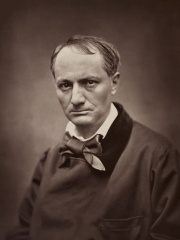
Charles Baudelaire
1821 - 1867
HPI: 84.42
Rank: 50
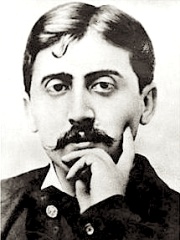
Marcel Proust
1871 - 1922
HPI: 84.39
Rank: 51
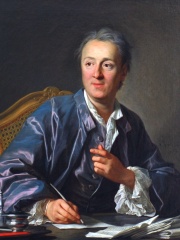
Denis Diderot
1713 - 1784
HPI: 84.31
Rank: 52
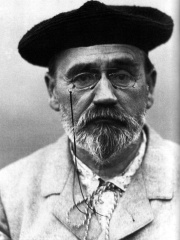
Émile Zola
1840 - 1902
HPI: 84.25
Rank: 53
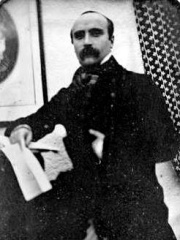
Gustave Flaubert
1821 - 1880
HPI: 84.13
Rank: 54
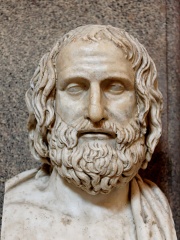
Euripides
480 BC - 406 BC
HPI: 84.12
Rank: 55
Li Bai
701 - 762
HPI: 84.11
Rank: 56
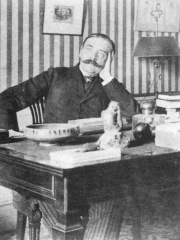
Octave Mirbeau
1848 - 1917
HPI: 84.08
Rank: 57

Astrid Lindgren
1907 - 2002
HPI: 83.96
Rank: 58
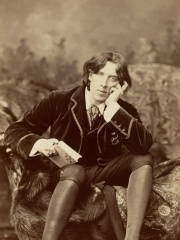
Oscar Wilde
1854 - 1900
HPI: 83.95
Rank: 59
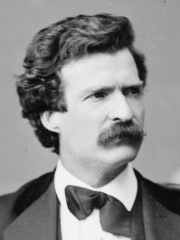
Mark Twain
1835 - 1910
HPI: 83.94
Rank: 60
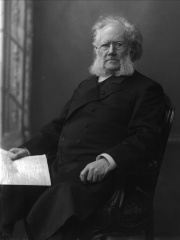
Henrik Ibsen
1828 - 1906
HPI: 83.92
Rank: 61
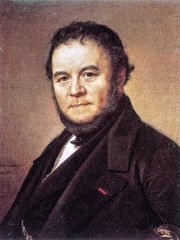
Stendhal
1783 - 1842
HPI: 83.83
Rank: 62

Contemporaries
Among people born in 701, Li Bai ranks 1. After him are Ibn Hisham, Yazid III, Emperor Shōmu, John VII of Constantinople, Tzitzak, Saman Khuda, Al-Khayzuran, Theophano of Athens, Thekla, wife of Michael II, Yahya ibn Khalid, and Euphemius. Among people deceased in 762, Li Bai ranks 1. After him are Padmasambhava, Emperor Xuanzong of Tang, Emperor Suzong of Tang, Muhammad al-Nafs al-Zakiyya, and Vineh of Bulgaria.
Others Born in 701
Go to all RankingsLi Bai
WRITER
701 - 762
HPI: 84.11
Rank: 1

Ibn Hisham
RELIGIOUS FIGURE
701 - 833
HPI: 70.58
Rank: 2
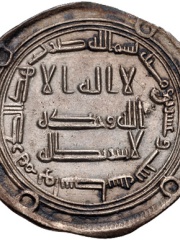
Yazid III
POLITICIAN
701 - 744
HPI: 69.96
Rank: 3
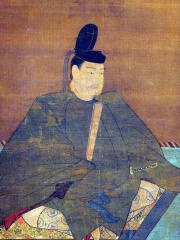
Emperor Shōmu
POLITICIAN
701 - 756
HPI: 67.04
Rank: 4
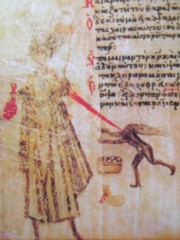
John VII of Constantinople
POLITICIAN
701 - Present
HPI: 66.90
Rank: 5

Tzitzak
POLITICIAN
701 - 750
HPI: 64.59
Rank: 6

Saman Khuda
POLITICIAN
701 - Present
HPI: 64.13
Rank: 7

Al-Khayzuran
COMPANION
701 - 789
HPI: 64.01
Rank: 8

Theophano of Athens
POLITICIAN
701 - 801
HPI: 63.87
Rank: 9

Thekla, wife of Michael II
POLITICIAN
701 - 823
HPI: 63.18
Rank: 10
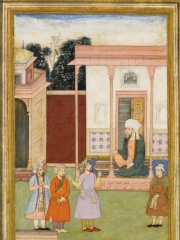
Yahya ibn Khalid
POLITICIAN
701 - 806
HPI: 62.85
Rank: 11

Euphemius
MILITARY PERSONNEL
701 - 830
HPI: 57.60
Rank: 12
Others Deceased in 762
Go to all RankingsLi Bai
WRITER
701 - 762
HPI: 84.11
Rank: 1

Padmasambhava
PHILOSOPHER
717 - 762
HPI: 78.07
Rank: 2
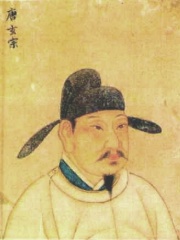
Emperor Xuanzong of Tang
POLITICIAN
685 - 762
HPI: 74.80
Rank: 3
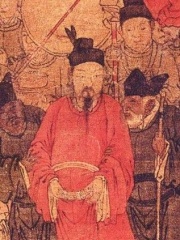
Emperor Suzong of Tang
POLITICIAN
711 - 762
HPI: 68.58
Rank: 4

Muhammad al-Nafs al-Zakiyya
POLITICIAN
690 - 762
HPI: 63.30
Rank: 5

Vineh of Bulgaria
POLITICIAN
740 - 762
HPI: 59.14
Rank: 6
In Chiny
Among people born in Chiny, Li Bai ranks 9 out of NaN. Before him are Kublai Khan (1215), Qin Shi Huang (-258), Huang Xianfan (1899), Mao Zedong (1893), Chiang Kai-shek (1887), and Zheng He (1387). After him are Sun Tzu (-544), Sima Qian (-145), Puyi (1906), 14th Dalai Lama (1935), Xi Jinping (1953), and Sun Yat-sen (1866).
Others born in Chiny
Go to all Rankings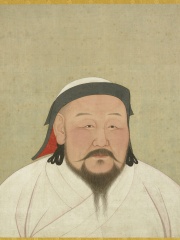
Kublai Khan
POLITICIAN
1215 - 1294
HPI: 91.15
Rank: 3
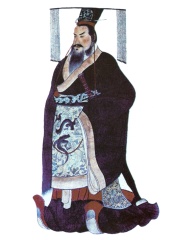
Qin Shi Huang
POLITICIAN
258 BC - 210 BC
HPI: 90.99
Rank: 4
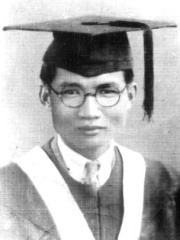
Huang Xianfan
POLITICIAN
1899 - 1982
HPI: 89.40
Rank: 5
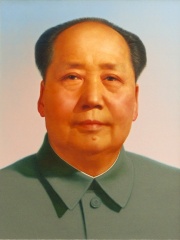
Mao Zedong
POLITICIAN
1893 - 1976
HPI: 88.70
Rank: 6
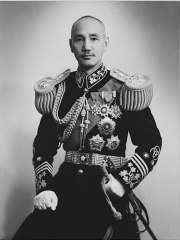
Chiang Kai-shek
MILITARY PERSONNEL
1887 - 1975
HPI: 86.25
Rank: 7
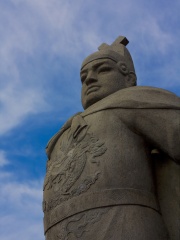
Zheng He
EXPLORER
1387 - 1433
HPI: 84.21
Rank: 8
Li Bai
WRITER
701 - 762
HPI: 84.11
Rank: 9
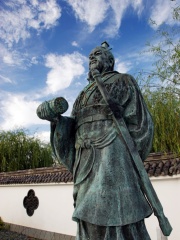
Sun Tzu
PHILOSOPHER
544 BC - 496 BC
HPI: 83.60
Rank: 10
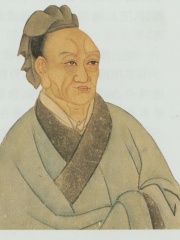
Sima Qian
HISTORIAN
145 BC - 86 BC
HPI: 83.52
Rank: 11
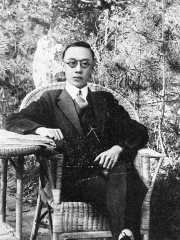
Puyi
POLITICIAN
1906 - 1967
HPI: 83.41
Rank: 12

14th Dalai Lama
RELIGIOUS FIGURE
1935 - Present
HPI: 83.17
Rank: 13
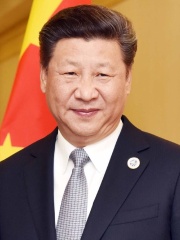
Xi Jinping
POLITICIAN
1953 - Present
HPI: 82.81
Rank: 14
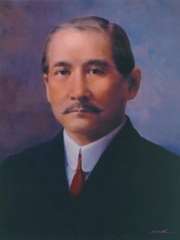
Sun Yat-sen
POLITICIAN
1866 - 1925
HPI: 82.77
Rank: 15
Among Pisarzs In Chiny
Among pisarzs born in Chiny, Li Bai ranks 1. After him are Du Fu (712), Lu Xun (1881), Gao Xingjian (1940), Wu Cheng'en (1500), Qu Yuan (-343), Mo Yan (1955), Luo Guanzhong (1330), Bai Juyi (772), Su Shi (1037), Kumārajīva (343), and Faxian (340).
Li Bai
701 - 762
HPI: 84.11
Rank: 1
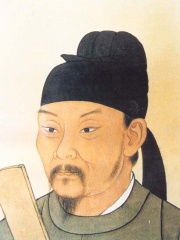
Du Fu
712 - 770
HPI: 82.41
Rank: 2
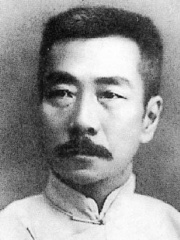
Lu Xun
1881 - 1936
HPI: 77.56
Rank: 3
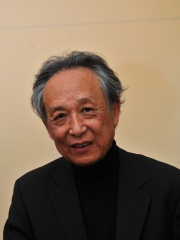
Gao Xingjian
1940 - Present
HPI: 76.23
Rank: 4

Wu Cheng'en
1500 - 1582
HPI: 73.86
Rank: 5
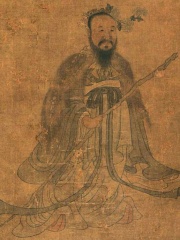
Qu Yuan
343 BC - 278 BC
HPI: 73.42
Rank: 6
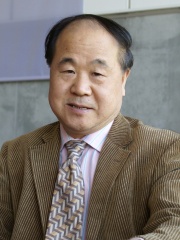
Mo Yan
1955 - Present
HPI: 73.16
Rank: 7

Luo Guanzhong
1330 - 1400
HPI: 72.31
Rank: 8
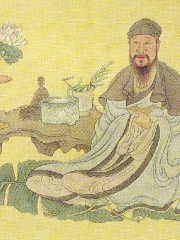
Bai Juyi
772 - 846
HPI: 71.81
Rank: 9
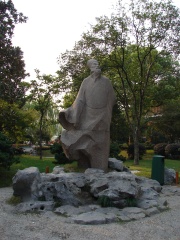
Su Shi
1037 - 1101
HPI: 71.71
Rank: 10
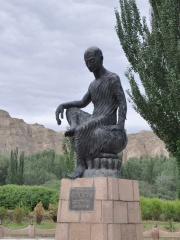
Kumārajīva
343 - 413
HPI: 71.30
Rank: 11
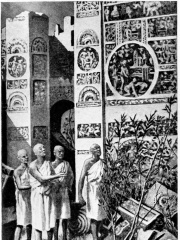
Faxian
340 - 418
HPI: 70.81
Rank: 12