Polityk
Khema
550 BC - obecnie
PL.WIKIPEDIA PAGE VIEWS (PV)

 Khema
Khema
Khemā także Khema Theri (bd, VI w.p.n.e.; chiń. chènmó 讖摩 lub kǎimǎ 凱瑪) – uczennica Buddy, jedna z dwóch głównych mniszek sanghi. Czytaj więcej w Wikipedii
Jej biografia jest dostępna w 17 różnych językach w Wikipedii (wzrost z 15 w 2024 roku). Khema jest 8475. najpopularniejszym polityk (spadek z 8102. w 2024 roku), 49. najpopularniejszą biografią Pakistan (spadek z 34. w 2019 roku) oraz 24. najpopularniejszym polityk Pakistan.
Memorability Metrics
Page views of Khema by language
Among Polityks
Among polityks, Khema ranks 8,475 out of 19,576. Before her are Gonzalo Sánchez de Lozada, Gerhard III, Count of Holstein-Rendsburg, Coenred of Mercia, Ludwika Karolina Radziwiłł, Macrianus Minor, and Marcel Ciolacu. After her are Elihu Root, Sarduri I, Mutara III Rudahigwa, Tự Đức, Vladimir Nazor, and Helena Kantakouzene.
Most Popular Polityks in Wikipedia
Go to all Rankings
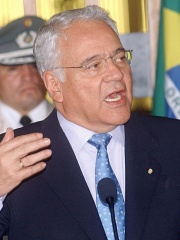
Gonzalo Sánchez de Lozada
1930 - Present
HPI: 62.73
Rank: 8,473
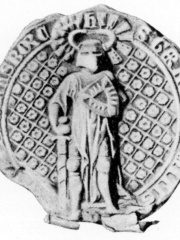
Gerhard III, Count of Holstein-Rendsburg
1293 - 1340
HPI: 62.73
Rank: 8,474

Coenred of Mercia
700 - 716
HPI: 62.73
Rank: 8,475
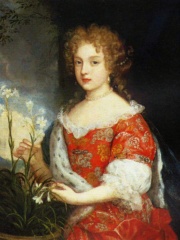
Ludwika Karolina Radziwiłł
1667 - 1695
HPI: 62.73
Rank: 8,476
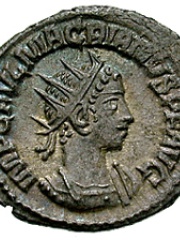
Macrianus Minor
250 - 261
HPI: 62.73
Rank: 8,477
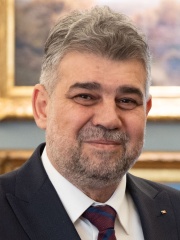
Marcel Ciolacu
1967 - Present
HPI: 62.73
Rank: 8,478
Khema
550 BC - Present
HPI: 62.73
Rank: 8,479
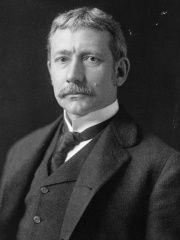
Elihu Root
1845 - 1937
HPI: 62.72
Rank: 8,480
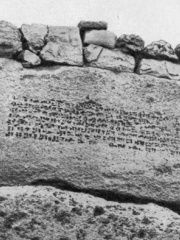
Sarduri I
900 BC - 828 BC
HPI: 62.72
Rank: 8,481
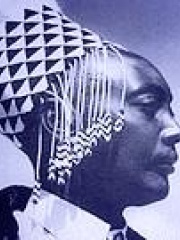
Mutara III Rudahigwa
1911 - 1959
HPI: 62.72
Rank: 8,482
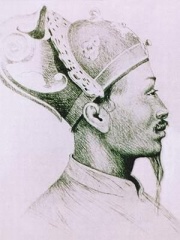
Tự Đức
1829 - 1883
HPI: 62.72
Rank: 8,483
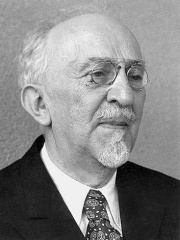
Vladimir Nazor
1876 - 1949
HPI: 62.72
Rank: 8,484

Helena Kantakouzene
1333 - 1396
HPI: 62.72
Rank: 8,485

Contemporaries
Among people born in 550 BC, Khema ranks 23. Before her are Ariston of Sparta, Appius Claudius Crassus, Hydarnes II, Histiaeus, Uppalavanna, and Rhodopis. After her are Helü of Wu, Pasenadi, Nitocris of Babylon, Aristodemus of Cumae, King Jing of Zhou, and Aryenis.
Others Born in 550 BC
Go to all Rankings
Ariston of Sparta
POLITICIAN
550 BC - 510 BC
HPI: 63.95
Rank: 17
Appius Claudius Crassus
POLITICIAN
550 BC - 449 BC
HPI: 63.87
Rank: 18

Hydarnes II
MILITARY PERSONNEL
550 BC - Present
HPI: 63.58
Rank: 19

Histiaeus
POLITICIAN
550 BC - 493 BC
HPI: 63.48
Rank: 20
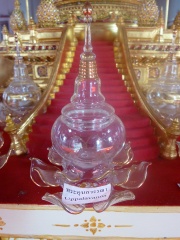
Uppalavanna
RELIGIOUS FIGURE
550 BC - Present
HPI: 63.17
Rank: 21

Rhodopis
COMPANION
550 BC - 600 BC
HPI: 63.11
Rank: 22
Khema
POLITICIAN
550 BC - Present
HPI: 62.73
Rank: 23
Helü of Wu
POLITICIAN
550 BC - 496 BC
HPI: 62.70
Rank: 24
Pasenadi
POLITICIAN
550 BC - Present
HPI: 62.47
Rank: 25
Nitocris of Babylon
NOBLEMAN
550 BC - 550 BC
HPI: 61.43
Rank: 26

Aristodemus of Cumae
POLITICIAN
550 BC - 500 BC
HPI: 60.27
Rank: 27

King Jing of Zhou
POLITICIAN
550 BC - 477 BC
HPI: 59.67
Rank: 28

Aryenis
POLITICIAN
550 BC - 600 BC
HPI: 59.32
Rank: 29
In Pakistan
Among people born in Pakistan, Khema ranks 49 out of NaN. Before her are Raja Dahir (663), Gulzarilal Nanda (1898), Babita (1947), Naropa (1016), Malik Ghulam Muhammad (1895), and Amrita Pritam (1919). After her are Krishna Sobti (1925), Ghulam Ishaq Khan (1915), Shujaat Hussain (1946), Yahya Khan (1914), Muhammad Tahir-ul-Qadri (1951), and Lokaksema (147).
Others born in Pakistan
Go to all Rankings
Raja Dahir
POLITICIAN
663 - 712
HPI: 64.28
Rank: 43
Gulzarilal Nanda
POLITICIAN
1898 - 1998
HPI: 64.24
Rank: 44

Babita
ACTOR
1947 - Present
HPI: 63.68
Rank: 45

Naropa
RELIGIOUS FIGURE
1016 - 1100
HPI: 63.09
Rank: 46
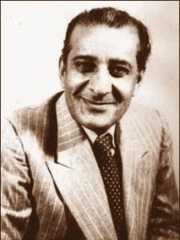
Malik Ghulam Muhammad
POLITICIAN
1895 - 1956
HPI: 62.90
Rank: 47
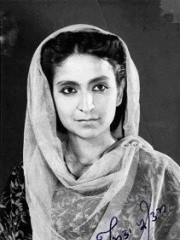
Amrita Pritam
WRITER
1919 - 2005
HPI: 62.74
Rank: 48
Khema
POLITICIAN
550 BC - Present
HPI: 62.73
Rank: 49
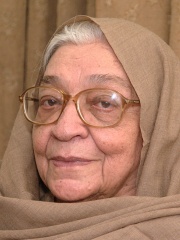
Krishna Sobti
WRITER
1925 - 2019
HPI: 62.45
Rank: 50
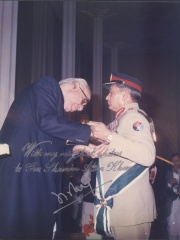
Ghulam Ishaq Khan
POLITICIAN
1915 - 2006
HPI: 62.39
Rank: 51
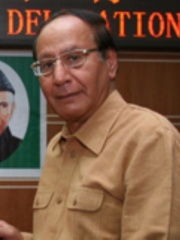
Shujaat Hussain
POLITICIAN
1946 - Present
HPI: 62.35
Rank: 52
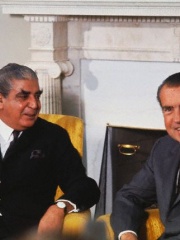
Yahya Khan
POLITICIAN
1914 - 1980
HPI: 62.05
Rank: 53
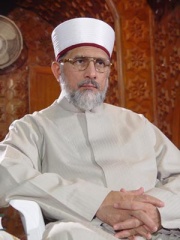
Muhammad Tahir-ul-Qadri
POLITICIAN
1951 - Present
HPI: 61.81
Rank: 54
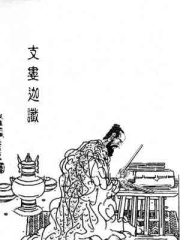
Lokaksema
RELIGIOUS FIGURE
147 - 200
HPI: 61.42
Rank: 55
Among Polityks In Pakistan
Among polityks born in Pakistan, Khema ranks 24. Before her are Bahlul Lodi (1406), Firuz Shah Tughlaq (1309), Imran Khan (1952), Raja Dahir (663), Gulzarilal Nanda (1898), and Malik Ghulam Muhammad (1895). After her are Ghulam Ishaq Khan (1915), Shujaat Hussain (1946), Yahya Khan (1914), Muhammad Tahir-ul-Qadri (1951), Muhammad Rafiq Tarar (1929), and Farooq Leghari (1940).
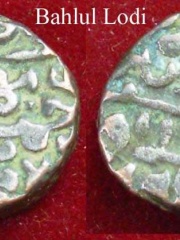
Bahlul Lodi
1406 - 1489
HPI: 66.31
Rank: 18
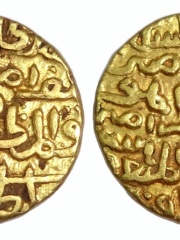
Firuz Shah Tughlaq
1309 - 1388
HPI: 66.23
Rank: 19

Imran Khan
1952 - Present
HPI: 65.38
Rank: 20
Raja Dahir
663 - 712
HPI: 64.28
Rank: 21
Gulzarilal Nanda
1898 - 1998
HPI: 64.24
Rank: 22
Malik Ghulam Muhammad
1895 - 1956
HPI: 62.90
Rank: 23
Khema
550 BC - Present
HPI: 62.73
Rank: 24
Ghulam Ishaq Khan
1915 - 2006
HPI: 62.39
Rank: 25
Shujaat Hussain
1946 - Present
HPI: 62.35
Rank: 26
Yahya Khan
1914 - 1980
HPI: 62.05
Rank: 27
Muhammad Tahir-ul-Qadri
1951 - Present
HPI: 61.81
Rank: 28
Muhammad Rafiq Tarar
1929 - 2022
HPI: 61.15
Rank: 29
Farooq Leghari
1940 - 2010
HPI: 59.84
Rank: 30