Muzyk
Jan Garbarek
1947 - obecnie
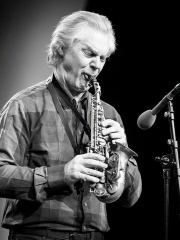
 Jan Garbarek
Jan Garbarek (ur. 4 marca 1947 w Mysen w Norwegii) – norweski saksofonista; jeden z najbardziej znanych współczesnych muzyków jazzowych na świecie, uważany za ojca skandynawskiej sceny jazzowej. Czytaj więcej w Wikipedii
His biography is available in 33 different languages on Wikipedia (up from 32 in 2024). Jan Garbarek is the 320th most popular muzyk (up from 337th in 2024), the 88th most popular biography from Norway (down from 82nd in 2019) and the most popular Norwegian Muzyk.
Memorability Metrics
Page views of Jan Garbarek by language
Among Muzyks
Among muzyks, Jan Garbarek ranks 320 out of 3,175. Before him are Heinrich Neuhaus, Grover Washington Jr., Nick Cave, Mick Jones, Ike Turner, and Robert John "Mutt" Lange. After him are Billy Idol, Agathe Backer Grøndahl, Ian Curtis, Yanni, XXXTentacion, and Beck.
Most Popular Muzyks in Wikipedia
Go to all Rankings
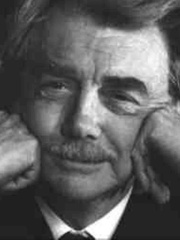
Heinrich Neuhaus
1888 - 1964
HPI: 66.08
Rank: 314
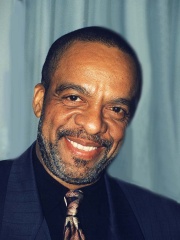
Grover Washington Jr.
1943 - 1999
HPI: 66.04
Rank: 315
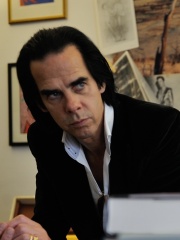
Nick Cave
1957 - Present
HPI: 66.02
Rank: 316
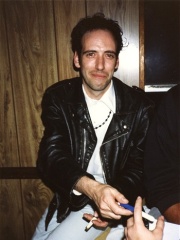
Mick Jones
1955 - Present
HPI: 66.01
Rank: 317
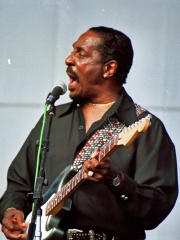
Ike Turner
1931 - 2007
HPI: 66.01
Rank: 318

Robert John "Mutt" Lange
1948 - Present
HPI: 65.95
Rank: 319
Jan Garbarek
1947 - Present
HPI: 65.94
Rank: 320
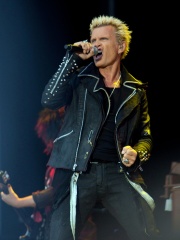
Billy Idol
1955 - Present
HPI: 65.94
Rank: 321
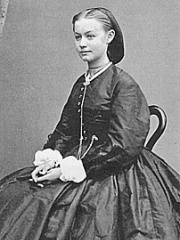
Agathe Backer Grøndahl
1847 - 1907
HPI: 65.93
Rank: 322
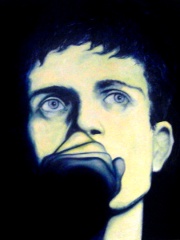
Ian Curtis
1956 - 1980
HPI: 65.92
Rank: 323
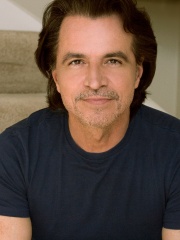
Yanni
1954 - Present
HPI: 65.88
Rank: 324

XXXTentacion
1998 - 2018
HPI: 65.82
Rank: 325
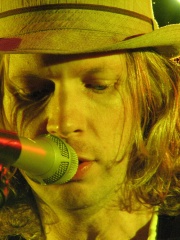
Beck
1970 - Present
HPI: 65.78
Rank: 326

Contemporaries
Among people born in 1947, Jan Garbarek ranks 118. Before him are Patrick Dewaere, Eric F. Wieschaus, Barbara Bach, Ted Danson, Temple Grandin, and Gyanendra of Nepal. After him are F. R. David, Mario Aurelio Poli, Saskia Sassen, Jerzy Popiełuszko, Roy Hodgson, and Viktor Belenko.
Others Born in 1947
Go to all Rankings
Patrick Dewaere
ACTOR
1947 - 1982
HPI: 66.28
Rank: 112
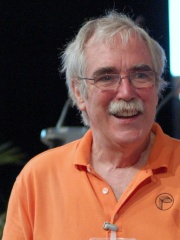
Eric F. Wieschaus
BIOLOGIST
1947 - Present
HPI: 66.15
Rank: 113
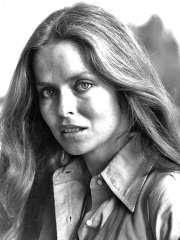
Barbara Bach
ACTOR
1947 - Present
HPI: 66.06
Rank: 114
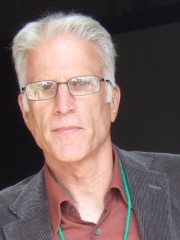
Ted Danson
ACTOR
1947 - Present
HPI: 66.04
Rank: 115
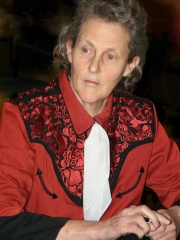
Temple Grandin
BIOLOGIST
1947 - Present
HPI: 65.98
Rank: 116
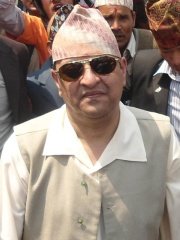
Gyanendra of Nepal
POLITICIAN
1947 - Present
HPI: 65.97
Rank: 117
Jan Garbarek
MUSICIAN
1947 - Present
HPI: 65.94
Rank: 118
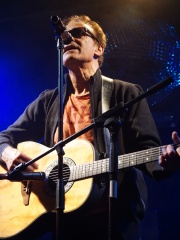
F. R. David
SINGER
1947 - Present
HPI: 65.90
Rank: 119
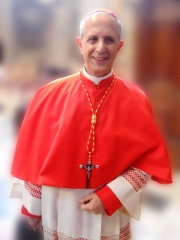
Mario Aurelio Poli
RELIGIOUS FIGURE
1947 - Present
HPI: 65.88
Rank: 120
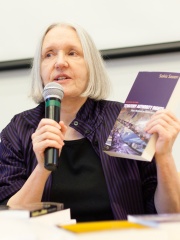
Saskia Sassen
SOCIOLOGIST
1947 - Present
HPI: 65.88
Rank: 121
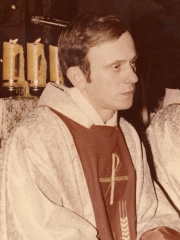
Jerzy Popiełuszko
RELIGIOUS FIGURE
1947 - 1984
HPI: 65.87
Rank: 122
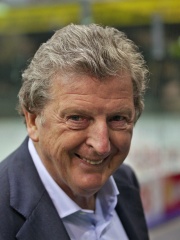
Roy Hodgson
COACH
1947 - Present
HPI: 65.86
Rank: 123
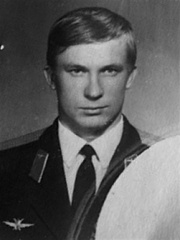
Viktor Belenko
ENGINEER
1947 - 2023
HPI: 65.86
Rank: 124
In Norway
Among people born in Norway, Jan Garbarek ranks 88 out of 1,039. Before him are Peter Christen Asbjørnsen (1812), Johan Christian Dahl (1788), Morten Harket (1959), Dag Solstad (1941), Alf-Inge Håland (1972), and Johan Svendsen (1840). After him are Agathe Backer Grøndahl (1847), Sverre Fehn (1924), Ingeborg of Norway (1301), Haakon Ericsson (995), Tarjei Vesaas (1897), and Henrik Wergeland (1808).
Others born in Norway
Go to all Rankings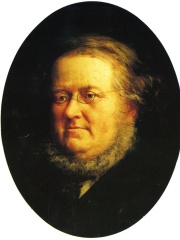
Peter Christen Asbjørnsen
WRITER
1812 - 1885
HPI: 66.59
Rank: 82
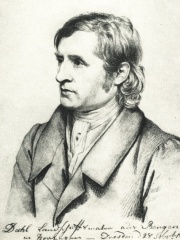
Johan Christian Dahl
PAINTER
1788 - 1857
HPI: 66.45
Rank: 83
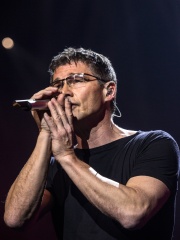
Morten Harket
SINGER
1959 - Present
HPI: 66.28
Rank: 84
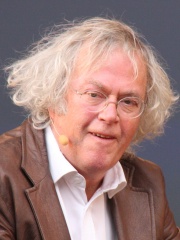
Dag Solstad
WRITER
1941 - 2025
HPI: 66.11
Rank: 85

Alf-Inge Håland
SOCCER PLAYER
1972 - Present
HPI: 66.11
Rank: 86
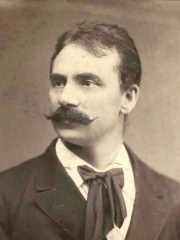
Johan Svendsen
COMPOSER
1840 - 1911
HPI: 66.01
Rank: 87
Jan Garbarek
MUSICIAN
1947 - Present
HPI: 65.94
Rank: 88
Agathe Backer Grøndahl
MUSICIAN
1847 - 1907
HPI: 65.93
Rank: 89
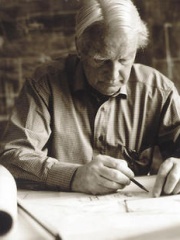
Sverre Fehn
ARCHITECT
1924 - 2009
HPI: 65.80
Rank: 90
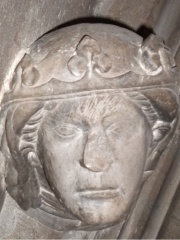
Ingeborg of Norway
NOBLEMAN
1301 - 1361
HPI: 65.76
Rank: 91
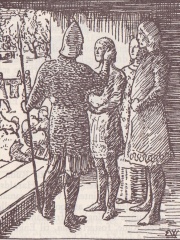
Haakon Ericsson
POLITICIAN
995 - 1029
HPI: 65.62
Rank: 92
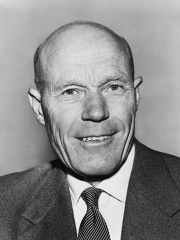
Tarjei Vesaas
WRITER
1897 - 1970
HPI: 65.59
Rank: 93
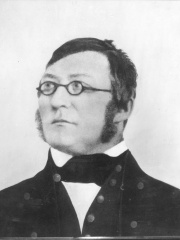
Henrik Wergeland
WRITER
1808 - 1845
HPI: 65.32
Rank: 94
Among Muzyks In Norway
Among muzyks born in Norway, Jan Garbarek ranks 1. After him are Agathe Backer Grøndahl (1847), Ole Bull (1810), Varg Vikernes (1973), Euronymous (1968), John Norum (1964), Magne Furuholmen (1962), Paul Waaktaar-Savoy (1961), Aurora (1996), Olve Eikemo (1973), Ketil Bjørnstad (1952), and Terje Rypdal (1947).
Jan Garbarek
1947 - Present
HPI: 65.94
Rank: 1
Agathe Backer Grøndahl
1847 - 1907
HPI: 65.93
Rank: 2
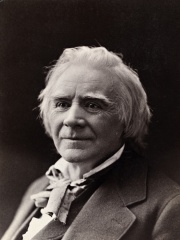
Ole Bull
1810 - 1880
HPI: 63.98
Rank: 3

Varg Vikernes
1973 - Present
HPI: 63.44
Rank: 4
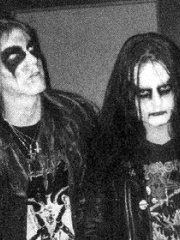
Euronymous
1968 - 1993
HPI: 61.56
Rank: 5
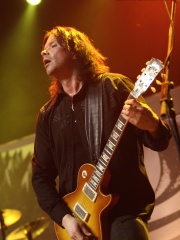
John Norum
1964 - Present
HPI: 59.26
Rank: 6
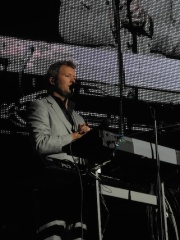
Magne Furuholmen
1962 - Present
HPI: 58.58
Rank: 7
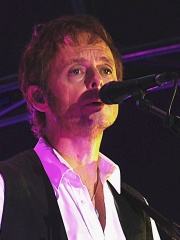
Paul Waaktaar-Savoy
1961 - Present
HPI: 58.46
Rank: 8
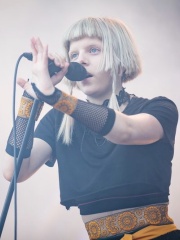
Aurora
1996 - Present
HPI: 58.19
Rank: 9
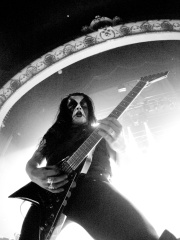
Olve Eikemo
1973 - Present
HPI: 56.34
Rank: 10
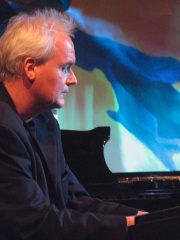
Ketil Bjørnstad
1952 - Present
HPI: 56.01
Rank: 11
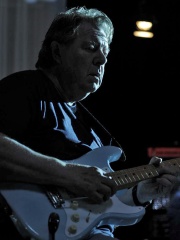
Terje Rypdal
1947 - Present
HPI: 55.75
Rank: 12